
.png?width=48&height=48&name=Group%201%20(3).png)























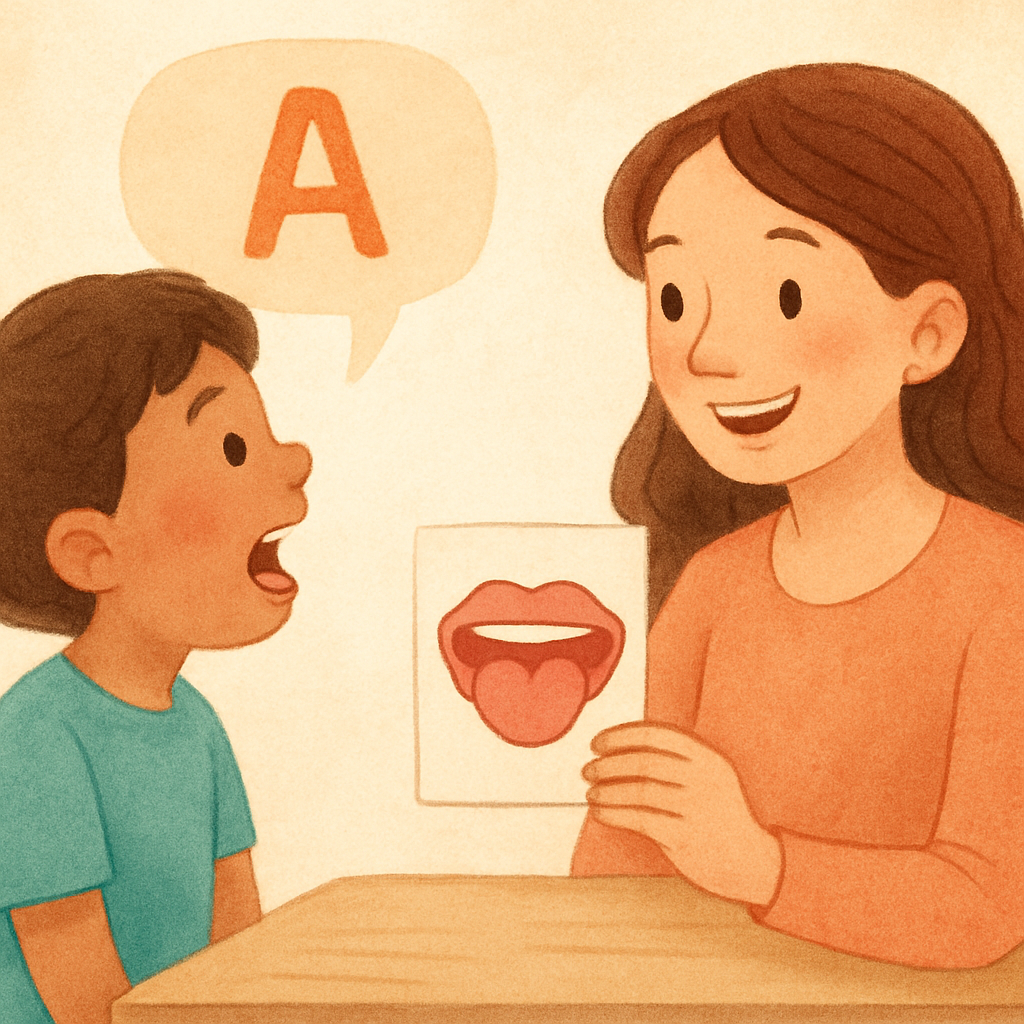
27 January, 2026

Speech Delay: When to Seek Help for Your Child
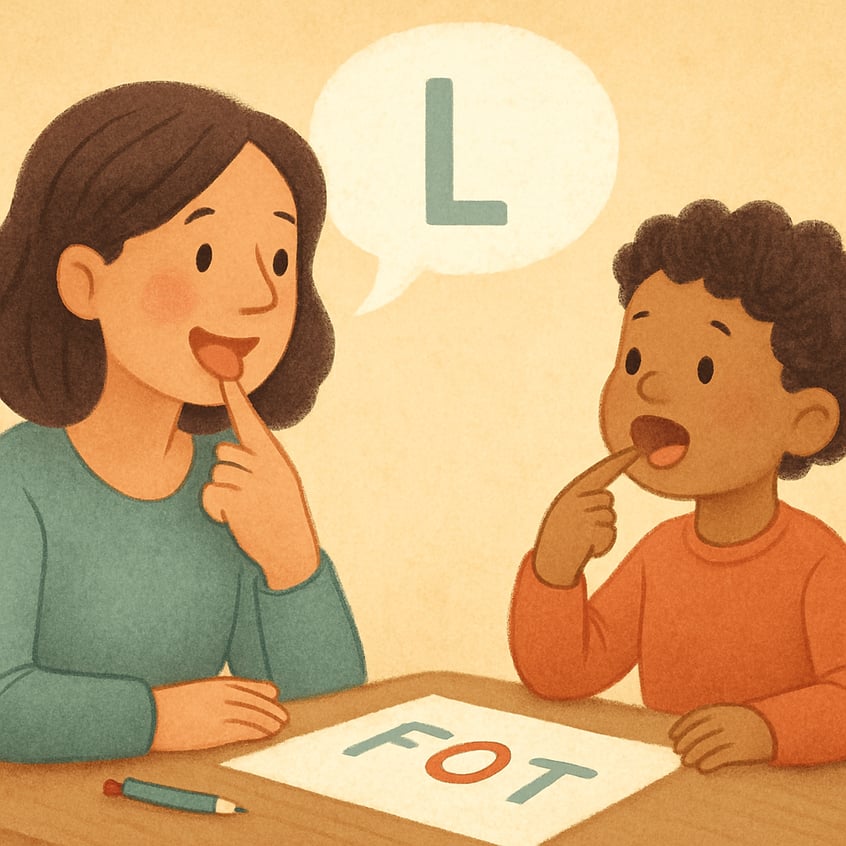
Introduction
As a parent, you eagerly await each of your child’s new skills, especially their first words. It’s natural to feel concerned if your child’s speech seems to be lagging behind their peers. While children develop at different rates, understanding the typical path of language development can help you identify a potential speech delay. This guide will walk you through the key communication skills and milestones, explain potential causes like hearing loss or oral-motor problems, and help you know when it’s time to consult a professional.
Key Highlights
-
A speech delay involves difficulty producing sounds, while a language delay relates to understanding and using words.
-
Knowing the typical speech and language development milestones can help you track your child's progress.
-
Common signs of a speech delay in toddlers include not babbling by nine months or not using gestures by 12 months.
-
If your child's speech is difficult to understand or they are not meeting key milestones, it may be time to seek help.
-
Early intervention and speech therapy are crucial for helping children overcome communication challenges.
Understanding Speech Delay in Children
When discussing a child’s speech, it’s helpful to know the difference between speech and language. Speech is the physical act of making sounds and words. Language is broader, covering how we understand and share information, whether verbally, nonverbally, or in writing.
A speech delay and a language delay are different, but they often overlap. For instance, a child might have clear speech but struggle to form sentences (a language delay). Another child might use phrases but be very difficult to understand (a speech delay). Pinpointing the exact issue is the first step toward getting the right support.
Defining Speech Delay, Cluttering, and Related Disorders
A speech delay occurs when a child doesn’t develop speech sounds at the expected rate, unlike “late talkers,” who catch up without help. True speech delays often involve underlying issues and are considered speech disorders, which may be physical or linguistic.
Related conditions include cluttering (affecting speech rate and fluency) and motor speech disorders. Dysarthria causes slurred speech due to low muscle tone, while childhood apraxia of speech (CAS) involves difficulty coordinating muscle movements for speech, leading to inconsistent word production.
Because these issues have different causes, they require targeted treatments from a speech-language pathologist. Simple delays are managed differently than apraxia or dysarthria, which need specialized therapy.
The Difference Between Speech Delay and Language Delay
Speech delay and language delay are often confused, but they are different. Speech delay involves difficulty with the physical act of speaking—such as forming words clearly—making a child hard to understand. Language delay is broader, affecting how a child understands (receptive language) or uses (expressive language) words and sentences. For example, a child may say words clearly but can only put two words together instead of full sentences ors, or may struggle to follow directions.
A child can have one or both types of delays. A professional evaluation can identify the issue and recommend steps to support your child's communication skills.
Typical Speech Development Milestones by Age
Children learn and grow at their own pace, and speech development is no exception. However, there are general milestones that can act as a useful guide for your child's language development journey. These markers can help you know what to expect as your child starts cooing, babbling, and eventually speaking new words.
Knowing these stages helps you spot potential issues early. While a slight delay may not be a cause for alarm, consistent failure to meet milestones could signal a need for further evaluation. The next sections will detail what to expect at different ages and which signs warrant a conversation with your pediatrician.
What to Expect at Each Stage from Birth to Age Four
From birth, babies begin building communication skills. In their first year, they learn mainly by listening and interacting with caregivers—key to developing language.
As toddlers, their speech grows from single words to simple sentences. By age three, most children have a rapidly expanding vocabulary and can be understood by family members. Below are major receptive (understanding) and expressive (speaking) milestones:
|
Milestone Type |
Skill |
Typical Age |
|---|---|---|
|
Receptive |
Turns to sounds/voice |
4 months |
|
Receptive |
Responds to name |
4 months |
|
Receptive |
Follows one-step command with gesture |
12 months |
|
Receptive |
Points to body parts |
18 months |
|
Receptive |
Follows two-step command with gesture |
24 months |
|
Expressive |
Cooing (vowel sounds) |
3 months |
|
Expressive |
Babbling (adds consonants) |
6 months |
|
Expressive |
Says “dada/mama” specifically |
10 months |
|
Expressive |
Uses 3–5 words |
12 months |
|
Expressive |
Two-word phrases |
24 months |
|
Expressive |
Three-word sentences |
3 years |
When to Be Concerned About Delayed Talking
While each child develops at their own pace, certain "red flags" may signal a speech delay needing professional attention. If your child isn't meeting expected milestones, discuss it with your pediatrician—early intervention is key.
Children with perinatal risk factors or a family history of speech problems are at higher risk for delays. Monitoring their development closely ensures they get support as soon as possible. A specialist referral can offer clarity and peace of mind.
Contact your doctor if you notice:
-
No babbling by 9 months
-
No pointing or gestures by 12 months
-
No clear single words by 16 months
-
No spontaneous two-word phrases by 24 months
-
Any loss of language or social skills at any age
Signs and Symptoms of Speech Delay
Early recognition of speech problems can make a big difference. Signs of speech and language delays may be subtle at first but become clearer as a child grows and faces more communication demands. Symptoms range from trouble pronouncing words to difficulty understanding others.
Some children may act frustrated or withdrawn when they can't express themselves. While these signs don’t always indicate a long-term issue, they should prompt closer attention. The following sections outline key red flags in toddlers and how to distinguish between late bloomers and those needing extra support.
Common Red Flags for Speech Delay in Toddlers
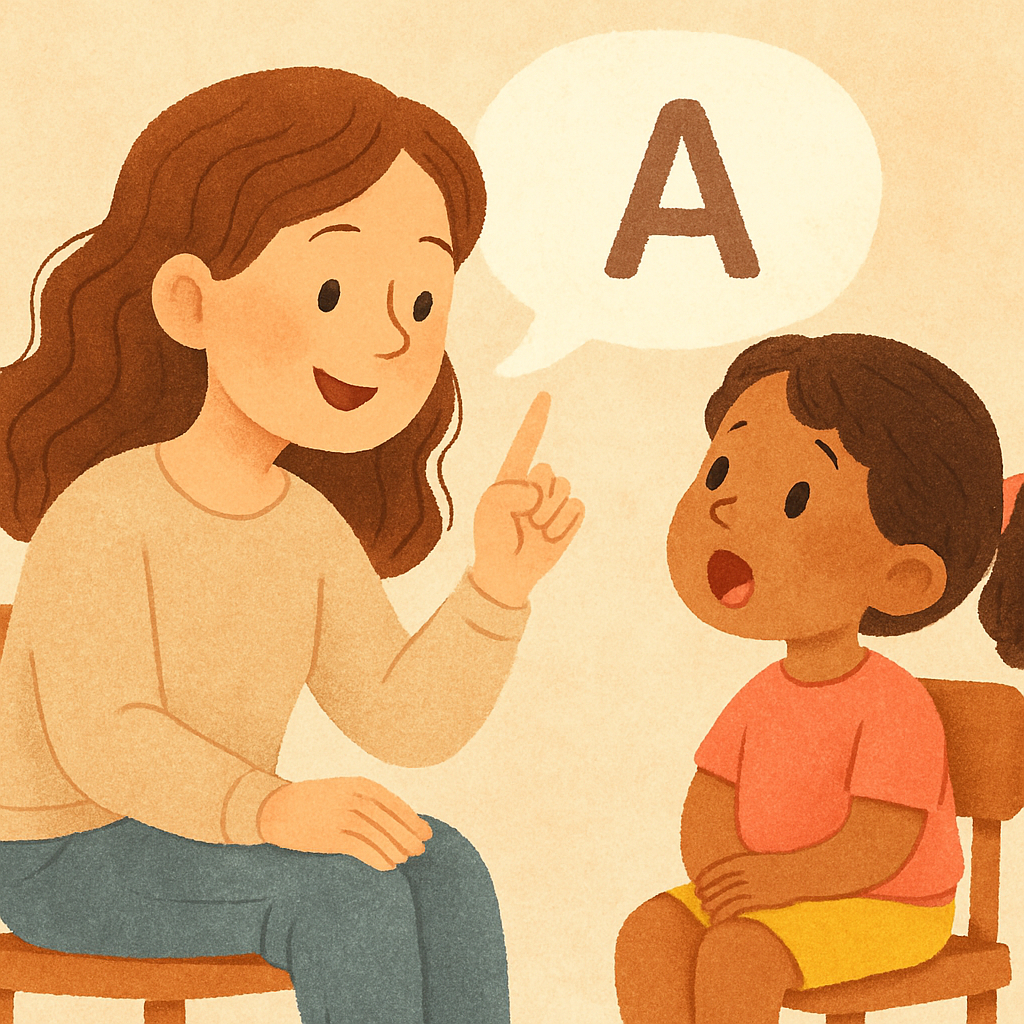
For toddlers, certain speech delay red flags are important to watch for. If your baby doesn’t respond to sounds or vocalize, consult a doctor immediately to rule out hearing loss. In older toddlers, signs often relate to their communication attempts.
It can be hard for parents to tell if a child is just developing slowly or has a real issue. Speech delays may show up as favoring gestures over words or struggling to imitate sounds.
Watch for these signs:
-
By 12 months: Not using gestures like pointing or waving
-
By 18 months: Prefers gestures over vocalizing; has trouble imitating sounds
-
By 2 years: Only imitates speech, doesn’t use words spontaneously; cannot follow simple directions
-
Any age: Unusual voice quality (e.g., raspy or nasal)
Distinguishing Between Late Talkers and Children with Speech Disorders
Parents often wonder if their child is a "late talker" or has a speech disorder. Late talkers are toddlers with limited vocabularies but typical overall development. They usually understand more than they speak and often catch up without intervention.
In contrast, children with speech disorders may show broader developmental delays and persistent language difficulties that rarely resolve on their own. Early intervention can be very helpful for these children.
A speech-language pathologist can help distinguish between the two. Key differences include:
-
Gestures: Late talkers use gestures; children with disorders may not.
-
Understanding: Late talkers generally understand language at an age-appropriate level.
-
Progress: Late talkers steadily gain new words, while those with disorders may stagnate.
Conclusion
Recognizing speech delay in children is key to their healthy development. Knowing the signs helps parents seek help early, which can greatly improve a child’s communication and confidence. If you’re concerned about your child’s speech, reach out for professional guidance—early support makes a big difference. Your child's voice matters, and timely help sets them up for future success.
Contact us for a consultation or call us at 02 9133 2500 and start your child’s communication journey today!
Frequently Asked Questions
At what age should I worry if my child is not talking?
You should talk to your pediatrician if you have concerns about your child's language development at any age. Specifically, worry if your child shows no signs of babbling by 9 months, isn't using single words by 16 months, or isn't using two-word phrases by 24 months. These milestones are important markers for identifying a potential speech delay.
Can a speech delay be outgrown or does it always need intervention?
While some "late talkers" do catch up on their own, it's hard to predict which children will. A speech delay can be a sign of an underlying issue. Seeking early intervention is recommended to support your child's language skills and prevent potential future difficulties, even if speech therapy isn't ultimately required.
Are cluttering, dysarthria, and apraxia of speech treated differently from speech delay?
Yes, these conditions are treated differently. A general speech delay may focus on building vocabulary and articulation. In contrast, disorders like cluttering, dysarthria, and apraxia of speech have unique causes, such as motor planning or muscle weakness, and require specialized speech therapy techniques tailored to those specific challenges.
.svg)




.svg)