
.png?width=48&height=48&name=Group%201%20(3).png)























12 January, 2026

Pediatric Speech Therapy: Signs Your Child Might Need Help
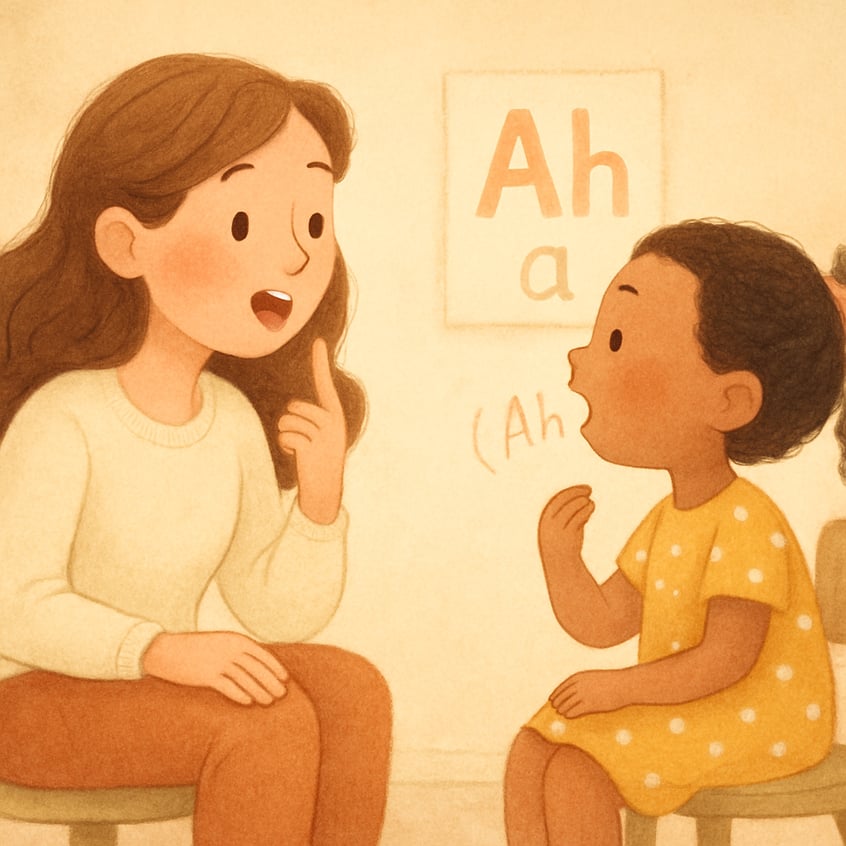
Introduction
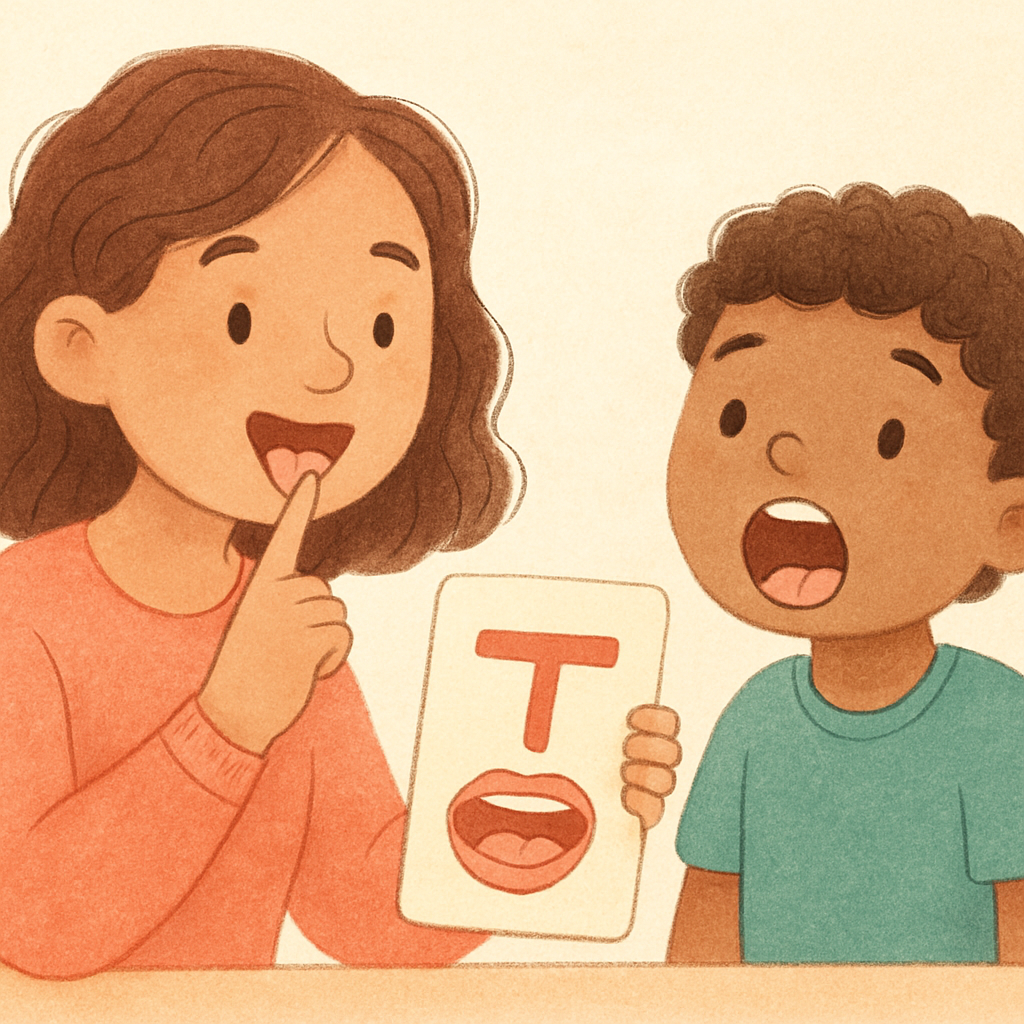
Communication is the foundation of how we connect with the world. For children, the first five years are a critical window for building communication skills. However, some children may miss developmental milestones, indicating a potential delay in their speech or language development. If you notice a challenge, pediatric speech therapy can provide the support your child needs. This specialized therapy focuses on diagnosing and treating communication disorders, helping your child express themselves clearly and confidently.
Key Highlights
-
Pediatric speech therapy is vital for improving your child’s communication skills and overall language development.
-
Early intervention is a crucial factor in successfully addressing speech and language challenges before they impact academic success.
-
Recognizing key developmental milestones helps you identify potential delays that may require professional attention. Children can benefit from speech therapy services at any age when there are noticeable concerns about their development. If you observe issues with articulation, language comprehension, or communication skills, it is recommended to consult a speech therapist—even for very young children—as early intervention is often most effective. Speech therapy services are always tailored to the child's specific needs, addressing everything from articulation to language comprehension.
-
Speech therapy services are always tailored to the child's specific needs, addressing everything from articulation to language comprehension.
-
Parents play a central role in their child's progress by reinforcing learned skills at home.
-
Effective therapy can boost a child's confidence, social skills, and long-term quality of life.
Key Speech and Language Milestones in Childhood
Knowing what to expect as your child grows is key to spotting potential speech disorders or language challenges. While every child’s communication development journey is unique, there are general milestones that can act as a guide. Missing these markers could be a sign that early intervention is needed. The length of time a child may need speech therapy varies depending on their individual needs and the nature of their speech or language challenges; some children may need only a few months of therapy, while others may benefit from ongoing support over several years.
If you are ever concerned that your child is a late talker or not meeting these milestones, consulting a healthcare provider is a good first step. An assessment can determine if your child would benefit from targeted support. Pediatric speech therapists—also known as speech-language pathologists—typically hold at least a master's degree in speech-language pathology, have completed supervised clinical training, and are licensed and certified by relevant state boards or professional organizations such as the American Speech-Language-Hearing Association (ASHA). Now, let’s look at what typical development looks like and the difference between speech and language.
Typical Milestones by Age: Infancy to Early School Years
From coos and babbles to full conversations, a child’s communication abilities grow rapidly in the early years. The journey begins around three months with laughter and experimenting with sounds. By their first birthday, many children are starting to form their first words, marking a significant step in their language milestones.
Understanding these stages can help you track your child’s progress. The following table outlines typical developments from the toddler years through early school age, showing how speech clarity and sentence structure evolve. A typical pediatric speech therapy session often involves play-based activities, language exercises, and interactive games that are tailored to your child's age and developmental milestones. During these sessions, a speech-language pathologist may use toys, pictures, and conversation practice to encourage communication skills and demonstrate techniques you can reinforce at home.
|
Age Range Typical Milestones 12 to 18 months Babies usually begin talking and forming their first words. 2 years old Children can string together short sentences and understand some of what is said to them. If you notice your child is not meeting typical speech milestones, you may wonder how to access speech therapy. In many cases, parents do not need a referral to seek an initial speech therapy evaluation—especially through early intervention services or private clinics—but some insurance plans or school-based services may require one. Check with your provider or local resources for specific requirements in your area. |
Typical Milestones |
|---|---|
|
12 to 18 months |
Babies usually begin talking and forming their first words. |
|
2 years old |
Children can string together short sentences and understand some of what is said to them. |
|
3 years old A child can say many words correctly and form meaningful sentences understood by strangers. 3 to 5 years old Children engage in conversation, ask questions, and start telling stories using complex sentences. If a child does not meet typical speech and language milestones, pediatric speech therapy may be recommended. In many cases, pediatric speech therapy is covered by insurance or public health services, but coverage can vary depending on your policy or location. It's important to check with your insurance provider or local health system to confirm what support is available. |
A child can say many words correctly and form meaningful sentences understood by strangers. |
|
3 to 5 years old |
Children engage in conversation, ask questions, and start telling stories using complex sentences. |
|
5 to 8 years old |
Language ability grows quickly, and children can hold conversations on complex topics. |
These milestones are just a general guide. Development varies, but consistent delays may warrant a conversation with a professional to support your child’s social skills and motor skills.
Differences Between Speech Sound Development and Language Development
It is helpful to understand that speech and language are not the same thing. These two areas address different types of communication challenges. Knowing the distinction can help you better identify your child's specific needs.
A speech disorder involves a problem with the physical act of making sounds. This includes articulation disorders, where a child has trouble forming certain syllables or words correctly. It also covers fluency disorders, such as stuttering, which interrupt the flow of speech.
On the other hand, a language disorder is a problem with understanding or communicating ideas. An expressive language disorder makes it difficult for a child to form sentences or use a wide vocabulary. Meanwhile, a receptive language disorder involves trouble processing or understanding what others are saying.
Recognizing Signs Your Child Might Need Speech Therapy
As a parent, you are in the best position to notice subtle signs of speech problems or language challenges. While children develop at their own pace, certain red flags might suggest a need for early intervention. Paying attention to how your child communicates—or doesn't communicate—can help you catch potential communication disorders early.
If you suspect a problem with making specific sounds or understanding language, don't hesitate to seek an evaluation. A professional assessment is the first step toward getting your child the right support. Below, we'll explore some specific signs to watch for and when to seek help.
Red Flags in Early Speech and Language Development
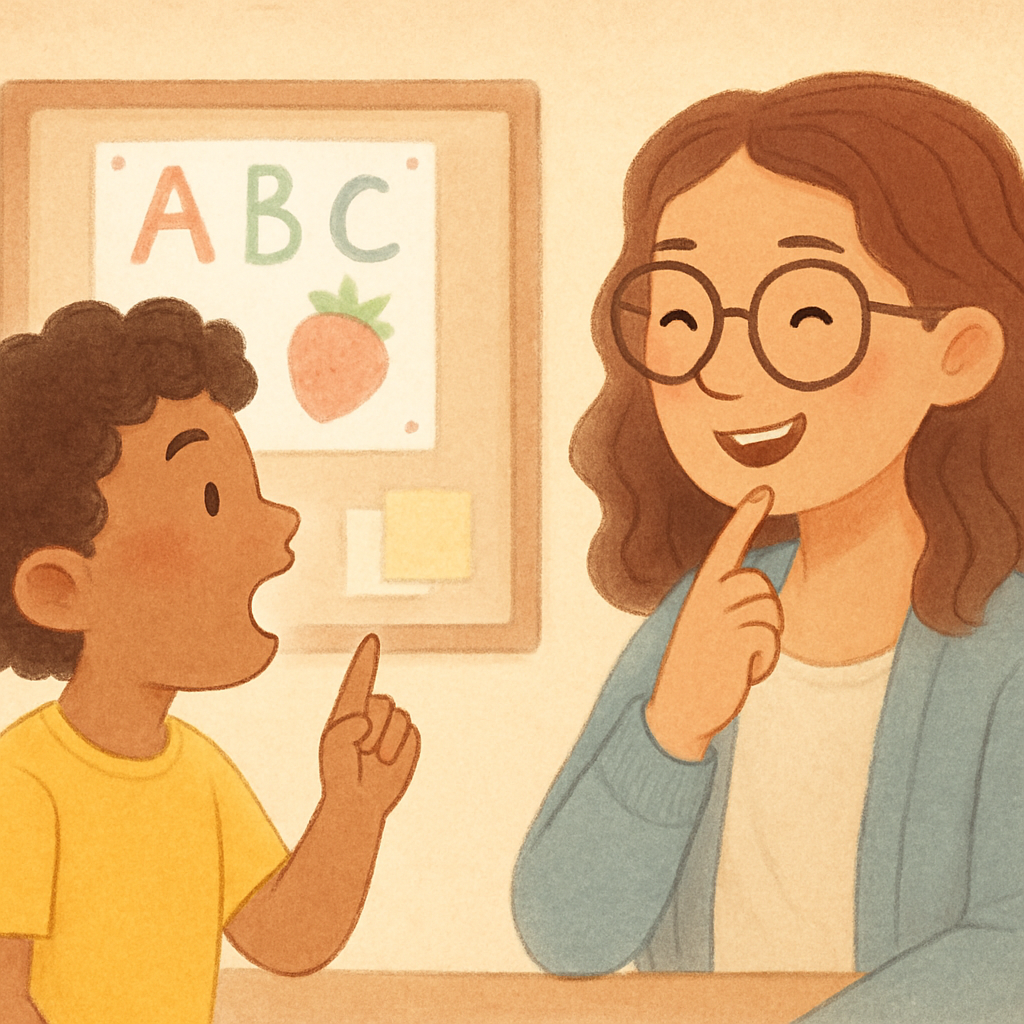
Certain signs may indicate language delays or articulation disorders and benefit from early assessment. These become clearer when compared to typical age milestones. While one missed milestone may not be alarming, a pattern deserves attention.
Common red flags include issues with vocabulary, gestures, and social communication:
-
By 12 months: No gestures like pointing or waving.
-
By 15 months: Says no words.
-
By 18 months: Says fewer than six words; relies on gestures over speech.
-
By 24 months: Cannot combine two words.
-
By 30 months: Speech is unclear even to the family.
-
By age 3: Unclear speech or little interest in interacting with peers.
If you notice these or other developmental concerns, such as hearing loss, consult a professional.
When to Seek Assessment: Guidance for Parents in Canterbury and Liverpool
If you're concerned about your child's communication, ask their healthcare provider for an evaluation. Trust your instincts—seeking assessment is a proactive step.
A speech-language pathologist can assess your child, identify any issues, and recommend tailored treatment.
Help is available, and your involvement matters. Early intervention in speech therapy can significantly improve your child's communication skills.
When to Consider Pediatric Speech Therapy
Recognizing when intervention is necessary can significantly enhance a child's communication skills. Parents should pay close attention to signs such as limited vocabulary growth, challenges in articulating specific sounds, or difficulties with fluency in speech. Additionally, noticeable trouble in social interactions or understanding language may indicate the need for support. Early assessment by a qualified speech pathologist is crucial, as timely intervention can mitigate broader communication challenges and ultimately foster better social engagement and academic performance for the child.
Common Signs of Speech Delays in Children
Difficulty in articulating specific sounds often surfaces as a common sign of speech delays in young children. Parents may notice their child's struggle with fluency, leading to frustration during social interactions or daily conversations. Additionally, limited vocabulary and lack of engagement in language-based activities, such as storytelling or singing, can indicate challenges in language development. Observing eye contact, body language, and responsiveness in conversation further helps pinpoint areas where a child may need targeted speech therapy services to enhance their communication skills.
Signs Your Child is Struggling with Communication
Frequent frustration during attempts to express needs or emotions often indicates a struggle with communication. Look for signs such as limited vocabulary, difficulty pronouncing specific sounds, or challenges in using language effectively in social situations. Additionally, a lack of engagement in conversations, minimal use of eye contact, or reliance on gestures rather than words can signal underlying language disorders. Noticing these red flags early can guide parents toward seeking appropriate support, ensuring that their child's communication skills develop effectively.
Conclusion
In summary, recognizing and addressing your child's speech and language development is crucial for fostering strong communication skills. Early intervention can pave the way for improved academic performance and enhanced social interaction. Engaging with a speech pathologist can provide tailored strategies that cater to your child's unique needs, addressing potential communication challenges effectively. Ultimately, investing in pediatric speech therapy not only uplifts the child's language abilities but also contributes to a better quality of life.
If you're ready to take the first step toward more effective communication, reach out today for a consultation or call daar at 02 9133 2500.
Frequently Asked Questions
What are some common signs that indicate a child may need pediatric speech therapy?
Common signs that indicate a child may need pediatric speech therapy include difficulty pronouncing words, limited vocabulary for their age, struggles in understanding or following directions, and challenges in initiating or maintaining conversations. Observing these can guide parents to seek professional help for their child's communication needs.
How can I differentiate between normal speech development and potential speech delays in my child?
To differentiate between normal speech development and potential delays, observe your child's ability to follow directions, express needs, and engage in conversation. If milestones are consistently missed or communication seems significantly limited compared to peers, consulting a speech therapist may be beneficial.
What are some common signs that indicate a child may need pediatric speech therapy?
Common signs that may indicate the need for pediatric speech therapy include limited vocabulary, difficulty forming sentences, trouble following directions, unclear speech, and challenges in social communication. Early intervention can greatly improve outcomes, making it essential to recognize these indicators timely.
.svg)




.svg)