
.png?width=48&height=48&name=Group%201%20(3).png)























26 January, 2026

Speech Therapy Kids Telehealth: A Modern Approach to Care
Introduction
Is your child facing challenges with their speech and language development? Finding the right support is key to helping them communicate with confidence. A speech therapist can provide personalized care to address your child's unique needs. In today's world, technology has opened new doors for therapy. Telehealth, or online therapy, offers a flexible and effective way for your child to build essential communication skills from the comfort of your home, making professional help more accessible than ever. A typical speech therapy session involves several steps: the therapist begins by assessing your child’s current communication abilities, then sets targeted goals for improvement. Activities are tailored to your child’s age and needs, and may include exercises for articulation, language comprehension, social communication, or other specific challenges. Progress is closely monitored, and strategies are adjusted as needed to ensure ongoing support and success.
Key Highlights
-
A speech therapist helps diagnose and treat a wide range of communication disorders in children.
-
Telehealth offers a modern approach, providing speech pathology services online for greater accessibility.
-
Online therapy allows your child to improve their communication skills in a comfortable and familiar environment.
-
Early intervention from a qualified speech pathologist can significantly improve a child's language development and social skills.
-
When seeking a private practice, look for experienced therapists registered with Speech Pathology Australia.
Pediatric Speech Therapy: Supporting Children’s Communication
Pediatric speech therapy assesses and treats communication disorders in children from birth to school age. Speech pathologists help kids with speech sounds, language understanding, and self-expression. Early intervention builds a strong foundation for communication.
Therapy is tailored to each child’s needs, addressing issues early so children can overcome challenges and better engage with others.
Knowing how therapy works and recognizing the signs can help you get the right support for your child.
How Pediatric Speech Therapy Helps Kids Thrive
Speech pathology helps children with communication difficulties by providing targeted strategies to address their specific needs. Therapists use evidence-based techniques to improve speech clarity, pronunciation, and confidence. For language development issues, they design engaging activities to build vocabulary and comprehension, as well as teach social skills like turn-taking and understanding nonverbal cues.
Speech pathologists often work with other professionals, such as occupational therapists, to offer comprehensive support. This collaborative approach addresses all aspects of a child's development, helping them succeed both academically and in daily life.
Signs Your Child May Benefit from Speech Therapy
How do you know if your child needs to see a speech pathologist? Recognizing the signs of communication difficulties is the first step toward getting support. While every child develops at their own pace, certain indicators may suggest that professional guidance could be beneficial.
You should consider seeking an assessment if you notice persistent issues with your child's communication. Pay attention to how they interact with others and whether they seem to struggle more than their peers. Social communication problems can affect their ability to make friends and participate in group activities.
Look out for specific signs of speech disorders or language disorders, including:
-
Difficulty pronouncing certain sounds or words.
-
Trouble understanding instructions or what others are saying.
-
Stuttering or disruptions in the flow of speech.
-
Limited vocabulary for their age.
-
Challenges with social skills, like starting conversations.
The Rise of Telehealth: Transforming Speech Therapy for Kids
Technology is changing how we access healthcare, and speech therapy is no exception. Telehealth has emerged as a powerful tool, bringing online speech therapy directly to families across the country. All you need is a device and a reliable internet connection to access face-to-face sessions with a qualified therapist.
This digital-first approach offers incredible convenience, allowing your child to receive care in a comfortable environment. By removing geographical barriers, telehealth ensures that every child can develop their communication skills with expert guidance, no matter where they live.
Let's explore what telehealth speech therapy involves and the unique benefits it offers.
What Is Telehealth Speech Therapy?
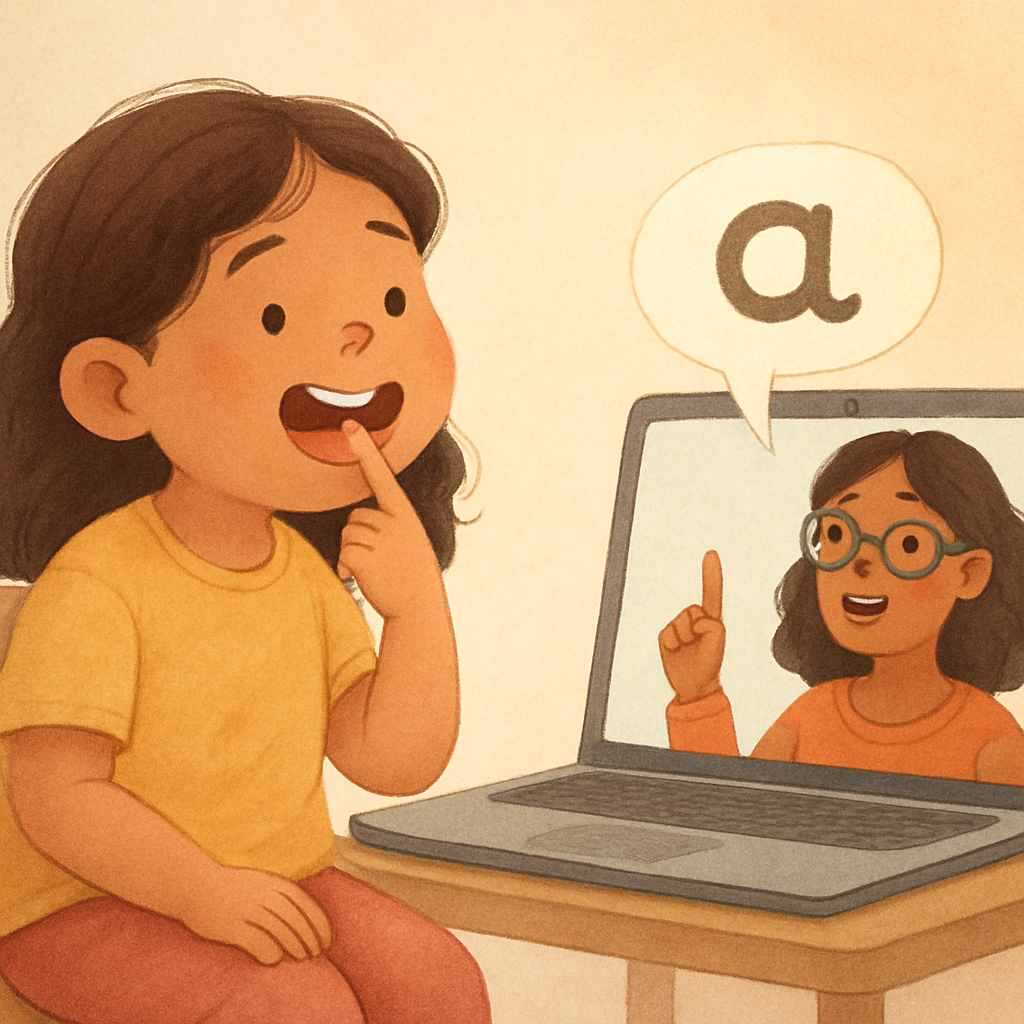
Telehealth speech therapy delivers professional services through secure video calls on a computer or tablet, eliminating the need to travel. You and your child connect with a speech pathologist who provides personalized care and engaging online activities, just like in-person sessions.
Therapists observe, assess progress, and guide exercises tailored to your child's goals. Telehealth offers the same high-quality care with added flexibility and convenience, making it easier for families to access consistent support and fit therapy into busy schedules for the best outcomes.
Key Benefits of Online Speech Sessions for Families
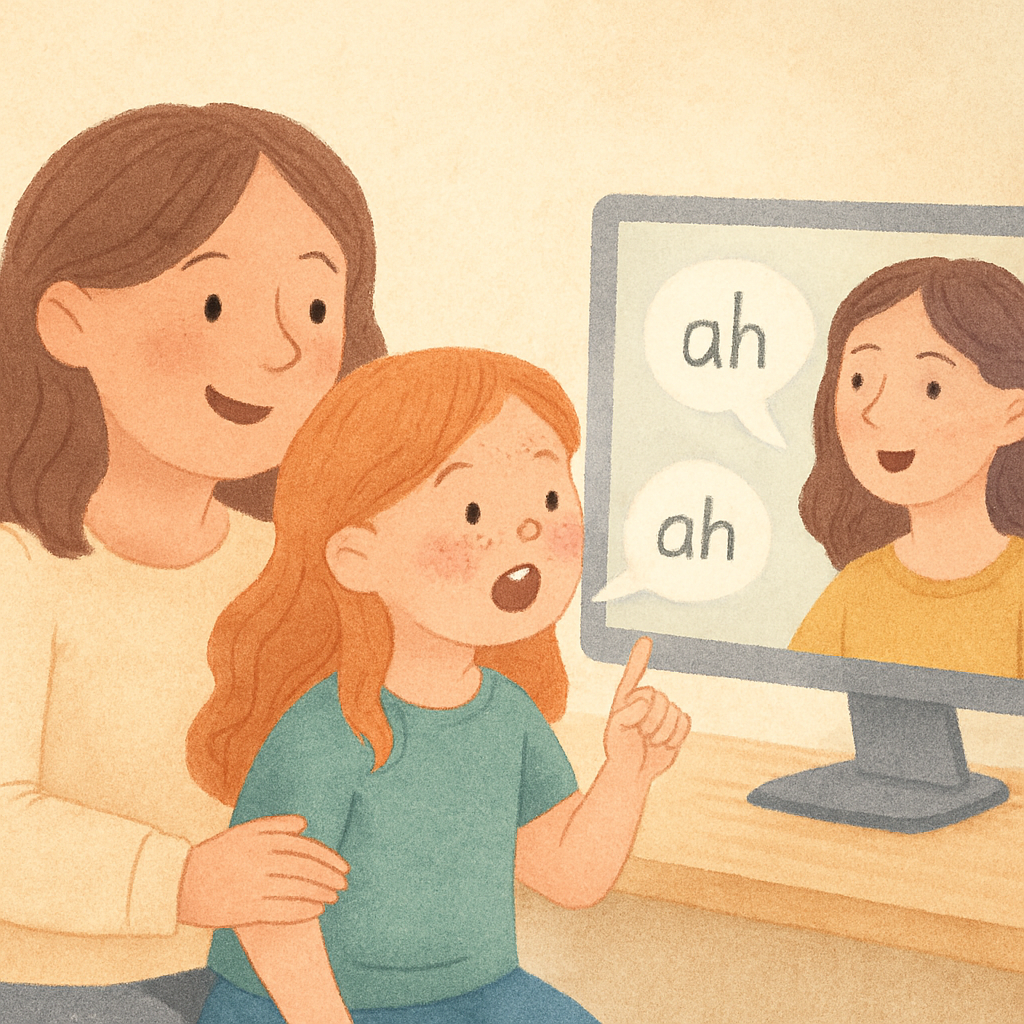
Online speech therapy offers many benefits for busy families, with convenience being a major advantage. Telehealth eliminates travel time and allows you to schedule sessions around your daily routine.
Children are often more relaxed and engaged during therapy at home, which can reduce anxiety and improve focus. Being in a familiar setting lets therapists use everyday items, making it easier for kids to apply new skills in real life.
Key benefits of online speech therapy include:
-
Access to specialists, no matter where you live
-
Flexible scheduling to fit your family’s needs
-
Therapy in your child’s comfortable home environment
-
More involvement for parents and caregivers
-
Less time and money spent on travel
Finding the Right Speech Therapist for Your Child
Choosing the right speech therapist is a crucial decision for your child's development. You want a professional with the right qualifications and clinical experience to provide effective patient care. It’s important to find a speech pathologist who connects with your child and understands their unique needs.
Whether you're looking for a local provider or a telehealth specialist, the therapist's expertise and approach are what matter most. A good therapist will conduct a thorough initial assessment and create a customized plan just for your child.
Understanding a therapist's qualifications and knowing where to look for services can help you make an informed choice.
Qualifications of Speech Pathologists in Australia
To ensure high-quality care, speech pathologists in Australia must meet rigorous professional standards. A key requirement is holding a master’s degree from an accredited program. This advanced education provides them with deep knowledge of communication disorders and evidence-based treatment methods.
Upon completing their academic accreditation, professionals must become registered with Speech Pathology Australia, the national peak body for the profession. This registration signifies that they adhere to a strict code of ethics and are committed to ongoing professional development to stay current with the latest research and practices.
The journey to becoming a certified speech pathologist involves several key steps to ensure competence and quality of care.
|
Qualification Step |
Description |
|---|---|
|
Bachelor's Degree |
A foundational undergraduate degree, often in a related field. |
|
Master's Degree |
An advanced degree in speech pathology from an accredited program. |
|
Clinical Hours |
Supervised clinical experience to gain a Certificate of Clinical Competence. |
|
Professional Registration |
Membership with Speech Pathology Australia to uphold standards. |
Choosing Between Speech Therapy Liverpool and Speech Therapy Canterbury
When looking for local services, options like speech therapy in Liverpool or Canterbury are available through private clinics and council-supported programs. For example, the City of Canterbury Bankstown offers early intervention services for children from birth to school age.
Liverpool now has more allied health providers, with new clinics offering personalized care and experienced clinicians in modern facilities.
Choose a provider based on your family's needs, considering clinician experience, service types, and accessibility. With telehealth, you can access the right therapist for your child from anywhere.
Conclusion
In conclusion, telehealth is transforming pediatric speech therapy by making it more accessible and convenient for families. Children can now connect with qualified speech pathologists from home, receiving effective support for their communication skills. Finding a therapist who understands your child’s needs and offers an engaging environment is key. Prioritizing speech development today lays the groundwork for future success.
If you’re interested in telehealth options, consider scheduling a consultation or call daar at 02 9133 2500 to learn more.
Frequently Asked Questions
Are government rebates available for speech pathology services?
Yes, government funding may be available for speech pathology services. Many providers are registered with the National Disability Insurance Scheme (NDIS), which can help cover the costs of patient care for eligible participants. It's best to discuss funding options directly with the therapy provider to understand what rebates apply.
Can adults also benefit from speech therapy via telehealth?
Absolutely. Speech therapy is not just for children. A speech therapist can create a personalized treatment plan for older adults facing communication or swallowing challenges due to neurological conditions, injuries, or other health issues. Telehealth makes these essential services accessible and convenient for adults as well.
How do I find reputable speech pathology services near me?
You can start by searching online for local private practice clinics and checking their websites for information on their clinical experience. Alternatively, telehealth providers offer access to a broad network of qualified speech pathologists, requiring only a reliable internet connection to connect with the right professional for your child.
.svg)




.svg)