
.png?width=48&height=48&name=Group%201%20(3).png)























26 January, 2026

Speech Therapy Children Canterbury: A Path to Progress
Introduction
Welcome! As a parent, you know that communication is the key to connection, learning, and independence for your child. Watching your little one grow and develop their communication skills is a wonderful journey. Sometimes, children need a little extra help along the way. This is where speech therapy can make a significant difference. If you have concerns about your child's language development, you've come to the right place to learn how professional support can unlock their potential. For families in Canterbury, there are both online and telehealth speech therapy options available. These remote services can offer flexible and convenient support tailored to your child's unique needs.
Key Highlights
-
Speech therapy provides essential support for your child's language development and communication skills.
-
A certified speech pathologist assesses your child’s speech to identify challenges with speech sounds or language.
-
Early intervention is a critical factor in helping children overcome communication difficulties and build confidence.
-
Understanding the signs of a speech or language delay allows you to seek timely and effective support.
-
Therapy creates a path for progress, helping your child connect with others and reach their full potential.
Understanding Speech Therapy for Children in Canterbury
Speech therapy is a specialized service designed to help children with a wide range of communication challenges. A speech pathologist works with your child to improve their speech development, from making sounds correctly to understanding and using language effectively. This form of language therapy provides tailored support to build skills and confidence. In Canterbury, speech therapy for children is offered in both group and individual sessions, allowing families to choose the approach that best fits their child’s unique needs.
If you have concerns about your child's speech, the first step is to talk to your doctor. They can provide a referral to a qualified speech pathologist. You can also contact local speech pathology services directly to discuss your child’s needs and how they can help.
Common Speech and Language Difficulties in Canterbury’s Children
Children in Canterbury can experience a variety of speech and language difficulties. A language delay or disorder can make it hard for them to express their thoughts or understand others. A speech disorder affects their ability to produce speech sounds correctly. Sometimes, these issues can be related to a developmental condition or hearing loss, which is why a hearing check is often recommended.
A speech-language pathologist can diagnose and treat many common issues. Some of these include:
-
Speech Sound Disorders: Trouble making certain sounds clearly, making speech difficult to understand.
-
Stuttering: A fluency disorder where sounds, syllables, or words are repeated or prolonged.
-
Apraxia of Speech: The brain has difficulty coordinating the muscle movements needed for speech.
-
Mixed Receptive-Expressive Language Disorder: Problems with both understanding language and expressing thoughts.
-
Lisping: Making a 'th' sound for an 's' sound is a common example.
Identifying these challenges early allows a therapist to create a plan that addresses your child’s specific needs and helps them communicate more effectively.
Difference Between Speech Therapy and Language Therapy
You may hear "speech therapy" and "language therapy" used interchangeably, but they address different communication needs. A speech pathologist often handles both.
Speech therapy focuses on the physical aspects of speaking—articulation, fluency (like stuttering), and voice. It’s about how sounds are made. If your child struggles with pronouncing words or clarity, speech therapy helps improve these mechanics.
Language therapy addresses understanding and using words to communicate ideas. It includes receptive language (understanding others) and expressive language (sharing thoughts). Language therapy builds vocabulary, sentence structure, and overall communication skills.
Signs Your Child May Benefit from Speech Therapy
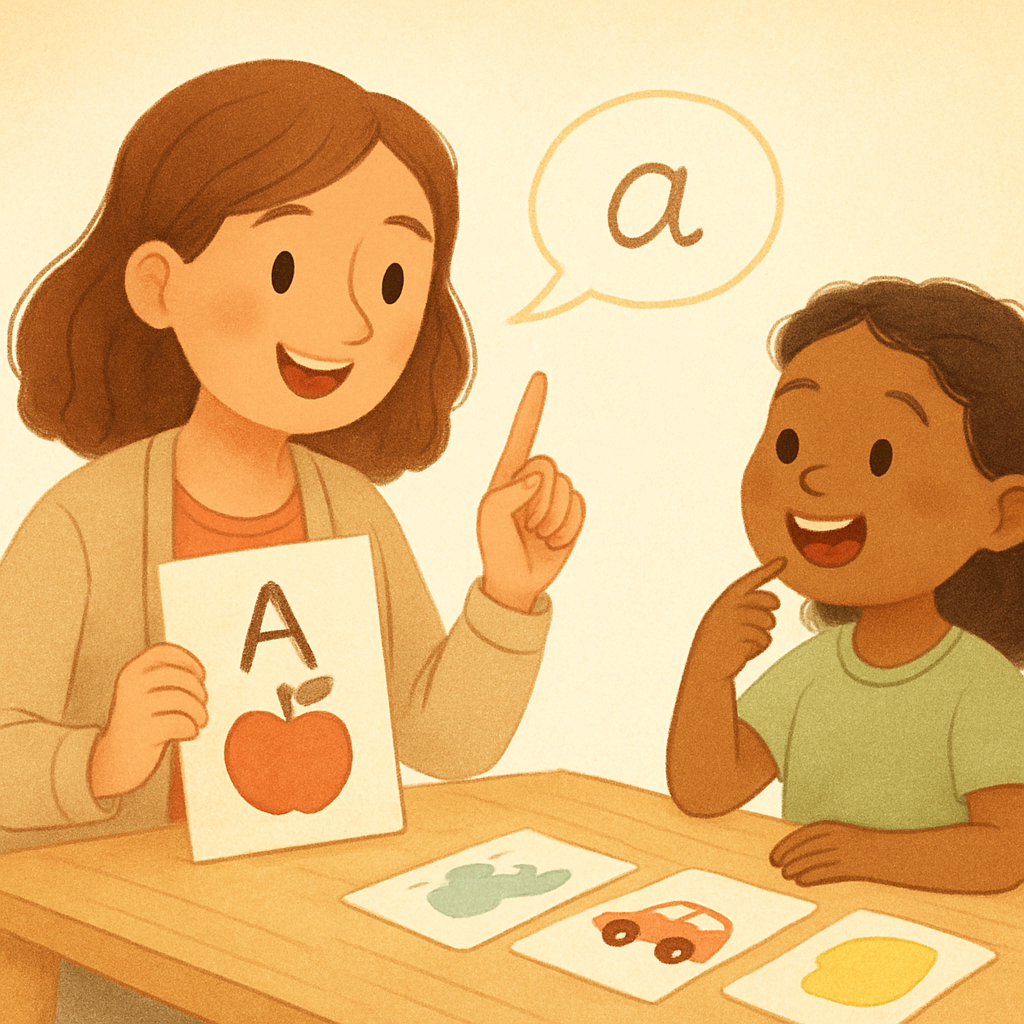
As a parent, you know your child best. If you’re concerned about their communication development, trust your instincts. Signs of speech issues can include limited babbling in infancy or a small vocabulary as a toddler.
Monitoring language milestones helps track progress. Below, we outline social communication challenges and key milestones to help you spot potential issues early.
Social Communication Challenges to Watch For
Communication goes beyond words—it’s vital for social interaction. Struggles in this area can affect your child’s ability to make friends and handle social situations, impacting their mental health. Improving social communication is a main goal of therapy.
Watch for signs your child may have difficulty with social skills, such as:
-
Trouble taking turns in conversation
-
Difficulty reading facial expressions or other non-verbal cues
-
Not participating in pretend play with others
-
Problems making or keeping friends
-
Avoiding situations that require talking
Mobile speech therapy can help children overcome these challenges. Therapists work with your child at home or school, allowing them to practice communication skills in comfortable, real-life settings.
Developmental Milestones and Red Flags
Knowing the typical developmental milestones for speech and language can help you spot a potential language delay. While every child develops at their own pace, these markers provide a general guide for tracking speech development. The first few years of life are an intensive period for acquiring these skills.
If you have concerns, you can start seeking help at any time. Early intervention is effective, and children can begin speech therapy from a very young age, even before 12 months of age, if red flags are noticed. Don't feel you have to wait. Here is a simplified table of language developmental milestones:
|
Age Range |
Key Milestones to Look For |
|---|---|
|
7 Months to 1 Year |
Babbles with long and short sounds ("tata, bibibi"), has one or two words like "Mama" or "Dada," and uses gestures like waving. |
|
1 to 2 Years |
Puts two words together ("more cookie"), points to body parts when asked, and follows simple commands ("Roll the ball"). |
|
2 to 3 Years |
Has a word for almost everything, uses two- or three-word phrases to ask for things, and is understood by familiar listeners. |
|
3 to 4 Years |
Answers simple "who, what, where, why" questions, uses sentences with four or more words, and talks about activities at school. |
If your child is not meeting these milestones, a conversation with your doctor or a speech pathologist is a great next step.
Conclusion
In conclusion, speech therapy can be a transformative journey for children facing communication challenges in Canterbury. By understanding the signs that indicate your child may benefit from therapy and recognizing the difference between speech and language issues, you can take proactive steps toward their progress. Early intervention often leads to significant improvements in speech and social skills, enhancing your child's overall development. If you suspect your child could use some support, don't hesitate to reach out for guidance.
Schedule a consultation or call daar at 02 9133 2500 today to explore the best options for your child's communication needs and set them on a path to success.
Frequently Asked Questions
What should I expect during my child’s first speech therapy session?
During the first speech therapy session, the speech language pathologist will get to know you and your child. They will likely discuss your child's development, observe how they communicate, and may use some spoken tests or play-based activities. This initial evaluation helps them understand your child’s care needs for effective early intervention.
Does NDIS cover speech therapy for children in Canterbury?
Many allied health services in Australia can be funded through different programs. To determine if your child is eligible for support for speech therapy, it is best to discuss funding options, including the NDIS, directly with your chosen speech pathology services. These health professionals can guide you through the available options.
How early can children start speech therapy?
Early intervention is highly encouraged for young children with speech problems. There is no need to wait if you have concerns. Children can start speech therapy from a very young age, even as infants, if they are not meeting key developmental milestones. The sooner support begins, the better the outcome.
.svg)




.svg)