
.png?width=48&height=48&name=Group%201%20(3).png)























6 January, 2026

Transforming Lives: The Benefits of Speech Therapy
Introduction
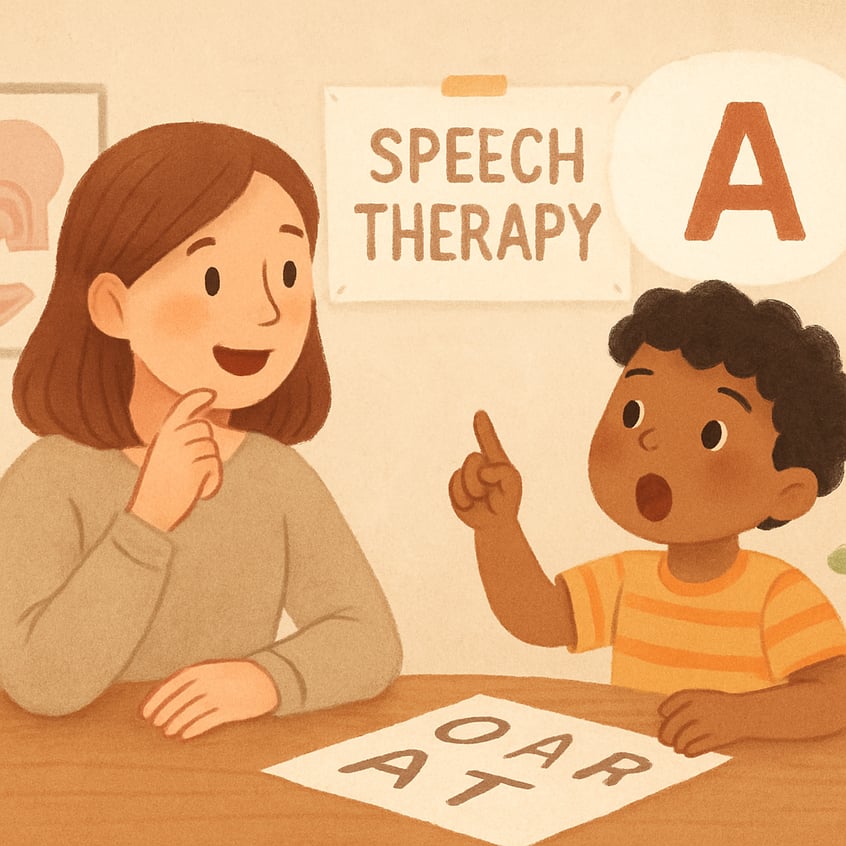
Effective communication is fundamental to our daily lives, influencing our relationships, confidence, and independence. When challenges with speech or language arise, they can impact your overall quality of life. The good news is that help is available. Speech therapy is a specialized field dedicated to improving communication skills in people of all ages. Whether for a child with developmental delays or an adult recovering from a stroke, this therapy provides the tools needed to express thoughts, understand others, and connect with the world more easily.
Key Highlights
Here are the key takeaways about the transformative power of speech therapy:
-
Speech therapy offers effective treatment for a wide range of speech disorders and language development challenges.
-
A certified speech pathologist works with people of all ages, from young children to older adults.
-
Therapy improves more than just speech; it enhances overall communication skills, memory, and even swallowing function.
-
Sessions are personalized to address specific needs, from articulation issues to cognitive-communication disorders.
-
Early intervention often leads to the best results, dramatically improving a person's quality of life.
Understanding Speech Therapy
Speech therapy is a specialized treatment to improve speech and language skills. Speech therapists, or speech-language pathologists (SLPs), diagnose and treat various communication disorders. They tailor exercises and strategies to your needs, helping you express yourself and understand others.
Speech therapy benefits people of all ages with communication challenges, from children learning to speak to adults with medical conditions. If you or your child has difficulty with speech, hearing, or language, speech therapy can help achieve clearer communication. Next, let’s look at what this therapy involves and how it differs from language therapy.
What Is Speech Therapy and How Does It Work?
Speech therapy helps you improve your speech and language skills, including memory and problem-solving. Working with a speech therapist, you'll receive treatment tailored to your specific communication needs, such as building early language skills, improving vocal quality, and enhancing comprehension.
The process begins with an evaluation by a speech-language pathologist, who will identify the cause of your communication challenges—whether from developmental delays, brain injuries, or medical conditions.
Based on this assessment, the therapist creates a personalized plan with targeted exercises and treatments to help you express yourself better and understand others more clearly. This individualized approach ensures the best possible results.
The Difference Between Speech Therapy and Language Therapy
Speech and language therapy address different communication needs, though speech pathologists handle both. Speech therapy targets sound production issues like articulation and stuttering. Language therapy focuses on understanding and expressing words—helping with receptive or expressive language disorders.
Quick comparison:
|
Focus Area |
Speech Therapy |
Language Therapy |
|---|---|---|
|
Primary Goal |
Correcting speech sounds |
Improving word use and comprehension |
|
Common Issues |
Articulation, stuttering, voice |
Limited vocabulary, sentence formation |
|
Example |
Pronouncing “r” correctly |
Following directions, telling a story |
Conditions Treated by Speech Pathologists
A speech pathologist treats a wide range of communication disorders, from common speech issues to complex problems caused by neurological or developmental conditions. They work with people of all ages, addressing challenges in speaking, understanding, and swallowing.
Whether helping a child with autism or an adult recovering from brain injury, speech pathologists create personalized treatment plans. The following sections detail specific conditions such as social communication disorders and other common speech difficulties.
Social Communication Disorders and Their Impact
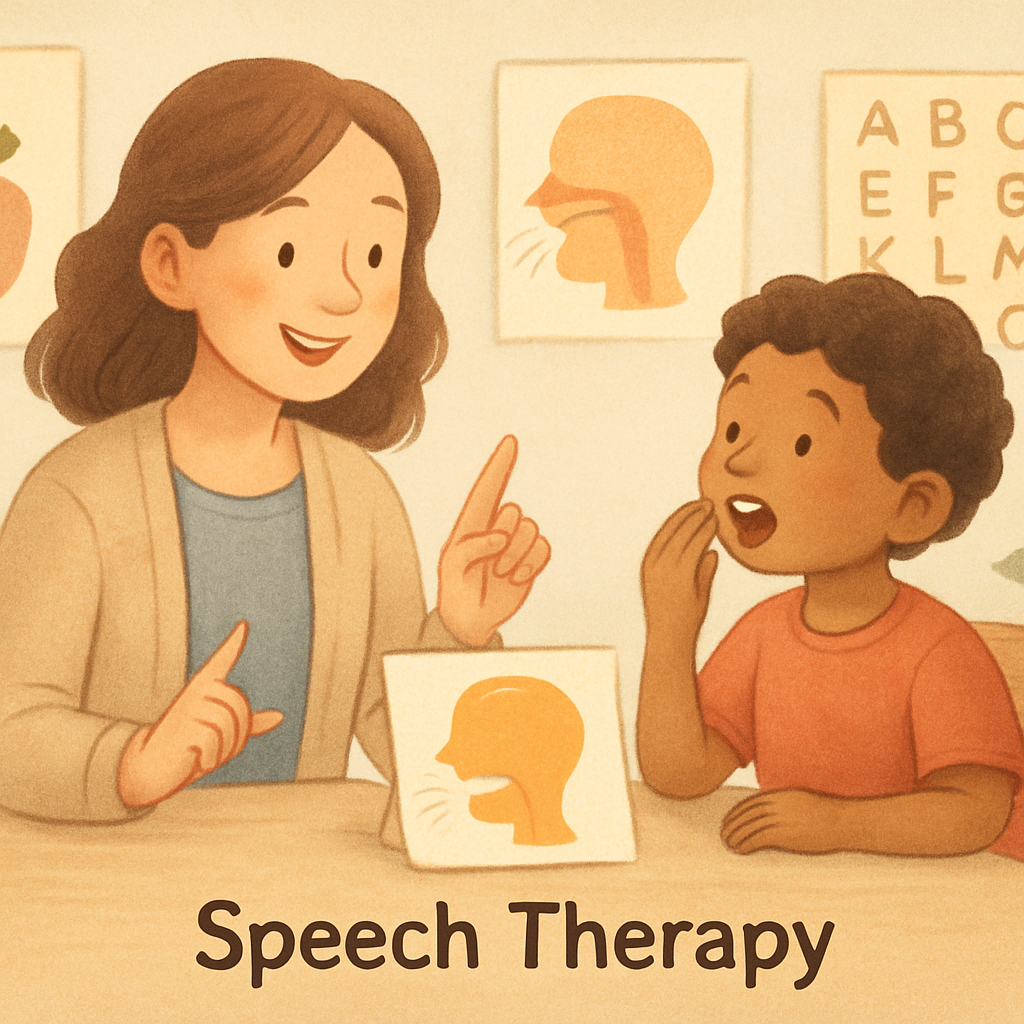
Social communication disorders cause significant challenges in social settings, affecting more than just speech. They hinder the ability to use language appropriately, making relationships and conversations difficult. Many, including autistic children, struggle with understanding social cues like body language and tone.
These disorders can lead to frustration, isolation, and problems forming friendships or succeeding at work and school.
Speech therapists can help by teaching strategies such as:
-
Taking turns during conversations
-
Using and interpreting nonverbal cues
-
Starting and ending conversations properly
-
Recognizing others’ perspectives
Other Common Speech and Language Difficulties
Beyond social communication, speech therapists treat articulation disorders (trouble pronouncing sounds, like saying "wed" for "red") and fluency disorders (interrupted speech flow, such as stuttering).
They also address voice disorders affecting pitch, volume, or quality—often from overuse, medical conditions, or vocal cord issues—and resonance disorders caused by problems like cleft palate or swollen tonsils.
Many speech and language issues are linked to other health conditions. Expressive disorders may result from developmental delays or hearing loss. Dysarthria, causing slurred speech, often follows a stroke or nervous system disorder.
Inside a Speech Pathology Session
Wondering what happens during a speech therapy appointment? Speech pathology is highly individualized and can take place in clinics, schools, or hospitals. Each session is tailored to the client’s goals—whether that’s developing language skills in children or rebuilding communication in adults.
Therapy activities are interactive and engaging. Children often participate in structured play, while adults work on practical exercises for speech, memory, or swallowing. Here’s what to expect at your first visit and some common techniques therapists use.
What to Expect During Your First Appointment
Your first appointment with a speech pathologist is an evaluation to understand your communication needs and challenges. You’ll discuss your medical history and specific concerns, giving the therapist a clear overview.
Next, you’ll complete tests assessing areas like articulation, language comprehension, voice quality, and swallowing. For children, these may feel like games; for adults, they’re more structured.
Based on the results, the therapist identifies your disorder type and severity, then creates a personalized treatment plan with tailored goals to guide future sessions.
Common Techniques and Strategies Used in Therapy
Speech therapists use various techniques tailored to each client’s age and condition. For children, early, play-based intervention keeps them engaged. Adult therapy often focuses on regaining skills lost through injury or illness.
Common methods include language intervention activities, where therapists use conversation, books, and objects to encourage language development. Articulation therapy involves modeling correct sounds and teaching clients how to position their tongues for accurate speech.
Other targeted strategies include:
-
Oral-motor exercises: Strengthening mouth muscles with facial massage and tongue, lip, and jaw exercises.
-
Voice therapy: Assisting those with hoarse voices from overuse or conditions like Parkinson’s disease.
-
Memory games: Using word searches and puzzles to support cognitive function.
-
Reading aloud: Improving the brain-mouth connection for motor speech disorders.
Conclusion
In summary, speech therapy empowers individuals with communication challenges, from children with developmental delays to adults recovering from strokes. It improves speech, language skills, confidence, and social interaction. Understanding these benefits can motivate you or a loved one to start your journey toward better communication.
If you’re interested in learning more, reach out for a consultation or call daar at 02 9133 2500 today!
Frequently Asked Questions
How long does speech therapy usually take to show results?
The time it takes to see results from speech therapy varies for each person. Progress depends on factors like age, the type and severity of the disorder, and how often you attend sessions. While it is an effective treatment, consistent practice is key to improving your communication skills.
What qualifications do speech pathologists have in Australia?
In the United States, speech-language pathologists are highly educated professionals. They must have at least a master's degree, obtain state licensure, and hold a certificate of clinical competency from the American Speech-Language-Hearing Association (ASHA). This ensures they are qualified to assess and treat communication disorders.
Is speech therapy effective for both children and adults?
Yes, speech therapy is a highly effective treatment for people of all ages. It addresses the unique communication needs of each individual, from toddlers with speech delays to seniors recovering from a stroke. The therapy is tailored to address a wide range of speech challenges at any stage of life.
.svg)




.svg)