
.png?width=48&height=48&name=Group%201%20(3).png)























22 January, 2026

Enhancing Communication Skills with Pediatric Speech Therapy
Introduction
Raising a child is a journey filled with milestones, and one of the most important is the development of communication. If you have concerns about your child's speech, you're not alone. Pediatric speech therapy is a vital resource that helps children overcome challenges with speaking and understanding language. Recognizing the signs early and seeking support can make a world of difference for your child's language development. Effective early intervention provides the tools for better communication skills and future success.
Key Highlights
-
Pediatric speech therapy is crucial for improving a child’s communication skills and overall language development.
-
Early intervention is key to addressing speech and language challenges, leading to more significant and faster progress.
-
A speech pathologist assesses a child's unique needs and creates a personalized, engaging therapy plan.
-
Therapy can address a wide range of issues, from pronunciation difficulties to social communication challenges.
-
Parental involvement and practicing activities at home can greatly enhance a child's language skills.
Understanding Pediatric Speech Therapy
Pediatric speech therapy is a specialized treatment designed to improve a child's ability to communicate. It addresses a wide range of communication disorders, from making sounds to understanding and using language. A speech-language pathologist, often called a speech pathologist or therapist, works with children to build these essential skills.
This form of language therapy is tailored to each child's specific situation. The goal is to make communication easier and more effective, enhancing their quality of life. Below, we'll explore what this therapy involves and how it supports a child's development.
What Is Pediatric Speech Therapy and Who Can Benefit?
Pediatric speech therapy helps children improve their speaking and language skills, making it easier for them to express themselves and understand others. It can also boost related abilities like memory and problem-solving.
This therapy supports children with communication disorders, including speech issues, trouble forming sentences, hearing loss, developmental delays, or autism. Speech therapists assess each child’s needs and create personalized treatment plans.
By improving language skills, speech therapy builds confidence and independence, helping children succeed in school, make friends, and better navigate daily life.
The Role of Speech Pathology in Children’s Communication
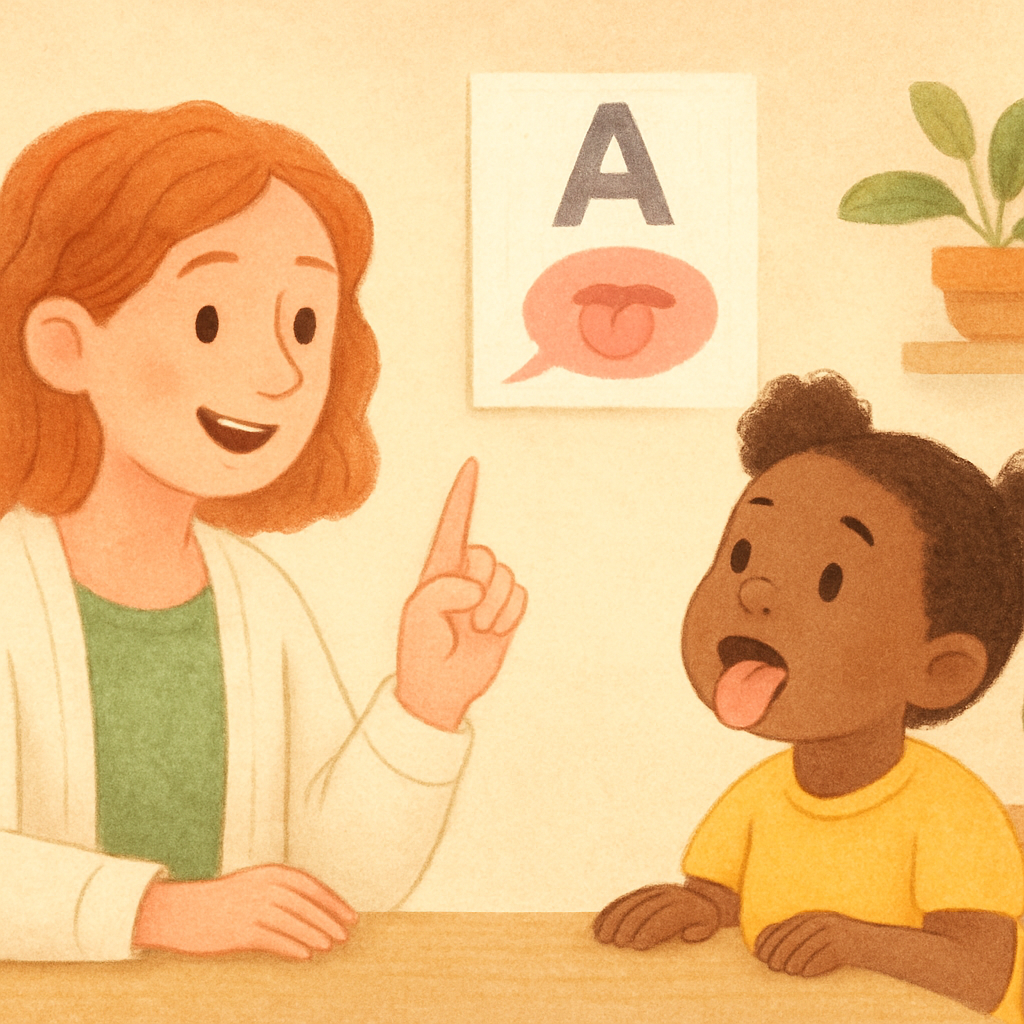
A pediatric speech pathologist is essential to a child’s communication development. They begin with a thorough assessment, using tests, observation, and family input to identify challenges.
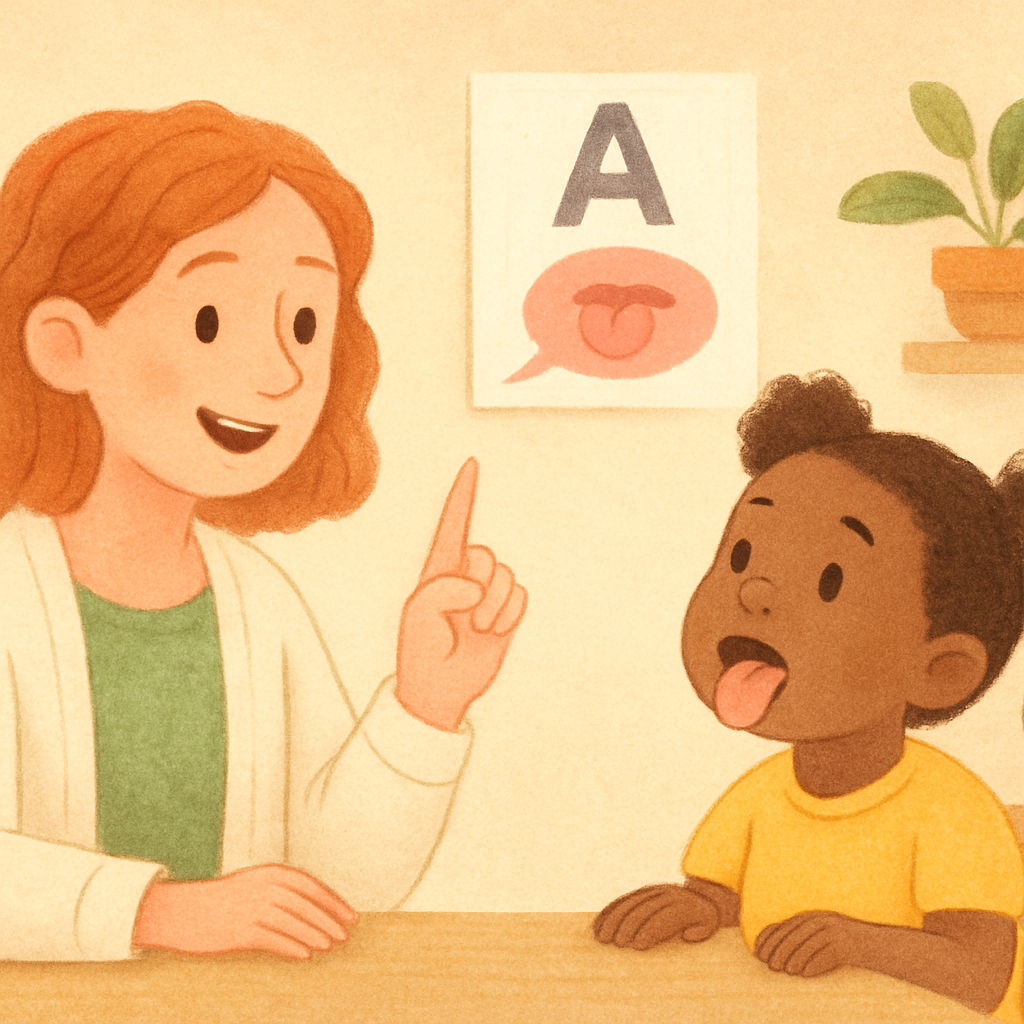
Based on the results, they create a personalized treatment plan. Therapy sessions are fun and engaging, often using games and activities to target language skills—such as board games for comprehension or sequencing tasks for thinking skills.
The goal is to make learning natural and enjoyable. Through positive reinforcement and interactive exercises, the pathologist helps your child practice sounds, expand vocabulary, and strengthen overall communication in a supportive setting.
Common Speech and Language Issues Addressed
Speech therapy can help with a variety of speech disorders and language issues. Some children may have trouble with the mechanics of speaking, while others might struggle to understand or use language to express themselves. These challenges can sometimes be linked to other conditions, such as hearing loss.
A speech-language pathologist can diagnose and treat a wide range of conditions, from articulation and fluency disorders to receptive and expressive language problems. Let's look at how to recognize these delays and what social communication challenges some children face.
Recognizing Speech and Language Delays
Every child develops at their own pace, but there are typical language milestones to monitor. Significant delays may signal a need for speech therapy. For instance, most children say their first words between 10 and 14 months.
Speech therapy can help with issues such as:
-
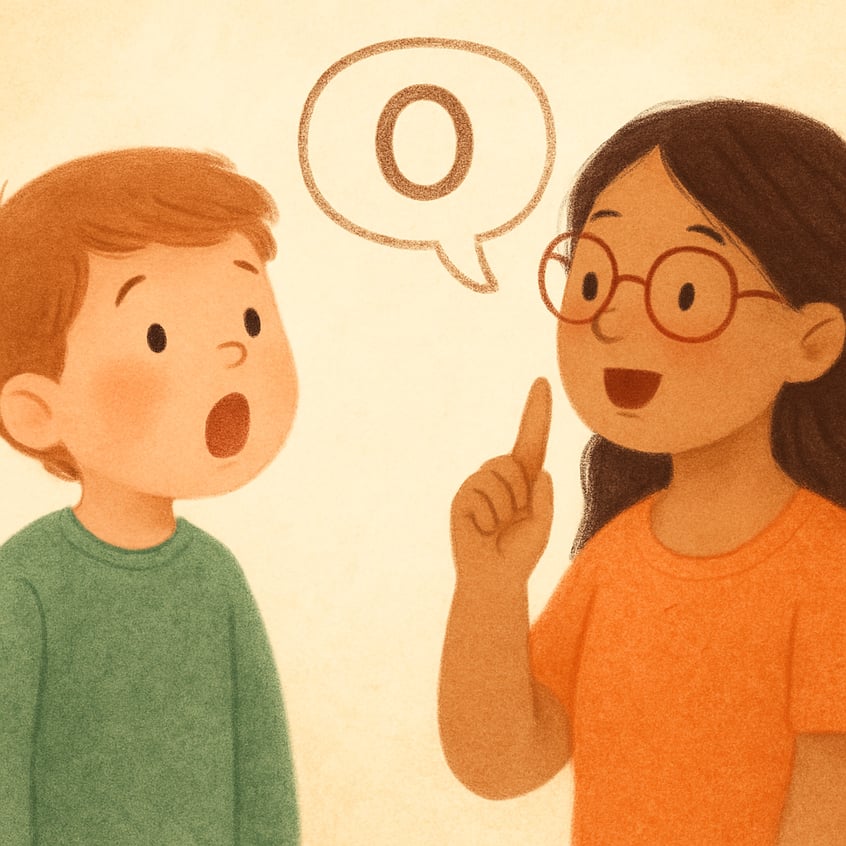
Articulation disorders—difficulty producing certain sounds
-
Expressive disorders—trouble expressing thoughts or using words
-
Receptive disorders—problems understanding others
Watch for these signs of delay:
-
Trouble pronouncing sounds or forming words
-
Difficulty putting sentences together
-
Smaller vocabulary than peers
-
Struggling to follow directions or understand questions
Social Communication Challenges in Kids
Communication goes beyond speaking; it includes how we interact with others. Some children struggle with social communication, making it hard for them to join conversations, read social cues, or express themselves in different settings.
These challenges can impact their ability to make friends and connect with peers. Therapy can help by teaching them to understand body language, facial expressions, and the unspoken rules of conversation.
Speech therapists use strategies like role-playing, storytelling, and games to practice conversations, social situations, turn-taking, and listening. The goal is to boost a child’s confidence and help them engage positively with others.
Signs Your Child May Need Speech Therapy
As a parent, you know your child best. If you have a feeling that something is affecting their ability to communicate, it’s important to pay attention. Recognizing the signs of communication problems early is the first step toward getting your child the help they need. Communication disorders and language disorders can impact a child's confidence and learning.
Fortunately, speech therapy services are available to address these challenges. Understanding what to look for can empower you to seek an evaluation and start the process. Here are some early warning signs and age-based guidelines to consider.
Early Warning Signs for Parents to Watch
Paying attention to developmental milestones is crucial for tracking your child's speech development. While every child is different, consistent delays can be a sign that a professional evaluation is needed. If you notice your child is significantly behind their peers, it may be time to consult a professional.
Frustration is another key sign. If your child knows what they want to say but can't find the words, or if they have trouble understanding others, it can lead to frustration and behavioral issues. A limited vocabulary or difficulty constructing sentences for their age are also common indicators.
Here are a few early warning signs related to your child's speech:
-
By 12 months: Not using gestures like pointing or waving.
-
By 18 months: Not saying at least six words and preferring gestures over vocalizations.
-
By 24 months: Cannot join two words together.
-
By 3 years: Speech is unclear, even to family members.
Age Recommendations for Speech Pathology Consultation
There’s no single “best” age for speech therapy—early intervention is helpful whenever concerns appear. The first five years are crucial for speech and language development. If you notice issues, consult your pediatrician, who can check for hearing loss and refer you to a speech pathologist.
Children can start therapy as early as a few months old, especially with feeding issues or developmental risk factors. The earlier therapy begins, the better the outcome due to children’s brain adaptability.
General milestones:
|
Age |
Key Milestones |
|---|---|
|
3-12 Months |
Babbles, coos, laughs, gestures (waving) |
|
12-18 Months |
Says first words; at least six words by 18 months |
|
2 Years |
Combines two words; vocabulary of 50+ words |
|
3 Years |
Forms short sentences understood by strangers |
|
4-5 Years |
Holds conversations; tells stories; uses complex sentences |
Supporting Your Child at Home
Your role as a parent is vital to your child’s progress in speech therapy. The skills learned during sessions with a therapist are most effective when they are reinforced at home. Parental involvement is a key factor in improving your child's communication abilities.
Practicing simple home activities can make a significant difference. By incorporating language-building moments into your daily routine, you help your child practice their communication skills in a comfortable and familiar setting. Let's look at some practical ways you can provide support.
Practical Activities to Encourage Speech Development
You can turn everyday moments into opportunities for speech development by talking to your child throughout the day. Narrate your actions, ask questions, and treat them as a conversation partner—even if they’re not speaking much yet.
Reading together is also highly effective. Point to pictures, name objects, and make reading a fun daily routine. Expand on what your child says; for example, if they say “car,” respond with “Yes, that’s a big, red car!” This builds vocabulary and sentence structure—key skills for academic success and social interaction.
Try these simple activities:
-
Have regular conversations and listen attentively.
-
Read age-appropriate books together every day.
-
Play word games, use puppets, or encourage imaginative play.
-
Be patient and give them chances to practice without pressure.
How Parents Can Foster Social Communication Skills
Beyond words and sentences, you can help your child develop social communication skills at home. Play is a natural way for children to learn about social interaction, such as turn-taking, sharing, and following rules.
Parental involvement is crucial for teaching nonverbal cues. Discuss emotions and explain facial expressions or body language to help your child read social situations and respond appropriately. Use play to create simple problem-solving scenarios that build thinking skills.
Try these ideas:
-
Play games that involve taking turns and following rules.
-
Use puppets or dolls to act out social situations.
-
Talk about feelings—yours, your child's, and those of storybook characters.
-
Encourage real-world interactions and limit screen time.
Conclusion
In summary, pediatric speech therapy plays a crucial role in your child's development. Early recognition of speech and language delays and timely intervention can greatly improve their communication skills. Supporting your child at home with practical activities and a positive environment encourages progress. Every child develops at their own pace—patience is essential.
To learn how pediatric speech therapy can help your child, contact us for a consultation or call us at 02 9133 2500. Start your child’s communication journey today!
Frequently Asked Questions
How long does pediatric speech therapy usually take to see improvements?
The duration of speech therapy services varies for each child. Progress depends on factors like the type of disorder, its severity, and the child's age. With consistent sessions and early intervention, some children show improvements in their communication skills within a few months, while others may need longer-term support for their language development.
Can speech therapy support children with autism or developmental disorders?
Yes, language therapy is highly effective for children with autism and other developmental disorders. A speech pathologist can address the unique communication disorders and speech disorders associated with these conditions. Therapy is tailored to help improve both verbal and nonverbal communication, social skills, and comprehension in a structured, supportive way.
What qualifications should a pediatric speech therapist have in Australia?
While specific requirements vary by country, a qualified pediatric speech pathologist generally holds a master’s degree in speech-language pathology. In Australia, they would be members of Speech Pathology Australia. In the U.S., they are often certificate holders from the American Speech-Language-Hearing Association (ASHA), ensuring they meet high professional and ethical standards.
.svg)




.svg)