
.png?width=48&height=48&name=Group%201%20(3).png)























26 January, 2026

Discover Speech Therapy for Children in Canterbury
Introduction
Watching your child grow is an exciting journey, and communication is a huge part of their development. Sometimes, children need a little extra support to find their voice. If you have concerns about your child's language development, a speech pathologist can provide the guidance and tools they need to communicate confidently. Exploring speech therapy is a positive step toward helping your child express themselves and connect with the world around them.
Key Highlights
-
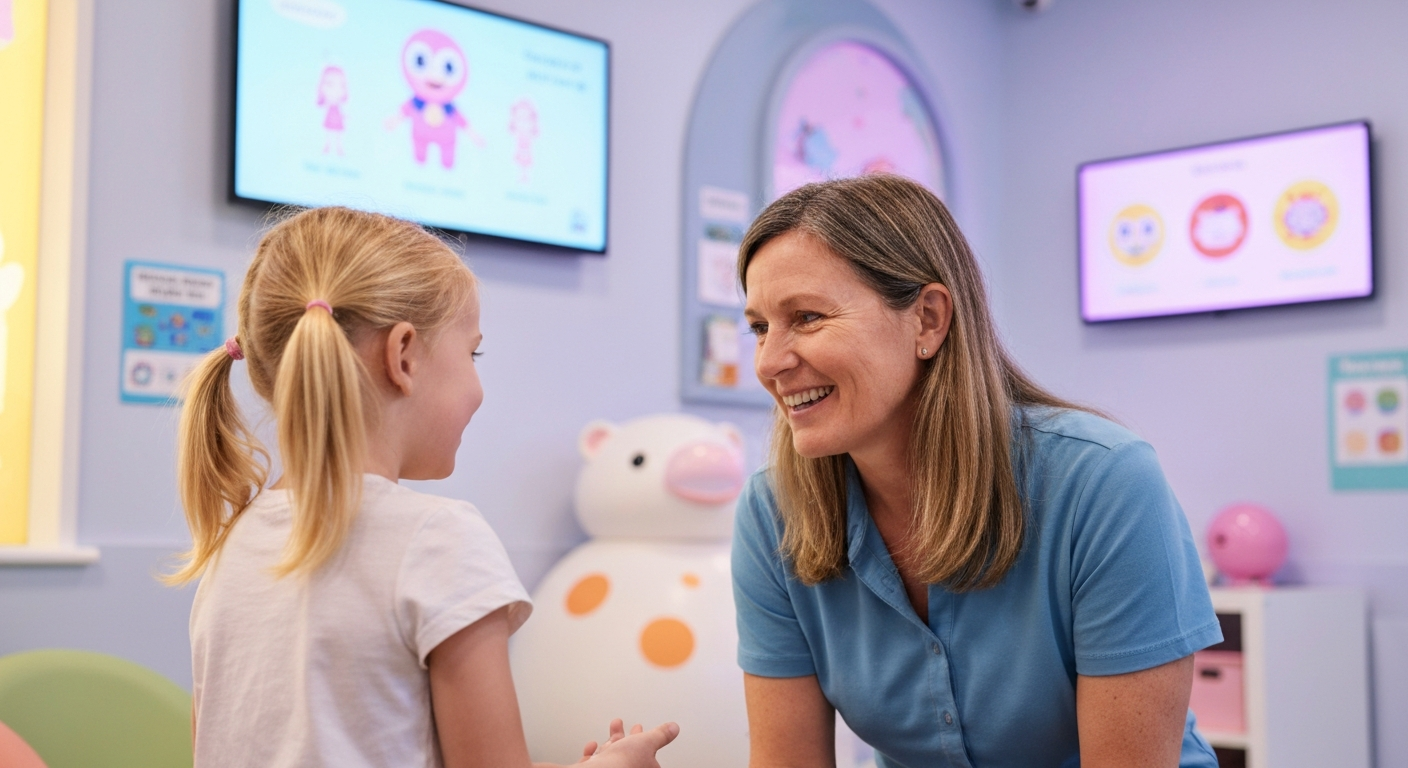
Speech therapy in Canterbury helps children with a range of communication difficulties, including making speech sounds, understanding language, and stuttering. A speech pathologist can assess your child and provide interventions that support language development and build social skills. To find a qualified speech therapist for your child in Canterbury, consider asking for recommendations from your pediatrician, local schools, or community health centers. You can also search online directories for certified professionals who specialize in treating children's speech and language needs in the Canterbury area.
-
A speech pathologist can assess your child and provide interventions that support language development and build social skills.
-
Early signs of a delay include not responding to sounds, having a limited vocabulary for their age, or preferring gestures over words. Early intervention is crucial as the brain is most receptive to learning language in the first few years of life. In Canterbury, families can choose between group or individual speech therapy sessions for children, allowing for tailored support that meets each child’s unique needs.
-
Early intervention is crucial as the brain is most receptive to learning language in the first few years of life.
-
Online and telehealth speech therapy options are available, offering effective and convenient support for children in Canterbury.
Understanding Speech Therapy for Children in Canterbury
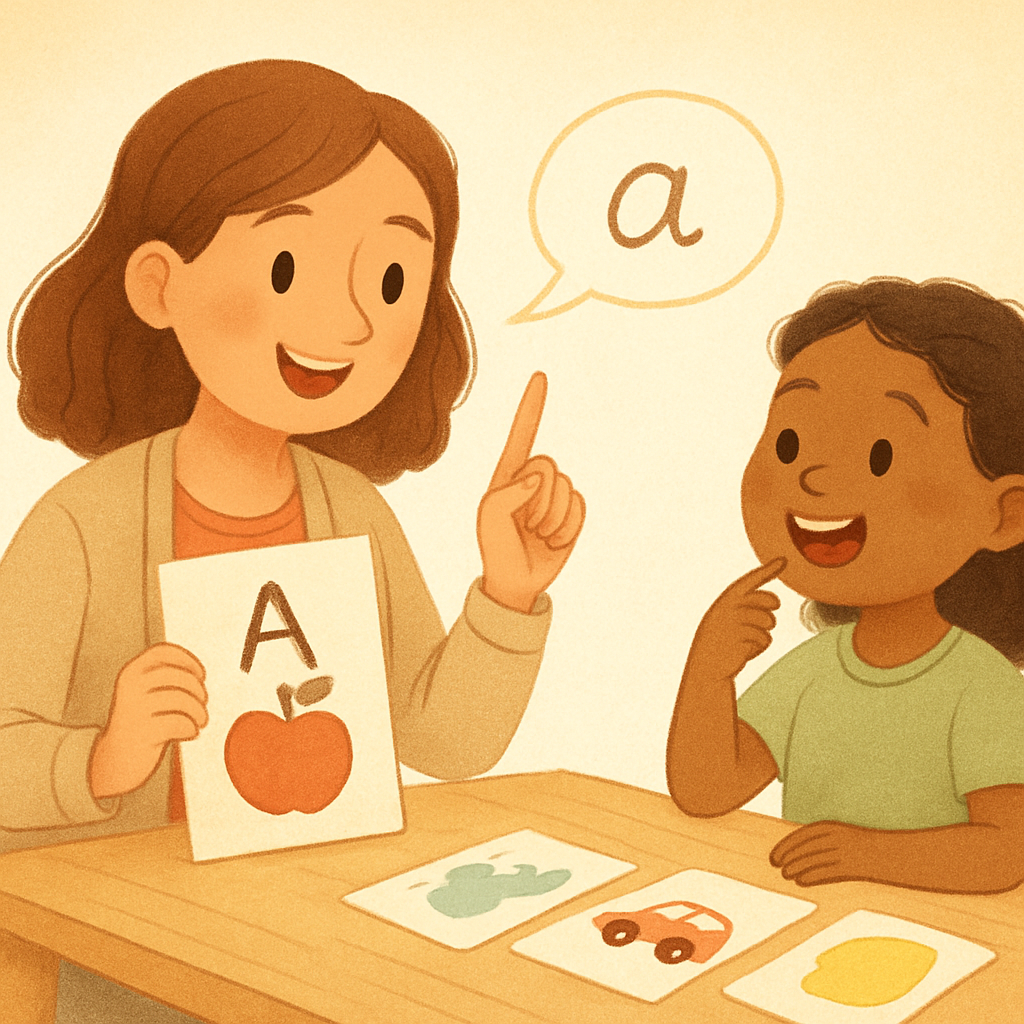
Speech therapy helps children overcome communication challenges. A speech pathologist works with families to assess and support children, from making speech sounds to developing social skills, either at home or in educational settings.
Whether a child struggles with speech (producing sounds) or language (understanding or using words), therapy offers targeted strategies to improve communication. The goal is to help your child express their thoughts and ideas clearly. Let’s take a closer look at how speech therapy works and its benefits.
What Is Speech Therapy and How Does It Support Social Communication?
Speech therapy, provided by speech pathologists, goes beyond correcting lisps—it builds the foundation for all communication. Speech involves verbal expression, while language is about understanding and being understood; therapy targets both.
Improving these skills is crucial for better social interaction. When children can express themselves and understand others, their confidence and social skills grow. Therapists help with conversation, nonverbal cues, and peer interactions, leading to stronger social connections.
Speech Pathology Australia sets standards to ensure quality care. Therapists focus on individual goals—like articulating sounds or forming sentences—to help children connect more effectively with others.
Common Speech and Language Challenges in Children
Many children experience speech problems, ranging from limited vocabulary (language delay) to difficulty forming words (speech disorder). These issues can make their speech hard to understand.
Common challenges include:
-
Speech sounds: Trouble pronouncing certain sounds or syllables.
-
Talking: Difficulty forming phrases and sentences.
-
Understanding: Struggling to follow directions or grasp what others say.
-
Stuttering: Repeating or hesitating over sounds and words.
Language disorders and apraxia of speech can cause significant delays or make it hard for children to coordinate the movements needed for speech. A speech pathologist can help assess and address these concerns.
When Should Parents Consider Speech Therapy?
As a parent, you know your child best. If you have a gut feeling that your child’s speech or communication isn't developing as you'd expect, it's always a good idea to seek parental guidance from health professionals. Trusting your instincts and addressing concerns early can make a significant difference in your child's care.
There's a wide range of "normal" in development, but certain signs can indicate that extra support from speech therapy might be beneficial. Let's explore some of the specific early signs to watch for and understand why early intervention is so effective.
Early Signs That Your Child May Benefit from Speech Therapy
Early recognition of communication challenges is crucial for getting your child the right support. Comparing your child's progress to developmental milestones can help identify delays. For example, a baby who doesn't respond to sound or a toddler who isn’t pointing should be evaluated.
Sometimes speech delays stem from hearing problems, so rule those out first. Other times, the issue may involve expressive language skills. Watch for these signs:
-
By 18 months, your child prefers gestures over vocalizing.
-
By age 2, they only imitate speech and don’t use words spontaneously.
-
By age 2, they can’t follow simple directions.
-
At age 4, their speech is still hard for strangers to understand.
If you notice any of these signs, talk to your child’s doctor. They can refer you to a specialist for evaluation.
How Early Intervention Improves Social Communication Skills
Starting speech therapy early is key to supporting your child's speech development. The first three years are a critical period for language learning, as the brain grows rapidly.
Early intervention helps children reach speech and language milestones, improves social skills, and reduces frustration. It also fosters positive interactions with family and peers.
Addressing challenges early gives your child a strong foundation for learning and social success, helping them reach their full potential with confidence.
Conclusion
In conclusion, understanding and addressing your child's speech and language needs can pave the way for their social communication skills to flourish. Speech therapy not only aids in overcoming common challenges but also fosters confidence and effective interaction with peers and family. By recognizing early signs and seeking timely intervention, you empower your child to express themselves clearly and develop crucial life skills. If you're considering the best options for your child, don't hesitate to reach out for assistance.
Discover how our services can make a difference; book a consultation or call daar at 02 9133 2500 today to learn more!
Frequently Asked Questions
What Should I Expect During My Child’s First Speech Therapy Session?
During the first speech therapy session, the speech pathologist will get to know you and your child. They will likely conduct an assessment to evaluate your child's communication skills. This may involve talking, playing, and using special tests to understand their strengths and challenges with language skills.
Does NDIS Cover Speech Therapy for Children in Canterbury?
Yes, you can use NDIS funding for speech pathology services. Whether for in-person or telehealth appointments, the NDIS can cover allied health services like speech therapy for eligible children in Canterbury. It's best to speak with your NDIS planner or support coordinator for more specific information about your plan.
How Can Mobile or Online Speech Therapy Services Benefit My Child?
Mobile and online therapy offer flexibility and convenience for your child’s care. These services bring speech therapy directly to you, saving travel time and allowing your child to learn in a familiar environment. For online sessions, a speech therapist can effectively address communication difficulties using interactive digital tools.
.svg)




.svg)