
.png?width=48&height=48&name=Group%201%20(3).png)























28 January, 2026

Voice Disorder Explained: What You Need to Know
Introduction
Have you ever experienced a change in your voice that made it hard to speak? You're not alone. Voice disorders are common conditions that affect the way your voice sounds, influenced by factors such as geographic location. They happen when there's an issue with your voice box (larynx) or the vocal cords inside it. The prevalence of voice disorders is significant, impacting many people's ability to communicate effectively. This guide will walk you through everything you need to know about these conditions, from what they are to how they are treated.
Key Highlights
-
Voice disorders affect your ability to speak clearly, changing your voice's quality, pitch, or loudness.
-
The main types of voice disorders are functional (improper use), organic (physical changes), and neurologic (nerve-related issues).
-
Common symptoms include hoarseness, gastroesophageal reflux disease, a raspy or weak voice, vocal fatigue, and pain when speaking.
-
The prevalence of voice disorders is high, with overuse being a primary cause, especially in professions that require a lot of talking.
-
A treatment plan often includes voice therapy with a speech-language pathologist, though some cases may need medication or surgery.
Understanding Voice Disorders
A voice disorder is any problem that changes the vocal quality, pitch, or loudness of your voice, making it difficult to speak clearly. Normally, your voice is produced when air from your lungs makes your vocal cords vibrate. When something interferes with this process, your voice quality can change.
These issues can range from temporary hoarseness to more complex conditions like muscle tension dysphonia, which can also affect vocal range. Understanding what causes these changes is the first step toward finding a solution. Let's explore what defines a voice disorder and how it differs from other communication challenges.
Definition of Voice Disorder
A voice disorder occurs when your voice’s quality, pitch, or volume differs from what’s normal for your age, gender, or cultural background. Normally, air from your lungs passes over the vocal folds—two muscle bands in your voice box—which vibrate to produce sound. A disorder, such as vocal fold paralysis, disrupts this process due to issues with the vocal folds’ structure, their muscles, or the nerves controlling them.
This leads to a voice that may sound strained, breathy, weak, or hoarse. Unlike temporary changes from a cold, a voice disorder persists and affects your ability to speak clearly.
How Voice Disorders Differ from Speech Delay and Other Communication Issues
It's easy to group all speaking difficulties, but voice disorders are distinct from other communication disorders. A voice disorder specifically relates to the production of sound. The problem lies in the quality, pitch, or loudness of the voice itself, which may differ or be inappropriate for an individual’s age, and originates from the voice box.
In contrast, a speech disorder involves problems with the articulation of sounds or the fluency of speech. For example, someone with a speech disorder might have trouble forming specific sounds to make words or may experience interruptions in the flow of speech, like stuttering. Speech delay in children is another type of communication issue, where a child doesn't develop speech at the expected rate.
While both are types of communication disorders that can impact a person's ability to be understood, they affect different parts of the communication process. A voice disorder is about the sound source, while a speech disorder is about how that sound is shaped into words.
Key Terms: Cluttering, Dysarthria, Apraxia of Speech, and Stuttering Explained
To understand communication disorders, it’s important to distinguish them from voice issues. Though they may overlap, these are mainly speech disorders with different causes and symptoms. Recognizing the differences helps ensure accurate diagnosis.
Common speech disorders include:
-
Stuttering: A fluency disorder marked by repetitions, prolongations, or blocks in speech.
-
Cluttering: Speaking too quickly or irregularly, making speech hard to follow.
-
Dysarthria: Slurred or mumbled speech caused by muscle weakness affecting speech control.
-
Apraxia of Speech: Difficulty planning and coordinating the muscle movements for speech, even though the person knows what they want to say.
Types of Voice Disorders
Voice disorders can be grouped into several main categories based on their cause, including functional dysphonia and auditory masking. These classifications help medical professionals determine the best course of treatment. The primary types are organic, functional, and neurologic voice disorders. Some issues can also be psychogenic, meaning they are related to psychological factors.
Often, these categories can overlap. For instance, a functional issue could lead to an organic one over time. Understanding these different types, from organic voice disorders to those requiring voice therapy, is key to addressing the specific voice problem you may be facing.
Functional vs. Organic Voice Disorders
Functional voice disorders occur when the vocal anatomy, including the true vocal folds, is normal but used incorrectly, often due to poor vocal habits or muscle tension.
Functional voice disorders occur when the vocal anatomy is normal but used incorrectly, often due to poor vocal habits or muscle tension.
Organic voice disorders result from physical changes or structural problems in the larynx—such as swelling, nodules, polyps, or other lesions—that directly affect vocal fold vibration and voice quality.
A functional disorder can sometimes lead to an organic one; for example, chronic muscle tension (functional) may cause nodules (organic).
|
Functional Voice Disorders |
Organic Voice Disorders |
|---|---|
|
Caused by improper voice use and issues with laryngeal musculature |
Caused by structural changes in the voice box |
|
Vocal anatomy appears normal |
Visible abnormalities like nodules or swelling |
|
Examples: muscle tension dysphonia, vocal fatigue |
Examples: vocal fold nodules, cysts, laryngitis |
Neurologic Voice Disorders: Dysarthria and Apraxia of Speech
Neurologic voice disorders occur when nerve signals controlling the larynx are disrupted. Conditions like dysarthria and apraxia of speech affect voice and speech due to issues in the nervous system.
These disorders may result from brain injury, stroke, Parkinson’s disease, or other neurological problems. They impair muscle control needed for speaking, impacting voice and communication.
Symptoms vary but often include weak, slurred, or uncoordinated speech. Treatment involves managing the underlying condition and using therapy to improve vocal function.
Psychogenic Voice Disorders
Sometimes, normal voice production problems aren't caused by physical or neurological issues. Psychogenic voice disorders stem from psychological factors like stress, anxiety, depression, or trauma. In these cases, the vocal cords and larynx are healthy, but the voice is still affected.
Symptoms can range from total loss of voice (aphonia) to a strained or whispered voice, often appearing suddenly after a stressful event. The problem reflects underlying emotional struggles.
Treatment typically involves both voice therapy with a speech-language pathologist and counseling with mental health professionals to address emotional causes. Managing psychogenic voice disorders means treating both the voice symptoms and their psychological triggers.
Pediatric Voice Disorders and Their Unique Aspects
Voice disorders affect children too, often due to vocal overuse like yelling or loud talking. This can cause benign lesions called vocal fold nodules ("singer's nodes" or "screamer's nodes"). Symptoms include a persistently hoarse, raspy, or breathy voice, which can impact social interactions and self-esteem.
Diagnosis and treatment focus on educating families about healthy voice habits. Voice therapy—using fun, engaging exercises—is usually the first step and often resolves the issue without further intervention.
Recognizing Symptoms of Voice Disorders
How do you know if you have a voice disorder? The signs can be subtle or very noticeable. Common voice disorder symptoms include changes in your voice's quality, such as hoarseness, raspiness, or a weak voice. In the United States, you might also experience vocal fatigue, where your voice gets tired easily after speaking.
The prevalence of voice disorders means many people experience these symptoms. A systematic review of existing literature highlights the importance of paying attention to these changes isas the first step toward getting help. The following sections will detail the specific signs to watch for in both adults and children.
Early Signs to Watch For
Catching a voice issue early can make a big difference in treatment and recovery. If you notice any persistent changes in your voice, it's important to pay attention. These early voice disorder symptoms can be an indication that something is affecting your vocal health.
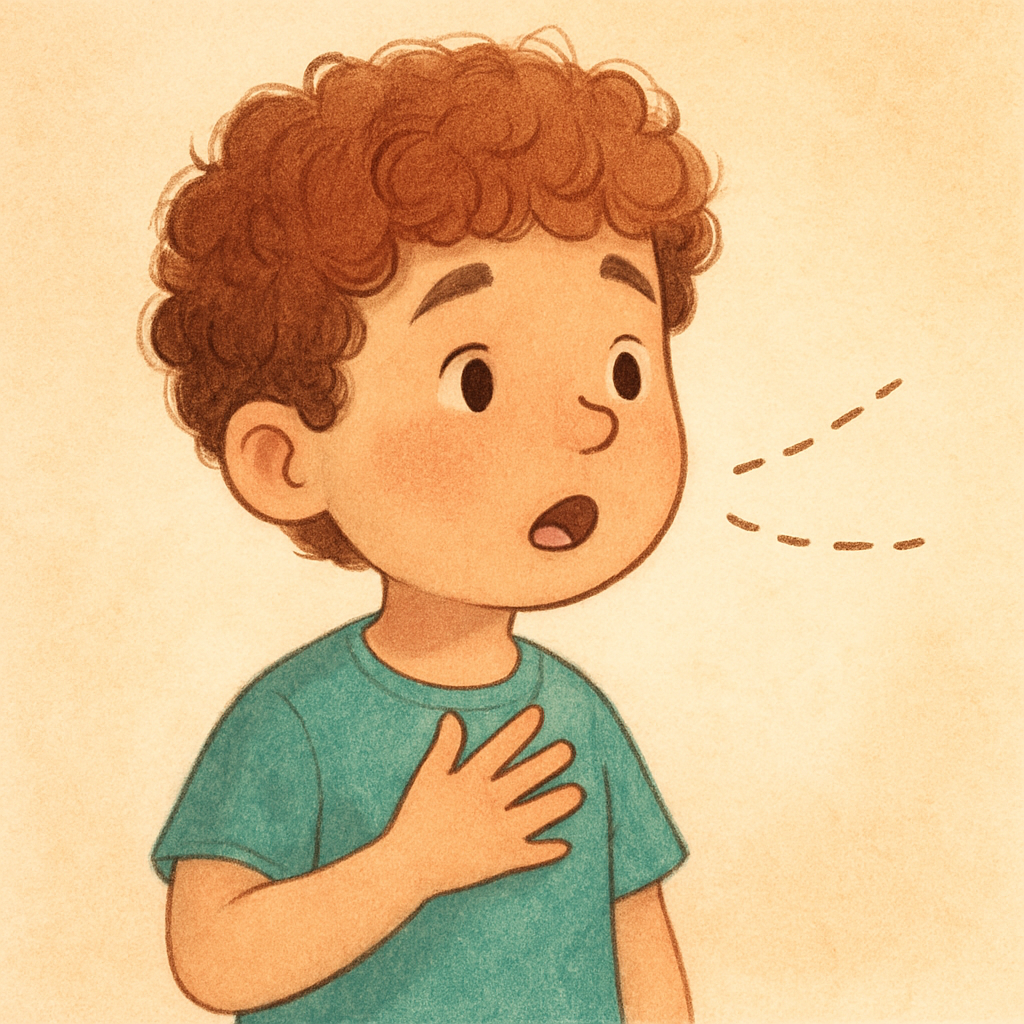
Don't ignore signs that last for more than a couple of weeks, especially if you haven't been sick. Some of the most common early warnings include:
-
A voice that sounds hoarse, raspy, or strained.
-
A voice that is breathy or airy.
-
Feeling pain or a lump in your throat when you speak.
-
Experiencing vocal fatigue or feeling like it takes a lot of effort to talk.
-
Frequent throat clearing.
-
Changes in your pitch, such as your voice becoming too high or too low.
-
Losing your voice or having it "break" or "crack" often.
Recognizing these changes can help you seek help sooner, which can lead to better outcomes and prevent your voice quality from getting worse.
Symptoms in Children and Adults
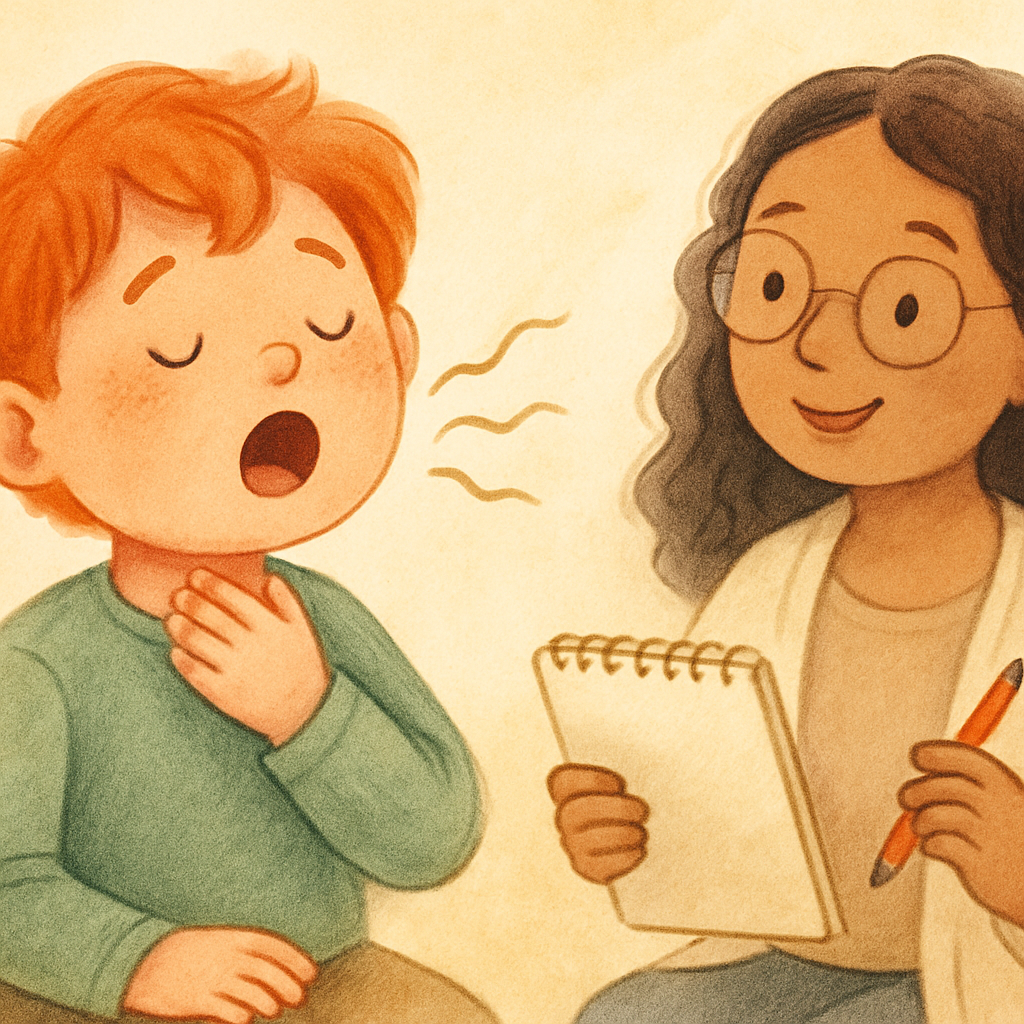
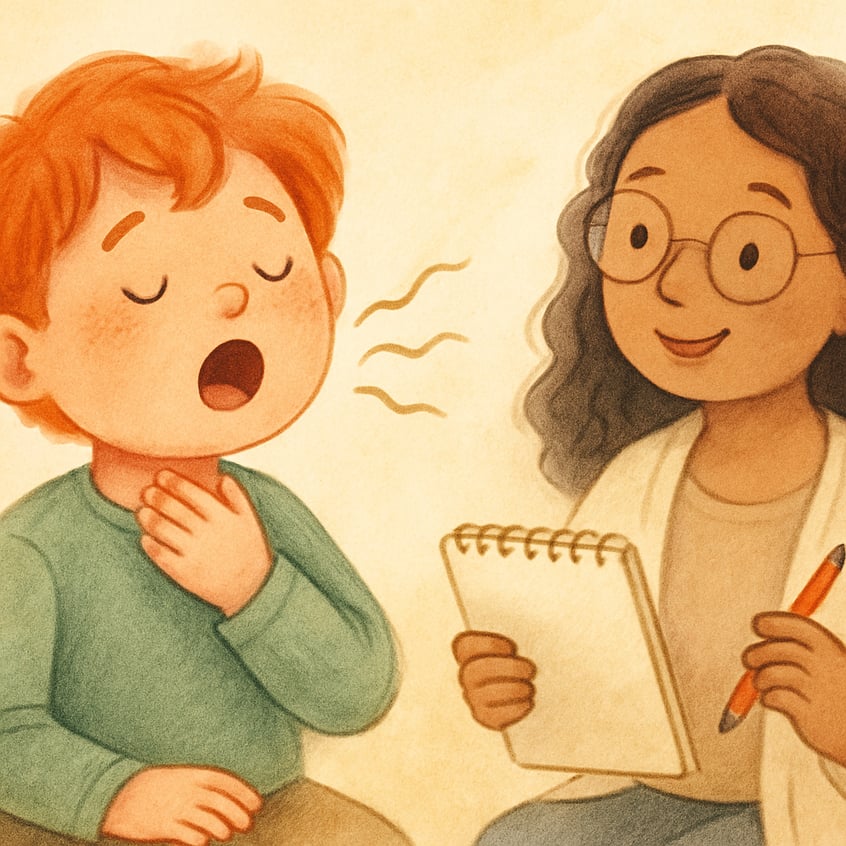
Voice disorder symptoms can appear differently in children and adults. In children, persistent hoarseness is common but often overlooked, as parents may dismiss a raspy voice as normal. However, it can signal an underlying issue.
In adults, symptoms like vocal fatigue or trouble projecting the voice can directly impact work and daily life, sometimes leading to frustration or isolation.
Any unexplained voice change lasting more than two to three weeks should be checked by a professional. Early evaluation helps prevent long-term damage and ensures proper treatment.
Overlap with Speech Delay or Stuttering
Vocal problems can occur alongside other communication disorders, such as stuttering or speech delay. Although these are separate issues, they may affect each other. For example, someone who stutters might develop throat tension from trying to speak smoothly, leading to vocal fatigue or hoarseness—signs of a voice disorder.
Likewise, a child with a speech delay may develop poor vocal habits by not using their voice typically. While these conditions often co-occur, they require different treatments. A thorough evaluation can identify all contributing factors.
A speech-language pathologist can determine if the main issue is a voice disorder, a speech disorder, or both. This ensures the treatment plan addresses every aspect of the person’s communication challenges.
Common Causes of Voice Disorders
What leads to a voice disorder? The causes are varied and can be grouped into a few main categories. Physical causes, such as overusing your voice, are the most common reason people develop issues. This is especially true for teachers, singers, and others in the general population who talk a lot for their job.
Other causes can be neurological, stemming from problems with the nerves that control your vocal cords. Growths like vocal nodules are also a frequent cause. The following sections will explore these risk factors in more detail, from physical injury to neurological conditions., as highlighted by the American Academy of Otolaryngology.
Physical Causes: Overuse and Injury
The most common cause of voice disorders is overusing your voice, known as phonotrauma. Yelling, singing without proper technique, or talking too much can strain your vocal cords and may lead to laryngeal obstruction and muscle tension around the larynx. Over time, this may cause vocal nodules—small, callous-like growths that disrupt normal vibration and result in a hoarse or breathy voice.
Fortunately, many voice issues from overuse can be treated with voice therapy. A speech-language pathologist can teach you healthier vocal habits to prevent injury and support healing.
Neurological Causes Including Brain Injury
Your voice is controlled by nerves that send signals from your brain to your larynx. Damage to this system can cause neurological voice disorders. Brain injuries, strokes, or conditions like Parkinson's disease and multiple sclerosis can disrupt these signals.
This disruption may lead to problems such as spasmodic dysphonia, which causes involuntary spasms in the voice box muscles and results in a strained or choppy voice. Vocal cord paralysis, where one or both vocal cords can't move properly, can cause a weak, breathy voice and breathing issues.
Treatment focuses on managing the underlying neurological condition while using targeted therapies to improve voice function.
Contributing Factors: Lifestyle, Gender, and Occupation
In addition to direct causes, numerous contributing factors can elevate your risk of experiencing a voice disorder. Elements such as your occupation, lifestyle choices, gender, and general health all influence your vulnerability, with certain behaviors and careers placing extra strain on your voice and heightening your susceptibility to complications.
By recognizing these risk influences, you can take proactive measures to safeguard your vocal health. The primary contributing factors include:
-
Occupation: Jobs demanding heavy vocal use—including teachers, actors, singers, and telemarketers—frequently report higher rates of voice issues.
-
Lifestyle: Activities like frequent alcohol consumption and smoking can aggravate the vocal cords, increasing the likelihood of disorders.
-
Gender and Age: Women, especially those beyond age 60, face an elevated risk for developing voice-related problems.
-
Medical Conditions: Persistent acid reflux (GERD), neurological disorders, thyroid concerns, and allergies may also play a significant role in voice difficulties.
Diagnosis and Assessment of Voice Disorders
If you're experiencing persistent voice changes, getting an accurate diagnosis is the first step toward recovery. The process usually starts with a visit to your primary health care provider, who may refer you to a specialist like a speech-language pathologist (SLP) or a laryngologist. The assessment involves a thorough review of your patient history and a physical examination.
This detailed evaluation is crucial for the effective management of voice disorders. It helps medical professionals understand the cause and severity of the disorder related to your voice problem so they can create a tailored treatment plan. Let's look at the steps involved in this process.
Steps in Clinical Evaluation
A clinical evaluation for a voice disorder is a comprehensive process designed to identify the cause of your symptoms. Medical professionals will gather information about your voice, health, and lifestyle to make an accurate diagnosis. This helps in creating an effective plan for improving your vocal health.
The evaluation typically involves several key steps. Your provider will guide you through each one to get a complete picture of your situation.
-
Taking a Patient History: You'll discuss your symptoms, when they started, and how they affect your daily life. Your provider will also ask about your medical history, job, and vocal habits.
-
Perceptual Voice Assessment: The clinician will listen closely to your voice quality, pitch, and loudness as you speak.
-
Physical Examination: This includes an examination of your head, neck, and throat to check for any physical signs of a problem.
-
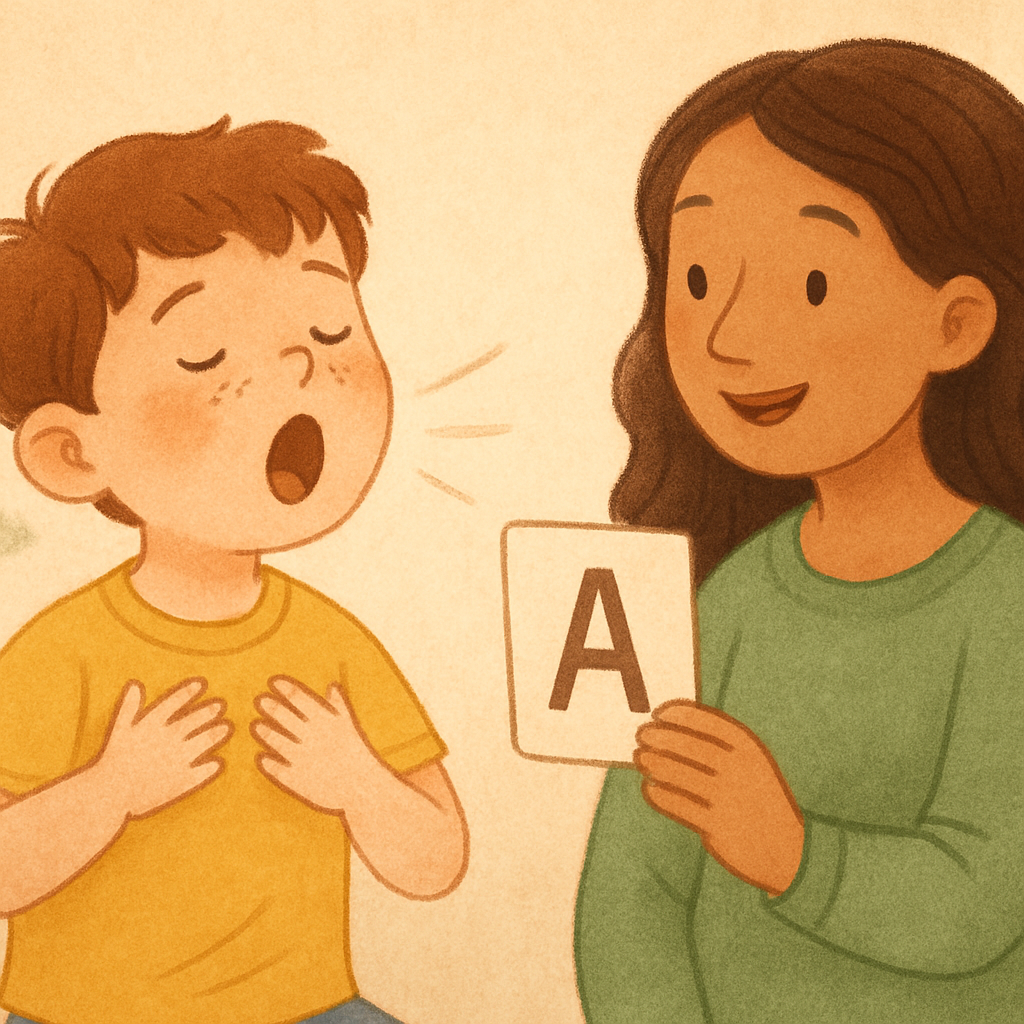
Vocal Tasks: You may be asked to perform certain vocal exercises, like holding out sounds or speaking at different pitches, to assess your vocal function.
Tests and Tools Used by Professionals
To find out what is wrong with your voice box, doctors use special tests and tools. These help them see the parts of your larynx and watch how they work when you talk. Seeing these details helps doctors know what is causing your voice trouble.
One common test is called a laryngoscopy. For this, a thin tube with a small camera goes into your throat to look at your vocal cords. Additionally, there is also a newer test called videostroboscopy. This uses a bright flashing light to make a slow-motion video of your vocal cords moving, which can be complemented by techniques like Lax Vox. With this, the doctor can spot small problems and strange movements.
Sometimes, another test called laryngeal electromyography (LEMG) checks the nerve signals in the recurrent laryngeal nerve muscles of your voice box. All these tools are very important for finding out what is wrong and choosing the best way to treat it. Treatment might include muscle training or an operation if needed.
When to Seek Help for Voice Changes
It can be hard to tell if a hoarse voice is just temporary or a sign of something more serious. If your voice change lasts longer than two to three weeks or doesn't return to normal after a cold or heavy use, see a healthcare provider.
Don't wait for symptoms to worsen—early diagnosis and treatment can prevent complications and may help you avoid surgery. Even mild symptoms should be checked.
Consult your primary care doctor or an ENT specialist. They can identify the cause and recommend the right treatment, whether that's rest, therapy, or another approach.
Living with a Voice Disorder
Living with a voice production disorder can be challenging. A persistent voice problem can impact your ability to communicate at work, at home, and in social situations, affecting your overall quality of life. The frustration of not being able to express yourself clearly can be isolating and take a toll on your mental health.
However, there are many ways to manage a voice disorder and improve your ability to communicate. From therapies like conversation training therapy and expiratory muscle strength training to practical daily tips, you can take steps to live well with a voice problem.
Impact on Daily Life and Communication
Voice disorders impact much more than just your ability to speak clearly. They can disrupt daily life, affect emotional well-being, and make professional and social interactions challenging. You may feel frustrated, anxious, or isolated, and struggle with a loss of identity. For children and those over 65 years of age, voice disorders can lower self-esteem and hinder participation in school and friendships.
Effective treatment focuses on overcoming these challenges. Improving communication restores confidence and greatly enhances the quality of life.
Tips for Improving Quality of Life
If you have a voice disorder, there are steps you can take to improve your quality of life and manage symptoms. Consistent habits and professional guidance are key—always follow your treatment plan.
Alongside formal care, these self-care tips can help:
-
Drink plenty of water.
-
Rest your voice when it feels strained.
-
Practice exercises from voice therapy, like the accent method.
-
Avoid smoking, secondhand smoke, and excessive alcohol.
-
Manage stress to reduce tension.
-
Use a humidifier to prevent dry air.
-
Avoid yelling or whispering, as both strain your voice.
These strategies help you manage voice disorders and support your vocal health.
Preventing Worsening and Promoting Recovery
Once diagnosed, focus on recovery and prevention. Follow your treatment plan to heal and prevent worsening voice disorders, often with guidance from a speech-language pathologist.
Adopt good vocal habits to protect against further injury. Small, consistent changes support healing. Consider these steps:
-
Stick to your treatment plan and attend all therapy sessions.
-
Warm up your voice before extended use.
-
Recognize vocal fatigue and rest as needed.
-
Avoid straining your voice by shouting or speaking over loud noise.
-
Update your healthcare team on progress and challenges.
Conclusion
Understanding voice disorders is key to recognizing their impact on daily life. These conditions affect both children and adults and range from functional to organic. Knowing the symptoms, causes, and assessment methods helps you seek help early. While living with a voice disorder can be challenging, the right support and strategies can improve quality of life. It's important to remember that a relative minority of individuals with these disorders seek assistance. If you notice voice changes, seek assistance.
For personalized advice, book a consultation or call daar at 02 9133 2500 to discuss your concerns.
Frequently Asked Questions
What is the difference between a voice disorder and a speech disorder?
A voice disorder affects the production of sound, altering its pitch, quality, or loudness due to issues with the vocal folds. A speech disorder, however, involves difficulty with articulating sounds or the fluency of speech, like stuttering. They are both communication disorders but impact different aspects of speaking.
Can stuttering or cluttering cause a voice disorder?
Yes, the strain and muscle tension associated with stuttering or cluttering can lead to a secondary voice problem, particularly musculoskeletal tension. The increased effort to speak can fatigue the vocal folds, causing hoarseness, vocal fatigue, or other symptoms of a functional voice disorder over time.
Are voice disorders preventable?
Many voice disorders, especially those caused by vocal overuse, are preventable. Practicing good vocal health, such as staying hydrated, avoiding yelling, and resting your voice, can reduce your risk. Voice therapy, including techniques like chant speech, can also teach prevention strategies to individuals in high-risk professions.
.svg)




.svg)