
.png?width=48&height=48&name=Group%201%20(3).png)























8 January, 2026

Speech Therapy for Kids: When and Why to Start
Introduction
Is your child having trouble expressing their thoughts or understanding you? You are not alone, and help is available. Speech therapy is a specialized treatment designed to improve a child’s ability to talk and use language effectively. It plays a crucial role in language development by helping your child build confidence and enhance their communication skills. If you have concerns about your child's speech, exploring speech therapy can be a proactive step toward improving their daily interactions and future success.
Key Highlights
-
Pediatric speech therapy helps children improve their communication and language skills. While speech therapy primarily focuses on helping children overcome speech challenges and speech disorders, such as difficulties with articulation and fluency, language therapy is geared toward developing broader language skills, including understanding and using words, forming sentences, and following directions. Starting therapy early for speech challenges often leads to better and faster results. Speech therapy can address a range of speech disorders, including articulation and fluency issues.
-
Starting therapy early for speech challenges often leads to better and faster results.
-
Speech therapy can address a range of speech disorders, including articulation and fluency issues.
-
It also helps with language skills, such as understanding others and expressing thoughts.
-
The ultimate goal is to boost your child's confidence and overall quality of life.
-
A speech therapist can identify specific issues and create a personalized treatment plan.
Common Childhood Conditions That Benefit from Speech Therapy
Many children can gain from speech therapy, especially those with communication disorders that affect their daily life. It is a valuable resource for kids with developmental delays, hearing impairments, or weak oral muscles that make speaking difficult. Conditions like cleft palate and autism can also see significant improvement with targeted therapy.
Additionally, speech therapy helps with specific speech disorders, language disorders, and fluency disorders like stuttering. Anyone who needs support with their speech or language abilities can benefit, regardless of age. Early intervention is key, as children who begin therapy before age five tend to show the most progress.
Speech Disorders Explained
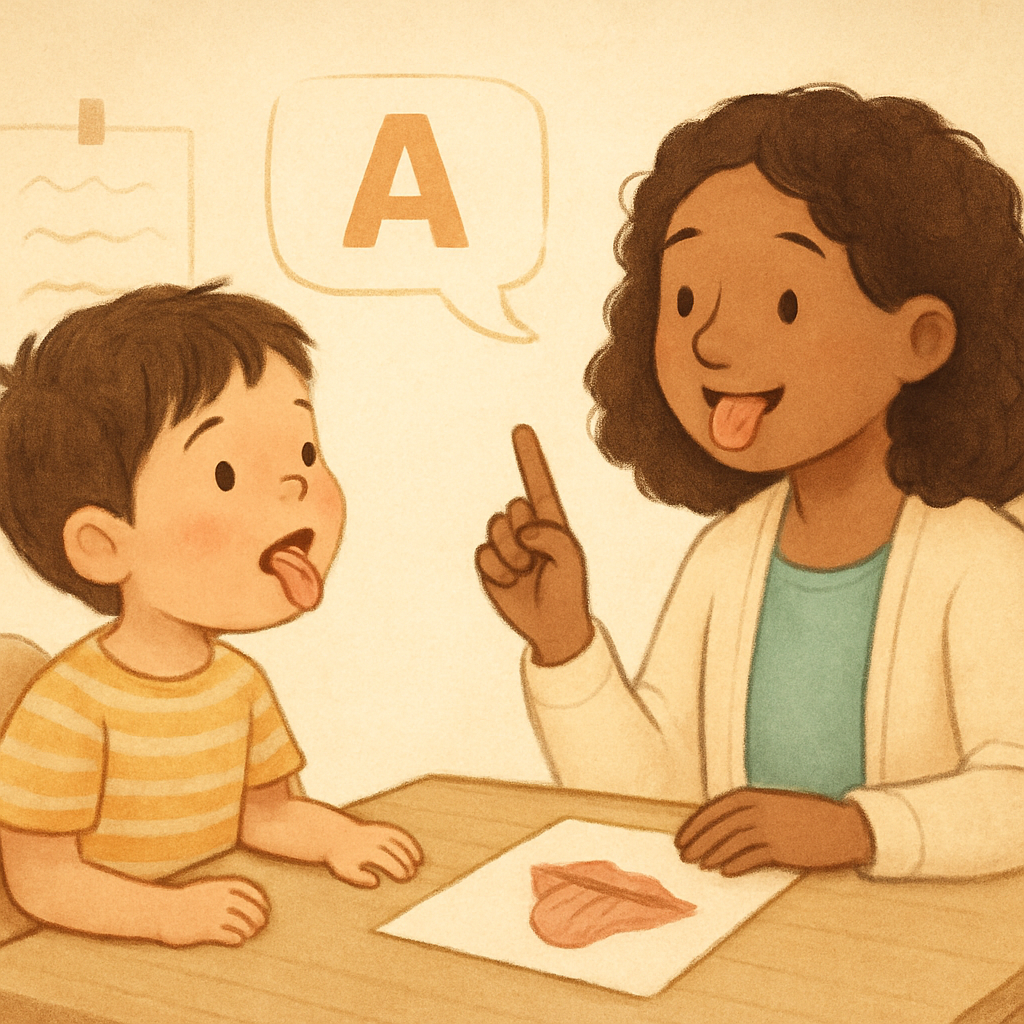
Speech disorders are problems with producing sounds. Speech therapy identifies the issue and uses targeted exercises to correct it. For example, with articulation disorders—like saying “wun” instead of “run”—a therapist teaches proper tongue placement.
Fluency disorders, such as stuttering, disrupt speech flow by repeating or prolonging sounds. Voice disorders affect pitch or volume and may cause discomfort, making communication harder.
Resonance disorders occur when airflow is blocked through the nose or mouth, changing voice quality—often due to swollen tonsils or a cleft palate. Speech-language pathologists use various techniques, often play-based, to address these issues and help your child speak more clearly.
Language and Social Communication Challenges
Some children struggle not just with making sounds, but with language itself. Language disorders may involve difficulty understanding others (receptive disorders) or expressing thoughts and ideas (expressive disorders). These challenges can affect learning, social skills, and overall communication.
Language disorders are mainly:
-
Receptive: Trouble understanding or processing what is said.
-
Expressive: Difficulty sharing thoughts, limited vocabulary, or inappropriate language use in social settings.
Speech therapists address these issues through targeted strategies, such as modeling correct grammar and vocabulary during play. Therapy often focuses on:
-
Building vocabulary
-
Following directions
-
Forming correct sentences
-
Using language appropriately in social situations
-
Improving memory and problem-solving skills
Locations Offering Pediatric Speech Therapy: Liverpool and Canterbury
Finding the right support for your child is crucial. Pediatric speech therapy is widely available in communities like Liverpool and Canterbury, with therapists working in schools, hospitals, and private practices for convenience. They help with conditions such as aphasia, apraxia, and dysarthria.
Connecting with a professional allows for an assessment of your child’s unique needs and a personalized plan. Whether addressing developmental delays or specific speech disorders, local therapists can guide your child toward clearer communication. The next sections will explain how to find these services nearby.
Speech Therapy Services in Liverpool
In Liverpool, a variety of speech therapy services help children improve communication skills. Local therapists offer targeted support like articulation therapy for sound production and language therapy to expand vocabulary and sentence structure—crucial for success in school and social settings.
To access these services, ask your child’s doctor or teacher for a referral to qualified professionals. You can also find certified speech-language pathologists in Liverpool through online directories.
Therapists start with an initial assessment, then create a personalized plan that may include one-on-one sessions, group activities, or home exercises. This targeted approach provides consistent support to help your child make lasting progress.
Accessing Support in Canterbury
Families in and around Canterbury can also access excellent speech therapy support through various channels. Services are available in a variety of settings, including clinics, schools, and even in-home visits, to accommodate your child's specific needs. A speech pathologist will tailor each speech therapy session to be engaging and effective, often using play-based activities for younger children.
During a typical session, a speech pathologist focuses on targeted exercises to address the child's communication needs. This might involve games to practice sounds, reading books to build language comprehension, or using pictures to stimulate conversation. The goal is to make learning fun while strengthening the necessary skills.
Therapists use many different strategies to help your child. The activities depend on your child’s age and the goals of their treatment plan.
|
Therapy Type |
Example Activity |
|---|---|
|
Language Intervention |
Using books, pictures, and play to stimulate language development and model correct grammar. |
|
Articulation Therapy |
Modeling correct sounds and syllables for the child to repeat, often during fun games. |
|
Oral-Motor/Feeding Therapy |
Using facial massage and tongue exercises to strengthen the muscles of the mouth. |
Identifying When a Child Might Need Speech Therapy
As a parent, you’re often the first to spot speech challenges in your child. Trust your instincts—early identification is key, as intervention works best when started young. If you notice anything affecting your child’s communication, it’s worth investigating.
Watching for warning signs is the first step. Does your child struggle with speaking or understanding language compared to peers? Tracking their language development can help you decide if it’s time to consult a professional. The next sections outline specific signs to watch for.
Key Signs for Parents to Watch For
It can be difficult to tell if your child’s speech issues are part of normal development or a sign of a problem. Certain signs may indicate it’s time to see a professional, as speech and language challenges can affect social development.
Watch for:
-
Difficulty being understood by others
-
Trouble putting words into sentences
-
Limited vocabulary for their age
-
Struggling to follow simple directions
-
Replacing sounds (like saying “w” instead of “r”)
These issues may stem from hearing loss or developmental conditions such as autism. If you notice any of these signs, consider consulting an expert.
Professional Assessments by Speech Pathologists
If you notice warning signs, schedule an assessment with a speech-language pathologist (SLP). SLPs are trained to diagnose communication disorders and identify the cause of your child's difficulties.
During the assessment, they observe your child's speech, language, and communication skills using standardized tests, play-based activities, or conversation. This helps them understand your child's strengths and challenges to develop an effective treatment plan.
Qualified SLPs must meet strict educational and clinical standards. In Australia, for example, registration with Speech Pathology Australia ensures they have the expertise to provide high-quality care and guide your child toward better communication.
Conclusion
In conclusion, recognizing when your child may need speech therapy is vital for their development. Early intervention can greatly improve communication and social skills. With support from qualified speech pathologists in Liverpool and Canterbury, children can thrive. Addressing concerns early makes a significant difference—reach out to local professionals for tailored advice.
Book a consultation or call daar at 02 9133 2500 today! Your child’s voice matters!
Frequently Asked Questions
How long does speech therapy usually take to show results?
There is no set amount of time for seeing results from speech therapy, as every child's journey is unique. The duration of effective treatment depends on factors like your child's age, the severity of the disorder, and how often they attend a speech therapy session. Consistent practice helps improve communication skills more quickly.
What qualifications are required for speech pathologists in Australia?
In Australia, a speech pathologist must complete a university degree in speech pathology. Upon graduating, they must become members of Speech Pathology Australia, which requires them to meet professional standards and engage in ongoing learning. These qualifications ensure they are certified and equipped to provide expert care to their clients.
Is speech therapy effective for both children and adults?
Yes, speech therapy works for individuals of all ages. While it helps children with developmental delays, it is also highly effective for adults recovering from strokes, brain injuries, or managing conditions like Parkinson's disease. Speech therapy can even support dementia patients by helping them maintain their communication skills for as long as possible.
.svg)




.svg)