
.png?width=48&height=48&name=Group%201%20(3).png)























13 January, 2026

Understanding Pediatric Speech Therapy: A Parent's Guide
Introduction
As a parent, you want to see your child connect with the world confidently. Communication is the key to that connection, but sometimes children face hurdles in their language development. If you've ever wondered about your child's speech or how they express themselves, you're not alone. This guide is here to walk you through pediatric speech therapy, an effective way to support children with speech disorders and help them build strong communication skills for a bright future. Pediatric speech therapists are highly qualified professionals who typically hold a master's degree in speech-language pathology, are licensed by their state, and often have certification from the American Speech-Language-Hearing Association (ASHA). They receive specialized training to assess and treat speech and language issues in children.
Key Highlights
-
Pediatric speech therapy helps children overcome a wide range of communication challenges.
-
Improving communication skills through early intervention can boost a child’s confidence and academic performance.
-
A licensed speech therapist evaluates a child's needs to create a personalized treatment plan.
-
Speech therapy services use engaging, play-based activities to help with language development.
-
Parents play a crucial role by supporting speech and language practice at home.
-
Knowing developmental milestones helps you identify when your child might need support.
What Is Pediatric Speech Therapy?
Pediatric speech therapy is a specialized treatment designed to help children with communication disorders. A speech-language pathologist (SLP), or speech therapist, works with your child to improve their ability to speak, understand language, and express their thoughts and feelings. It provides tools and strategies to overcome specific challenges.
The primary goal is to enhance your child's overall quality of life. Through early intervention, speech therapy can address language disorders and other difficulties, making social interactions and learn easier. The process is tailored to your child’s unique needs, turning therapy into a supportive and often playful experience. We will explore how therapy is defined and how it can help your child below.
Defining Speech Therapy and Speech Pathology for Children
You might hear the terms "speech therapy" and "speech pathology" used interchangeably, and that's because they mean the same thing. A speech-language pathologist is a trained professional who diagnoses and treats a variety of communication and swallowing disorders in children. Their work is much more than just correcting a lisp; it's about building a foundation for effective communication.
This form of language therapy focuses on your child’s specific needs. Whether they struggle with forming words, understanding others, or using language in social situations, the therapist develops a personalized plan. The goal is to equip your child with the communication skills they need to navigate their world.
By identifying the root of the issue, a speech pathologist can apply targeted exercises and activities. This process helps your child make meaningful progress, turning challenges into strengths and fostering confidence in their ability to communicate.
How Pediatric Speech Therapy Supports Communication Development
Pediatric speech therapy supports your child’s development by strengthening communication skills. Therapists use playful activities—like games, stories, and toys—to improve language and address speech disorders in a fun, engaging way. Early intervention builds a solid foundation for learning and social interaction.
Sessions keep children motivated and involved, helping them practice sounds, expand vocabulary, and form sentences naturally.
Benefits go beyond clearer speech:
-
Greater confidence
-
School readiness and improved academics
-
Better ability to express ideas and feelings
Common Speech and Language Challenges in Children
Many children face speech or language challenges as they grow, ranging from simple pronunciation errors to complex communication issues that affect interaction. Understanding these common problems is the first step in getting your child the right support.
Some children struggle with speech mechanics, while others have difficulty understanding language rules. These challenges can impact social and academic success. Identifying your child’s specific issue helps guide the best intervention. The next sections cover common disorders addressed in speech therapy.
Speech Sound Disorders and Pronunciation Difficulties
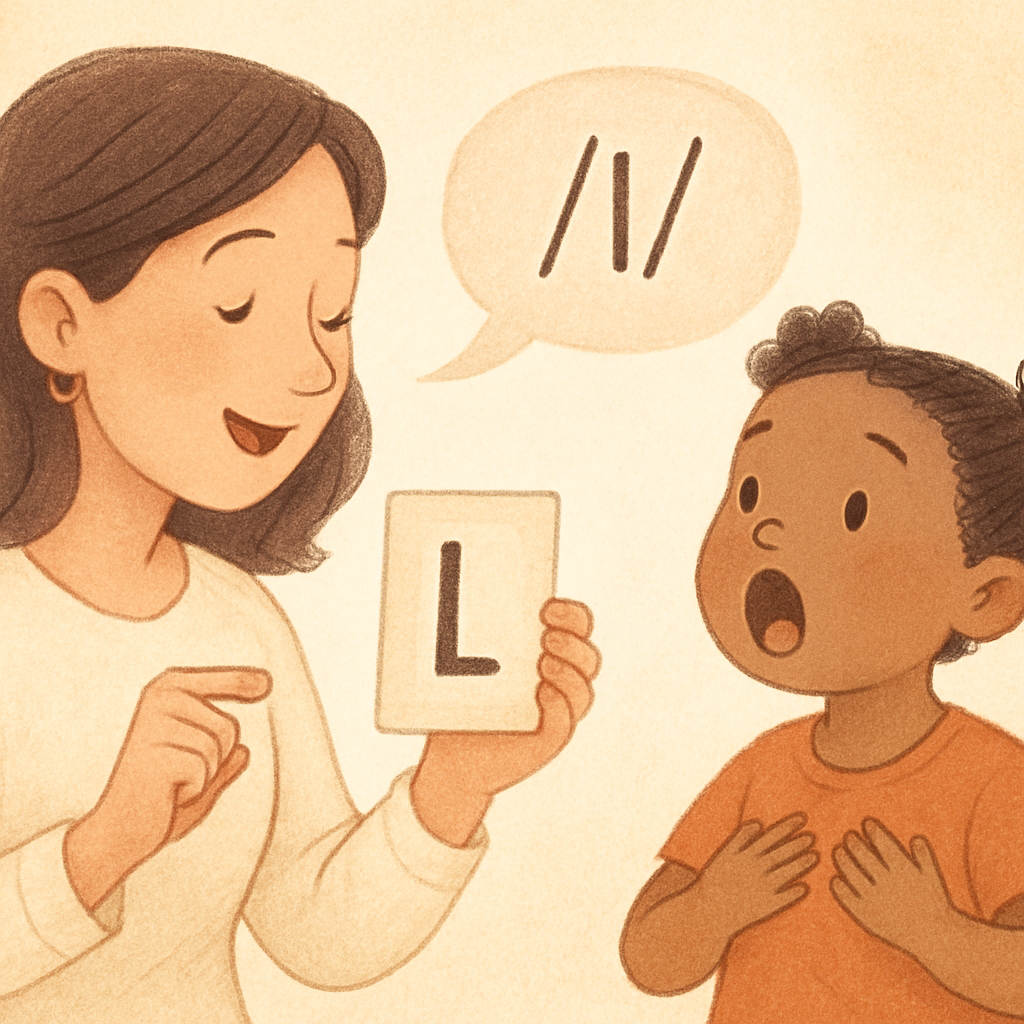
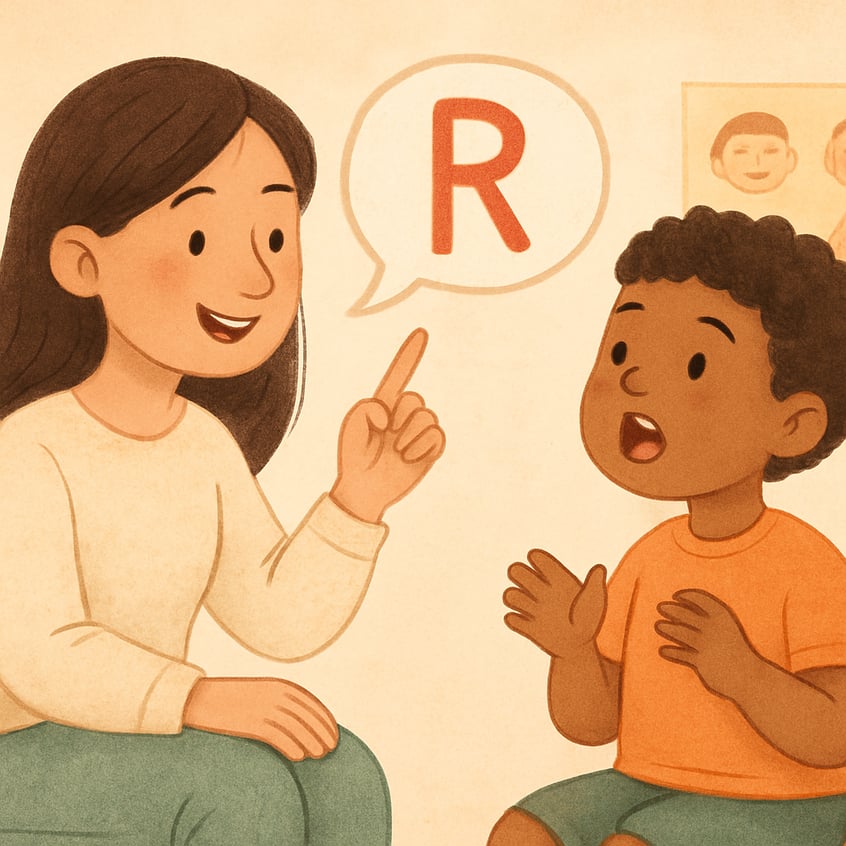
Speech sound disorders are a common reason children need speech therapy. These include articulation disorders (trouble making specific sounds) and phonological disorders (patterns of sound errors), such as saying "wabbit" instead of "rabbit."
These issues can make a child’s speech hard to understand. Occasional sound errors are normal in young children, but ongoing problems may indicate a disorder. Physical factors like a cleft palate can also affect speech.
A speech therapist can identify problem sounds and create exercises to help your child produce them correctly. With targeted practice, therapy improves speech clarity so your child can communicate more effectively.
Language Delays, Social Communication, and Literacy Issues
Some children experience language delays, affecting their ability to understand or use words. This can impact social communication and later literacy. Language therapy targets these challenges with supportive strategies.
Expressive language disorders make it hard for a child to express thoughts; receptive disorders hinder understanding others. Signs include limited vocabulary or difficulty following directions, which can also affect social skills and peer interactions.
Language therapy helps by:
-
Expanding vocabulary and sentence structure
-
Teaching effective communication in social settings
-
Improving comprehension and listening skills
Signs Your Child May Benefit from Speech Therapy
It can be hard to tell if your child's communication is developing normally. While every child grows at their own pace, some signs may suggest the need for professional help. Watching for these markers can help you spot speech or language disorders early.
If your child misses key milestones or seems frustrated by communication challenges, consider an evaluation. Early intervention can greatly improve your child's skills and long-term success. The sections below explain what to watch for and when to take action.
Typical Speech and Language Milestones by Age
Tracking language development milestones helps monitor your child's progress. These benchmarks indicate what to expect at different ages, from first words to complex sentences, and can highlight potential delays in speech and communication.
While development varies, consistently missing milestones may signal a need for extra support. Early speech delays can affect future academic performance, so staying informed is key.
Key speech and language milestones:
|
Age |
Typical Milestones |
|---|---|
|
12 months |
Uses gestures (pointing, waving), babbles with changing tone, may say simple words like "mama." |
|
18 months |
Says several single words, points to indicate wants, imitates spoken words. |
|
2 years |
Combines two words ("more juice"), follows simple instructions, has a 50+ word vocabulary. |
|
3 years |
Speaks in 2–3 word sentences, understood by familiar listeners, follows two-step directions. |
|
4 years |
Tells simple stories, uses 4–5 word sentences, mostly understood by strangers. |
Red Flags and When to Seek a Speech Pathologist
While milestones are a helpful guide, specific red flags can signal that it's time to consult a speech pathologist. Trust your instincts as a parent; if you feel something is off with your child's communication, it's always best to get it checked out. In places like Australia, you can find a professional through organizations dedicated to speech pathology Australia.
Waiting to see if your child "grows out of it" can sometimes delay crucial support. Early intervention for communication disorders is proven to be more effective, helping children catch up to their peers and build confidence before they start school.
Consider seeking an evaluation if you notice the following red flags:
-
By 12 months: Your child isn't using gestures like pointing or waving.
-
By 18 months: Your child prefers gestures over vocalizations to communicate and has not said at least six words.
-
By 2 years: Your child can't join two words together or only imitates speech without producing their own words.
Conclusion
In conclusion, understanding pediatric speech therapy helps parents support their child’s communication. By recognizing common challenges and early signs, you can take steps to encourage development. Speech therapy addresses specific issues and boosts confidence and social skills. Early intervention is key to effective communication.
If you’re considering speech therapy, contact us at 02 9133 2500 or book a consultation to learn how we can help.
Frequently Asked Questions
Do Parents Need a Referral to See a Pediatric Speech Pathologist in Australia?
In many cases, you do not need a referral from a healthcare provider to see a speech pathologist in Australia. Many private speech therapy services allow parents to book an appointment directly. However, a referral may be necessary to access certain public health services or claim rebates through Medicare.
How Long Does Speech Therapy Typically Last for Children?
The duration of speech therapy depends entirely on the child's specific needs, the type of disorder, and their rate of progress. Some children may need short-term, effective treatment for a few months, while others with more complex challenges may benefit from ongoing support to build their communication skills for academic success.
Can Parents Help with Speech Therapy at Home?
Yes, parental involvement is essential for success! Your therapist will provide language intervention activities and strategies for home practice. Incorporating these exercises into daily routines, like during playtime or meals, is a powerful way to reinforce learning, improve speech clarity, and help your child make faster progress.
.svg)




.svg)