
.png?width=48&height=48&name=Group%201%20(3).png)























21 January, 2026

Introduction
Communication is the foundation of how we connect, learn, and express ourselves. When a child faces communication challenges, it can affect their confidence and social interactions. Fortunately, speech pathology offers a guiding hand. This specialized field provides targeted support to help children overcome hurdles in their language development. By working with experts, your child can build the skills they need to communicate clearly and confidently, unlocking their full potential. This guide will explore how speech therapy can make a significant difference.
Key Highlights
-
Speech therapy is essential for children facing communication challenges, helping improve their speech, language, and social skills.
-
A speech pathologist assesses, diagnoses, and treats a wide range of speech disorders and language development issues.
-
Early intervention is key, and parents should look for signs like difficulty pronouncing words or forming sentences.
-
Therapy often involves play-based activities and evidence-based techniques to make learning engaging and effective.
-
Parental involvement and collaboration with teachers are crucial for reinforcing communication skills outside of therapy sessions.
Understanding Speech Pathology for Children
Speech pathology is a healthcare field focused on helping individuals with communication and swallowing disorders. For children, a speech pathologist is a trained professional who evaluates and treats issues that affect their ability to speak, understand, and use language. They are experts in the science of communication and use their knowledge to support children at every stage of their language journey.
These specialists address various concerns, from simple articulation problems to more complex language disorders. Through tailored therapy services, they help improve a child's communication skills, boosting their confidence and ability to interact with the world around them. During a speech pathology assessment for your child, you can expect an initial conversation about your child's developmental history, followed by standardized tests and informal observations to evaluate their speech, language, and communication abilities. The speech pathologist will gather information to identify specific needs and recommend an individualized therapy plan. Let's look closer at what speech pathology entails and how these professionals work.
What Is Speech Pathology and How Does It Work?
Speech pathology helps people overcome communication challenges. Speech-language pathologists (SLPs) assess, diagnose, and treat various disorders, from speech sound production to understanding language. The process starts with a detailed assessment of your child's articulation, language comprehension, and social skills to pinpoint their needs. Based on this, the SLP creates a personalized treatment plan with specific goals and strategies. In Australia, speech pathology services may be covered by health insurance or Medicare, depending on your policy and eligibility. Many private health funds offer rebates for speech pathology, and some children may qualify for Medicare-funded sessions through specific programs. It’s best to check with your provider for details regarding coverage.
The process starts with a detailed assessment of your child's articulation, language comprehension, and social skills to pinpoint their needs. Based on this, the SLP creates a personalized treatment plan with specific goals and strategies.
Using targeted exercises and activities, SLPs work to improve voice quality, fluency, and overall communication, helping your child become a more effective communicator.
Who Are Speech Pathologists and What Do They Do?
Speech pathologists are highly trained healthcare professionals specializing in human communication. They typically hold a master’s degree in communication sciences and disorders plus extensive clinical training, preparing them to treat a wide range of speech, language, voice, and swallowing disorders.
They provide speech therapy in settings such as schools, hospitals, private clinics, and rehab centers. In clinical practice, they assess communication challenges for people of all ages—from infants with feeding issues to adults recovering from strokes.
Their main goal is to improve clients’ quality of life by enhancing communication. Speech pathologists create personalized treatment plans that may include exercises to strengthen speech muscles, strategies for language comprehension, or techniques to manage stuttering, helping individuals connect more effectively with others.
Common Communication Challenges in Children
Children may face various communication challenges as they grow, such as difficulty with articulation, language delays, or limited vocabulary. These issues can affect academic performance and social interactions.
Problems may also arise with expressive language (sharing thoughts) or social communication (understanding conversation rules). Such difficulties can be frustrating, but a speech pathologist can identify these challenges and offer effective support.
Early Signs Your Child May Need Pediatric Speech Therapy
Recognizing early signs of communication difficulties can significantly impact your child's development. Early intervention addresses speech and language issues before they worsen. If you’re concerned about your child’s communication, seek professional advice.
Watch for these common indicators:
-
No babbling or sounds by 12 months
-
Limited vocabulary for their age
-
Difficulty forming simple sentences by age two or three
-
Speech that family members find hard to understand
-
Frequent frustration when trying to communicate
Types of Speech and Language Disorders Addressed by Speech Pathologists
Speech pathologists treat a wide range of communication disorders, including speech, language, fluency, voice, and swallowing issues.
Each disorder requires a specific approach. Articulation therapy corrects sound errors; language therapy builds vocabulary and sentence structure. Voice disorders are addressed with vocal exercises, while fluency issues like stuttering use techniques for smoother speech.
Speech pathologists diagnose and develop treatment plans for various conditions:
|
Disorder Type |
Description |
|---|---|
|
Articulation Disorders |
Difficulty producing sounds correctly, e.g., saying "w" for "r." |
|
Language Disorders |
Trouble understanding others or expressing thoughts and ideas. |
|
Fluency Disorders |
Interruptions in speech flow, such as stuttering or cluttering. |
|
Voice Disorders |
Issues with pitch, volume, or voice quality (e.g., hoarseness). |
|
Phonological Disorders |
Patterns of sound errors like dropping final consonants in words. |
How Pediatric Speech Therapy Supports Communication Development
Pediatric speech therapy supports a child's communication development. Speech pathologists offer personalized therapy targeting specific needs, such as sound production, following instructions, and social interaction. This helps improve both comprehension and expressive language skills.
Therapists take a holistic approach, addressing speech mechanics, confidence, and social abilities. Their goal is to help your child communicate thoughts and feelings clearly. The following sections outline key methods used in therapy.
The Role of Play-Based and Evidence-Based Approaches
Speech pathologists use play-based therapy and evidence-based practices to help children reach their communication potential. Play makes learning engaging, so therapists incorporate games, toys, and stories to target speech and language goals.
This approach improves social skills and addresses developmental delays by letting children take turns, follow directions, and express themselves in a relaxed setting. It feels like play, not work, which keeps kids motivated and progressing.
All techniques are backed by research. After an initial assessment, therapists create personalized treatment plans to ensure every activity supports your child's progress.
Examples of Therapy Techniques Used in Speech Therapy Liverpool and Canterbury
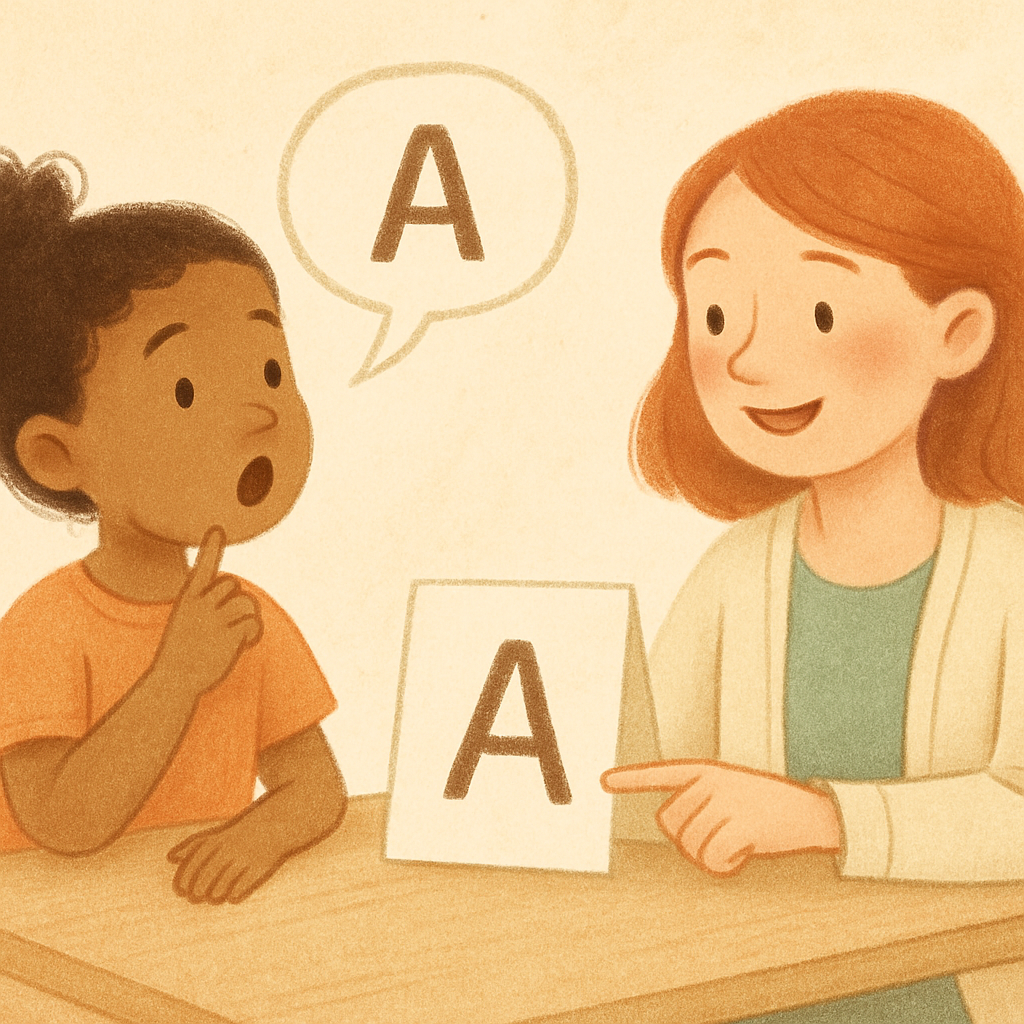
Speech therapy uses various techniques to help children improve language and communication skills. Methods are tailored to each child’s needs and delivered in a supportive environment to make therapy effective and enjoyable.
Treatment plans are flexible and adjust as the child progresses. Speech pathologists regularly monitor and update strategies, ensuring a personalized approach.
Examples of therapy techniques include:
-
Articulation drills for correct sound production
-
Language games to build vocabulary and sentence structure
-
Role-playing to strengthen social communication
-
Oral-motor exercises for speech muscle development
-
Picture books and storytelling to boost comprehension and expression
Involving Parents in the Speech Therapy Journey
Your involvement as a parent is one of the most powerful tools in your child's speech therapy journey. Creating a supportive environment at home helps reinforce the lessons learned during therapy services. When you actively participate, you become a key partner in your child's progress, helping them practice their new communication skills in everyday situations.
This collaboration between you and the speech pathologist ensures that progress continues beyond the therapy room. Your engagement helps your child feel more confident and motivated to use their developing skills. The following sections offer practical tips for supporting your child at home and working with other professionals.
Practical Ways to Support Speech Therapy at Home
Supporting your child’s speech therapy at home can speed up their progress. Everyday activities, like talking during meals or reading before bed, offer valuable chances for language development.
Keep practice fun and natural, not forced. By weaving these strategies into your routine, you reinforce therapy and build your child’s social skills—laying the groundwork for better communication everywhere.
Here are practical ways to help:
-
Read together daily and ask questions about the story.
-
Model clear speech without correcting mistakes directly.
-
Play games that promote turn-taking and conversation.
-
Narrate your activities to introduce new vocabulary.
-
Limit screens during conversations for focused interaction.
Collaborating with Teachers and Other Professionals
A team approach is the most effective way to support your child's communication development. Your child's speech pathologist can work with teachers, occupational therapists, and other professionals to align goals and ensure consistency across settings.
Teachers can use strategies from the speech pathologist—like visual aids, simplified instructions, or opportunities for peer interaction—to support learning and social skills in the classroom.
This collaboration reinforces therapy throughout your child's day. When all professionals are united, your child benefits from a strong support network that builds confidence and drives meaningful progress.
Conclusion
In conclusion, speech therapy plays a crucial role in helping children overcome communication challenges and develop essential language skills. By utilizing play-based and evidence-based approaches, speech pathologists create engaging and effective therapy sessions tailored to each child's needs. Involving parents and caregivers in the process not only reinforces learning at home but also fosters a collaborative environment for growth. If you are concerned about your child's communication skills, seek guidance from a qualified speech pathologist who can provide personalized support.
Book a consultation today or contact us at 02 9133 2500! Together, we can empower children to express themselves confidently and effectively.
Frequently Asked Questions
How do I find a qualified speech pathologist in my area?
You can start by asking your pediatrician for a referral or searching online directories from professional organizations like Speech Pathology Australia or the American Speech-Language-Hearing Association (ASHA). Look for healthcare professionals with a master’s degree and proper certification to ensure they provide high-quality therapy services for your child.
What qualifications are required to become a speech pathologist in Australia?
To become a speech pathologist in Australia, an individual must complete a bachelor's or master’s degree in speech pathology from an accredited university. They must also be a practicing member of Speech Pathology Australia, which ensures they adhere to professional standards and ethics when working in a clinical setting.
Is speech pathology suitable only for children, or can adults benefit too?
Speech pathology is not just for children. A speech pathologist provides therapy services to individuals of all ages who face communication difficulties. Adults may seek help for speech disorders resulting from a stroke, brain injury, or other medical conditions, or to improve skills like public speaking and voice quality.
.svg)




.svg)