
.png?width=48&height=48&name=Group%201%20(3).png)























31 December, 2025

Improve Your Skills: Speech Therapy for All Ages
Introduction
Have you or a loved one ever struggled to express thoughts clearly or understand others? Communication is a fundamental part of daily life, and challenges in this area can be frustrating. The great news is that help is available. Speech therapy is a powerful tool designed to improve communication skills for individuals of any age. Whether a child is facing developmental speech disorders or an adult is recovering from an injury, therapy can significantly enhance their ability to communicate effectively and confidently.
Key Highlights
-
Speech therapy is a vital service that helps people of all ages improve their language skills and overcome communication disorders.
-
Professionals known as speech therapists or speech-language pathologists diagnose and treat issues with speaking, understanding language, and swallowing.
-
Therapy helps with a wide range of conditions, including developmental delays, autism spectrum disorder, brain injury, and stroke.
-
The primary goal is to improve communication abilities, which boosts confidence, independence, and overall quality of life.
-
Organizations like Speech Pathology Australia ensure that practitioners meet high professional standards through certification.
-
Early intervention is especially effective for children, leading to better long-term outcomes in their communication journey.
Understanding Speech Therapy and Speech Pathology
When you hear about speech therapy, you might picture someone learning to pronounce words correctly, but it’s much more than that. It’s a specialized treatment focused on improving a wide range of communication abilities. The professionals who provide this care are called speech-language pathologists.
These experts are trained to assess, diagnose, and treat various communication disorders. From language therapy to improving social skills, their work is centered on enhancing your communication abilities. The following sections explore what speech therapy involves and the crucial role these professionals play. While results can vary for each individual, noticeable improvements with speech therapy typically begin within a few weeks to several months of consistent sessions, depending on the complexity of the communication disorder and the person's dedication to the therapy process.
What is Speech Therapy?
Speech therapy is a professional treatment that helps you improve speaking and language skills. It’s designed to help you express yourself clearly and understand others better, and can also strengthen memory and problem-solving abilities. People of all ages—from young children to seniors—can benefit.
A speech-language pathologist tailors exercises and treatments to your needs. This may include articulation therapy for sound production or language activities to build vocabulary and sentence structure.
The goal is to make communication easier and more effective. Whether you need help with social skills, voice quality, or understanding language, speech therapy can boost your confidence and quality of life.
The Role of Speech Pathology in Communication
A speech pathologist is a university-trained allied health professional who helps people with communication challenges. Their expertise includes diagnosing and treating issues with speaking, listening, reading, writing, and swallowing.
Speech pathologists are essential for individuals affected by conditions such as stroke, brain injury, or developmental delays. For example, after a stroke causes aphasia—a difficulty with speaking and understanding language—a speech pathologist provides targeted therapy to rebuild these skills.
In countries like Australia, organizations such as Speech Pathology Australia certify practitioners to ensure high standards of care. This means you receive personalized treatment from a qualified expert dedicated to improving your communication abilities.
Difference Between Speech Therapist and Speech Pathologist
The terms "speech therapist" and "speech pathologist" refer to the same professional; the preferred title varies by country. Both are qualified to assess, diagnose, and treat communication and swallowing disorders after completing specialized university training. Their core goal is to help people improve communication skills, working with clients of all ages.
|
Aspect |
Speech Therapist / Speech Pathologist |
|---|---|
|
Primary Role |
Assess, diagnose, and treat communication and swallowing disorders |
|
Scope of Practice |
Articulation, language, fluency, voice, cognitive-communication |
|
Qualifications |
University degree in speech pathology; often requires certification |
|
Populations Served |
All ages—from infants to older adults |
Who Can Benefit from Speech Therapy?
Speech therapy isn't just for one specific type of person or problem; it's for people of all ages facing a variety of communication challenges. From a toddler struggling to form words to a senior recovering from a neurological event, the benefits are wide-ranging. Anyone with a communication disorder can see improvements in their ability to speak, understand, and connect with others.
These speech problems can stem from developmental delays, hearing loss, or medical conditions. The following sections will break down how different age groups can benefit from tailored therapeutic approaches.
Speech Therapy for Children
Speech therapy helps children build a strong foundation for success in school and social situations. Pediatric speech therapy focuses on early intervention, addressing language challenges before they become more serious. But how can you tell if your child needs speech therapy? Watch for these signs:
Therapy sessions are engaging and play-based, using games, picture books, and interactive toys. Therapists model correct sounds during play to help children learn in a natural, positive environment.
A child may need speech therapy if they:
-
Have delayed language development or aren’t speaking by a certain age
-
Are difficult for others to understand
-
Face challenges from conditions like autism spectrum disorder or cerebral palsy
-
Struggle to follow directions or have a limited vocabulary
Speech Therapy for Adults
Many people assume speech therapy is only for children, but can adults benefit from it too? Absolutely. For adults, speech therapy often focuses on rebuilding communication skills that have been lost or affected by a medical event or condition. It can be crucial for regaining independence and confidence in both personal and professional life.
Therapy sessions for adults are typically geared toward specific, functional goals. For someone recovering from a brain injury, this might mean exercises to improve memory and problem-solving. For others, it could involve strengthening the muscles used for speech or learning new conversational tactics to improve social communication and support mental health.
Adults may seek speech therapy for various issues, including:
-
Communication difficulties following a stroke or traumatic brain injury.
-
Speech changes due to nervous system disorders like Multiple Sclerosis (MS) or Amyotrophic Lateral Sclerosis (ALS).
-
Voice disorders that affect vocal quality or loudness.
Speech Therapy for Seniors
As we age, some seniors may face new communication challenges. Speech therapy can help older adults maintain connections with loved ones and engage in daily life by preserving skills and adapting to age-related health changes.
Therapy often addresses issues from neurological conditions common in aging, such as Parkinson’s disease, which can affect voice and speech clarity. Therapists offer exercises to manage these symptoms and improve quality of life. Swallowing difficulties, also frequent among seniors, can be treated as well.
Speech therapy for seniors can assist with:
-
Speech, voice, and swallowing problems from Parkinson’s disease
-
Communication issues due to dementia or stroke
-
Maintaining cognitive-communication skills like memory and organization
Common Conditions Addressed by Speech Pathologists
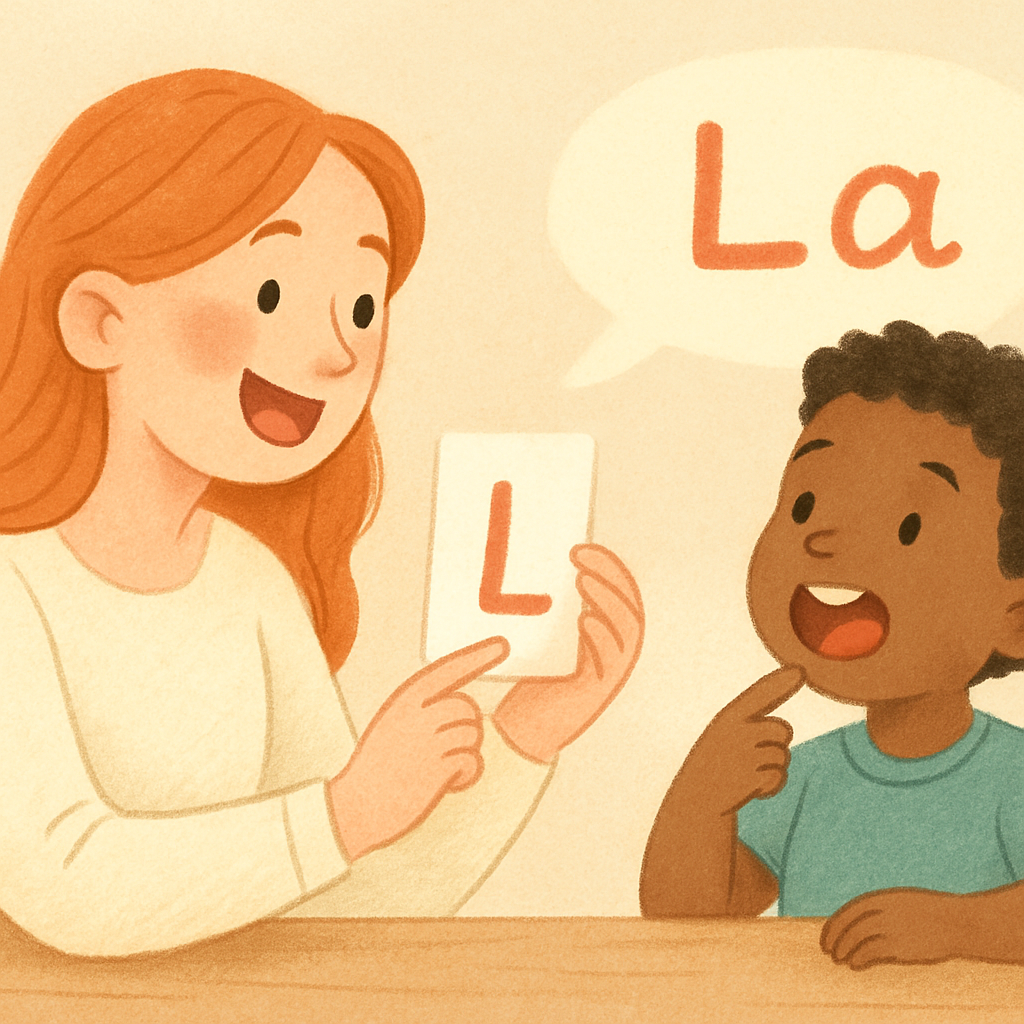
A speech pathologist treats a surprisingly diverse range of conditions. Their expertise goes far beyond simple pronunciation issues to cover complex speech disorders, language disorders, and other problems that interfere with communication. They are equipped to help with everything from the mechanics of making sounds to the cognitive processes of understanding and using language.
Whether the issue is developmental or acquired, a speech pathologist can identify the root cause and develop an effective treatment plan. Let's look at some of the specific conditions they commonly address.
Articulation Disorders
Articulation disorders are a common focus in speech therapy. They occur when someone has trouble producing certain speech sounds, affecting clarity. For example, saying "wabbit" instead of "rabbit" is a sound substitution.
Individuals may drop, add, distort, or swap sounds—for instance, saying "thith" instead of "this." These errors can make speech hard to understand and lower confidence.
Speech therapists help by teaching how to form specific sounds, using exercises to strengthen the mouth and tongue. With practice and targeted activities, people can learn to speak more clearly.
Language Development Delays
Beyond the physical act of speaking, speech therapy also addresses language disorders related to developmental delays. These can be broken down into two main types: receptive disorders, which involve difficulty understanding what others are saying, and expressive disorders, which involve trouble conveying thoughts and ideas.
A child with a receptive disorder might seem uninterested in conversations, have a limited vocabulary, or struggle to follow simple directions. An expressive disorder might show up as difficulty forming complete sentences or using the correct verb tense. These developmental delays can be linked to conditions like hearing loss or Down syndrome.
Through a process called language intervention, a speech therapist uses targeted activities to build these skills. This might include using books and games to expand vocabulary or practicing sentence structures. The goal is to help individuals better understand language and express themselves more effectively.
Voice, Fluency, and Swallowing Issues
A speech pathologist treats voice disorders, fluency issues, and swallowing difficulties. Voice disorders affect pitch, loudness, or quality—often from vocal cord problems—and therapy teaches healthy vocal habits. Fluency disorders, like stuttering and cluttering, disrupt speech flow; therapy offers strategies for smoother speech.
Speech pathologists also address swallowing problems (dysphagia) and resonance disorders caused by conditions such as cleft palate or swollen tonsils. When verbal speech isn’t possible, they may recommend augmentative communication devices.
Conclusion
In conclusion, speech therapy is a valuable resource for individuals of all ages dealing with various communication challenges. From children facing articulation issues to seniors struggling with swallowing difficulties, speech pathologists play a crucial role in enhancing communication skills and overall quality of life. Recognizing the signs that someone may benefit from speech therapy is essential, as early intervention can lead to significant improvements. Whether you’re considering therapy for yourself or a loved one, remember that it’s never too late to start.
If you're interested in exploring how speech therapy can help, reach out today for a consultation or call daar at 02 9133 2500 and take the first step towards better communication.
Frequently Asked Questions
How do I know if my child or family member needs speech therapy?
Look for signs of communication problems, such as difficulty being understood, a limited vocabulary for their age, or frustration when trying to speak. For children with speech disorders, early intervention is key. A professional evaluation can determine if their language skills are on track and if speech therapy is needed.
Can adults benefit from speech therapy, and what issues are treated?
Yes, adults can greatly benefit from working with a speech therapist. Therapy can help with issues resulting from a brain injury, stroke, or hearing loss. It also addresses voice disorders and speech changes from neurological conditions, helping to improve communication skills for a better quality of life.
Is speech therapy covered by health insurance in Australia?
Coverage for speech therapy services in Australia varies. Some private health insurance plans may cover a portion of the cost. The Australian government may also provide funding through programs like Medicare with a doctor's referral. It is best to check with private practices and your insurance provider about fees.
.svg)




.svg)