
.png?width=48&height=48&name=Group%201%20(3).png)























26 January, 2026

The Role of Pediatric Speech Therapy in Early Childhood
Introduction
Watching your child grow is an exciting journey, and one of the most important parts of this journey is their language development. While many children learn to talk without a hitch, some may need extra support with their communication skills. This is where pediatric speech therapy comes in. Understanding the role of early intervention can empower you to help your child build a strong foundation for speaking, learning, and connecting with the world around them.
Key Highlights
-
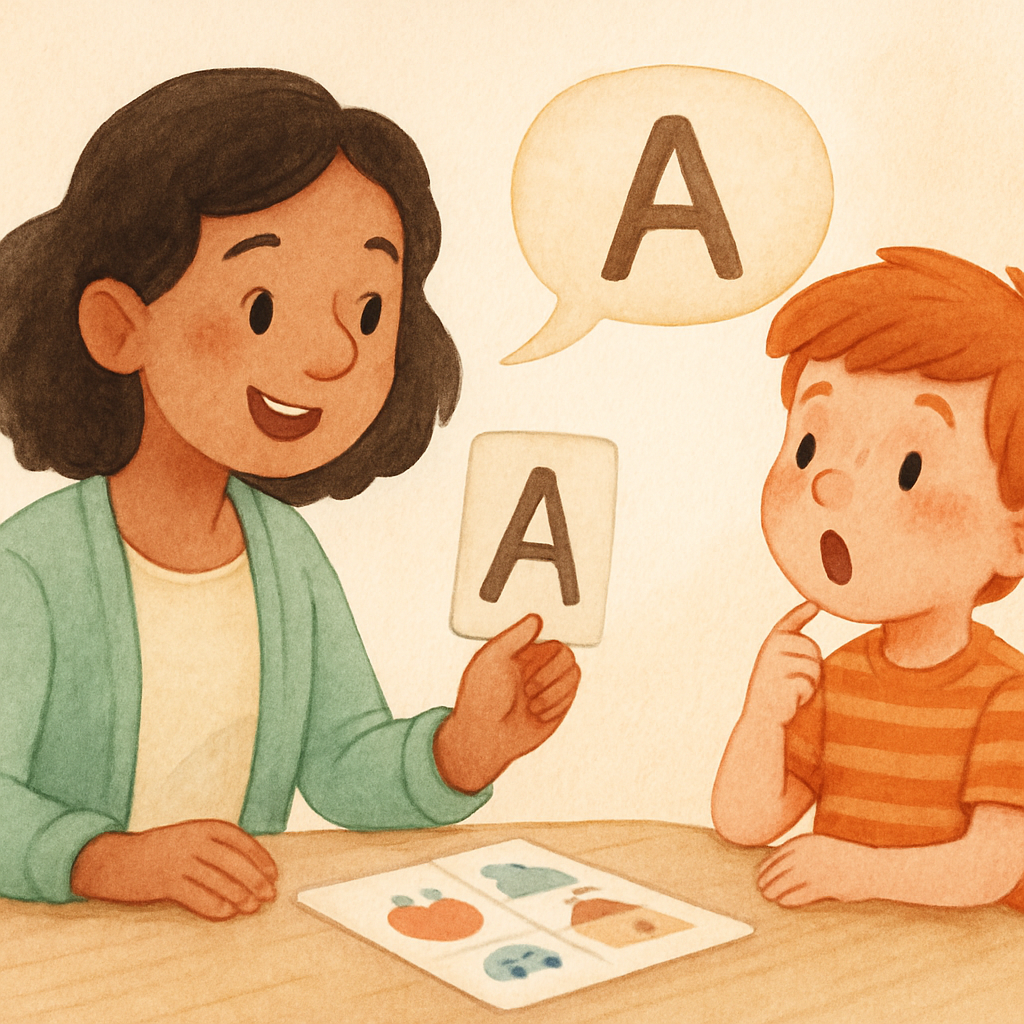
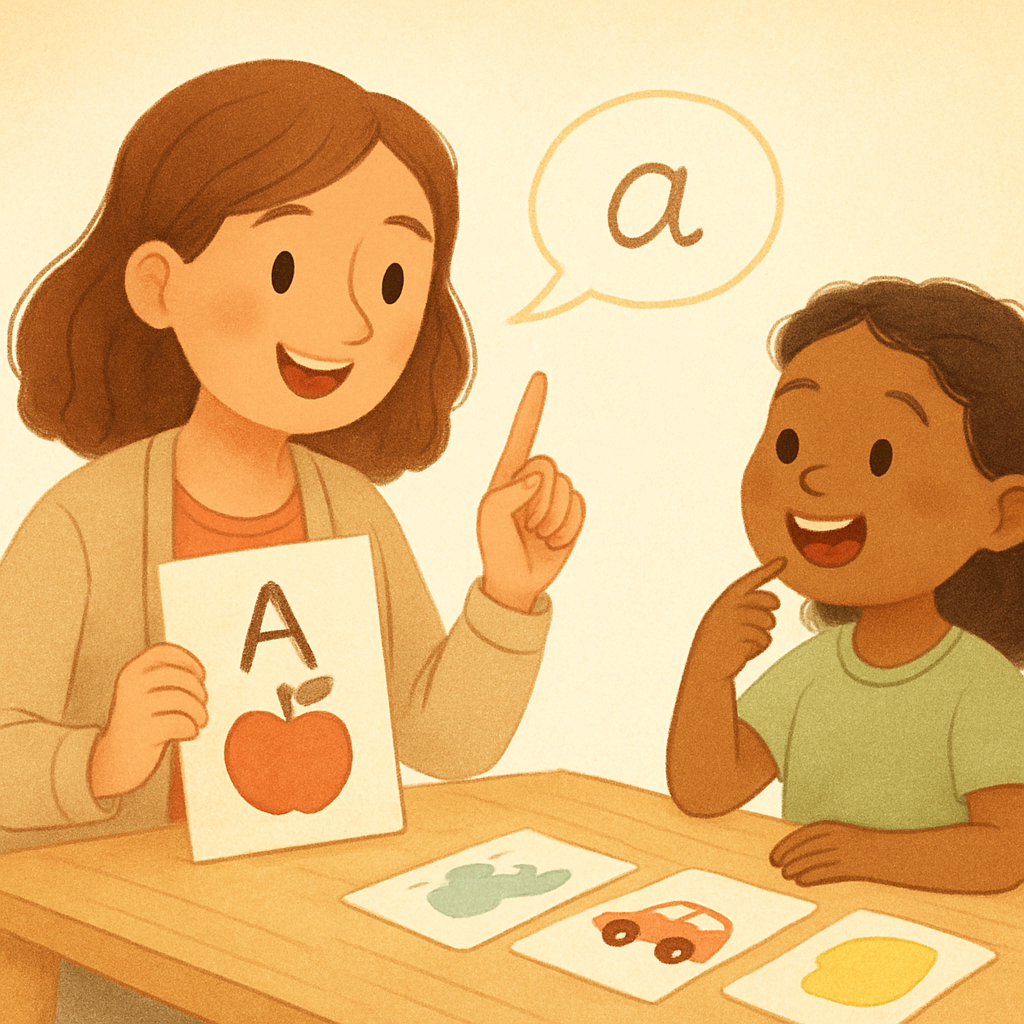
Early intervention with a speech pathologist can make a significant difference in your child’s development. Speech therapy services help children overcome a wide range of speech disorders and communication challenges. Common speech or language issues in children that pediatric speech therapy can address include articulation disorders (difficulty pronouncing sounds), language delays (challenges understanding or using words and sentences), fluency disorders such as stuttering, and social communication difficulties. During a typical pediatric speech therapy session, a speech pathologist works one-on-one with a child using tailored activities such as games, picture cards, and exercises. These sessions focus on improving the child’s ability to understand and express language, pronounce words clearly, and interact socially, all while providing personalized support and progress tracking.
-
Speech therapy services help children overcome a wide range of speech disorders and communication challenges.
-
Watching for developmental milestones can help you identify potential speech or language delays. When seeking a pediatric speech therapist, look for qualifications such as a master's degree in speech-language pathology, state licensure, ASHA (American Speech-Language-Hearing Association) certification, and experience working with children. Parental involvement at home is crucial for reinforcing the skills learned in therapy. Building strong language skills in early childhood supports academic performance and social interaction.
-
Parental involvement at home is crucial for reinforcing the skills learned in therapy.
-
Building strong language skills in early childhood supports academic performance and social interaction.
-
Pediatric speech therapy is tailored to each child’s unique needs to promote effective communication.
Understanding Pediatric Speech Therapy and Its Importance in Early Childhood
Pediatric speech therapy helps children with communication disorders. A speech pathologist assesses and treats these issues to improve your child’s ability to speak and understand others. Early intervention is crucial, as addressing problems early can prevent bigger challenges later. Therapy is personalized and uses engaging activities to build skills and confidence. Here’s what pediatric speech therapy involves and how it can benefit your child.
What Is Speech Therapy and Speech Pathology for Children?
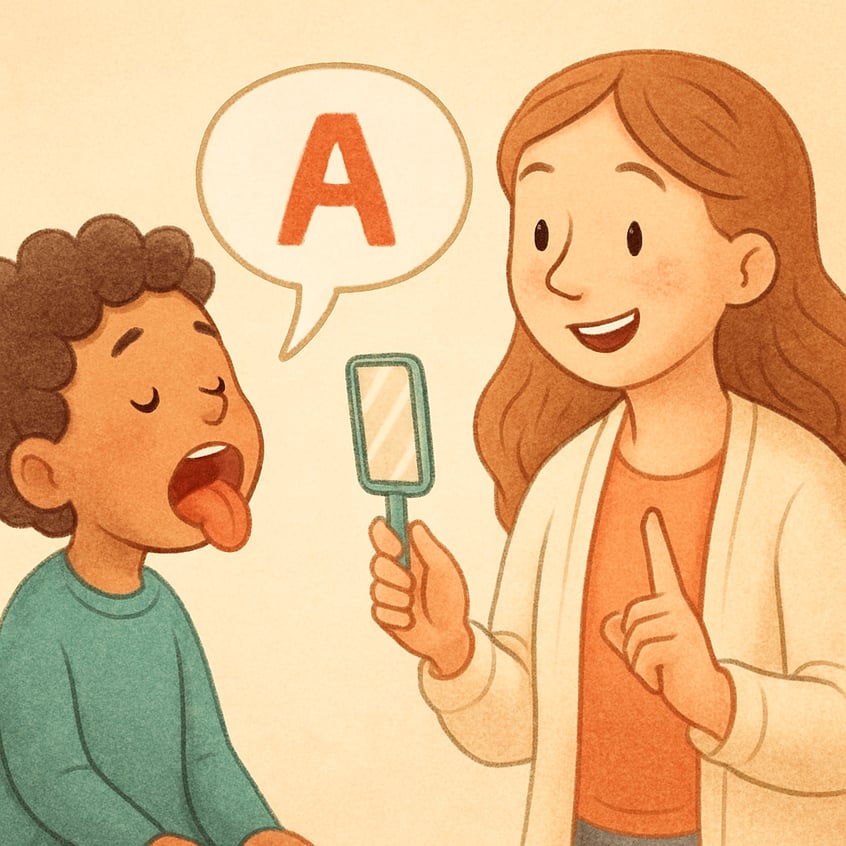
Speech therapy for children, or pediatric speech pathology, involves assessing and treating communication and swallowing disorders. Speech therapists are university-trained professionals who diagnose and manage these issues in children of all ages. They help with sound production, language processing, comprehension, and support kids with stuttering or voice disorders.
Therapy goes beyond speech—it also includes language therapy to address difficulties understanding or expressing thoughts. Sessions use play-based activities and targeted techniques to make learning engaging. This helps children build the skills they need to communicate confidently.
Key Benefits of Early Intervention Through Pediatric Speech Therapy
Starting pediatric speech therapy early can have a profound impact on your child's language development. Early intervention helps address speech delays and other issues before they become more challenging to correct. It gives your child the tools they need to communicate effectively, which is fundamental to their overall well-being and success.
A key part of speech-language pathology is identifying the specific areas where your child needs support. The therapy is designed to be both effective and enjoyable, helping your child build their communication skills in a positive environment. This can boost their self-esteem and encourage them to interact more with others.
The benefits of addressing concerns early are numerous and can support your child in many ways, including:
-
Improved Academic Performance: Strong language skills are the foundation for reading and writing success in school.
-
Enhanced Social Interaction: Better communication helps children build friendships and participate in group activities.
-
Boosted Self-Esteem: Overcoming communication challenges can significantly increase a child's confidence.
Speech and Language Milestones in Early Childhood
Every child learns at their own pace, and there is a wide range of what's considered "normal" for speech development. However, there are general developmental milestones that can serve as a helpful guide. These milestones track everything from making the first speech sounds to saying first words and forming sentences.
Knowing these key markers can help you monitor your child’s speech and language skills. If you notice your child is consistently behind their peers in reaching these milestones, it might be a sign that they could benefit from professional support. Let's look at what typical development looks like and what signs might indicate a need for help.
Typical Development: When Should My Child Reach Certain Milestones?
While it's true that children develop at their own pace, most follow a natural progression for mastering language skills. Understanding these developmental milestones can give you a rough guide for your child’s speech development. It starts with babies learning how language sounds long before they can speak.
From crying and cooing to babbling and imitating tones, these early stages are crucial for building a foundation for language. As they grow, their vocabulary expands, and they begin to form sentences. Keep in mind that this is a general timeline, and variations are common.
Here’s a table outlining some typical milestones in language development:
|
Age |
Typical Milestone |
|---|---|
|
1-3 Months |
Cries and coos. |
|
4-6 Months |
Sighs, gurgles, squeals, laughs, and babbles. |
|
6-9 Months |
Babbles in syllables and starts imitating tones and speech sounds. |
|
By 12 Months |
Usually speaks their first words. |
|
18 Months-2 Years |
Uses about 50 words and combines two words into short sentences. |
|
2-3 Years |
Sentences extend to 4-5 words; strangers can understand most of what is said. |
|
3-5 Years |
Engages in longer, more complex conversations and asks many questions. |
Signs Your Child May Need Speech Pathology Support
Worried about your child's communication skills? Recognizing warning signs can help you decide if professional support is needed. Some children struggle with articulation, making speech hard to understand. Others have limited vocabulary or trouble forming sentences.
These challenges can frustrate your child and affect their confidence and social life. Difficulty expressing thoughts or following directions may also signal a problem.
Watch for these red flags:
-
By 12 months: Not communicating with sounds, gestures, or words
-
By 2 years: Not saying about 50 words or combining words into phrases
-
Prefers gestures over speaking to communicate needs
-
Trouble imitating sounds or words
Supporting Speech Therapy Progress at Home and Beyond
Your involvement as a parent is one of the most powerful tools for helping your child succeed in speech therapy. While speech therapy services provide expert guidance, the progress your child makes often depends on the reinforcement they receive at home. You can play a significant role in improving your child’s communication abilities.
Creating a supportive environment that encourages communication and social interaction is key. By working together with your child's therapist, you can help them practice their new skills in everyday situations. Below, we'll cover how you can encourage progress at home and collaborate with others in your child's life.
How Parents Can Encourage Speech and Social Communication Skills at Home
Parental involvement is key to supporting your child's speech therapy. At home, you can boost their language and social skills by creating a language-rich environment where they feel comfortable practicing.
Talk to your child often from birth—describe what you’re doing, make faces, and play interactive games like peek-a-boo. These simple activities lay the groundwork for communication. When reading together, don’t worry about following the text; talking about the pictures is also helpful.
Tips for supporting speech at home:
-
Speak slowly and clearly, using sentences just a bit longer than your child’s.
-
Let your child lead conversations and give them time to respond.
-
Don’t pressure them with questions like “What’s this?”—instead, model the correct words.
-
Minimize background noise so your child can focus on conversations.
Collaborating With Preschool or Daycare Providers for Continued Speech Success
Consistent practice is vital for your child’s speech development, and collaboration with preschool or daycare staff is essential. When teachers know your child’s speech goals, they can reinforce skills throughout the day in various settings.
Sharing insights from your speech pathologist helps educators better support your child. This teamwork ensures consistent encouragement, boosting social skills and academic growth. Speech therapists are university-trained experts who provide effective strategies for everyone involved.
To support your child:
-
Meet with teachers to discuss strategies from the speech pathologist.
-
Share simple tips teachers can use during daily activities.
Conclusion
In conclusion, pediatric speech therapy is vital for developing communication skills in childhood. Early intervention greatly improves speech and language, supporting social and learning success. By identifying signs early and working with educators, you create a supportive environment for your child’s progress.
Schedule a consultation or call daar at 02 9133 2500 with our experts to explore personalized strategies today.
Frequently Asked Questions
At What Age Should a Child Start Seeing a Speech Pathologist for Concerns?
You can see a speech pathologist at any age if you have concerns. However, early intervention is key. If you notice a developmental delay or significant speech delays around 12-18 months, it's a good idea to seek an evaluation. Addressing issues early can greatly improve your child’s language skills.
How Long Does Pediatric Speech Therapy Typically Take to Show Improvement?
The duration of speech therapy services varies for each child. Improvement depends on the nature of the communication disorders, the child’s individual needs, and consistent practice. Some children show progress in a few months, while others with more complex challenges may need longer-term support for their language and speech development.
Can Speech Therapy Help With Autism and Other Developmental Disorders?
Yes, speech therapy is highly effective for children with autism and other developmental disorders. A speech language pathologist can address unique communication skills and social interaction challenges associated with these conditions. Therapy is tailored to help children express themselves and better understand others, improving their overall quality of life.
.svg)




.svg)