
.png?width=48&height=48&name=Group%201%20(3).png)























28 January, 2026

The Impact of Speech Delay on Child Development
Introduction
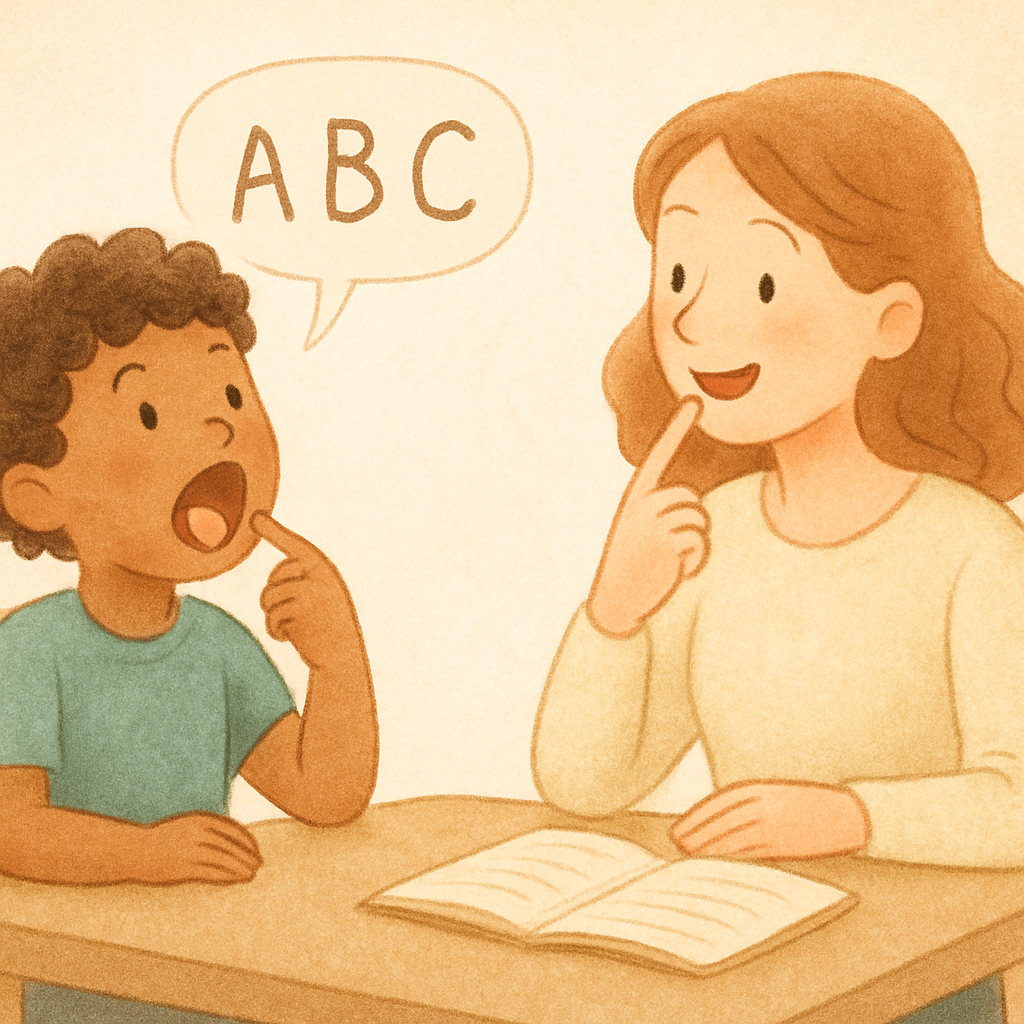
Watching your child grow and reach new milestones is one of the great joys of parenthood. However, children develop at different rates, and it can be stressful if you feel your child’s speech is not progressing as expected. Understanding the basics of language development can help you identify a potential speech delay, particularly for those with developmental disabilities, and take supportive action. A delay in a child's speech can impact many areas of their life, so recognizing the signs early is key to providing them with the right support.
Key Highlights
Here is a rundown of the blog's main points: Speech involves the verbal expression of language, while language is the act of giving and receiving information. Recognizing developmental milestones, including gross motor skills, helps parents identify potential issues like speech or language delays. Professionals diagnose speech delay in young children by evaluating their ability to meet these milestones and by assessing the child's expression of language, comprehension, and communication behaviors through standardized tools and observations.
-
Speech involves the verbal expression of language, while language is the act of giving and receiving information.
-
Recognizing developmental milestones helps parents identify potential issues like speech or language delays.
-
Causes for delays can range from hearing loss and oral impairments to issues related to the palate and developmental disorders like autism.
-
A "late talker" is often developing normally in other areas, unlike a child with a broader speech delay.
-
Parents can support their child’s language development at home by talking, singing, and reading together daily.
-
Early intervention through professional help, like speech therapy, is the most effective approach for addressing delays.
Recognizing Signs and Milestones in Speech Development
One of the best ways to track your child's progress is by knowing typical speech development milestones. These guidelines show what to expect at each age and can alert you to possible delays, including delayed speech.
Speech and language issues are different, though they often overlap. For example, a child may speak clearly but struggle with sentences (a language issue), while another may use phrases but be hard to understand (a speech delay). Understanding these differences helps you spot delays and seek the right support, as untreated children may be at a higher risk of future difficulties.
Common Signs of Speech Delay in Different Age Groups
It can be difficult for parents to know if their child is simply developing slowly or has a speech delay. Certain red flags become clearer as children reach specific ages. If your child isn’t meeting key communication milestones, consider consulting a doctor.
Common signs of speech delay in toddlers include:
-
By 12 months: Not using gestures like pointing or waving.
-
By 18 months, Preferring gestures over sounds to communicate, or trouble imitating sounds, and by the age of 3, they should be using simple sentences.
-
By 2 years: Only imitating speech without creating words or phrases, struggling to follow simple directions, or repeating only a few speech sounds.
If you notice these signs, have your child evaluated by a doctor.
Typical Speech and Language Milestones Parents Should Know
Understanding typical speech development milestones can help you track your child’s progress and ease concerns about how certain factors can cause speech delays. While every child is different, these milestones show the average age for key language skills, from first words to expanding vocabulary.
If your child isn’t talking, consider seeking advice if they have no clear single words by 16–18 months or are showing early signs of speech problems by not using two-word phrases by 24 months. These may be signs to consult your pediatrician.
The table below summarizes important receptive (understanding) and expressive (speaking) language milestones to help monitor your child’s speech:
|
Milestone Type |
Skill |
Mean Age (months) |
|---|---|---|
|
Receptive |
Responds to name |
4 |
|
Receptive |
Follows one-step command with gesture |
12 |
|
Receptive |
Follows two-step command with gesture |
24 |
|
Expressive |
Babbling (consonants and vowels) |
6 |
|
Expressive |
Says “dada/mama” specifically |
10 |
|
Expressive |
Has a 3–5 word vocabulary |
12 |
|
Expressive |
Uses two-word phrases |
24 |
Supporting Children with Speech Delay
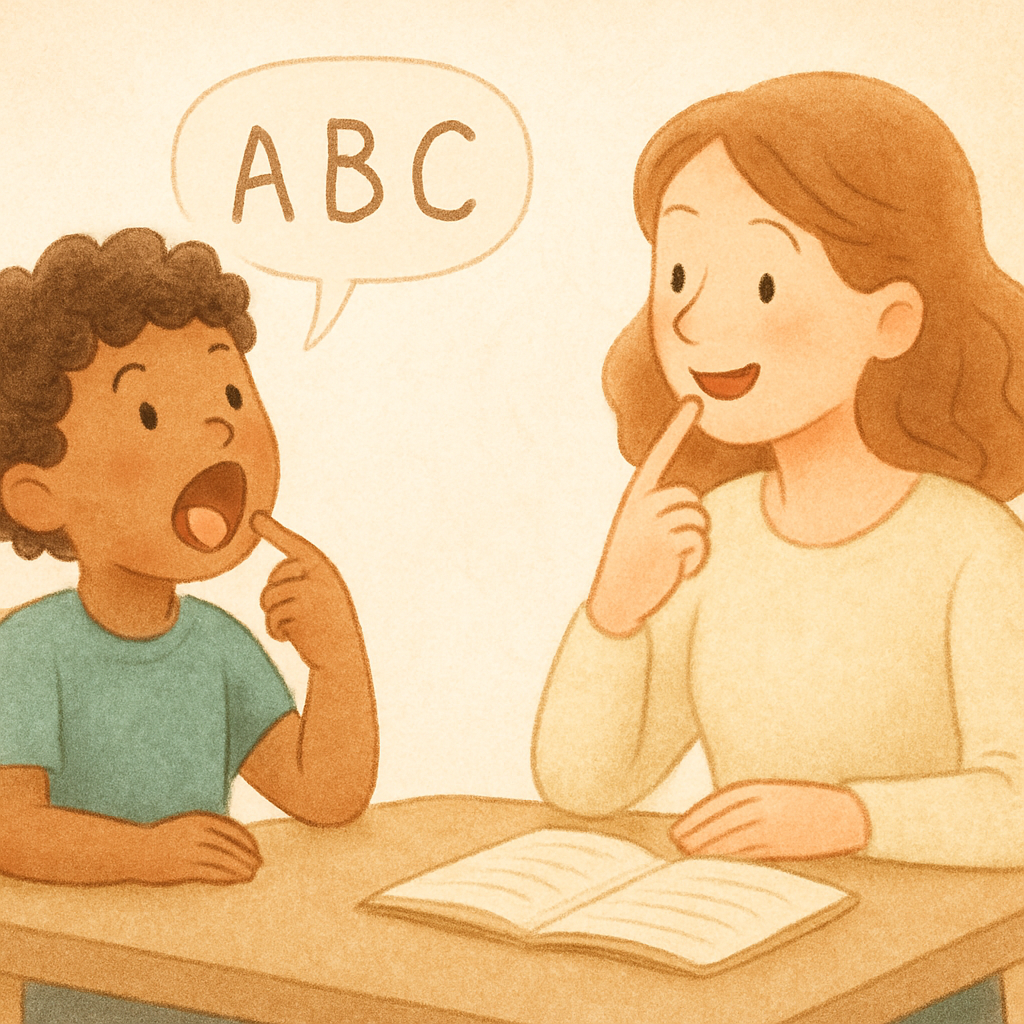
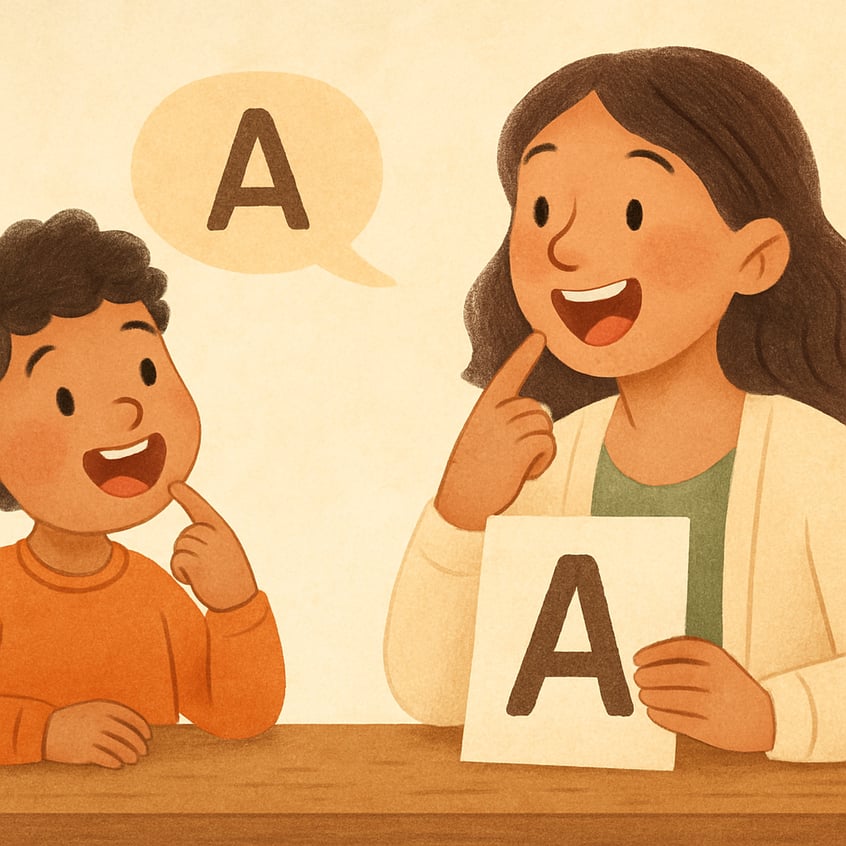
If you are concerned about your child's speech, the best thing you can do is seek support. Early intervention is the most effective approach for helping children overcome communication challenges, and obtaining a referral to professionals can provide speech therapy or language therapy tailored to your child’s specific needs.
As a parent or caregiver, you are a vital part of this process. You can work with therapists to learn strategies that help build your child's vocabulary and communication skills at home, especially if your child has experienced ear infections. The following information provides tips on how you can encourage language at home and when to look for professional guidance.
Strategies for Parents to Encourage Speech and Language at Home
You play a crucial role in your bilingual child's language development. Creating a language-rich environment at home can make a significant difference. Daily routines are perfect opportunities to talk, sing, and introduce new words. Narrate your activities, whether you're cooking dinner, cleaning a room, or shopping for groceries.
How can parents help a child with speech delay at home? Focusing on communication and social interaction is key. Read to your child every day using picture books, and encourage them to point to and name what they see. Keep your language simple but avoid "baby talk." Additionally, be aware that children with cerebral palsy, among other developmental challenges, may require extra support in their speech development.
Here are a few more strategies to try:
-
Talk your way through the day, explaining what you are doing.
-
Sing songs and recite nursery rhymes, especially those with actions.
-
Read age-appropriate books and talk about the pictures together, considering appropriate referrals if necessary.
-
Encourage imitation of your sounds and gestures.
-
Pause and give your child opportunities to respond or initiate conversation.
Effective Strategies for Parents and Caregivers
Once a speech delay is identified, early intervention is key. The main treatment is speech therapy, where a speech-language pathologist works with your child to build communication skills.
Caregiver involvement is essential. Therapists teach you how to support your child at home, reinforcing lessons from therapy and speeding up progress. Activities are often play-based to boost social skills and make learning enjoyable.
Effective strategies include:
-
Enrolling in a speech therapy program.
-
Encouraging communication through talking, singing, and reading.
-
Practicing language-building activities recommended by the therapist.
-
Using daily routines to expand vocabulary and social skills.
Conclusion
Understanding speech delay and speech disorders is vital for parents and caregivers. Early recognition and seeking help can greatly improve a child's communication and development. Supportive home strategies create an encouraging environment for speech growth. Every child develops at their own pace, but with the right support, you can guide them through their speech journey. If concerned, consult a professional—your involvement shapes your child's communicative future.
Contact our experts in speech delay for a consultation or call daar at 02 9133 2500.
Frequently Asked Questions
What are the common causes of speech delay in children?
Speech delay in children can arise from various factors, including hearing impairments, developmental disorders, environmental influences, and lack of stimulation. Additionally, genetic predispositions may contribute to the negative impact of speech delays. Early identification and intervention are crucial for effective support and improvement in speech development.
How can parents identify if their child has a speech delay?
Parents can identify a speech delay by observing their child's ability to communicate. Signs include limited vocabulary, difficulty forming sentences, and challenges in following directions. Autism Spectrum Disorder (ASD) can also be a factor affecting speech. Regularly comparing their child's speech achievements against typical milestones can also help recognize potential delays early on.
What interventions are available for children with speech delays?
Interventions for children with speech delays, including those with developmental delays, include speech therapy, individualized education plans (IEPs), and family support programs. Techniques like play therapy and social skills groups can also enhance communication abilities. Early intervention is crucial for effective outcomes in language development.
.svg)




.svg)