
.png?width=48&height=48&name=Group%201%20(3).png)























27 January, 2026

Stuttering in Children: Signs and Early Intervention Tips
Introduction
Does your child repeat sounds or get stuck on words when they talk? This is often a sign of stuttering, a common speech condition that interrupts the smooth flow of speaking. Many young children experience this as a normal part of developing their language abilities. While most kids outgrow this phase, some may continue to stutter. Understanding the signs of stuttering and knowing when to seek help can make a significant difference in your child's ability to communicate effectively and confidently.
Key Highlights
-
Stuttering is a fluency disorder that disrupts the normal flow of speech with repetitions and pauses.
-
Developmental stuttering is common in young children and often resolves on its own, but persistent cases require attention.
-
Early intervention and speech therapy are crucial for managing stuttering and improving a child's communication skills.
-
Key signs include repeating speech sounds and syllables, prolonging sounds, and visible physical tension when speaking.
-
Creating a supportive home environment significantly helps a child feel more comfortable and confident when talking.
-
Stuttering is distinct from other speech issues like cluttering, apraxia, or articulation disorders.
Understanding Stuttering in Children
Developmental stuttering is common in children aged two to five as their speech develops. Often, it’s a temporary phase that resolves on its own. However, risk factors like a family history can increase the chance of persistent stuttering due to genetics. Understanding these causes helps identify when stuttering may be more than a normal part of development. Next, we'll explain what stuttering is and how it differs from speech delay.
What Is Stuttering and Speech Delay?
Stuttering is a speech disorder affecting fluency—the smooth flow and rhythm of speech. A child who stutters knows what they want to say but has trouble saying words smoothly, leading to repeated sounds, prolonged syllables, or brief pauses (blocks).
In contrast, delayed speech refers to the slower development of language skills. A child with delayed speech may use fewer words or have trouble forming sentences compared to peers their age.
While both impact communication, stuttering is about disruptions in speaking fluently, not limited vocabulary or grammar. Signs of stuttering include repeating sounds ("li-li-like"), stretching out sounds ("sssssee"), or visible tension while trying to speak. Recognizing these signs helps distinguish stuttering from general speech delays.
How Common Is Stuttering in Australia?
While specific data for Australia isn't available, U.S. research offers insight into stuttering’s prevalence. Stuttering affects many young children and is a common part of early speech development, with most outgrowing it by adulthood.
Studies show that 1.4% to 6.0% of children in the U.S., mostly between ages two and five, experience stuttering, boys more often than girls. If your child shows signs of disfluency, you’re not alone.
Understanding these patterns can help set expectations. Certain factors, such as age of onset and family history, may indicate whether stuttering will persist.
|
Category |
Prevalence and Risk Factors |
|---|---|
|
Young Children |
Affects about 1.4% to 6.0% of children |
|
Gender Differences |
More common in boys than girls |
|
Age of Onset |
Starting after age 3.5 increases chances it will continue |
|
Family History |
Family members who stutter raise likelihood |
Early Signs of Stuttering
Early stuttering can be identified by listening for specific speech disfluencies beyond common fillers like "um" or "uh." Common signs include repeating sounds, syllables, or words, and stretching out parts of words.
Stuttering may also involve physical tension, word avoidance, or negative feelings about speaking. Recognizing these signs—audible, physical, and emotional—can help you decide when to seek support.
Audible Disfluencies and Repetitions
The main symptoms of stuttering are noticeable interruptions in speech, which differ from typical speech patterns and can vary in type and frequency. If your child often repeats sounds or gets stuck while speaking, these are common signs of a fluency issue.
These disruptions can make communication difficult and frustrating, often occurring at the start of words but possible anywhere in a sentence. The type of interruption can help identify the nature of the stutter.
Common audible disfluencies include:
-
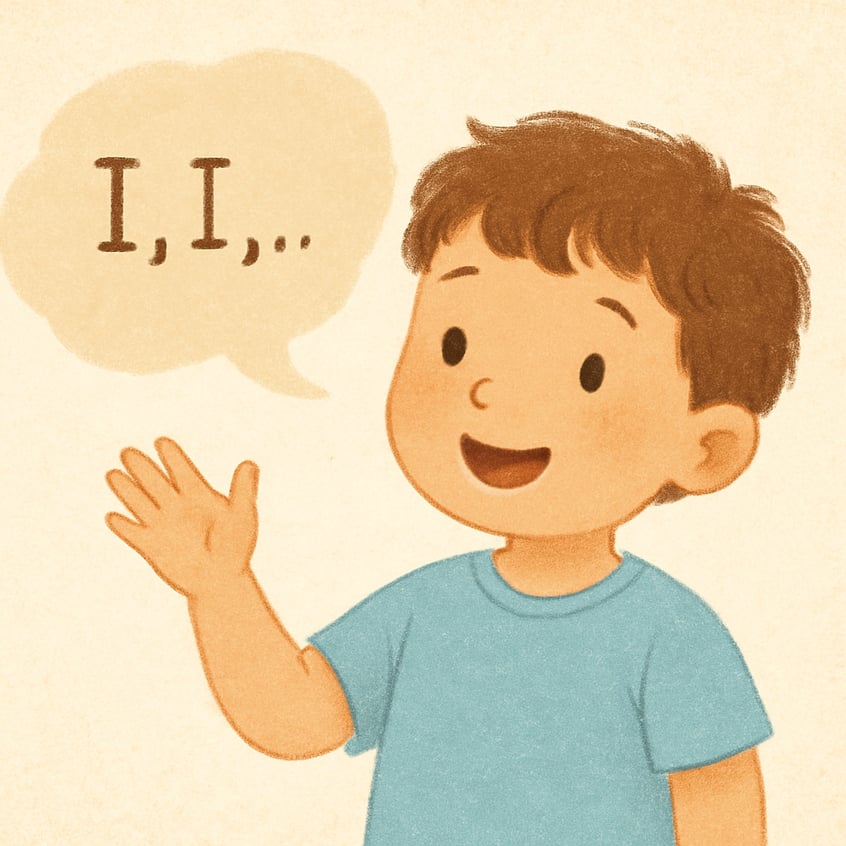
Part-word repetitions (e.g., "W-w-w-we want to go.")
-
One-syllable word repetitions (e.g., "Go-go-go away.")
-
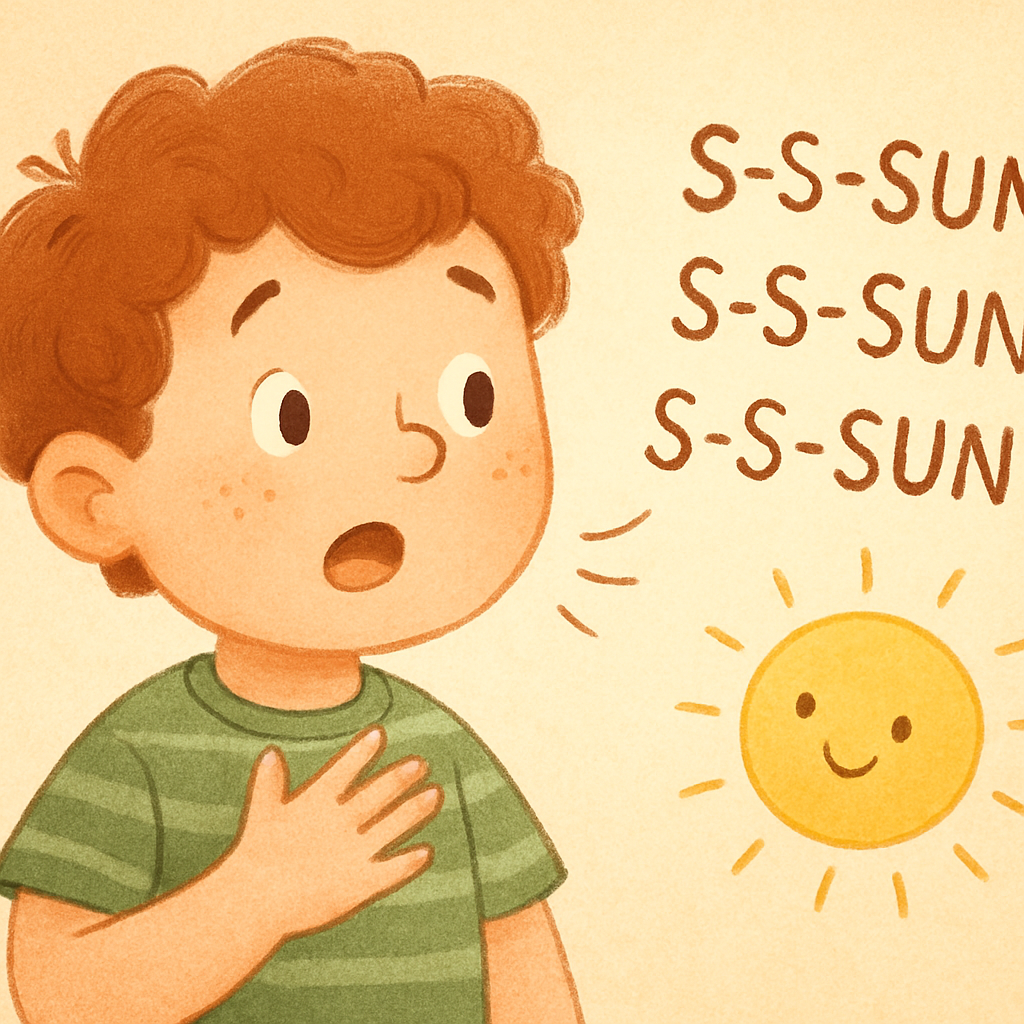
Prolonged sounds (e.g., "Sssssam is my friend.")
-
Blocks or pauses (e.g., "I want a (pause) cookie.")
Physical Behaviors Accompanying Stuttering
Stuttering isn’t just about speech; it can also be seen in physical behaviors. Many children show signs of effort and tension when struggling to speak, such as a slower speech rate.
These physical signs may be subtle, but they are important indicators of stuttering severity. They often worsen with stress, excitement, or self-consciousness, leading to embarrassment and avoidance of speaking.
Common physical behaviors include:
-
Rapid eye blinking
-
Trembling lips or jaw
-
Facial tension or movements
-
Head nodding
-
Clenched fists
Emotional and Social Impact on the Child
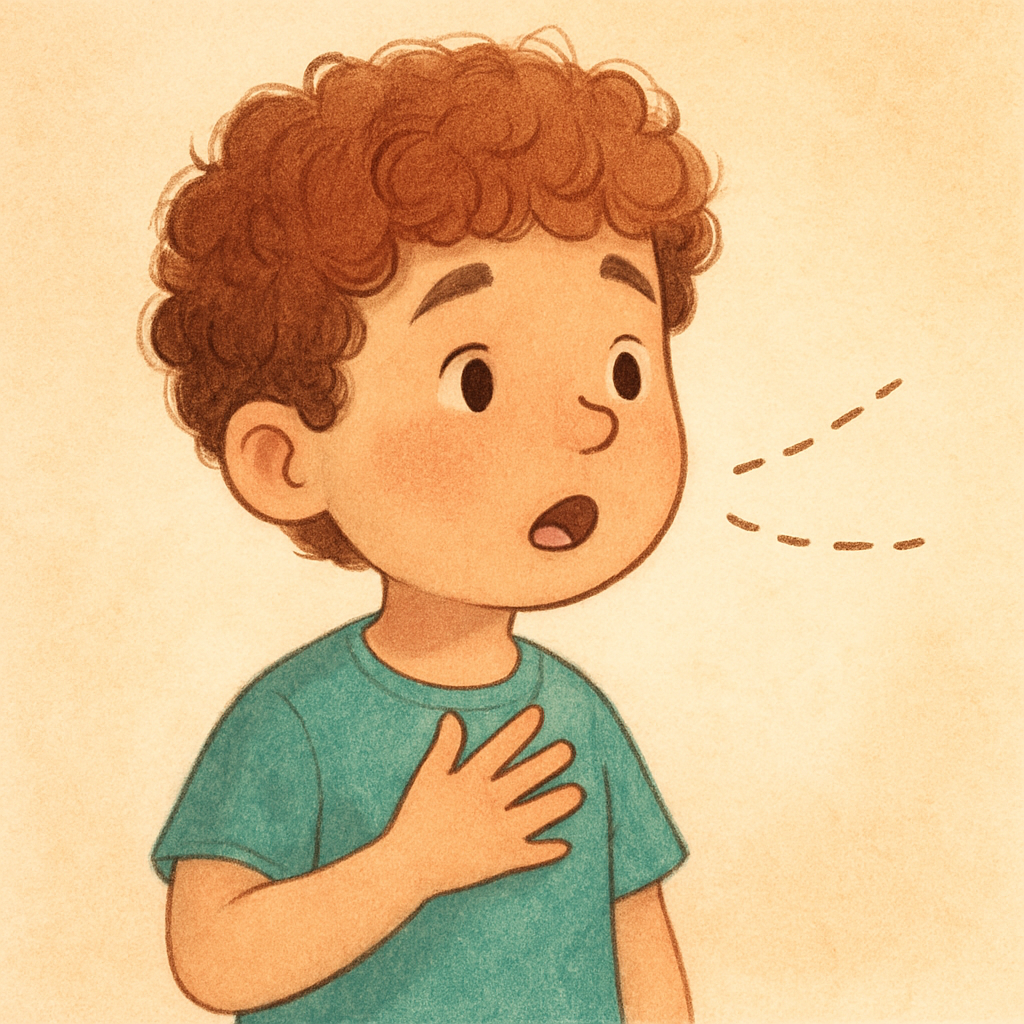
Stuttering affects more than speech—it can impact a child's emotional well-being and social life. Children who stutter often feel anxious or frustrated about speaking, leading them to avoid activities like answering questions in class or talking on the phone.
These challenges can lower self-esteem, trigger fears of teasing, and reduce social participation. The embarrassment of stuttering can weigh heavily on young children.
Supporting their emotional needs is as important as improving speech fluency. A positive environment builds confidence and eases anxiety. Recognizing these emotional signs is crucial for comprehensive support.
Stuttering vs Other Speech Disorders
It's easy to group all speech difficulties, but stuttering is a very specific type of speech disorder. Distinguishing it from other conditions like clutter, apraxia, dysarthria, or articulation problems is essential for getting the right diagnosis and treatment. Each disorder has unique characteristics and requires a different therapeutic approach.
While stuttering affects the flow of speech, other disorders might involve the speed of speech, muscle control, or the way sounds are formed. Understanding these differences can help you better advocate for your child's needs. In the following sections, we will compare stuttering to some of these other speech disorders.
Cluttering and Its Differences from Stuttering
Cluttering and stuttering are both fluency disorders, but they differ significantly. Cluttering involves rapid or irregular speech that’s hard to understand, frequent use of filler words like "um" and "uh," mid-sentence revisions, and unexpected pauses. Unlike stuttering—which features repetitions and blocks—cluttering disfluencies resemble typical speech but occur much more often. People who clutter may not notice their speech issues, while those who stutter are usually aware.
Cluttering stems from problems with organizing thoughts and language formulation, resulting in jumbled speech. Stuttering, on the other hand, is a motor disruption in producing speech, even when the person knows what they want to say.
Distinguishing Apraxia of Speech and Dysarthria
Other speech disorders, such as apraxia and dysarthria, are caused by neurological issues and can be mistaken for stuttering. Unlike developmental stuttering, they often result from stroke, brain injury, or other brain disorders.
Apraxia involves difficulty sequencing mouth movements for speech—the brain knows what to say but can't signal the muscles correctly. Dysarthria is due to muscle weakness from nerve damage, leading to slurred or slow speech.
Neurogenic stuttering may follow brain injury, but remains a fluency issue. In contrast, apraxia and dysarthria affect the coordination and consistency of speech movements, making them distinct from the typical repetitions and blocks of stuttering.
Articulation and Phonological Disorders Compared
When a child has trouble making certain speech sounds, they may have an articulation or phonological disorder. These are different from stuttering, which is about the flow of speech, not the formation of individual sounds. An articulation disorder is the inability to physically produce a specific sound, like saying "wabbit" instead of "rabbit."
A phonological disorder involves a pattern of sound errors. For example, a child might leave off the final consonants of all words. This type of speech sound disorder comes from a problem with the language's sound system rules in the brain, rather than a physical inability to make the sound.
This differs from stuttering because a child who stutters can typically produce all the necessary vowels and consonants correctly. The problem isn't making the sound itself but rather the interruption that occurs when trying to say it. An SLP can determine whether a child's difficulties are related to fluency, articulation, or phonology.
Recognizing Voice Disorders in Children
A voice disorder is a speech issue where a child’s voice quality, pitch, or loudness is inappropriate for their age or gender. Symptoms include a hoarse, raspy, breathy, or strained voice and are caused by problems with the vocal folds in the larynx.
Unlike stuttering, which affects speech flow, voice disorders impact the sound of the voice itself. Causes can be organic (like vocal nodules from overuse) or functional (from inefficient voice use). For example, frequent yelling can lead to a hoarse voice.
If your child’s voice changes persist, consult a healthcare provider. A medical professional—often with a speech-language pathologist—can diagnose and recommend appropriate treatment. This differs from stuttering therapy, which targets fluency rather than voice quality.
Early Intervention Strategies at Home
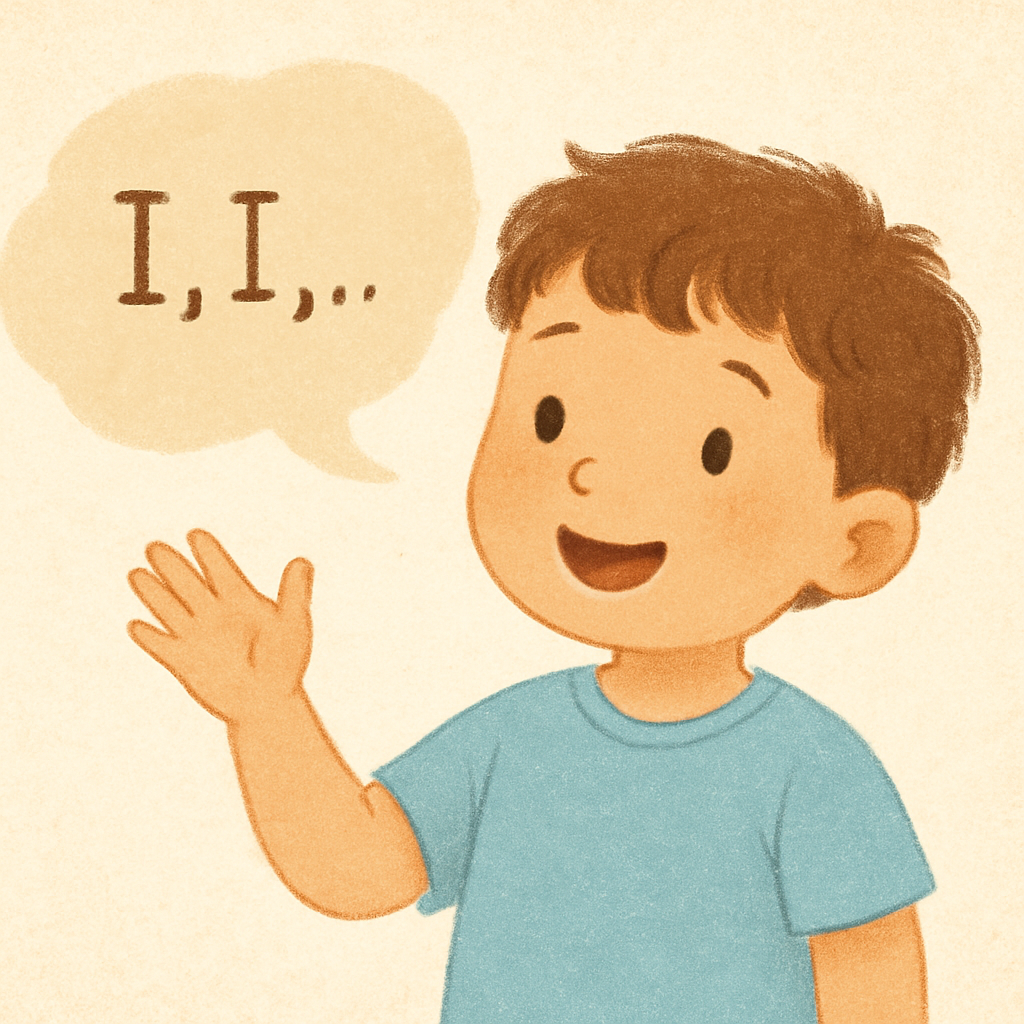
When it comes to stuttering, early intervention can make a world of difference. While professional speech therapy is highly effective, the support you provide at home is just as vital. Family members play a huge role in helping a child feel more confident and less anxious about speaking.
Creating a positive and patient communication environment can reduce pressure and encourage fluency. Before starting, it's always a good idea to talk with your child’s pediatrician or other medical professionals to rule out other issues and get guidance. Here are some strategies you can use at home to support your child.
Creating a Supportive Communication Environment
To help your child at home, create a supportive environment that eases communication. Patience and encouragement from family make children feel safer speaking, even if they stutter. Keep conversations calm and relaxed, especially during meals or one-on-one time.
Focus on what your child says, not how they say it. Avoid interrupting or finishing their sentences to reduce pressure. Making speaking easier boosts confidence and supports mental health.
Your calm, accepting attitude reassures your child they are loved and heard, regardless of fluency. This emotional support can lower anxiety and frustration linked to stuttering, making communication easier.
Practical Tips for Parents to Encourage Fluency
Beyond creating a supportive atmosphere, there are practical steps you can take to encourage fluency. These tips can complement professional speech therapy and help your child build confidence. These strategies are not meant to be treatment options on their own but can significantly improve your child's quality of life. An SLP can provide more targeted exercises through resources like a practice portal.
Making small changes to your own communication style can have a big impact. For example, slowing down your own speech rate can model a more relaxed pace for your child without you having to tell them to "slow down." This encourages smoother speech naturally.
Here are a few practical tips to try:
-
Speak in a slightly slowed and relaxed manner.
-
Pause frequently when you talk.
-
Reduce the number of direct questions you ask your child.
-
Listen patiently and maintain natural eye contact.
-
Let your child finish their own thoughts and sentences.
-
Focus on the content of what your child is saying, not their disfluencies.
Conclusion
In conclusion, understanding stuttering in children is vital for effective early intervention. By recognizing the signs and differences between various speech disorders, parents can create a supportive environment that encourages fluent communication. Implementing practical strategies at home not only helps your child but also fosters their emotional and social well-being. Remember, early identification and intervention can make a significant difference in your child's journey.
If you're looking for tailored guidance to support your child’s speech development, don’t hesitate to reach out for a consultation or call daar at 02 9133 2500 for local professionals today.
Frequently Asked Questions (FAQ)
Understanding stuttering often comes with a lot of questions. Many parents wonder about the signs to look for in their child's speech development. Common inquiries include whether family history plays a role, what treatment options are available, and how to approach healthcare providers regarding concerns. It's essential to recognize that while disfluencies are natural in young children, severe cases may warrant professional intervention. Resources like the Cleveland Clinic and Mayo Clinic offer valuable insights into effective strategies and therapies tailored for different age groups.
Does Stuttering Go Away Without Therapy?
Developmental stuttering often resolves on its own, especially in very young children. However, if stuttering persists for more than six months or its severity increases, therapy is usually recommended. Early diagnosis and intervention can prevent stuttering from becoming a lifelong issue that continues into adulthood.
How Can I Help My Child If They Stutter?
You can help by creating a patient and supportive environment for your child’s speech. Listen without interrupting and model a relaxed speaking style. Consult a healthcare provider or speech-language pathologist to discuss your concerns, especially if there's a family history of stuttering. Professional speech therapy remains the most effective approach.
Are There Famous People Who Have Overcome Stuttering?
Yes, many well-known and successful individuals have managed stuttering throughout their lives. Their stories show that stuttering does not have to limit a person's potential. With effective treatment options and support, it is possible to communicate confidently and achieve great things in adulthood, regardless of the initial severity.
.svg)




.svg)