
.png?width=48&height=48&name=Group%201%20(3).png)























29 June, 2026

Understanding Phonological Disorder: Key Insights
Introduction
It’s completely normal for young children to make mistakes as they learn to talk. This is a natural part of speech development. However, some children continue to have trouble with speech sounds past the expected age. If you've noticed your child's speech is hard to understand, they might have a phonological disorder. This condition affects how the brain organizes sounds. The good news is that with the right support, often through speech therapy, children can significantly improve their communication skills.
Key Highlights
-
A phonological disorder is a speech sound disorder where a child has trouble organizing speech sounds.
-
Children with this condition often show predictable error patterns, like swapping or dropping sounds in their speech.
-
It's different from an articulation disorder, which is about the physical difficulty of making sounds.
-
Early intervention through speech therapy is key to helping a child’s speech and language development.
-
While some mild cases resolve by age 6, many children require a treatment plan from a speech-language pathologist.
Defining Phonological Disorder
A phonological disorder is a type of speech sound disorder where a child struggles to organize sound patterns to form words correctly. This causes consistent speech errors that make the child's speech hard to understand.
Unlike typical speech mistakes that most toddlers outgrow, children with phonological disorders continue these errors past the expected age. Here’s what sets this disorder apart from other speech issues and its main features.
What Is a Phonological Disorder?
A phonological disorder is when a child has trouble understanding and using the rules for how sounds combine to form words. This results in predictable speech errors, such as saying "tat" instead of "cat."
Children with this disorder often have speech that’s hard to understand, especially as they grow older. They may consistently leave out sounds or substitute one sound for another in specific patterns.
Phonological disorders can also affect phonological awareness—the ability to recognize and work with sounds in language—which is crucial for clear speech and later reading skills. Therapy often focuses on improving these foundational abilities.
Phonological Disorder vs. Articulation Disorder
You may hear the terms "phonological disorder" and "articulation disorder" used when discussing speech issues, but they aren't the same. How is a phonological disorder different from an articulation disorder? The key difference lies like the error. An articulation disorder is a problem with the physical production of sounds. A child with this type of speech sound disorder has trouble forming specific sounds correctly with their lips, tongue, or jaw.
For instance, they might have a lisp where they say "thith" instead of "this." This is a motor-based error in creating the sound itself. In contrast, a phonological disorder is a pattern-based error. The child can likely make the individual sound correctly but uses it in the wrong place or swaps it for another sound based on an incorrect rule they've learned.
Think of it this way: articulation is about the motor act of making a sound, while a phonological disorder is about the brain's rules for using sounds. A speech-language pathologist can determine which type of speech sound errors your child is making to ensure they receive the right support.
Key Features of Phonological Disorder in Children
When you're trying to understand if your child’s speech difficulties might be a phonological disorder, it helps to know the key features. These are patterns that go beyond the typical errors seen in early speech sound development. A child’s speech might be marked by simplifications that make words easier for them to say but harder for you to understand.
The main signs of a phonological disorder in children often involve predictable error patterns that persist past a certain age. Instead of just mispronouncing one or two sounds, they apply an incorrect rule across many words.
Here are some common examples of these patterns:
-
Leaving off sounds, especially at the end of words (saying "ba" instead of "bat").
-
Saying only one syllable of a multi-syllable word (like "kee" for "kitty").
-
Changing certain consonant sounds (saying "tat" for "cat").
-
Simplifying a word by repeating a syllable (like "baba" for "bottle").
Typical Speech and Language Development
Every child’s language development is unique, but there are general milestones for speech sound development. Young children often use phonological processes—sound patterns that simplify speech, like saying “wabbit” instead of “rabbit.” This is normal when learning to talk.
These patterns should fade as children grow. If they persist, it may indicate a disorder. Knowing typical timelines helps you recognize when to seek advice. Here are key milestones and signs of possible speech delays.
Milestones in Early Speech Development
As children learn to talk, their speech development follows a general path. It's normal for them to have trouble saying words correctly at first. These little mistakes are part of the learning process as they master new sounds and build their language skills. A child’s speech gradually becomes clearer and easier to understand over time.
Parents often wonder at what age it is normal for children to outgrow phonological errors. Most children naturally stop using these simplification patterns by around age 4 or 5. By age 6, they should be able to make most speech sounds correctly, and by age 8, they typically master all word sounds.
So, when should parents be concerned? If you find that your 4-year-old's speech is still very difficult for strangers to understand, or if your child continues to leave out or substitute sounds past age 5 or 6, it’s a good idea to talk to your pediatrician. You should be able to understand about 50% of a 2-year-old's speech and most of a 4-year-old's speech.
Age Expectations for Phonological Processes
Phonological processes are speech shortcuts children use as they learn language, making complex words easier to pronounce. These patterns are normal but should fade by certain ages.
If these processes continue past the typical age, it may signal a speech disorder. Knowing which patterns are common and when they should disappear can help identify concerns. For example, while dropping the final consonant is typical for toddlers, it should resolve as they grow.
Here’s a quick guide to common phonological processes and when to be concerned:
|
Phonological Process |
Example |
Concern if persists after: |
|---|---|---|
|
Final Consonant Deletion |
“ba” for “bat” |
Age 3 |
|
Syllable Repetition |
“baba” for “bottle” |
Age 3 |
|
Fronting |
“tat” for “cat” |
Age 4 |
|
Cluster Reduction |
“coo” for “school” |
Age 4–5 |
When Does Speech Delay Become a Concern?
Distinguishing between a mild speech delay and a speech disorder can be challenging. While every child develops at their own pace, certain guidelines can help you know when to seek support. A delay is concerning if your child consistently misses speech milestones.
Watch for these signs:
-
Speech isn’t becoming clearer with age.
-
Your child seems frustrated by communication difficulties.
-
They can’t make certain sounds by age 6.
-
They are embarrassed by their speech.
-
They still leave out or substitute sounds by age 7.
-
They’re much harder to understand than peers.
Early intervention is important, as it can prevent delays from affecting learning and social skills. Speak with a professional if you notice these issues.
Signs and Symptoms in Children
Signs of a phonological disorder vary but typically involve consistent speech error patterns. Children may have low speech intelligibility, making it hard for others to understand them—often the most obvious sign for parents. These errors affect groups of sounds, not just individual ones, and can make a child's speech seem "babyish" compared to peers. Here are common indicators and their impact on daily life.
Common Indicators of Phonological Disorders
Identifying the common indicators of phonological disorders can help you understand what to listen for in your child's speech. Unlike occasional sound errors, these signs point to underlying patterns in speech production. They are the main signs of a phonological disorder and suggest a child is having trouble with the rules of their language's sound system.
These speech sound disorders are characterized by simplifications that make talking easier for the child but harder for the listener to comprehend. You might notice that your child consistently changes, drops, or adds sounds across different words.
Some of the most common indicators include:
-
Dropping a consonant sound from a word (saying "at" for "cat").
-
Changing certain consonant sounds (saying "d" for "g," as in "doe" for "go").
-
Difficulty with multisyllabic words, often simplifying them.
-
Repeating a syllable to simplify a longer word (saying "wawa" for "water").
Impact on Everyday Communication
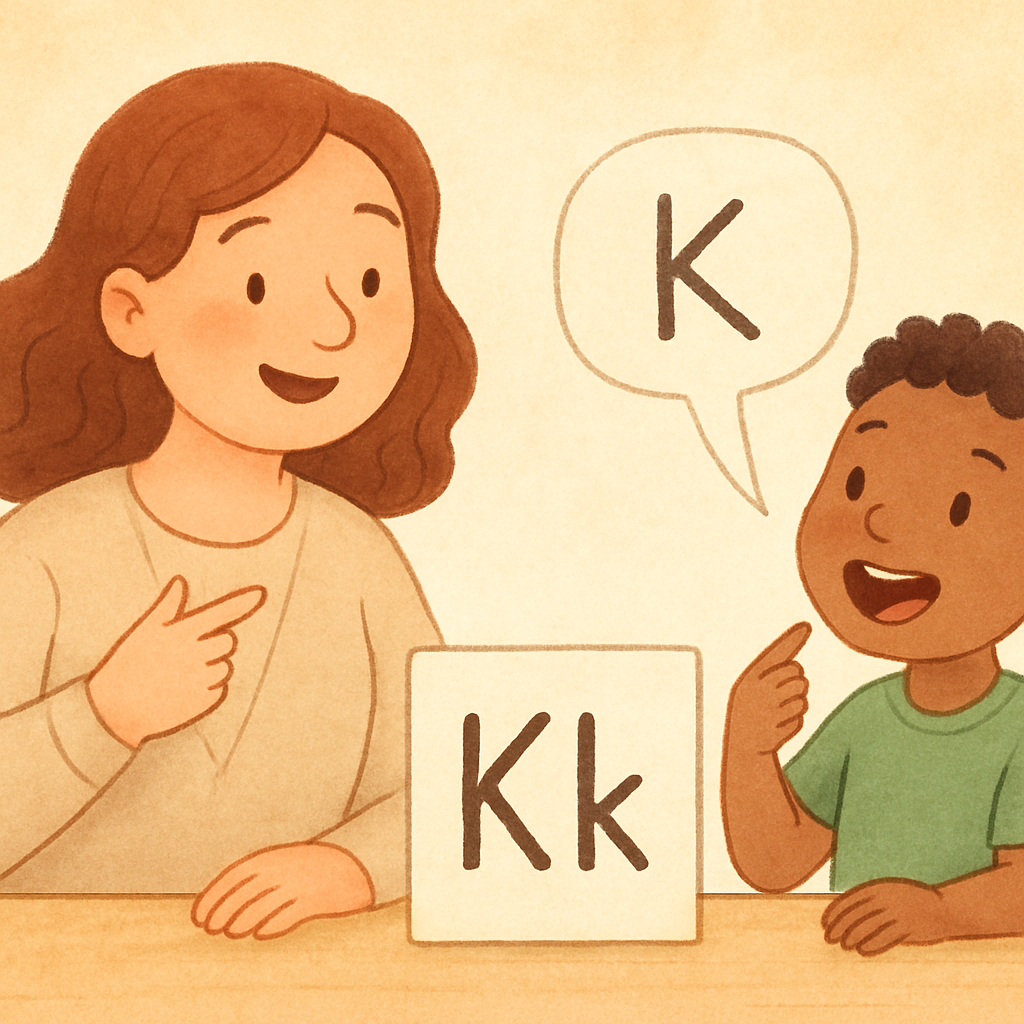
A phonological disorder can make it hard for a child to be understood in conversation. Speech errors may cause their message to get lost, leading to frustration for both the child and their listener. This struggle can hurt the child's confidence and make them avoid speaking situations, which may impact relationships with family and friends.
Everyday interactions—like asking for something or sharing a thought—become difficult. The child knows what they want to say, but trouble organizing sounds makes it hard to express themselves, causing further frustration.
Effects on Social and Academic Interaction
Phonological disorders affect more than just speech clarity—they impact a child’s social and academic life. In school, poor communication can make class participation, group work, and asking questions difficult. These disorders also contribute to learning issues like dyslexia by hindering sound processing, which is essential for reading and writing. As a result, children may struggle to follow instructions and grasp new concepts.
Socially, speech difficulties can lead to teasing, exclusion, and low self-esteem. This isolation can reduce their confidence and willingness to interact with others.
Types of Phonological Disorders
Not all phonological errors are the same. There are different types of phonological disorders, and understanding them can help clarify what is happening with children's speech. The errors can be predictable and consistent, or they can be highly variable, making diagnosis a bit more complex.
Some disorders might also co-occur with other speech and language issues. Knowing the specific type of phonological error pattern can help a speech-language pathologist create the most effective treatment plan. Here, we'll explore some of these different types and related conditions.
Consistent and Inconsistent Phonological Errors
Phonological disorders in children are often classified as consistent or inconsistent. In consistent disorders, a child makes the same predictable speech sound errors across words—like always saying "doe" for "go" or "dame" for "game." This pattern shows the child is applying an incorrect rule, making it easier for therapists to target and correct.
In inconsistent disorders, a child pronounces the same word differently each time—for example, saying "dog" as "pog," "nog," or "cog." This unpredictability makes understanding harder and indicates deeper issues with planning speech sounds.
Cluttering and Its Overlap with Phonological Disorder
Cluttering is a speech disorder related to, but distinct from, phonological disorders. It involves rapid or irregular speech that’s hard to understand. People who clutter may collapse syllables or omit sounds, similar to errors in phonological disorders.
A key difference is awareness: children with phonological disorders usually don’t recognize their errors, while those who clutter can often improve their clarity by slowing down and focusing. Both conditions can occur together, complicating diagnosis.
Speech-language pathologists assess speech rate, error consistency, and language organization when diagnosing these disorders. Effective treatment may need to address both rapid speech and sound pattern issues.
Co-occurring Voice Disorder and Related Conditions
Speech sound disorders often occur with other conditions. For example, a child with a phonological disorder (difficulty with sound patterns) may also have a voice disorder, affecting pitch, volume, or voice quality—such as sounding hoarse, nasal, or unusually high or low.
Voice disorders involve the vocal cords and breath support. Sometimes, the effort of speaking can cause vocal strain and lead to voice issues. Other co-occurring conditions include developmental delays, hearing loss, and genetic disorders like Down syndrome.
Identifying these related issues is key to a thorough evaluation and ensures all aspects of the child's communication needs are addressed in treatment.
Related Speech Problems
Phonological disorders are just one piece of a larger puzzle of communication disorders. It's helpful to understand how they relate to other speech problems. Sometimes, symptoms can overlap, and a thorough evaluation is needed to get an accurate diagnosis. Differentiating between these conditions is key to providing the right support.
A speech disorder can have many different causes and presentations, from physical difficulties to neurological challenges. Let's explore some related issues, such as speech delay, dysarthria, and apraxia, and understand how they differ from or connect to phonological disorders.
Differentiating Speech Delay from Phonological Disorder
A speech delay and a phonological disorder are often confused but differ significantly. A speech delay—sometimes called a phonological delay—means a child develops speech sounds in the usual order but more slowly than peers, making errors typical of younger children.
A phonological disorder, on the other hand, involves error patterns not seen at any stage of normal development. The child makes unusual mistakes or simplifies words in ways that aren't typical.
Key differences:
-
Speech Delay: Sounds develop late but follow the normal sequence.
-
Phonological Disorder: Sound errors are unusual and not seen in normal development.
-
Example (Delay): A 4-year-old says "w" for "r," common for 3-year-olds.
-
Example (Disorder): A 4-year-old says "at" for "cat," dropping the first consonant.
Dysarthria and Its Connection to Phonological Issues
Dysarthria is a speech disorder caused by muscle weakness from neurological conditions like cerebral palsy or brain injury. It affects the muscles used for speaking—lips, tongue, and jaw—leading to slurred, slow, or mumbled speech. Speech errors in dysarthria are often inconsistent and can affect volume and pitch.
In contrast, phonological disorders involve language processing in the brain, not muscle weakness. However, both disorders can occur together, especially in children with neurological issues. A thorough evaluation helps distinguish between them so treatment can address both muscle weakness and language patterns.
Understanding Apraxia of Speech
Childhood apraxia of speech (CAS) is a neurological disorder that affects a child’s ability to plan and coordinate the muscle movements needed for speech. There can be overlap between CAS and phonological disorders, making them hard to distinguish in young children.
In CAS, the brain knows what it wants to say but struggles to send the correct signals to the speech muscles. This causes inconsistent speech errors and difficulty moving between sounds, so words may not be pronounced the same way each time.
While this inconsistency can resemble an inconsistent phonological disorder, CAS is a motor planning problem, whereas phonological disorders are language-based. Treatment for CAS focuses on building muscle memory through repetitive practice, which differs from the pattern-based therapy used for phonological disorders.
Aphasia: Distinction and Possible Overlap
Aphasia is a language disorder caused by damage to brain areas responsible for language, often after a stroke or brain injury. It can affect speaking, listening, reading, and writing, and while most common in adults, children can develop aphasia after brain injury.
Speech errors in some types of aphasia may resemble those seen in phonological disorders; for example, people may substitute or rearrange sounds (phonemic paraphasia), making speech hard to understand. However, unlike phonological disorders—which are developmental issues with the sound system—aphasia is an acquired disorder that affects vocabulary and sentence structure.
A speech-language pathologist can test for these differences and develop a treatment plan based on the underlying cause of the speech errors.
Intervention and Treatment Approaches
The good news is that phonological disorders are treatable. With the right intervention and treatment, children can learn to speak clearly and effectively. The most common approach is speech therapy with a qualified speech-language pathologist. Early intervention is especially powerful, as it can help correct incorrect sound patterns before they become deeply ingrained.
A personalized treatment plan is created based on the child's specific needs and error patterns. This plan often involves a combination of therapy techniques, home-based practice, and school support. Let's explore the different approaches used to help children succeed.
Individualized Speech Therapy Techniques
When it comes to treatment options for children with a phonological disorder, individualized speech therapy is the cornerstone. A speech-language pathologist will design a treatment plan tailored to your child’s unique needs. The goal is to help your child unlearn the incorrect sound patterns they developed and learn the correct ones.
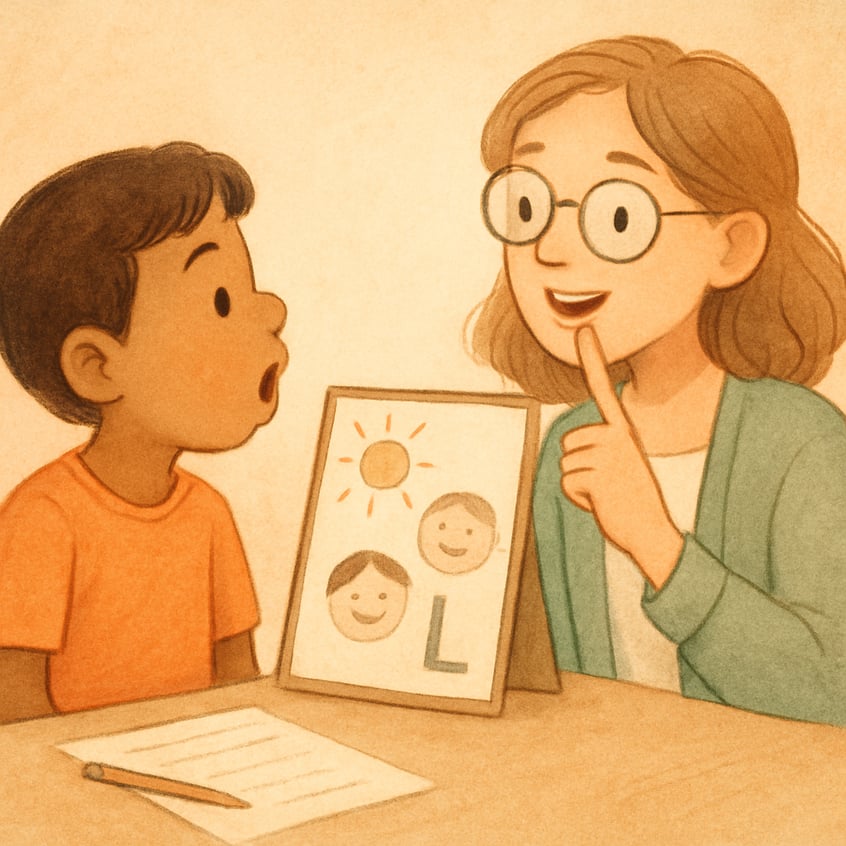
This child language teaching often involves fun and engaging activities. Therapy isn't just about drills; it's about learning through play. The therapist might use games, arts and crafts, or flashcards to target specific phonological processes.
Some common speech therapy techniques include:
-
Auditory Discrimination: Helping the child hear the difference between correct and incorrect sounds.
-
Phonological Awareness Activities: Working on skills like rhyming, blending, and segmenting sounds.
-
Minimal Pairs: Using pairs of words that differ by only one sound (like "tea" and "key") to highlight the sound difference.
-
Practice in Conversation: Moving from single words to phrases and sentences to use the new skills in everyday speech.
Home-Based Strategies for Parents
How can parents support their child at home if they have a phonological disorder? Your role as a parent or family member is incredibly important. The skills learned in speech therapy need to be practiced in everyday life, and you can create a supportive environment for this to happen. These home-based strategies can make a big difference.
One of the best things you can do is model correct speech without directly correcting your child. If your child says, "I see a tat," you can respond with, "Yes, you see a cat! It's a fluffy cat." This provides a gentle correction without making them feel embarrassed.
Here are some other practical tips for home:
-
Read to your child every day to expose them to a rich language environment.
-
Play listening games that focus on different sounds.
-
Incorporate practice into daily routines, like talking about the sounds of items at the grocery store.
-
Praise your child's effort, not just their accuracy.
School-Based Support Services
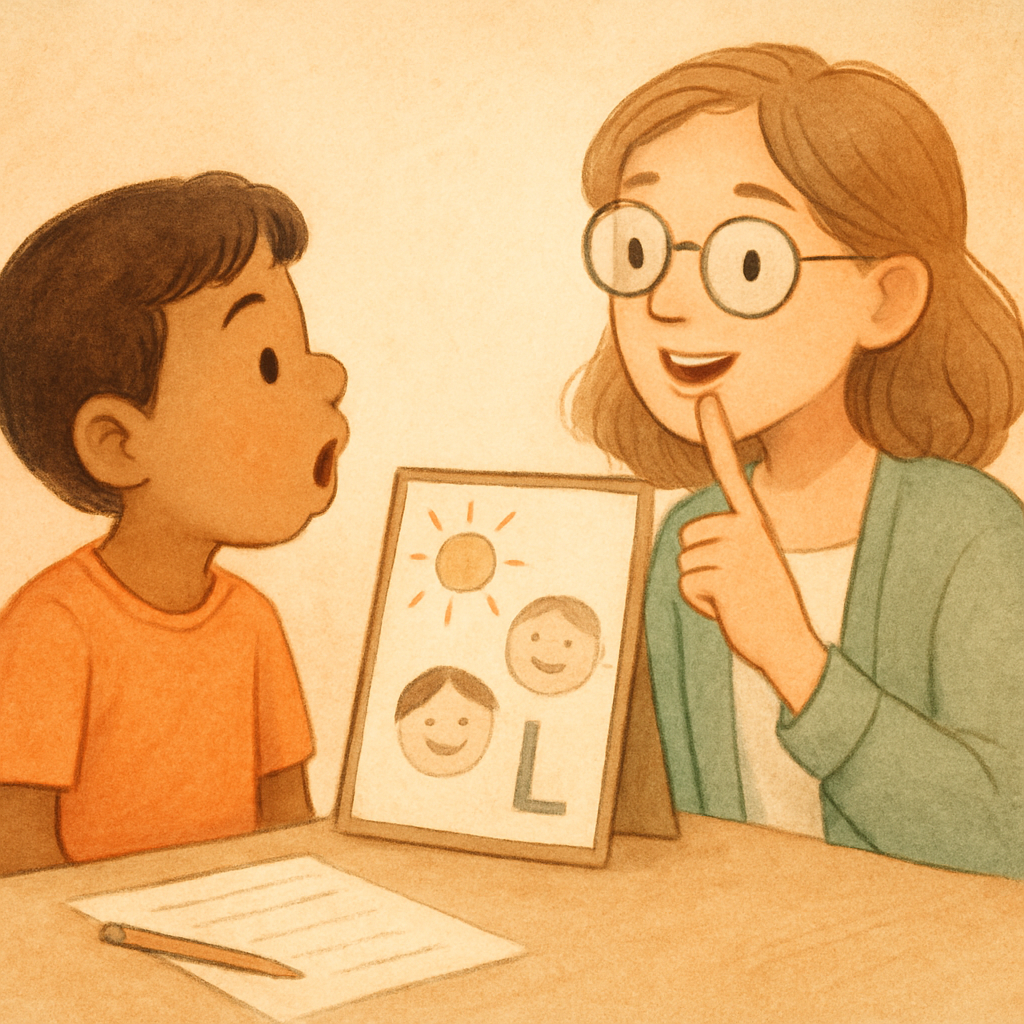
In addition to private therapy, many children can receive school-based support services. Public schools often have speech-language pathologists on staff who can evaluate your child and provide therapy as part of their education. This is a valuable treatment option that ensures your child gets consistent support.
If your child's phonological disorder affects their ability to learn, they may be eligible for an Individualized Education Program (IEP). This is a legal document that outlines the goals and services your child will receive at school. This could include regular speech therapy sessions, classroom accommodations, and additional support from teachers.
Working with your child's school is a collaborative effort. You can share insights from private therapy, and the school therapist can provide updates on your child's progress in the educational setting. This team approach helps ensure your child has the support they need to succeed both academically and socially.
Technology and Applications in Treatment
Technology offers exciting new options for children with phonological disorders. Many apps and software make speech therapy fun and engaging, supplementing traditional sessions and providing extra practice at home.
These tools often use games, animations, and rewards to motivate kids. They provide clear sound models and instant feedback to reinforce skills taught by a speech-language pathologist.
Choose high-quality apps and use them as part of a balanced treatment plan—technology should support, not replace, therapy. Always consult your child’s therapist for app recommendations tailored to their needs.
Common Phonological Processes Seen in Disorders
Phonological processes are the patterns of speech sound errors that children use to simplify speech. While many are a normal part of development, they become a sign of a disorder when they persist past a certain age. Understanding these specific patterns can help you recognize them in your child's speech.
These errors are not random; they follow predictable rules. For example, a child might consistently replace sounds made in the back of the mouth with sounds made in the front. Let's look at some of the most common phonological processes in detail.
Fronting, Stopping, and Gliding Explained
Some of the most typical phonological processes seen in children with these disorders include fronting, stopping, and gliding. These terms describe specific types of speech errors where one sound is substituted for another in a predictable way.
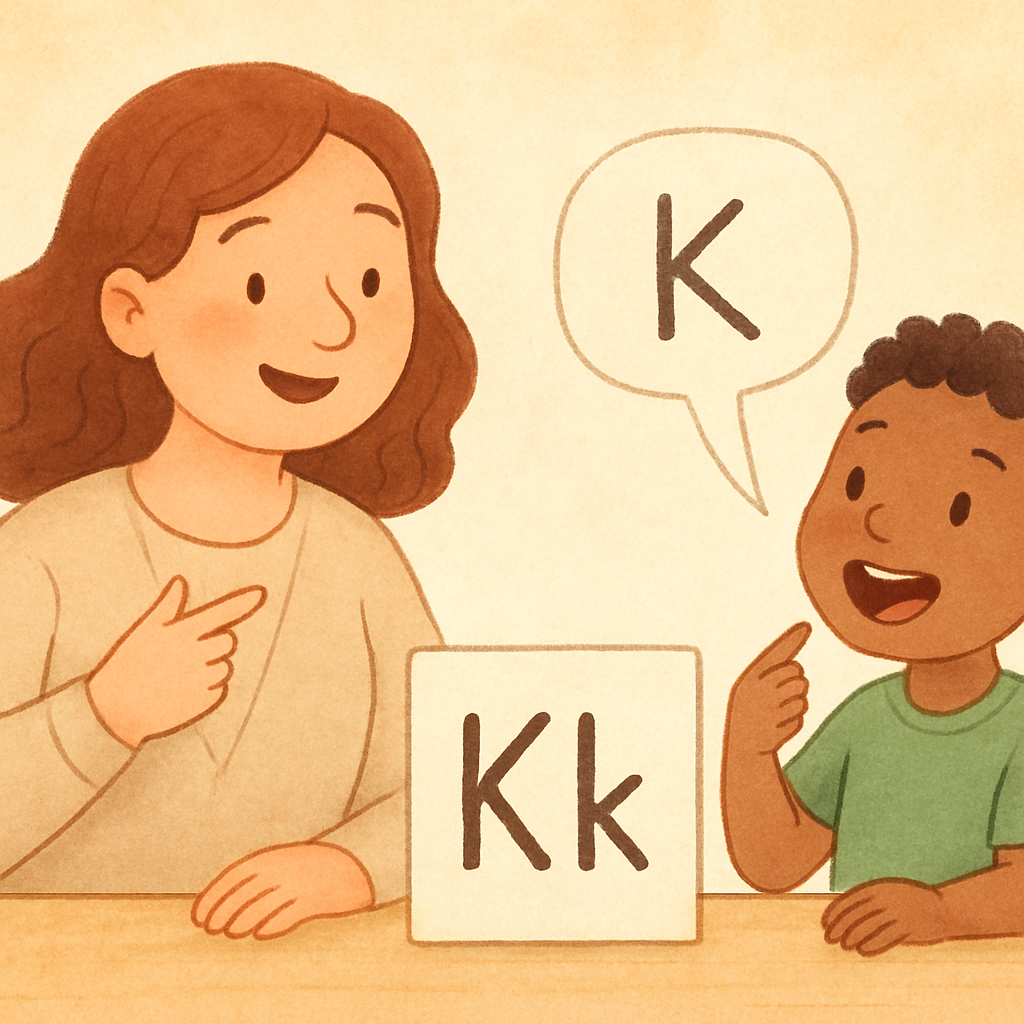
Fronting is when sounds that should be made in the back of the mouth (like 'k' and 'g') are replaced with sounds made in the front of the mouth (like 't' and 'd'). Stopping occurs when a "fricative" sound (a sound with continuous airflow, like 's' or 'f') is replaced with a "stop" sound (a short, explosive sound, like 't' or 'p'). Gliding is when a liquid sound ('l' or 'r') is replaced with a glide sound ('w' or 'y').
Here are some examples:
-
Fronting: Saying "tootie" for "cookie."
-
Stopping: Saying "pun" for "fun."
-
Gliding: Saying "wabbit" for "rabbit."
Cluster Reduction and Final Consonant Deletion
Cluster reduction and final consonant deletion are two more typical phonological processes that involve simplifying word structures. These speech sound errors can significantly impact how easy it is to understand a child's speech, as they involve leaving sounds out of words.
Cluster reduction is when a child omits one or more consonants from a consonant blend (a "cluster"). For example, in the word "spoon," the "sp" is a cluster. A child using cluster reduction might say "poon." Similarly, they might say "nake" for "snake" or "pay" for "play."
Final consonant deletion is exactly what it sounds like: the child leaves the last consonant off a word. This is a very common process in toddlers but should disappear by around age 3. If it persists, a child might say "toe" for "toad" or "ha" for "hat," which can make many words sound the same.
Typical Versus Atypical Patterns
When assessing phonological processes, it’s important to distinguish between typical and atypical patterns. Typical patterns, like final consonant deletion or fronting, are common in normal speech development and usually disappear with age.
Atypical patterns are errors not seen in typical development and suggest a phonological disorder. For example, deleting the initial consonant (“at” for “cat”) or using a back sound for a front sound (“kake” for “take”) are atypical.
Speech-language pathologists are trained to identify these patterns. The presence of atypical processes often indicates a more serious issue and may require intensive intervention. Understanding this distinction helps professionals develop effective treatment plans.
Prognosis and Long-Term Outcomes
The prognosis for children with phonological disorders is generally very positive, especially with early treatment. The long-term outcomes depend on several factors, including the severity of the disorder and when intervention begins. Most children who receive speech therapy go on to speak effectively and lead normal lives.
The goal of treatment is full recovery, where the child can communicate clearly and confidently. While the journey can be different for every child, the potential for success is high. Let's look at the factors that influence recovery and what the future holds for communication skills.
Factors Influencing Recovery
Several factors can influence the speed and success of recovery from a phonological disorder. While treatment options like speech therapy are highly effective, the outcome can vary based on individual circumstances. Understanding these factors can help set realistic expectations for the therapy process.
One of the most significant factors is the severity of the disorder. A child with mild, consistent errors may progress more quickly than a child with a severe, inconsistent disorder. The presence of co-occurring conditions, like hearing loss or developmental delays, can also impact the recovery timeline.
Other key factors influencing recovery include:
-
The age at which treatment begins (earlier is better).
-
The frequency and consistency of therapy sessions.
-
Family involvement and practice at home.
-
The child's motivation and engagement in therapy.
-
A family history of speech or language disorders.
Age and Effectiveness of Early Intervention
Age plays a critical role in the effectiveness of treatment for phonological disorders. Early intervention is widely recognized as the most effective approach. When a child begins speech therapy at a young age, their brain is more adaptable, making it easier to unlearn incorrect patterns and establish new, correct ones.
Parents should be concerned and seek an evaluation if their child's phonological errors persist past the age of 4 or 5, or if their speech is very difficult to understand. Starting therapy before these patterns become deeply ingrained can lead to faster progress and better long-term outcomes.
Waiting to see if a child will "grow out of it" can be risky, especially if the errors are significant or atypical. An early evaluation can determine the child's needs and get them the support they require. Addressing the issue early helps prevent potential academic and social difficulties down the road.
Future Communication Skills
With effective treatment options like speech therapy, the outlook for future communication skills is very bright. The goal of intervention is not just to fix speech errors but to build a strong foundation for lifelong communication. Children who overcome a phonological disorder typically go on to have normal speech development.
They learn to express their thoughts and ideas clearly, allowing them to participate fully in conversations, classroom activities, and social interactions. The language skills gained in therapy, such as phonological awareness, can also have a positive impact on their ability to learn to read and write.
Most children who receive early and appropriate treatment can expect to catch up to their peers. They can build strong relationships and succeed academically and professionally without their early speech challenges holding them back. The journey through therapy helps them develop not just clear speech, but also confidence in their ability to communicate.
Support Strategies for Families
Navigating a phonological disorder diagnosis can be challenging for families. However, there are many support strategies you can use to help your child and make the process smoother. Your involvement is a key part of your child's success in and out of speech therapy.
Creating a positive and encouraging communication environment at home is essential. In addition, knowing where to find resources and how to advocate for your child can empower you on this journey. Let's explore some practical tips and avenues for support.
Practical Tips for Communicating at Home
Family members play a huge role in supporting a child's communication skills. At home, you can reinforce what your child is learning in therapy in a natural and low-pressure way. The goal is to boost their confidence and speech awareness without making them feel constantly corrected.
One of the most effective strategies is to be a good speech model. Speak clearly and at a moderate pace. When your child makes an error, you can rephrase their sentence using the correct sounds. This provides a gentle correction and shows them the right way to say it.
Here are some other practical tips for home:
-
Focus on what your child is saying, not how they are saying it.
-
Set aside dedicated time for reading and talking together without distractions.
-
Play games that encourage listening and sound awareness.
-
Praise their efforts to communicate, which builds confidence.
-
Avoid pressuring them to "say it right."
Advocacy and Resources in Australia
Finding the right resources and learning to advocate for your child are powerful ways to support them. In Australia, organizations like Speech Pathology Australia can be a great starting point for finding qualified professionals and reliable information. Your advocacy ensures your child gets the support they need at school and in the community.
You can also look for local parent support groups. Connecting with other families who are on a similar journey can be incredibly helpful. They can share experiences, offer advice, and provide emotional support. Professional publications, like the Journal of Speech, Language, and Hearing Research, often have articles that can provide deeper insights, though they are more technical.
Here are some general ways to find resources and advocate for your child:
-
Ask your speech-language pathologist for recommendations on local services.
-
Talk to your child's school about available support programs.
-
Seek out non-profit organizations dedicated to childhood communication disorders. For example, foundations like the California Scottish Rite Foundation in the United States work to increase awareness and provide treatment.
-
Keep records of your child's assessments and progress to share with their educational team.
Conclusion
In summary, understanding phonological disorders is essential for identifying and addressing the communication challenges that children may face. Recognizing the signs and symptoms early can lead to timely intervention, which significantly enhances long-term outcomes. With the right support strategies and targeted therapies, children can improve their speech and language abilities, fostering better social interactions and academic success. Families play a vital role in this journey, as they can implement practical tips at home to aid their child’s communication development. Remember, effective communication is a cornerstone of personal and social growth, and every step you take towards understanding and supporting your child can make a significant difference.
If you're seeking additional guidance, consider reaching out for a consultation or call daar at 02 9133 2500 to tailored to your child's needs.
Frequently Asked Questions
How do phonological disorders affect a child’s ability to be understood?
Phonological disorders significantly impact a child’s ability to be understood. The consistent patterns of speech errors, like dropping or substituting speech sounds, reduce their speech intelligibility. This can make a child's speech very difficult for others to decipher, leading to frustration and breakdowns in their communication skills.
Is there a link between phonological disorder and childhood apraxia of speech?
Yes, there is a connection, and the two speech sound disorders can be difficult to tell apart. While a phonological disorder is a language-based pattern issue, childhood apraxia of speech is a motor planning issue rooted in speech processing. They can co-occur, and both involve inconsistent errors, but they stem from different underlying causes.
How can parents help their child with phonological disorder at home?
Family members can help by modeling correct speech without directly correcting speech sound errors. Read together daily, play listening games to build speech awareness, and praise your child’s communication efforts. This supportive environment reinforces what they learn in speech therapy and helps improve your child's speech in a positive way.
NDIS Registered Provider
Ready to Get Started with NDIS Speech Therapy?
Our registered speech pathologists support children and adults with language delay, autism, stuttering, and AAC needs across Australia. NDIS-funded, in-home and telehealth available.
NDIS Registered Provider
Ready to Get Started with NDIS Speech Therapy?
Our registered speech pathologists support children and adults with language delay, autism, stuttering, and AAC needs across Australia. NDIS-funded — in-home and telehealth available.
.svg)




.svg)