
.png?width=48&height=48&name=Group%201%20(3).png)























13 January, 2026

The Role of Speech Pathology in Child Development
Introduction
Watching a child grow includes celebrating many milestones, and developing clear communication skills is one of the most important. Sometimes, a child may need extra support on this journey. This is where speech pathology plays a vital role in child development. These dedicated healthcare professionals help children overcome communication challenges, ensuring they can express themselves confidently. Whether you're in Australia or anywhere else, understanding the role of a speech pathologist is the first step toward supporting your child’s growth.
Key Highlights
-
A speech pathologist diagnoses and treats various communication disorders in children.
-
Early intervention through speech therapy is crucial for addressing developmental delays.
-
Speech therapy helps with speech sound disorders, language delays, and social communication.
-
Treatment improves a child's ability to express thoughts and understand others.
-
Improving communication skills can significantly boost a child's confidence and overall quality of life.
-
Therapy often involves play-based activities to make learning engaging and effective.
Common Communication Disorders in Children
Children can experience a variety of communication disorders that affect their ability to speak, understand, and interact with others. These can stem from developmental delays, hearing loss, or even a brain injury. Common issues include speech disorders, which affect how sounds are made, and language disorders, which involve trouble understanding or using words.
A speech pathologist is trained to identify and treat these specific challenges. By assessing a child’s unique needs, they create a plan to help them build the skills necessary for effective communication, leading to better social and academic outcomes. The following sections will look closer at some of these specific disorders.
Speech Sound Disorders Explained
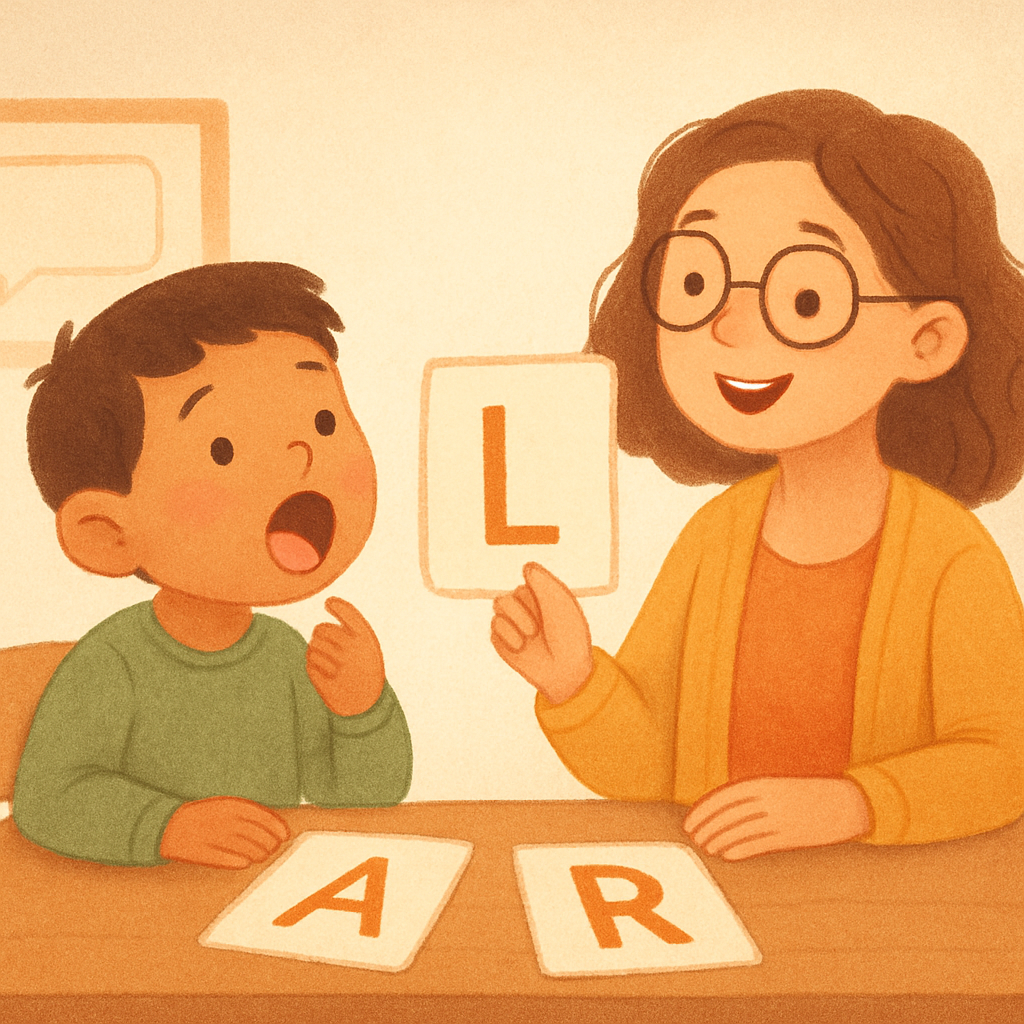
Have you ever noticed a child substituting sounds, like saying "wed" for "red"? This is a common example of speech sound disorders. These issues make it difficult for a child to produce certain sounds correctly, which can make their speech hard to understand. These challenges fall into categories like articulation disorders, where forming sounds is the problem.
Another type is fluency disorders, such as stuttering, which disrupt the natural flow and rhythm of speech. A child might repeat sounds or get stuck on a word. These disruptions can cause frustration and affect a child's confidence when speaking with others. If you are interested in studying speech pathology at university, you typically enroll in an undergraduate program in communication sciences and disorders or a related major. Coursework covers topics such as speech sound disorders, fluency disorders, and language development. After earning your bachelor's degree, you can pursue a master's in speech-language pathology, which prepares you for clinical practice and certification.
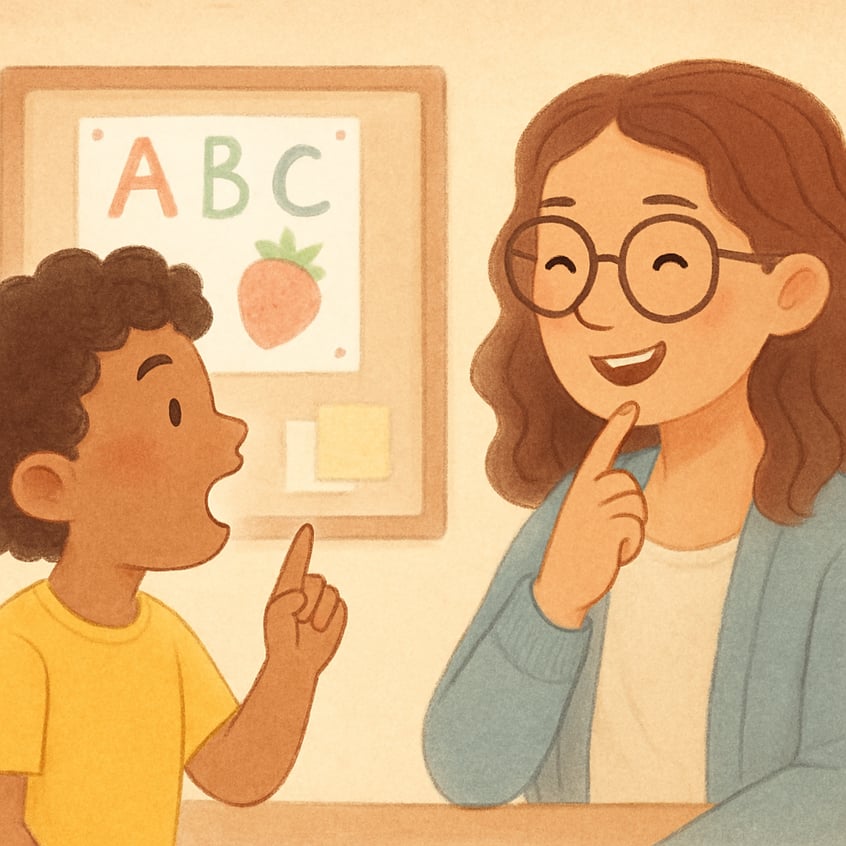
Speech therapy is the primary treatment for these conditions. A therapist uses targeted exercises and activities to help a child learn how to form sounds correctly and speak more smoothly. This process strengthens the connection between their brain and mouth, making communication easier and more effective.
Language Delays and Disorders
Beyond just making sounds, communication involves understanding and using language. Some children face language delays or disorders, which can impact their language development in two main ways: receptively and expressively. A receptive language disorder means a child has difficulty understanding what others are saying. They might struggle to follow directions or seem uninterested in conversations. If you’re interested in helping children with language delays and disorders, you may consider becoming a speech pathologist. To become a speech pathologist, you typically need to earn a master's degree in speech-language pathology, complete a clinical fellowship, and obtain certification and state licensure.
On the other hand, an expressive language disorder involves difficulty sharing thoughts and feelings. A child may have a limited vocabulary or struggle to put words together to form coherent sentences. These language disorders can make it challenging for a child to participate in classroom activities and connect with their peers.
Speech pathology helps by targeting these specific areas. A speech pathologist will work on improving language comprehension and expression through structured activities. They help expand a child's vocabulary and teach them how to build sentences, giving them the tools they need for successful communication.
Social Communication in Speech Pathology
Communication is more than just words; it's also about how we interact with others. Social communication skills involve using verbal and nonverbal communication in social settings. For some children, this can be a real challenge. They may have trouble with the back-and-forth of conversation or understanding social cues.
A speech pathologist can address social communication problems by teaching children the unwritten rules of social interaction. This includes understanding body language, tone of voice, and other forms of nonverbal communication to help them build stronger relationships. Let's explore the key parts of social communication and how to spot potential issues.
Essential Components of Social Communication
Effective social communication is built on several key components. One of the most important is what experts call pragmatic language, which is essentially the social use of language. It's about knowing how to talk to different people in different situations, like using a polite tone when asking for something.
Another critical element is understanding and using nonverbal communication. This includes reading facial expressions, making eye contact, and interpreting body language. These nonverbal cues often say more than words and are vital for understanding the full context of a conversation.
Mastering these social communication skills involves several abilities. A speech pathologist will focus on helping children develop in areas such as:
-
Taking turns in a conversation
-
Staying on topic
-
Understanding humor and figurative language
-
Using and interpreting gestures and facial expressions
Recognizing Social Communication Disorders
How can you tell if a child is struggling with social communication problems? Children with social communication disorders often have difficulty navigating the social world. They might not understand how to start or end a conversation, or they may talk at length about their interests without letting others speak.
These communication challenges are a core feature of autism spectrum disorder, but they can also exist on their own. The child may know what they want to say but struggle with the social rules of when and how to say it. This can lead to difficulties making friends and can be isolating.
If you notice your child consistently struggling with conversational turn-taking, understanding nonverbal cues, or adapting their language to the social context, it might be a sign of a social communication disorder. A speech pathologist can perform an assessment to identify these issues and provide targeted support.
Early Intervention and Its Impact
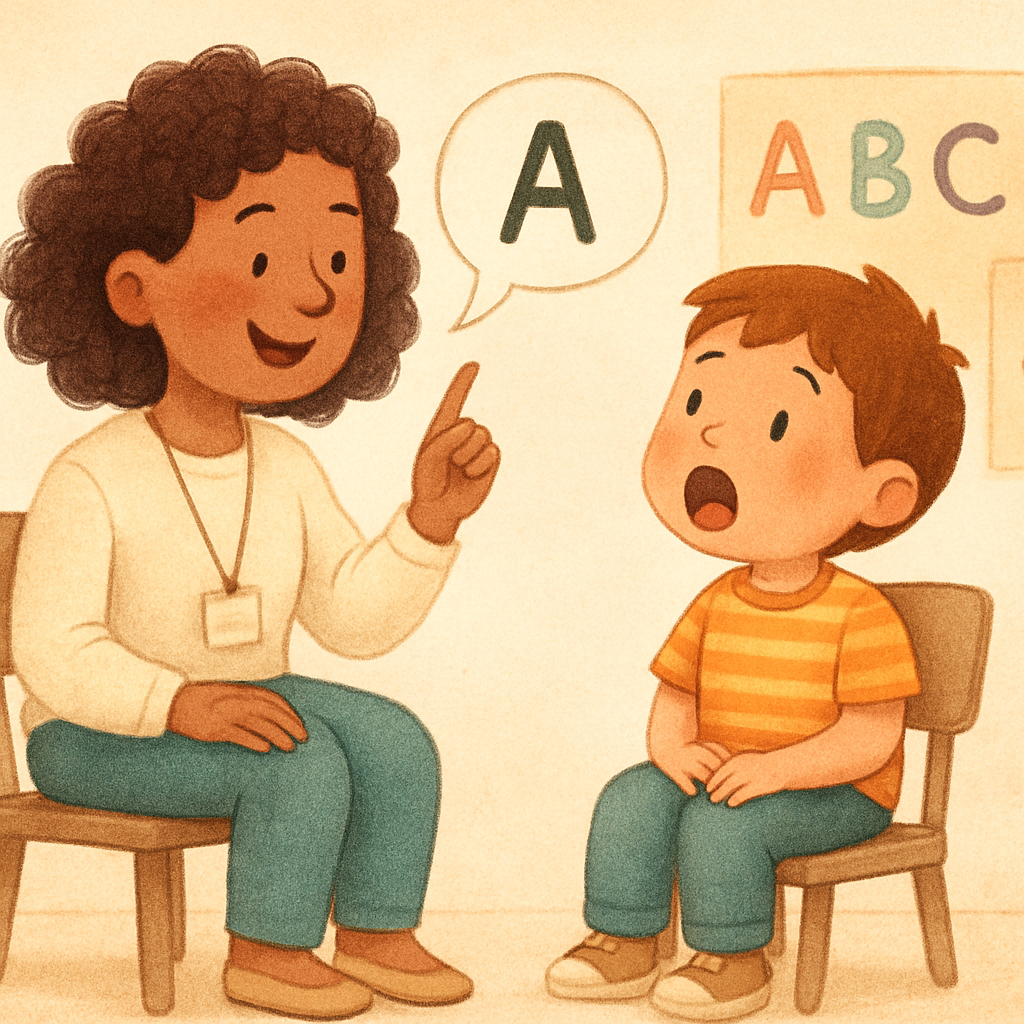
When it comes to addressing developmental delays in communication, timing is everything. Studies show that early intervention provides the best possible outcomes for children. Starting speech pathology services as soon as a problem is identified can make a significant difference in a child's long-term success.
This proactive approach to health care helps children build foundational skills before challenges become more ingrained. A speech pathologist can provide support that helps close the gap caused by developmental delays, setting a child up for better school readiness and social integration. Let’s look at the specific benefits and signs that indicate a child may need an assessment.
Benefits of Early Speech Therapy
Starting speech therapy early offers a host of advantages that can shape a child's future. Early intervention capitalizes on a young child's brain development, as this is when they are most receptive to learning new skills. Addressing communication difficulties early can prevent related academic and social problems from developing later on.
This proactive support enhances overall language development, giving children the tools they need to succeed in school and in life. Ultimately, building strong communication skills improves a child's self-esteem and quality of life, allowing them to express their needs and build meaningful connections with others.
The benefits of early intervention are clear and impactful.
|
Benefit Category |
Specific Advantage |
|---|---|
|
Improved Communication |
Better ability to express thoughts, feelings, and needs. |
|
Enhanced School Readiness |
Stronger foundation for reading, writing, and classroom participation. |
|
Increased Confidence |
Greater self-esteem from being able to communicate effectively. |
|
Better Social Skills |
Easier time making friends and interacting with peers. |
Signs Children May Need Assessment
It can be hard for parents to know if their child's struggles are a normal part of development or a sign of a deeper issue. While every child develops at their own pace, certain signs may indicate developmental delays that warrant an assessment from a speech pathologist.
Recognizing these signs early is the first step toward getting your child the support they need. If you notice your child is falling behind on communication milestones, it's always best to consult a professional. A speech pathologist can determine if there are underlying speech disorders or delays.
Keep an eye out for these common warning signs:
-
Talking infrequently or much less than other children their age.
-
Struggling to understand simple instructions or sentences.
-
Getting easily frustrated when trying to talk or express themselves.
-
Having speech that is difficult for unfamiliar listeners to understand.
Speech Therapy Methods and Practices
So, what actually happens in speech therapy? A speech pathologist uses their clinical experience to create individualized treatment plans tailored to your child's specific needs. These plans are designed to be engaging and effective, often incorporating play-based activities to make learning fun.
Therapists work on everything from strengthening the muscles in the mouth to building vocabulary and social skills. They may also collaborate with other professionals, like occupational therapists, to provide holistic care. Now, we'll explore different therapy formats and how these methods are applied in practice.
Individual vs Group Therapy Options
When a child begins speech therapy, the treatment plans may involve either individual or group sessions. Individual therapy provides one-on-one attention from the therapist. This format is ideal for targeting specific goals and allows the therapist to adjust the pace and activities based on the child's immediate responses.
Group therapy, on the other hand, brings together a small number of children who are working on similar skills. This setting is excellent for practicing social communication in a supported environment. It allows children to learn from their peers and apply their skills in a more natural, interactive setting. Many clinics and private practices offer both options.
The choice between them depends on the child's needs:
-
Individual therapy offers focused, personalized attention.
-
Group therapy provides opportunities to practice social and conversational skills.
-
Sometimes, a combination of both is used for comprehensive support.
Integrating Play and Everyday Activities
One of the most effective ways to support a child's progress is to bring speech therapy strategies into daily life. A speech pathologist can show you how to turn everyday routines and playtime into opportunities for learning. This helps reinforce the practical skills learned in therapy sessions.
For example, you can practice language skills during a trip to the grocery store by naming items and describing what you see. Reading books together is another fantastic way to build vocabulary and language comprehension. Working with occupational therapists can also provide more ideas for integrating skill-building into play.
Here are a few simple ways to support your child at home:
-
Use games and puzzles that encourage problem-solving and vocabulary.
-
Talk about your day, encouraging your child to share their thoughts and experiences.
-
Follow the therapist's guidance for specific exercises and activities.
Conclusion
In conclusion, understanding the role of speech pathology in child development is crucial for fostering effective communication skills. Early intervention can make a significant difference in a child's ability to express themselves and engage socially, ultimately setting them up for success in various aspects of life. By recognizing communication disorders and seeking the right therapies, parents can provide their children with the support they need to thrive. Remember, every child is unique, and tailored strategies can enhance their development.
If you're interested in learning more about how speech pathology can benefit your child, feel free to reach out for a consultation or call daar at 02 9133 2500.
Frequently Asked Questions
What are common conditions treated by speech pathologists?
A speech pathologist treats a wide range of communication disorders. These include developmental speech disorders, language delays, stuttering, and social communication difficulties. They also help with issues resulting from conditions like a brain injury, autism spectrum disorder, or a cleft palate, improving a person’s ability to speak and be understood.
How can parents support their child's progress at home?
Parents can be powerful allies in their child's progress. You can support their communication skills by incorporating strategies from speech therapists into daily life. Practice the exercises included in their treatment plans and use everyday moments, like mealtimes and play, to build practical skills in a fun and natural way.
Are there specialized programs for social communication challenges in Australia?
Yes, speech pathology in Australia offers specialized support for social communication skills. Practitioners can pursue specialty certification after completing their academic accreditation, allowing them to focus on areas like social communication. The Australian government and professional bodies ensure that high standards are met, so you can find programs designed to address these specific challenges.
.svg)




.svg)