
.png?width=48&height=48&name=Group%201%20(3).png)























8 January, 2026

Discover Effective Speech Therapy Strategies Today
Introduction
Have you or a loved one ever struggled to express thoughts or understand others? Communication is key to connecting with the world, but sometimes challenges can get in the way. That's where speech therapy comes in. This effective treatment helps people improve their communication skills and build stronger language skills. Whether it’s for a child learning to speak or an adult recovering from an injury, speech therapy can make a significant difference in daily life and confidence.
Key Highlights
-
Speech therapy helps individuals of all ages with a wide range of speech disorders and language disorders. To become a speech pathologist, one typically needs a master's degree in speech-language pathology, state licensure, and clinical experience through supervised internships or fellowships. Qualified speech therapists create personalized plans to improve your communication skills. Therapy can address issues from stuttering and articulation problems to difficulties caused by brain injuries or neurological conditions.
-
Qualified speech therapists create personalized plans to improve your communication skills.
-
Therapy can address issues from stuttering and articulation problems to difficulties caused by brain injuries or neurological conditions.
-
For children, therapy often involves play-based activities, while adult sessions focus on rebuilding specific skill sets.
-
The ultimate goal is to enhance communication, boost confidence, and improve your overall quality of life.
Exploring Speech Therapy: An Overview
Speech therapy is a specialized treatment designed to help with communication disorders. It focuses on improving your ability to speak and use other language skills, helping you express your thoughts clearly and understand what others are saying. It’s a vital tool for supporting language development at any age.
A trained professional, known as a speech pathologist, will evaluate your needs and guide you through the process. Organizations like Speech Pathology Australia set the standards for these professionals, ensuring you receive high-quality care. Let’s look closer at what speech therapy involves and how it can help you.
What Is Speech Therapy and How Does It Work?
Speech therapy helps improve your ability to speak, use, and understand language. Speech therapists tailor exercises and treatments to address your specific challenges, which can also boost memory and problem-solving skills.
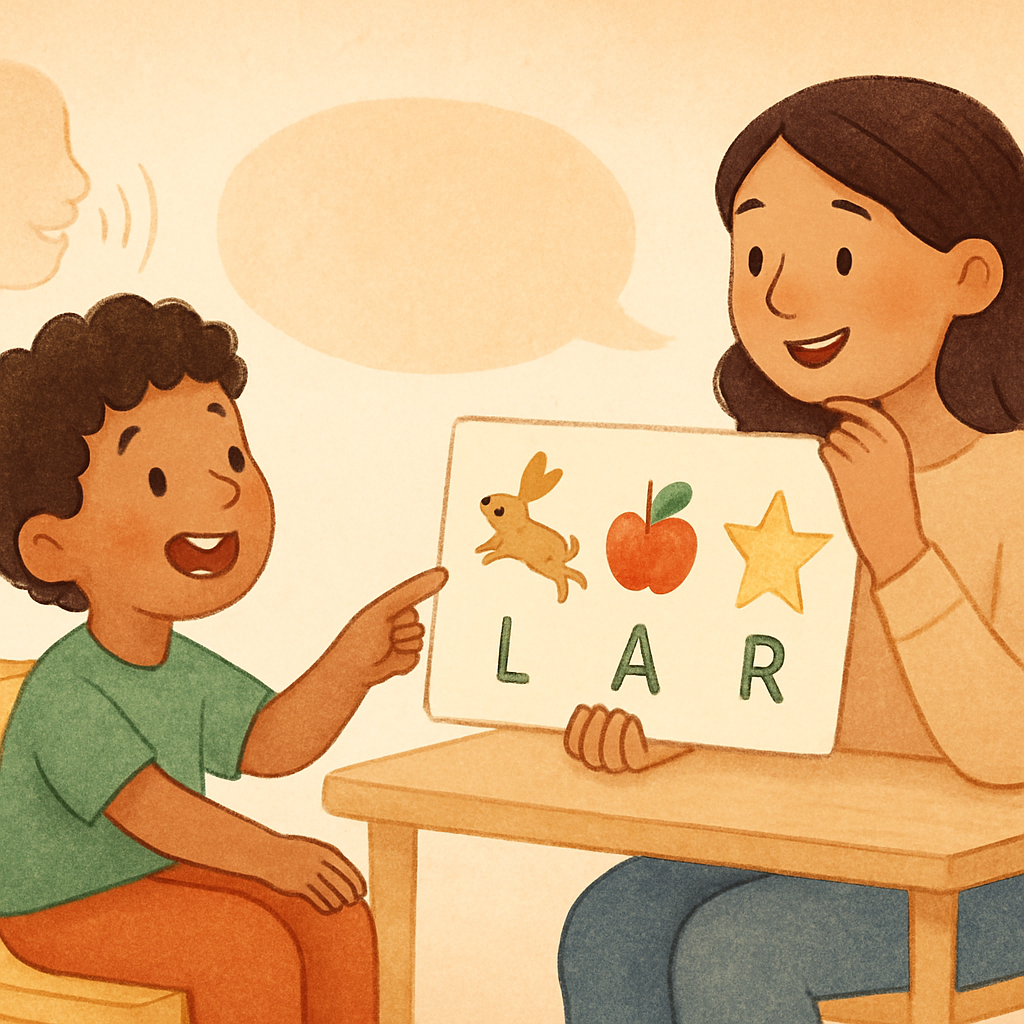
Sessions are personalized based on your diagnosis, age, and needs. For children, therapy often includes play-based activities like board games or picture cards. For adults, sessions focus on rebuilding communication skills needed for daily life.
The core approach is targeted practice. By repeating exercises that strengthen mouth muscles, improve pronunciation, or build vocabulary, speech therapy helps retrain the brain for better communication and increased confidence.
Who Can Benefit from Speech Therapy in Australia
Speech therapy is for individuals of all ages, from toddlers to seniors. Anyone who needs help with their speech or language skills can find support. In Australia, speech therapy is available to address a wide variety of specific needs, ensuring that everyone has the opportunity to improve their communication.
Whether it’s a child with a developmental delay or an adult recovering from a stroke, therapy offers a path to better communication skills. The treatment is tailored to the person, making it a valuable resource for many. The following sections will explore how therapy supports different age groups.
Identifying Children Who May Need Support in Canterbury
Parents often wonder if their child’s language development is on track. In Canterbury and similar areas, recognizing early signs can help you seek support sooner. Pediatric speech therapy is most effective when started early, preventing delays in learning and social interaction.
Signs your child may benefit from speech therapy include:
-
Speaking less than peers
-
Difficulty using words or forming sentences
-
Frequent frustration when trying to talk or listen
-
Trouble following simple directions or seeming uninterested in conversations
If you notice these signs, consider consulting a speech pathologist.
Adult Speech Therapy Options Available in Liverpool
Speech therapy isn’t just for children—it’s highly effective for adults too. In Liverpool, adults can access therapy to recover skills lost from brain injury, stroke, or medical conditions. Sessions rebuild abilities for work and social interactions.
Therapy also helps with voice disorders like hoarseness or strain, and supports those with neurological conditions such as Parkinson’s or post-stroke symptoms, including slurred speech and swallowing issues.
The main goal is recovery and adjustment after a major event. Speech therapy offers targeted exercises to strengthen speaking and swallowing muscles, improving communication, confidence, and quality of life.
Common Conditions Addressed by Speech Pathologists
Speech pathologists are trained to help with a variety of speech problems and communication disorders. Their expertise covers a broad spectrum, from issues with producing specific sounds to more complex language disorders. If you or a loved one has trouble speaking clearly, a speech pathologist can diagnose the cause and create a treatment plan.
Some of the conditions they treat include articulation disorder, where a person substitutes one sound for another, and resonance disorders, which affect airflow and vocal vibrations. We will now explore some of these conditions in more detail.
Managing Stuttering and Fluency Disorders
Fluency disorders disrupt the speed and rhythm of speech, with stuttering being the most common. Stuttering involves repeating sounds or unexpected pauses, making communication difficult and affecting confidence.
In speech therapy for stuttering, a pathologist helps you develop strategies for smoother speech, such as breathing exercises and techniques to slow down speaking. The goal is to ease tension and reduce anxiety.
Therapy offers a supportive space to practice these skills. Together, you learn to manage stuttering so conversations feel less stressful. These strategies improve fluency and confidence in school, work, and social situations.
Approaches to Articulation and Pronunciation Issues
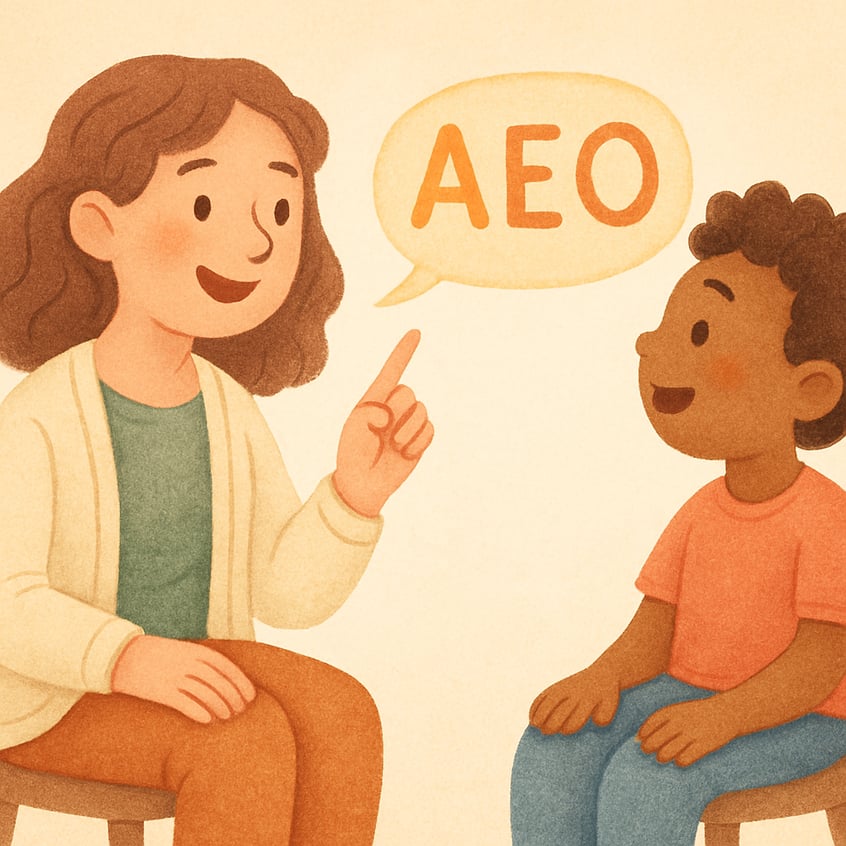
An articulation disorder makes it hard to produce certain sounds correctly. Articulation therapy targets the physical production of speech, teaching you how to position your tongue, lips, and teeth for clear sounds—for example, making the “r” sound instead of “w.”
This differs from language therapy, which focuses on understanding and using words. Voice therapy deals with voice quality. Improving articulation is key to clearer communication.
Here’s a simple comparison:
|
Aspect |
Speech Therapy |
Language Therapy |
|---|---|---|
|
Focus |
Producing clear sounds |
Understanding and using words |
|
Examples |
Correcting a lisp, improving pronunciation |
Building vocabulary, forming sentences, following directions |
Both therapies help make communication easier and more effective.
Social Communication Strategies in Therapy
Communication is more than just words; it's also about social interaction. Speech therapy helps individuals develop the social skills needed to navigate conversations and relationships. This is crucial for social development and for meeting personal communication needs.
Therapists use specific strategies to teach conversational turns, interpreting body language, and understanding social cues. These techniques are designed to help people feel more comfortable and confident in social situations. The next sections will cover how these strategies are applied to both children and adults.
Supporting Children With Social Challenges
Speech therapy can be transformative for children with social challenges. Therapists use engaging activities like role-play, teamwork games, and story reading to teach key social skills.
Families are involved in the process, learning techniques to reinforce skills at home—especially helpful for autistic children who need extra support to communicate and interact. The goal is to boost confidence and communication.
Common strategies include:
-
Using picture boards or apps for expression
-
Practicing conversational turn-taking
-
Learning to read facial expressions and tone of voice
-
Role-playing social situations, such as joining a game or asking for help
Techniques for Adults Facing Social Communication Disorders
Adults may struggle with social communication after a brain injury or due to conditions like dementia. Speech therapy for these individuals focuses on practical strategies, such as problem-solving and conversational exercises, to improve daily interactions.
For dementia patients, therapy includes memory activities to aid word recall and maintain cognitive function, making conversations less frustrating and helping them stay connected with loved ones. The approach is tailored to support changes in the brain and enhance communication.
After a brain injury, people may have trouble understanding social cues or joining group conversations. Speech pathologists use role-playing, conversation exercises, and tools like whiteboards or electronic devices to rebuild skills and make communication smoother.
Conclusion
In conclusion, effective speech therapy strategies are vital for individuals of all ages seeking to improve their communication skills. Whether addressing specific speech disorders, enhancing social communication, or supporting those with articulation challenges, the right approach can lead to significant progress. Speech therapy is not just about correcting speech; it's about building confidence and improving quality of life.
If you’re interested in discovering tailored strategies that can make a difference, don’t hesitate to reach out for a consultation or call daar at 02 9133 2500 today! Your journey toward better communication starts today!
Frequently Asked Questions
What are some common speech disorders that speech therapy can address?
Speech therapy can address a wide range of speech disorders and language disorders. This includes fluency disorders like stuttering, an articulation disorder that affects pronunciation, and voice disorders that impact vocal quality. A therapist can help diagnose the specific issue and create a plan to manage it effectively.
How can I find a qualified speech therapist for my needs?
To find a qualified speech pathologist, you can check with professional bodies like Speech Pathology Australia for a list of certified certificate holders. You can also ask your doctor for a referral or search for local private practices and community health services that offer speech therapy services in your area.
How long does it typically take to see progress with speech therapy strategies?
There is no set amount of time for how long speech therapy takes to be an effective treatment. Progress depends on factors like age, the type of disorder, and the frequency of therapy. Your therapist will create a treatment plan based on your specific needs and goals to ensure speech therapy works for you.
.svg)




.svg)