
.png?width=48&height=48&name=Group%201%20(3).png)























8 January, 2026

Explore Speech Pathology: Strategies for Effective Therapy
Introduction
Do you or a loved one find it difficult to express thoughts and ideas clearly? Communication challenges can impact your personal and professional life, but there is excellent news. Professional help can restore your ability to communicate with confidence. Speech pathology is a specialized field dedicated to helping people overcome these hurdles. Through targeted speech therapy, you can develop skills in comprehension, clarity, and sound production, opening up a world of more effective interaction. To become a speech pathologist, one typically needs to earn a master's degree in speech-language pathology, complete supervised clinical hours, and obtain state licensure or certification. These qualifications ensure speech pathologists have the necessary expertise to diagnose and treat a wide range of communication disorders.
Key Highlights
-
A speech pathologist is a trained professional who evaluates and treats a wide variety of communication disorders.
-
Speech therapy offers personalized interventions to help individuals with language disorders and speech challenges.
-
Early intervention is critical, especially for children, to address issues before they become more ingrained. Therapy improves articulation, fluency, voice, and social communication skills for a better quality of life. To find a qualified speech pathologist in Australia, start by checking professional associations such as Speech Pathology Australia, which lists certified practitioners. You can also ask for recommendations from healthcare professionals, schools, or online review platforms to ensure the pathologist meets your specific communication needs.
-
Therapy improves articulation, fluency, voice, and social communication skills for a better quality of life.
-
Speech pathology supports both children and adults with conditions ranging from developmental delays to brain injuries.
-
In places like Speech Pathology Australia, certified professionals provide essential services to those in need.
Main Conditions Treated by Speech Pathologists
A speech pathologist treats a wide range of communication disorders in people of all ages. They address speech issues like stuttering, language difficulties with understanding or using words, and voice disorders involving pitch or vocal quality changes.
Many conditions have underlying causes, such as neurological disorders like Parkinson’s disease, autism spectrum disorder, or apraxia of speech. Speech pathologists develop personalized treatment plans to improve communication and enhance quality of life. While the terms 'speech therapy' and 'speech pathology' are often used interchangeably, speech pathology refers to the broader field that encompasses assessing, diagnosing, and treating speech, language, and swallowing disorders. On the other hand, speech therapy is a component of this field focused specifically on the techniques and exercises used to improve communication skills.
Childhood Speech and Language Disorders
Children with speech sound disorders, such as articulation or phonological issues, can benefit greatly from a speech pathologist. These challenges may make their speech hard to understand.
A speech pathologist assesses the child’s speech, diagnoses the issue—whether it’s a developmental delay or a complex condition like childhood apraxia—and creates a personalized treatment plan using proven techniques.
The goal is to help your child achieve age-appropriate speech. Therapy targets specific sounds and words, supports language development, and boosts confidence so children can communicate clearly with peers and family.
Adult Neurological Conditions Affecting Communication
Adults may struggle with communication after life events or neurological conditions like stroke, brain injury, or Parkinson’s disease. These issues can affect speaking, understanding, or swallowing and often lead to frustration and isolation. For those interested in supporting adults with communication difficulties, there are university courses available for studying speech pathology in Australia. These programs prepare graduates to assess and help individuals manage neurological conditions affecting their communication.
Speech-language pathologists are key to rehabilitation. Through cognitive-linguistic therapy, they help individuals relearn lost skills and adapt to their condition, aiming to improve quality of life.
Therapy focuses on achieving the highest level of safe, independent function. By strengthening speech muscles and practicing communication strategies, you can regain confidence, express yourself more easily, and better manage daily interactions.
Social Communication Difficulties and Their Impact
Social communication, or pragmatics, is using language appropriately in social situations—like taking turns and reading nonverbal cues. Challenges in this area are common in social communication disorders and autism spectrum disorder, often leading to significant communication difficulties.
A speech pathologist can help you or your child develop these vital skills. Therapy may include:
-
Improving receptive and expressive language
-
Initiating conversation independently
-
Building pragmatic (social) language abilities
Strengthening social communication helps you form better relationships, navigate social situations more easily, and boosts self-esteem—reducing isolation and improving daily interactions.
How Speech Pathology Supports Children
For young children with communication difficulties, early intervention is one of the most powerful tools available. Addressing speech and language issues early on can prevent them from becoming more ingrained, giving your child a stronger foundation for future success. Speech pathology services are designed to provide this crucial support right when it's needed most.
Through personalized speech therapy, professionals work to build essential communication skills and foster healthy language development. The following sections will explore some of the specific ways this support is delivered, from strategies used in schools to therapy tailored for children with special needs.
Early Intervention Strategies in Schools
Many schools integrate speech therapy into their educational programs, often as part of special education or an Individualized Education Program (IEP). This ensures children get the support they need to succeed academically.
School-based language therapists work with young children showing speech or language delays, either in groups to build social skills or individually for focused attention. Providing these services in a familiar setting allows therapists to collaborate with teachers and staff, creating a supportive environment.
This approach helps children develop communication skills, participate more fully in class, and build positive relationships with peers.
Tailoring Therapy for Children with Special Needs
Every child with special needs is unique, so their therapy should be personalized. Conditions like autism, cerebral palsy, and hearing loss each present different communication challenges that require individualized approaches. Speech-language pathologists assess these needs and develop tailored therapy plans.
For instance, a child with cerebral palsy might need oral motor exercises to improve speech and swallowing, while a non-verbal child with autism may use gestures, sign language, or communication devices. Strategies are always based on each child’s abilities and goals.
Customized therapy provides the most effective support for your child’s specific challenges—whether improving speech clarity after a cleft palate or helping manage voice volume. The goal is always to empower your child with the tools they need to communicate clearly and confidently.
Collaboration with Parents and Support Teams
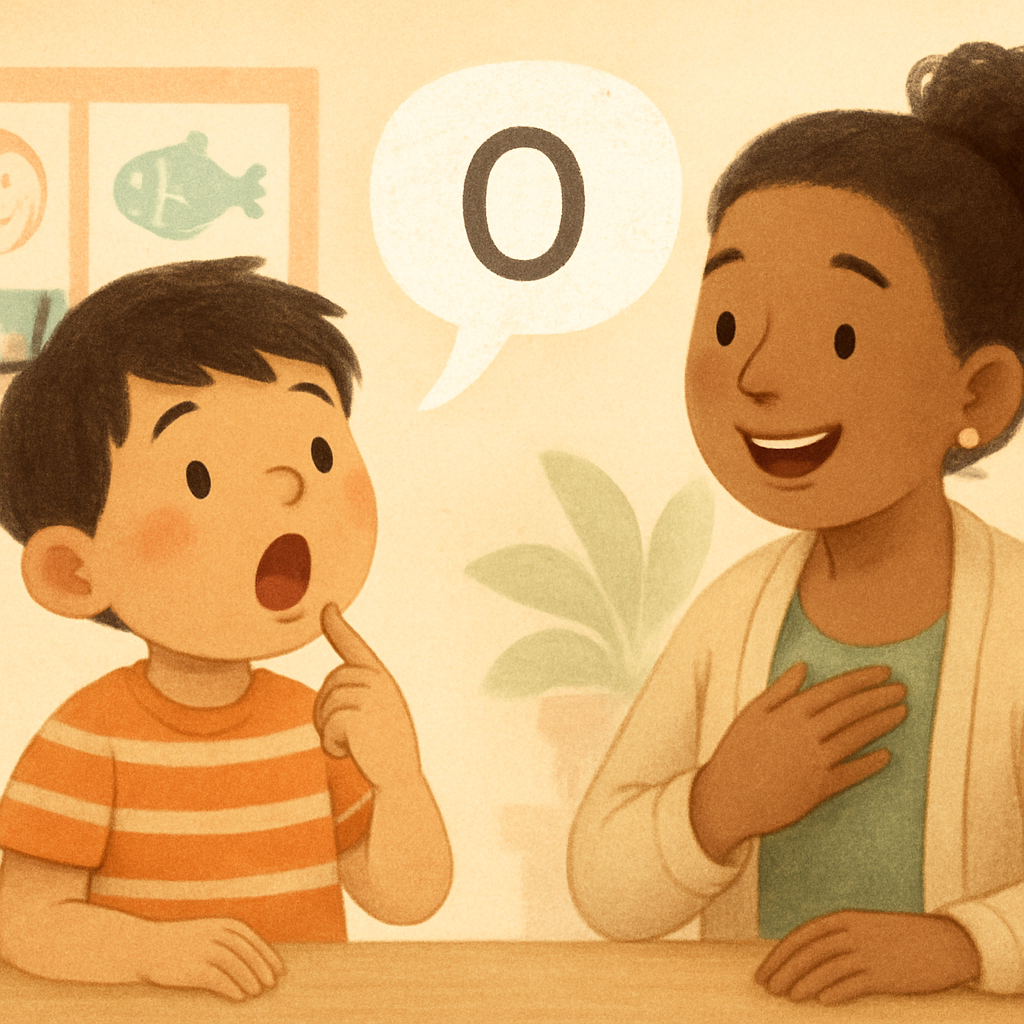
Your child’s progress in speech therapy continues beyond sessions. Collaboration between therapists, parents, and support team members is key to building communication skills.
Speech-language pathologists guide families with exercises to practice at home, reinforcing therapy work. They may also coordinate with other professionals for comprehensive support.
Parental involvement is essential. Practicing strategies at home strengthens your child’s progress and accelerates language development, making you a vital part of their success.
Strategies Used During Speech Therapy Sessions
During speech therapy, speech therapists use a wide range of proven strategies to help you overcome communication difficulties. These methods are not one-size-fits-all; instead, they are carefully selected to target your specific challenges and help you build lasting communication skills. From articulation exercises to fluency techniques, each strategy serves a distinct purpose.
The following sections will give you a clearer picture of what to expect. We'll look at the typical structure of a therapy session, explore some of the evidence-based techniques that professionals use, and discuss how support work is integrated into a comprehensive treatment plan.
Typical Structure of a Speech Therapy Session
Your first speech therapy session typically begins with an evaluation. A speech-language pathologist assesses your difficulties to understand your unique needs and determine if any structural problems are contributing to your challenges. This initial step is foundational to creating a customized treatment plan.
Once a plan is in place, a typical therapy session involves targeted exercises and engaging activities. You might work on strengthening your speech muscles or learn how to shape your mouth to form sounds correctly. These activities are designed to be both effective and motivating, turning the hard work of communication sciences into an achievable goal.
A therapy session is often structured to maximize progress. The flow ensures that each part of the session builds on the last, from reviewing past work to practicing new skills and planning for home practice.
|
Phase of Session |
What Happens |
|---|---|
|
Evaluation/Warm-up |
The therapist reviews progress from the last session and warms up speech muscles. |
|
Main Activities |
You will engage in targeted exercises, games, and activities to practice specific skills. |
|
Wrap-up & Home Practice |
The session concludes with a summary of what was accomplished and assignments to practice at home. |
Evidence-Based Techniques for Effective Therapy
Effective therapy relies on evidence-based practice. This means your speech pathologist uses treatment techniques that have been proven through research to be effective for treating communication disorders. This approach ensures you are receiving the highest standard of care based on scientific principles.
A therapist selects techniques that are specific to your individual error framework. This tailored approach allows for more targeted and efficient treatment of speech disorders. Some of these evidence-based techniques include:
-
Oral motor exercises: These help strengthen the muscles in your lips, tongue, and jaw to improve control for speech and swallowing.
-
Articulation and phonology practice: This involves working on specific sounds, words, and phrases to improve clarity.
-
Fluency strategies: These are used to help individuals who stutter learn to speak more smoothly and with greater confidence.
By using these proven methods, your speech pathologist provides therapy that is designed to deliver real, measurable results. The goal is to improve your verbal speech to an age-appropriate or functional level, empowering you to communicate with clarity and confidence.
Integrating Support Work into Treatment Plans
Treating communication disorders is often a team effort. Effective speech therapy doesn't happen in a vacuum; it involves integrating support work from a multidisciplinary team to ensure a holistic approach to your health care. This collaboration is key to achieving the best possible outcomes.
Your speech-language pathologist may work closely with other professionals, such as doctors, ENT specialists, occupational therapists, and teachers. For example, a therapist might consult with an ENT to understand the underlying cause of a voice disorder or collaborate with a teacher to reinforce communication strategies in the classroom.
This integrated approach ensures that your treatment plan is comprehensive and that your speech therapy goals are supported in all areas of your life. By working together, the multidisciplinary team provides a network of support that enhances the effectiveness of your therapy and helps you make consistent, lasting progress.
Conclusion
In summary, exploring speech pathology reveals the profound impact effective therapy can have on individuals of all ages. From treating childhood speech and language disorders to addressing adult neurological conditions, speech pathologists play a critical role in enhancing communication skills. Tailored strategies and early intervention can significantly support children, while collaboration with parents ensures holistic development. By integrating evidence-based techniques into sessions, therapists create a structured and engaging environment that fosters progress.
If you’re considering how to support your child’s communication journey, don't hesitate to reach out for a consultation or call daar at 02 9133 2500. Your child's voice matters!
Frequently Asked Questions
When Should Parents Seek Speech Pathology Support for Their Child?
You should consider seeing a speech pathologist if you notice your child has ongoing communication difficulties or isn't meeting speech milestones for their age. For young children, early intervention is key. Addressing issues early can make a significant difference in their development and future success. Don't hesitate to seek a professional opinion.
What Is Social Communication and Why Is It Vital in Speech Pathology?
Social communication refers to the skills we use in social interactions, like taking turns in conversation and understanding body language. It's vital in speech pathology because deficits in these social skills, often seen in conditions like autism spectrum disorder, can create major communication challenges and impact one's ability to form relationships.
How can parents support their child's speech therapy at home?
Parents can be powerful members of the speech therapy support team. The best way to help is by actively participating in home practice. Consistently do the exercises your therapist provides and create a positive environment that encourages communication. This partnership is essential for your child's language development and progress.
.svg)




.svg)