
.png?width=48&height=48&name=Group%201%20(3).png)























28 January, 2026

Signs of Cluttering: How to Recognize This Speech Disorder

Introduction
Have you ever listened to someone speak so quickly that their words seem to tumble over one another? You might be observing signs of cluttering, a complex fluency disorder that affects the clarity and rhythm of speech. Unlike stuttering, which is more widely known, cluttering is defined by a speech rate that is too fast, irregular, or both, often accompanied by a high frequency of normal disfluencies. This often makes the speaker’s message difficult to understand. Recognizing this speech disorder is the first step toward finding support and effective strategies.
Key Highlights
-
Cluttering is a fluency disorder characterized by a rapid or irregular speech rate.
-
The primary cluttering symptoms include disorganized speech, collapsed words, and excessive disfluencies.
-
This speech disorder often goes unnoticed by the speaker, who may be unaware of their communication difficulties.
-
Cluttering can co-exist with other conditions like stuttering, ADHD, and learning disabilities.
-
Diagnosis involves a comprehensive assessment by a speech-language pathologist.
-
Effective treatment often includes speech therapy focused on slowing the speech rate and improving self-awareness.
Recognizing the Main Signs and Symptoms of Cluttering
Recognizing cluttering symptoms is key to identification. Cluttering features include rushed, disorganized, and jerky speech with frequent disfluencies that differ from stuttering. The irregular pace makes speech hard to follow and often causes omitted or distorted sounds, and even sound repetitions. People who clutter rarely pause appropriately, causing sentences to run together. Let’s look at the specific speech patterns and behaviors linked to this condition.
Typical Speech Patterns in Cluttering
Cluttering is characterized by a rapid or irregular speech rate, with bursts that may speed up as the person talks. Unlike stuttering—where someone struggles to express clear thoughts—cluttering involves disorganized speech, with thoughts outpacing sentence formation.
This leads to disrupted flow, frequent filler words like "um" or "uh," and an erratic rhythm that can confuse listeners. Speech production often sounds mumbled or jumbled, with collapsed words and dropped syllables (e.g., "fer" instead of "forward"), making it difficult to understand even when the speaker is unaware of the problem.
Common Behavioral Characteristics
Beyond speech patterns, cluttering often involves certain behaviors. Many who clutter also struggle with attention, sometimes linked to ADHD. This can cause restlessness or trouble staying focused in conversations, further affecting communication.
Learning disabilities are another common overlap, leading to reading and writing challenges that, like cluttering, involve language processing. These combined difficulties can complicate diagnosis. Communication issues from cluttering may result in:
-
Social anxiety
-
Avoidance of conversations
-
Shame or frustration
-
Difficulty forming relationships
These feelings often arise from negative listener reactions. Unlike stuttering—where people are usually aware of their speech—a person who clutters may not realize how others perceive them.
Rate Disturbance and Overlapping Words
A key sign of cluttering is a disrupted speech rate—not just fast talking, but an uncontrolled, jerky speed. A speaker may begin at a normal pace, then suddenly accelerate, blending words. This rapid delivery often causes the end of one word to run into the next, known as telescoping (e.g., “I want to go to the store” becomes “Iwannagotothestore”). The speech system can’t keep up, leading to slurred or omitted sounds and unclear articulation. This combination of rushed speech and collapsed words is a hallmark of cluttering.
Reduced Speech Intelligibility
Cluttering significantly reduces speech intelligibility. Even with correct words and grammar, rapid, disorganized speech makes it hard for others to understand the message. This leads to frequent communication breakdowns.
Both speaker and listener can become frustrated. Listeners may repeatedly ask for clarification, while speakers often don't realize why they're misunderstood—unlike other speech disorders where errors are more obvious.
Reduced intelligibility undermines effective communication in daily life, work, and school. Failing to convey messages clearly can cause misunderstandings, social isolation, and professional setbacks. The main challenge in cluttering is bridging the gap between what the speaker means and what the listener hears.
Co-Existing Speech Disorders
Cluttering often co-occurs with other communication disorders, such as learning disabilities or attention-deficit disorder. This overlap requires a thorough evaluation for accurate diagnosis and effective treatment.
Understanding the link between cluttering and other fluency issues like stuttering is crucial. Organizations like the Stuttering Foundation stress the importance of distinguishing these conditions or recognizing when they appear together. The following sections will explore how cluttering can present alongside stuttering, dysarthria, and apraxia.
Cluttering and Stuttering: Can They Occur Together?
Cluttering and stuttering can occur together, known as "clutter-stuttering." This combination involves both cluttering's rapid, disorganized speech and the repetitions or blocks typical of stuttering, making diagnosis and treatment complex.
A thorough evaluation is needed to identify the main issue and any overlap. For instance, someone may clutter in casual settings but stutter when focusing on their speech, or vice versa. Stuttering often involves physical tension; cluttering is usually more relaxed but rushed.
Recognizing these differences is essential for effective therapy. A speech-language pathologist will assess both cluttering and stuttering symptoms to develop a personalized treatment plan.
|
Feature |
Cluttering |
Stuttering |
|---|---|---|
|
Awareness |
Often unaware |
Usually very aware |
|
Speech Rate |
Excessively rapid or irregular |
Slow or interrupted by blocks/repetitions |
|
Disfluencies |
Disorganized, filler words |
Repetitions, prolongations, blocks |
|
Physical Tension |
Generally absent |
Often present |
How Dysarthria May Present Alongside Cluttering
Dysarthria is a motor speech disorder caused by neurological injury, leading to weak or poorly controlled speech muscles. When combined with cluttering, which involves rapid and disorganized speech, clarity becomes even more challenging.
Diagnosing cluttering alongside dysarthria can be difficult. Speech-language pathologists must determine whether poor intelligibility comes from muscle weakness (dysarthria), fast and disorganized speech (cluttering), or both, as each requires different treatment.
Effective therapy addresses both issues: strengthening speech muscles for dysarthria and slowing speech rate for cluttering. Identifying each component is essential for creating a comprehensive treatment plan.
Apraxia of Speech and Its Association with Cluttering
Apraxia of speech is a motor speech disorder that can occur with cluttering. Unlike dysarthria, apraxia isn’t caused by muscle weakness, but by the brain’s difficulty planning and sequencing speech movements. People with apraxia know what they want to say but struggle to coordinate their muscles.
When apraxia co-exists with cluttering, speech patterns become complex—groping movements and inconsistent errors from apraxia combine with the fast, disorganized pace of cluttering. This is especially challenging in childhood apraxia of speech.
Speech-language pathologists must determine whether jumbled speech results from poor motor planning (apraxia), rapid rate (cluttering), or both. Treatment should target both motor planning through repetitive drills and rate/awareness strategies for cluttering.
Who Is at Risk for Cluttering?
While anyone can develop cluttering, certain factors seem to increase the risk of developing a stuttering disorder. Evidence suggests a strong genetic link, meaning that if you have a family history of cluttering or other fluency disorders, you may be more susceptible. The signs often first appear in early childhood, but they can be difficult to distinguish from typical developmental disfluencies during the preschool years.
Because it often emerges during a key developmental stage, early identification is important. Boys are also more frequently diagnosed with cluttering than girls. The following sections will explore the specific risk factors, including age, genetics, and developmental history, in more detail.
Age Groups Most Likely to Experience Cluttering
Cluttering usually appears in early childhood, often when children begin speaking in longer sentences. In preschool years, it can be hard to tell cluttering from normal speech disfluencies because rapid language development can make speech sound fast and messy.
Signs of cluttering become clearer around ages 7 or 8, as academic and social demands increase and disorganized speech stands out more. At this stage, related developmental delays or learning disabilities may also be noticed.
Although cluttering starts in childhood, it can continue into adulthood if not diagnosed or treated. Many adults have spoken this way all their lives without knowing it was a recognized speech disorder. For them, getting a diagnosis can be validating, and as noted by Ward & Scaler Scott, it can be life-changing.
Genetic and Family Factors
Cluttering has a strong hereditary component. If a family member clutters or stutters, your risk of developing a fluency disorder increases. While research into specific genes is ongoing, clinicians commonly see cluttering run in families.
This pattern suggests that genetic factors may influence the brain pathways involved in speech timing and planning. Related conditions like ADHD or learning disabilities in families also correlate with higher rates of cluttering, likely due to complex genetic interactions.
Speech-language pathologists routinely ask about family history when evaluating clients. Knowing a relative has fluency or language issues can be an important diagnostic clue, pointing to a possible genetic link.
Developmental Delays in Speech and Language
Children with a history of speech and language delays are at higher risk for cluttering. Late talking or difficulty forming sentences can lead to later fluency issues, setting the stage for the disorganized speech typical of cluttering.
Cluttering is usually linked to an underlying language disorder, not just a fluency problem. Individuals may struggle with grammar, word retrieval, and organizing their thoughts, which makes their speech jumbled and hard to follow.
Cluttering often overlaps with learning disabilities and attention deficit hyperactivity disorder (ADHD). Difficulties in reading, writing, and comprehension frequently accompany cluttering, suggesting it is part of a broader issue with language processing rather than just a speech problem.
Causes and Contributing Factors
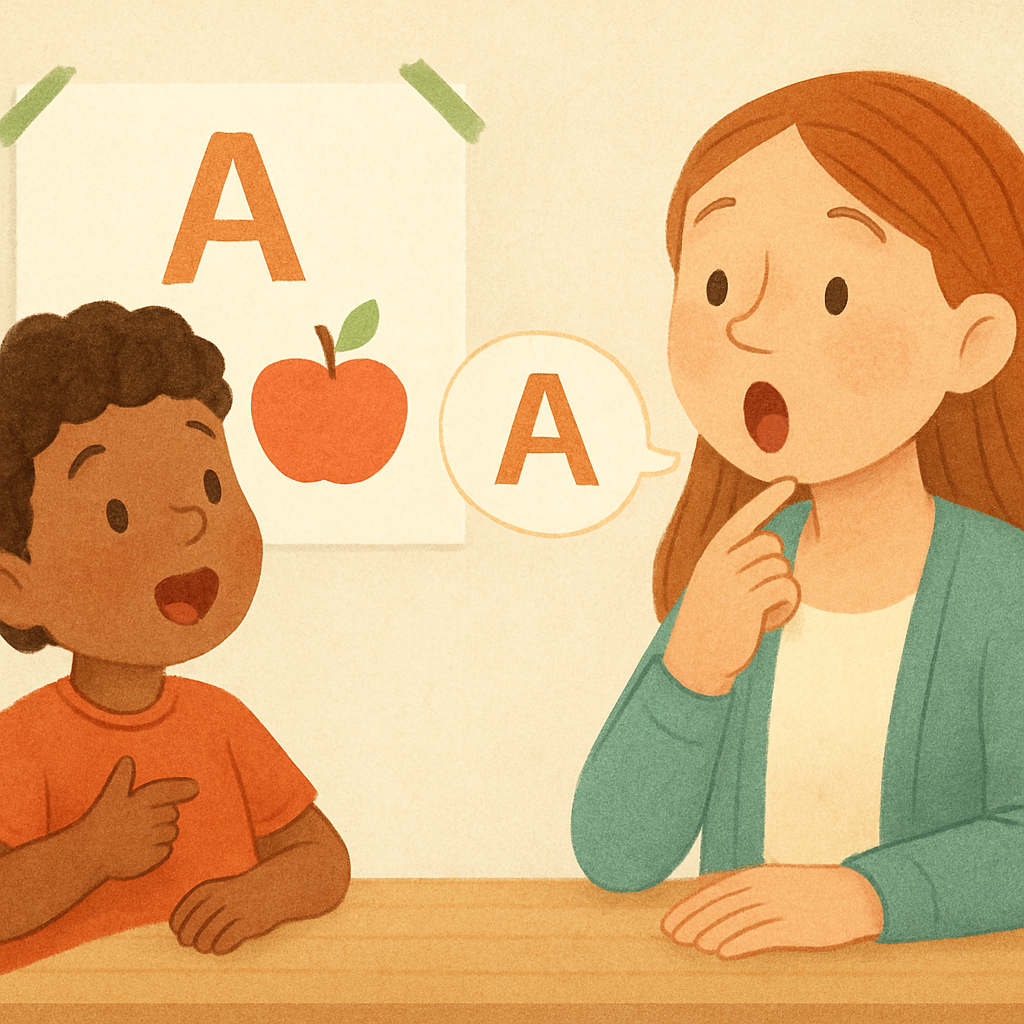
The exact cause of cluttering is still not fully understood, but it's believed to result from a combination of factors. Researchers point to neurological factors that affect how the brain plans and regulates speech. It's not a psychological issue or a result of anxiety, though these can certainly make symptoms worse.
Instead, the core of the issue seems to lie in speech motor control and language formulation. Environmental factors, such as a fast-paced speaking environment at home, might also play a role in how the disorder manifests. Let’s examine the neurological, environmental, and motor control aspects that contribute to cluttering.
Neurological Factors Involved
Neurological factors are a primary cause of cluttering. Brain imaging shows that people who clutter often have differences in areas controlling speech timing and regulation, especially the basal ganglia, which may not function typically.
This leads to poorly timed or disorganized signals from the brain to speech muscles—not a muscle issue, but a problem with their instructions. As a result, speech becomes rapid and irregular due to lack of proper regulation.
These neurological differences also explain why cluttering often co-occurs with disorders like ADHD and Tourette’s syndrome, both linked to basal ganglia dysfunction. The breakdown in speech motor control is likely due to this underlying neurological wiring, which can be influenced by genetics.
Environmental and Psychological Influences
Environmental factors can worsen cluttering symptoms. For instance, time pressure or being rushed in conversation can make speech less clear and more disorganized.
Psychological influences also matter. While anxiety doesn’t cause cluttering, negative listener reactions—confusion, impatience, or ridicule—can increase stress and self-consciousness, creating a cycle of anxiety and more cluttered speech.
These communication challenges can affect mental health, lowering confidence and willingness to speak. A supportive, patient environment is crucial for managing cluttering.
Speech Motor Control Issues
At its core, cluttering is often viewed as a problem of speech motor control. The speaker has difficulty regulating the rate and fluency of their movements for talking. It’s as if their mouth is trying to move faster than their brain can organize the message, leading to collapsed words and a jumbled rhythm. This points to a disconnect in the complex system that governs speech.
This breakdown is different from other speech sound disorders. The issue isn't typically an inability to produce a specific sound but rather a problem with coordinating and timing a sequence of sounds at a manageable pace. Effective treatment strategies, therefore, often focus on helping the individual gain conscious control over this process.
Techniques used in therapy aim to recalibrate this motor system. By learning to deliberately slow down and articulate each syllable, the speaker can begin to override the automatic, disorganized patterns. In some cases, principles from cognitive behavioral therapy may also be used to address the thought patterns and anxieties that exacerbate these motor control issues.
How Cluttering Affects Communication
Living with cluttering presents daily communication difficulties that can impact every area of life. The constant speech disfluencies and rapid pace make it hard to have a simple conversation, tell a story, or participate in group discussions. This can be frustrating not only for the speaker but also for those trying to listen.
These challenges often affect a person’s confidence in their communication skills, which can in turn influence their social interaction, academic success, and professional opportunities. We will now look at how these communication breakdowns play out in social, school, and work settings.
Daily Challenges in Social Interaction
In social situations, cluttering can create significant barriers. The rapid, unclear speech may cause listeners to tune out or misunderstand what is being said. This can make it difficult for the person who clutters to feel heard or to connect with others on a meaningful level. They might avoid speaking up in groups for fear of being judged or ignored.
These repeated negative reactions from others can take a heavy emotional toll. It's common for individuals who clutter to develop social anxiety or to experience deep feelings of shame about their speech. They may perceive themselves as poor communicators, which can damage their self-esteem and limit their social circle.
The impact on social skills can be profound. A person might struggle with the natural give-and-take of conversation, interrupting others or having trouble organizing their thoughts to tell a story. Daily social challenges can include:
-
Difficulty making new friends
-
Being misunderstood by family and partners
-
Anxiety when ordering food or talking on the phone
-
Avoiding social gatherings altogether
Classroom and Academic Impact
In school, cluttering can make it hard for students to give presentations, join discussions, or even ask questions. Teachers may misinterpret disorganized speech as a lack of preparation or understanding, which can unfairly impact grades.
Cluttering often appears alongside learning disabilities, adding reading and writing challenges that make coursework harder. Written work may be as jumbled as speech, with unclear ideas and weak sentence structure.
Schools can help by offering support like an Individualized Education Program (IEP), which may include extra time for assignments or access to a speech-language pathologist. Without these supports, cluttering can be mistaken for typical disfluency in younger children, delaying important intervention.
Effects on Workplace Communication
Clear workplace communication is vital for success. For adults with cluttering, rapid and unclear speech can cause stress and lead to misunderstandings in meetings, presentations, or client calls—potentially impacting career growth.
Fast-paced work environments, tight deadlines, and pressure can worsen cluttering symptoms by increasing speech rate and reducing clarity. This frustrates both the employee and colleagues, undermining effective communication.
Support groups with other professionals who have fluency disorders offer valuable shared experiences and strategies. Simple accommodations, like receiving meeting agendas in advance, can help organize thoughts and improve communication.
Screening and Diagnosis of Cluttering in Australia
A proper diagnosis is the crucial first step in managing cluttering. In Australia, qualified speech-language pathologists handle this process using various assessment tools and clinical expertise to evaluate speech, language, and fluency. Diagnosis can be challenging due to overlap with other disorders.
A key aspect is differential diagnosis, where clinicians distinguish cluttering from stuttering and similar issues. The next sections will cover the role of speech-language pathologists, their assessment tools, and how they differentiate cluttering from related conditions in the treatment process.
Role of Speech-Language Pathologists
Speech-language pathologists (SLPs) diagnose and treat cluttering. They start with a thorough assessment, evaluating speech rate, language organization, and self-awareness.
After confirming cluttering, SLPs create personalized therapy plans based on individual needs. They coach clients through exercises to slow speech, improve clarity, and organize thoughts.
SLPs monitor progress, adjust therapy as needed, and educate both clients and families about cluttering and its management. Their expertise is essential from diagnosis to effective communication.
Key Assessment Tools and Protocols
To diagnose cluttering, speech-language pathologists use a mix of formal and informal tools. There’s no single test; instead, clinicians collect information from several sources, such as recorded speech samples during reading, storytelling, and conversation.
These recordings are analyzed for speech rate, disfluencies, and intelligibility. Clinicians count syllables per minute and note omitted or merged sounds. Self-awareness is assessed with questionnaires and interviews since many who clutter may not notice their patterns. Resources like the Stuttering Foundation and the Journal of Fluency Disorders offer assessment guidelines.
The goal is to get a complete picture of communication skills, including language organization and articulation.
|
Assessment Component |
What It Measures |
Example Activity |
|---|---|---|
|
Speech Rate Analysis |
Syllables or words per minute |
Record and time spontaneous speech |
|
Disfluency Count |
Frequency/type of disfluencies |
Analyze a transcript for repetitions or fillers |
|
Intelligibility Rating |
How well speech is understood by others |
Have someone rate clarity from a recording |
|
Self-Awareness/Perception |
Speaker’s awareness of their own speech |
Use tools like the Predictive Cluttering Inventory |
Differentiating Cluttering from Other Speech Disorders
Differential diagnosis is essential for identifying speech disorders like cluttering and treatment approaches to distinguish them from similar issues, especially stuttering. Both affect fluency, but stuttering involves speech blocks and tension, while cluttering features rapid, disorganized speech without tension or awareness.
Health professionals note that stutterers show physical tension and are aware of their speech blocks; those who clutter usually aren’t. Treatments also differ—"easy onset" techniques help with stuttering but are less effective for cluttering.
Other conditions, such as apraxia (irregular errors, unusual movements) and dysarthria (weak mouth muscles), are also considered. Accurate diagnosis ensures tailored treatment, improving long-term communication.
Treatment Options for Cluttering
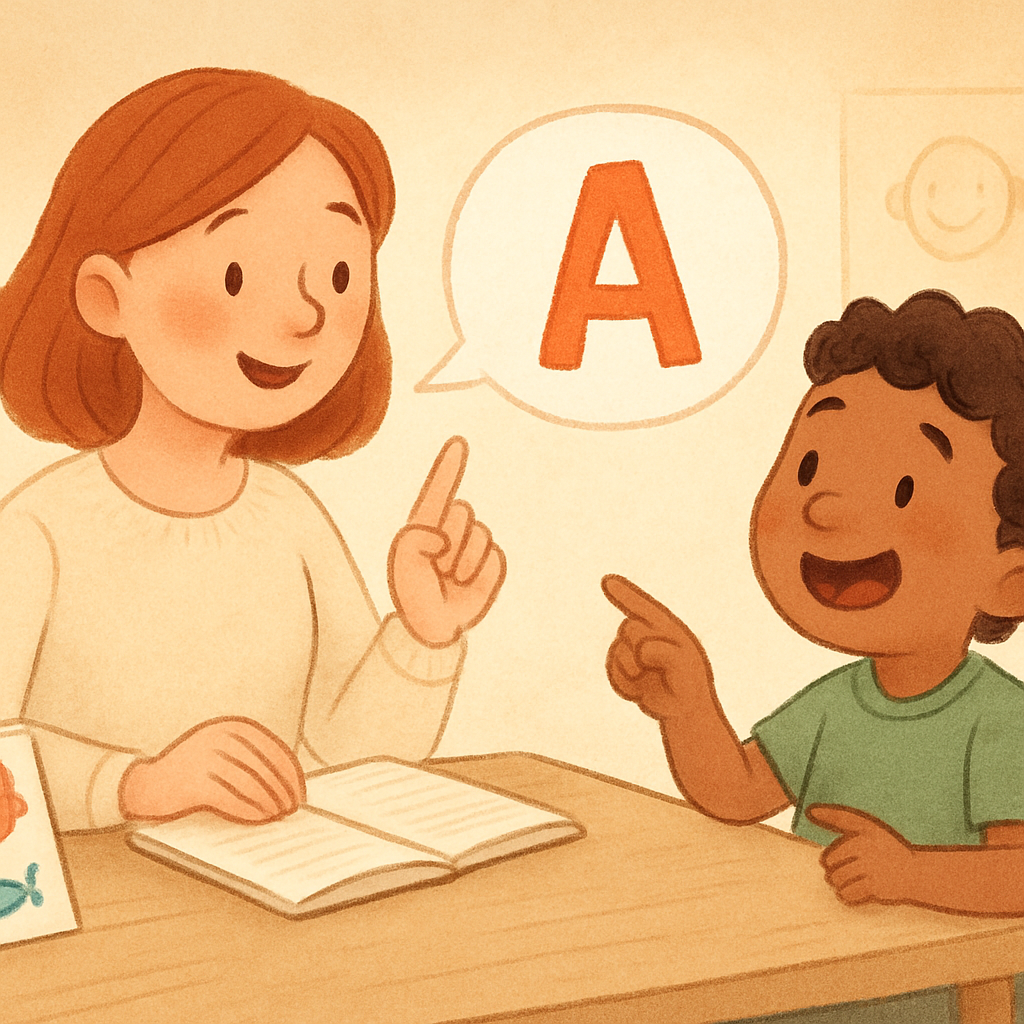
The good news is that cluttering is treatable. A variety of treatment strategies are available, most of which are delivered through speech therapy. The primary goal of treatment is not to "cure" cluttering but to give the individual tools to manage their speech and communicate more effectively. An evidence-based approach is key to success.
Because cluttering affects each person differently, therapy is highly customized to meet individual needs. A speech-language pathologist will design a plan that targets the specific challenges the person faces. The following sections will describe different therapy approaches and how co-existing disorders are handled.
Evidence-Based Therapy Approaches
Effective cluttering treatment uses evidence-based therapy—techniques proven by research, often developed in university clinics specializing in fluency disorders. Most plans focus on increasing self-awareness and slowing speech.
A common method is practicing deliberate pauses at natural breaks in sentences. This helps prevent rushing and allows more time to organize thoughts. Another strategy is "over-articulation," where clients exaggerate mouth movements to pronounce every syllable clearly.
These techniques are first practiced in structured speech therapy sessions, then applied to real-life conversations. Therapists may use audio or video recordings so clients can observe their own speech patterns, building the self-awareness essential for lasting improvement.
Individual vs. Group Speech Therapy
Choosing between individual and group speech therapy for cluttering depends on personal needs and treatment stage. Individual therapy is usually the best starting point, offering personalized, one-on-one support to address specific challenges like rate control and self-monitoring. This focused approach helps build essential skills early on.
As progress is made, group therapy provides a supportive environment to practice strategies in real-world conversations, gain peer feedback, and boost confidence. Combining both individual and group sessions often delivers the most effective results.
Addressing Co-Occurring Disorders in Treatment
When cluttering occurs with other disorders like ADHD, stuttering, or learning disabilities, treatment must be integrated and comprehensive. Addressing cluttering alone is usually not enough. Speech-language pathologists often collaborate with psychologists or educators to develop holistic plans.
For example, a child with both cluttering and ADHD may receive direct speech therapy alongside strategies for attention and organization, such as visual aids or checklists, including direct treatment techniques. If stuttering co-occurs, therapy might combine rate control techniques with fluency strategies.
Treatment can be direct—targeting speech skills—or indirect, by modifying the environment. This may include educating families and teachers to listen patiently or reducing time pressures that can worsen symptoms.
Home Strategies and Exercises to Manage Cluttering
Here are simple home strategies to manage cluttering and improve speech fluency:
-
Rate Control: Speak slowly by reading aloud and pausing at sentence ends. Use a metronome app to keep a steady pace.
-
Self-Monitoring: Record yourself speaking on familiar topics, then listen for fast or unclear speech. This helps you spot and adjust cluttered patterns.
-
Chunking: Break long sentences into shorter phrases to organize thoughts and slow down.
-
Breath Support: Practice diaphragmatic breathing—inhale deeply through your nose, expand your abdomen, and speak calmly as you exhale.
-
Over-Articulation: Exaggerate pronunciation during practice to boost clarity and awareness.
-
Reading Aloud with Emphasis: Read simple materials out loud, stressing key words or syllables for clear communication.
-
Visualization: Quickly picture what you want to say before speaking to stay organized and on-topic.
-
Feedback: Ask family or friends for gentle reminders if your speech becomes too fast or unclear.
Practice these exercises 10–15 minutes daily for best results. Progress takes time—celebrate small wins like clearer conversations or more confidence in groups.
Stay in touch with your therapist to make sure your home practice supports your therapy goals.
Speech Rate Monitoring Techniques
One of the most effective things you can do at home is to actively monitor your speech rate. The goal is to break the habit of speaking at a rapid rate and establish a more controlled, normal flow of speech. A simple but powerful technique is to practice pausing. Intentionally insert short pauses at natural breaks in your sentences, like after a comma or at the end of a thought.
Another great exercise is to read aloud. Choose a book or article and read it slowly, focusing on pronouncing every syllable of every word clearly. You can use your finger to trace the words as you go, which physically slows you down. This helps retrain your brain to operate at a more manageable rate of speech.
Recording yourself speaking and listening back is also incredibly valuable. It can be surprising to hear the difference between how you think you sound and how you actually sound. This feedback helps you identify when your speech rate increases so you can learn to control it. Some useful techniques include:
-
Using a metronome app set to a slow beat to pace your syllables.
-
Practicing with a "pacing board" where you touch a dot for each word or syllable.
-
Speaking in shorter, simpler sentences.
Self-awareness Activities for Cluttering
Improving self-awareness is fundamental to managing cluttering, as many people are not conscious of their speech patterns. A great activity is to have a "listening partner," such as a family member or friend. Agree on a subtle, non-judgmental cue they can give you—like a gentle tap on the arm—when they notice your speech becoming fast or unclear.
This external feedback helps build the individual’s awareness in real-time. The goal is not to cause feelings of shame but to create a supportive learning environment. Over time, you will start to recognize the feeling of cluttered speech yourself and can self-correct before you even need the cue.
Another powerful tool is journaling about your communication experiences. At the end of the day, reflect on conversations that went well and those that were challenging. What was different? Were you feeling rushed or stressed? This practice helps you identify your personal triggers and build mindfulness around your own speech patterns, increasing your ability to manage them proactively.
Parent and Caregiver Involvement
Parent and caregiver involvement is crucial, especially for children with cluttering. As a parent, you can be the most important part of your child's support system. One of the best things you can do is model a slow, clear speech rate yourself. Children learn by imitation, so hearing a calm, deliberate speaking style at home can make a huge difference.
Your feedback, often documented in a caregiver report for the therapist, provides valuable insight into how the child's speech patterns change in different situations. You can help your child practice their therapy exercises in a fun, low-pressure way. For example, turn reading aloud into a shared nightly activity, focusing on a slow pace together.
It's also important for every family member to be a patient and attentive listener. Give your child plenty of time to formulate their thoughts without interrupting or finishing their sentences. If your child also has a learning disability, this patient support is even more critical. Your encouragement and active parent involvement create a positive environment where your child can thrive.
Support, Advocacy, and Resources for Families
Finding the right support and resources can make a world of difference when you or a family member has cluttering. You are not alone on this journey. There are numerous organizations, support groups, and advocacy networks dedicated to helping people with fluency disorders. These resources can provide valuable information, connection, and empowerment.
From national organizations to local school-based support, there are many avenues to explore. Knowing where to look for help is the first step. The following sections will highlight some of the key resources available in Australia and beyond, as well as how schools and communities can offer support.
Resources Available in Australia
In Australia, a great starting point for resources is Speech Pathology Australia, the national body for the profession. Their website can help you find a qualified speech-language pathologist in your area who specializes in fluency disorders and private practices that focus on these issues. They also provide fact sheets and information for the public.
While based in the US, many international organizations offer invaluable online resources. The Stuttering Foundation provides a wealth of information on all fluency disorders and related disorders of fluency, including cluttering. Similarly, the International Cluttering Association (ICA) is a primary source for the latest research, treatment information, and connections to specialists worldwide, from New York to Sydney. The World Health Organization also recognizes cluttering as a speech disorder.
These organizations provide evidence-based information that can help you make informed decisions about treatment and support. Some key resources include:
-
Speech Pathology Australia: Find a local SLP and access informational materials.
-
The International Cluttering Association (ICA): The leading global resource for cluttering.
-
The Stuttering Foundation: Offers books, videos, and online articles on cluttering.
-
Local university clinics: Often provide low-cost assessment and therapy services.
How Schools Can Support Children With Cluttering
Schools play a vital role in supporting children with cluttering. Once a child has a diagnosis, school districts can implement an Individualized Education Program (IEP) or a 504 plan. These plans formalize accommodations to help the student succeed academically and socially. Accommodations might include extra time for oral presentations or preferential seating near the teacher.
Teacher training is another key component of school support. When teachers understand the nature of cluttering, they can be more effective allies. They can learn to model slow, clear speech, avoid interrupting the student, and focus on the content of what the child is saying rather than how they are saying it. This creates a more positive and less stressful classroom environment.
Schools can also facilitate peer education and support groups. Helping classmates understand that cluttering is a speech disorder, not a sign of nervousness or carelessness, can reduce teasing and foster a more inclusive atmosphere. At every developmental stage, this combination of formal accommodations and a supportive school culture is essential.
Online and Community Support Groups
Connecting with others who share similar experiences can be incredibly empowering. Online and community support groups provide a safe space for people with cluttering and their families to share stories, exchange tips, and offer encouragement. These groups can be a lifeline, reducing the feelings of isolation that often accompany a communication disorder.
Online resources, such as Facebook groups or forums hosted by organizations like the International Cluttering Association, allow you to connect with a global community. You can ask questions, learn about new treatment strategies, and find solidarity with people who truly understand what you're going through. This can be a huge boost for your mental health.
Locally, you may be able to find community resources through hospitals, university clinics, or private speech therapy practices. These in-person support groups offer the benefit of face-to-face interaction, helping both adults and children build confidence and practice their communication skills in a supportive setting.
Conclusion
Recognizing the signs of cluttering is essential for effective communication and overall well-being. By understanding the symptoms, potential co-existing speech disorders, and the various factors that contribute to cluttering, you can better support those affected by it. Recent research highlights the impact of cluttering on daily interactions, academic performance, and workplace communication that cannot be understated. However, with the right screening, diagnosis, and treatment options—including home strategies and community resources—individuals can make significant strides in managing this disorder. Remember, you're not alone in this journey.
For more personalized guidance and support, don’t hesitate to reach out and get a consultation or call daar at 02 9133 2500. Your path to clearer communication starts today!
Frequently Asked Questions
What is the difference between cluttering and stuttering?
The main difference is awareness and speech rate. People who stutter are usually aware of their struggles and may have blocks or repetitions, while people with cluttering symptoms are often unaware and speak at a rapid, disorganized rate. A differential diagnosis is key, as stuttering is a struggle to speak, while cluttering is disorganized speech fluency.
Can cluttering occur with other speech disorders like dysarthria or apraxia of speech?
Yes, cluttering can co-occur with other related disorders. It can present alongside dysarthria, which involves muscle weakness, or apraxia of speech, a motor planning speech disorder. When these conditions overlap, it makes speech even more difficult to understand and requires a comprehensive diagnosis to treat each speech sound issue effectively.
Are there strategies parents can use to help children with cluttering?
Absolutely. Parent involvement is key. Parents can help by modeling a slow, calm speech rate, being patient listeners, and practicing speech therapy exercises with their child in a fun way. Your positive reinforcement and feedback, often part of a caregiver report, are invaluable, especially if a learning disability is also present.
.svg)




.svg)