
.png?width=48&height=48&name=Group%201%20(3).png)























30 December, 2025

Socialised Behaviour Therapy: Enhance Your Well-Being
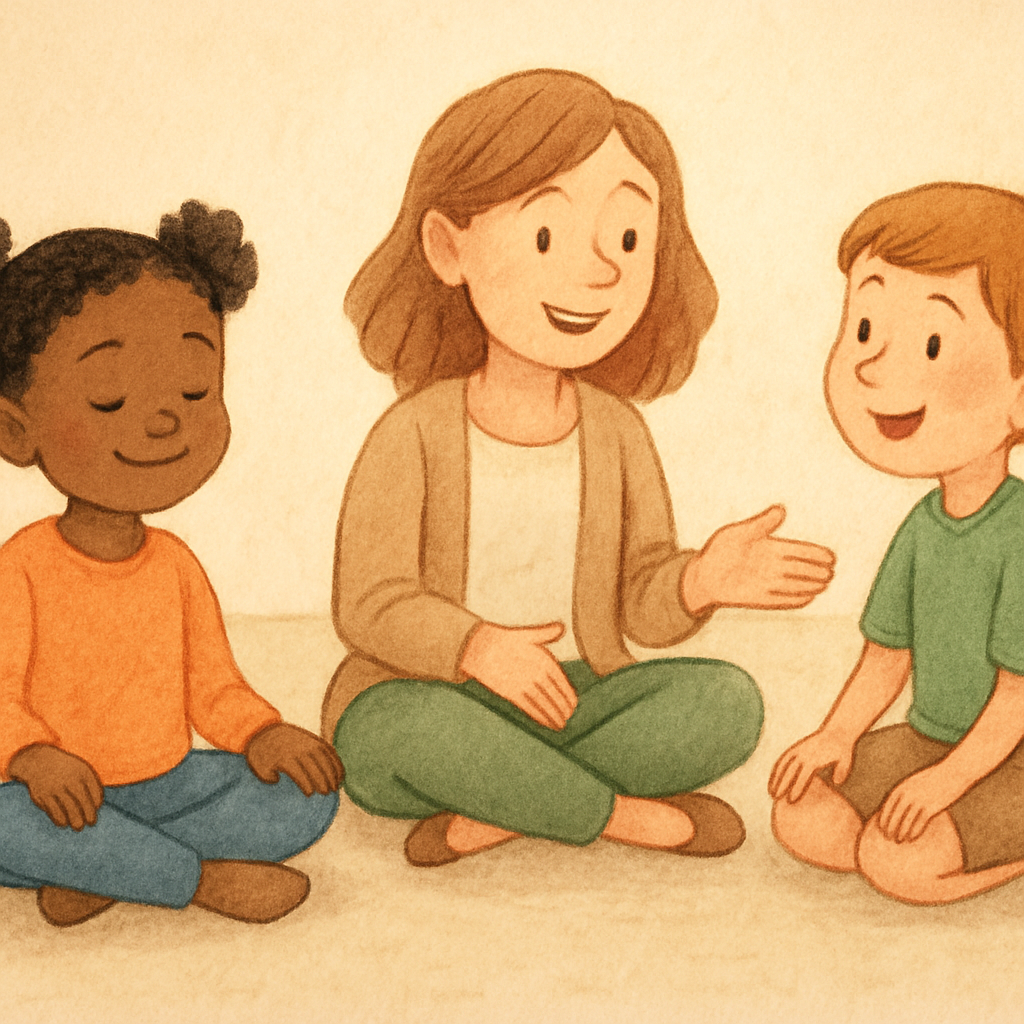
Introduction
Feeling comfortable and confident in social settings is a vital part of your overall mental health. Many people find social interactions challenging, which can lead to feelings of isolation and anxiety. If you struggle with connecting with others, you are not alone. Fortunately, a focused type of behaviour therapy can help you build the social skills you need to thrive. This approach provides practical tools and strategies to improve how you relate to others, ultimately enhancing your quality of life.
Key Highlights
-
Socialised behaviour therapy is a practical approach designed to help you improve your social skills and overall mental health. This therapy supports both children and adults who experience challenges with social interactions, anxiety, or certain behavioural disorders. In Australia, there are various resources and services available that offer behaviour therapy focusing on social skills, including private practices, community mental health organizations, and specialized therapists who address socialised behaviour issues.
-
This therapy supports both children and adults who experience challenges with social interactions, anxiety, or certain behavioural disorders. It uses proven techniques like role-playing and positive reinforcement to help you learn new skills in a safe and encouraging setting. Most people begin to notice improvements in socialised behaviour therapy within a few weeks to several months, depending on individual progress, consistency in sessions, and the specific goals of the therapy.
-
It uses proven techniques like role-playing and positive reinforcement to help you learn new skills in a safe and encouraging setting.
-
A primary goal is to build your confidence and competence in various social situations, from making conversation to forming relationships.
-
By acquiring these new skills, you can enhance your well-being and enjoy more positive and fulfilling social connections.
Understanding Socialised Behaviour Therapy
So, what is socialised behaviour therapy? It is a specialized form of behavioural therapy designed to improve your social functioning and boost your mental health. This therapy is rooted in the principles of social learning, which suggests that we learn social behaviours through observation and practice. It offers a structured way to develop skills that may not have come naturally.
The process is collaborative and begins by identifying the specific social challenges you face. Your therapist will then work with you to create a personalized treatment plan. This plan outlines the skills you will focus on and the steps you will take to achieve your goals within a supportive and encouraging environment.
What Sets Socialised Behaviour Therapy Apart
You might be wondering how this approach is different from other therapies like cognitive behavioural therapy (CBT). While both share common ground in clinical psychology, socialised behaviour therapy has a distinct focus. Its main goal is to directly improve your observable social behaviours and interpersonal relationships, drawing heavily from social learning theory.
In contrast, CBT often places a stronger emphasis on identifying and changing the negative thought patterns that influence your feelings and actions. Socialised behaviour therapy also addresses thoughts but is more action-oriented toward social skills. It concentrates less on your internal dialogue and more on what you actually do and say when interacting with other people.
This therapy is designed for individuals whose primary challenges are social. It combines hands-on behavioural practice with cognitive techniques to build practical skills for real-world interactions, making it a highly targeted and effective treatment for social difficulties.
Core Principles and Theoretical Foundations
Socialised behaviour therapy is built upon well-established principles from both behavioural therapy and cognitive therapy. Its foundation lies in the idea that social skills are learned behaviours that can be taught and refined through structured practice. This guided practice is the essence of social skills training, a core component of the approach.
From a behavioural standpoint, the therapy utilizes techniques like behavioural activation to encourage you to engage in social activities you might be avoiding. This helps break the cycle of isolation that often accompanies social challenges. It also incorporates elements of cognitive therapy, such as cognitive restructuring, to help you challenge and change unhelpful beliefs about social situations.
By combining these elements, the therapy works on two levels. It helps you change what you do (your behaviours) and how you think (your cognitions) in social settings. This dual approach ensures that you not only learn new skills but also build the confidence needed to use them effectively.
Who Can Benefit From Socialised Behaviour Therapy
A wide range of individuals can find relief and growth through socialised behaviour therapy. It is particularly helpful for those dealing with mental health conditions that directly impact social functioning, such as social anxiety. If you find interactions in your daily living to be a source of stress, this therapy can offer practical solutions.
Whether you are a child struggling to make friends, an adolescent navigating peer pressure, or an adult facing challenges at work or in personal relationships, this form of behaviour therapy is adaptable. It provides the tools to build confidence and navigate social landscapes more effectively. The following sections will explore how it helps different age groups.
Children and Adolescents With Social Behaviour Disorders
Children and adolescents diagnosed with certain mental disorders often experience significant social challenges. Conditions like autism spectrum disorder, oppositional defiant disorder (ODD), and conduct disorder can make it difficult for young people to interact positively with their peers, teachers, and family members.
Behavioural therapy provides a structured framework for teaching essential social skills. Through early intervention, therapists can help children learn how to share, take turns, understand others' perspectives, and manage their emotional responses in social situations. This support is crucial for preventing more serious issues from developing later in life.
For these young individuals, therapy focuses on breaking down complex social behaviours into smaller, manageable steps. This approach makes learning less overwhelming and helps build a strong foundation for healthier relationships and improved self-esteem, setting them up for future success.
Adults Facing Social Challenges
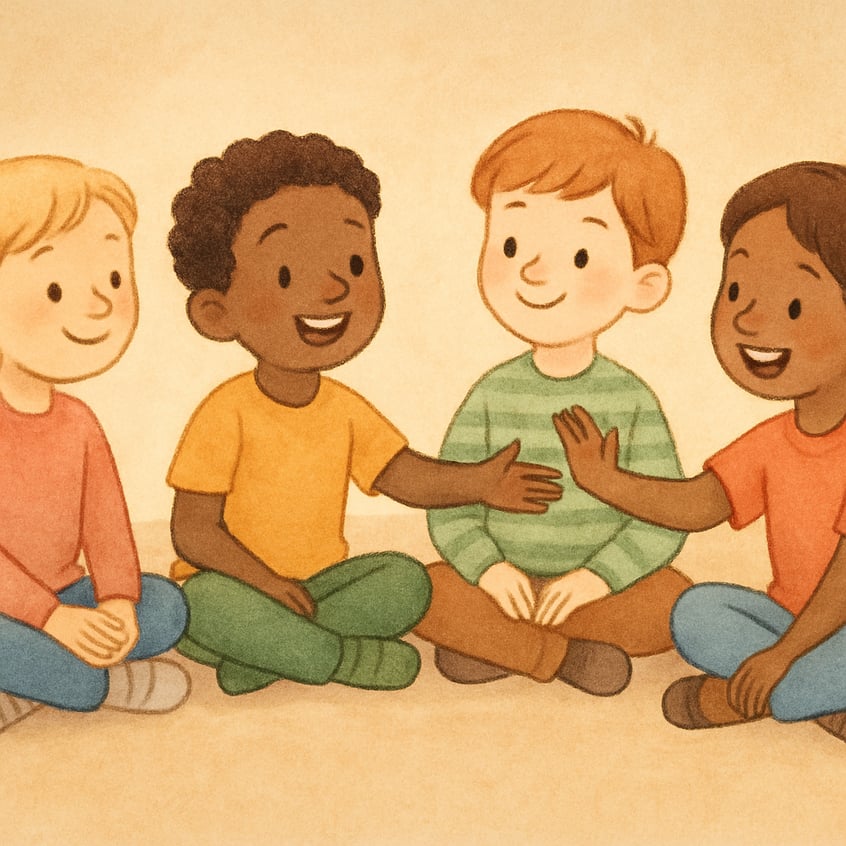
Many adults also struggle with social interactions due to conditions like social anxiety disorder or social phobia. These anxiety disorders can create an intense fear of being judged or scrutinized by others, making everyday situations like office meetings or social gatherings feel overwhelming. This anxiety often gets in the way of using the social skills you already possess.
Socialised behaviour therapy helps adults by combining skill practice with techniques from cognitive behaviour therapy. This helps you manage the anxiety that holds you back. The therapy provides a safe space to practice social skills without the fear of negative consequences, gradually building your confidence.
By tackling both the skill deficit and the underlying anxiety, you can learn to navigate social interactions more comfortably. The goal is to reduce avoidance behaviours and empower you to engage more fully in your personal and professional life, fostering more meaningful connections.
Common Techniques Used in Socialised Behaviour Therapy
Socialised behaviour therapy employs a variety of proven techniques to promote skill development. A therapist will often start with a behaviour analysis to understand your specific challenges. From there, the social skills training may involve methods like gradual exposure therapy to help you face feared social situations in a controlled way.
A cornerstone of this approach is positive reinforcement, which rewards your progress and encourages new, healthy behaviours. These techniques are not just about theory; they are practical, hands-on methods designed to build your confidence one step at a time. Let’s look at some of these powerful techniques more closely.
Role-Playing and Modeling Social Interactions
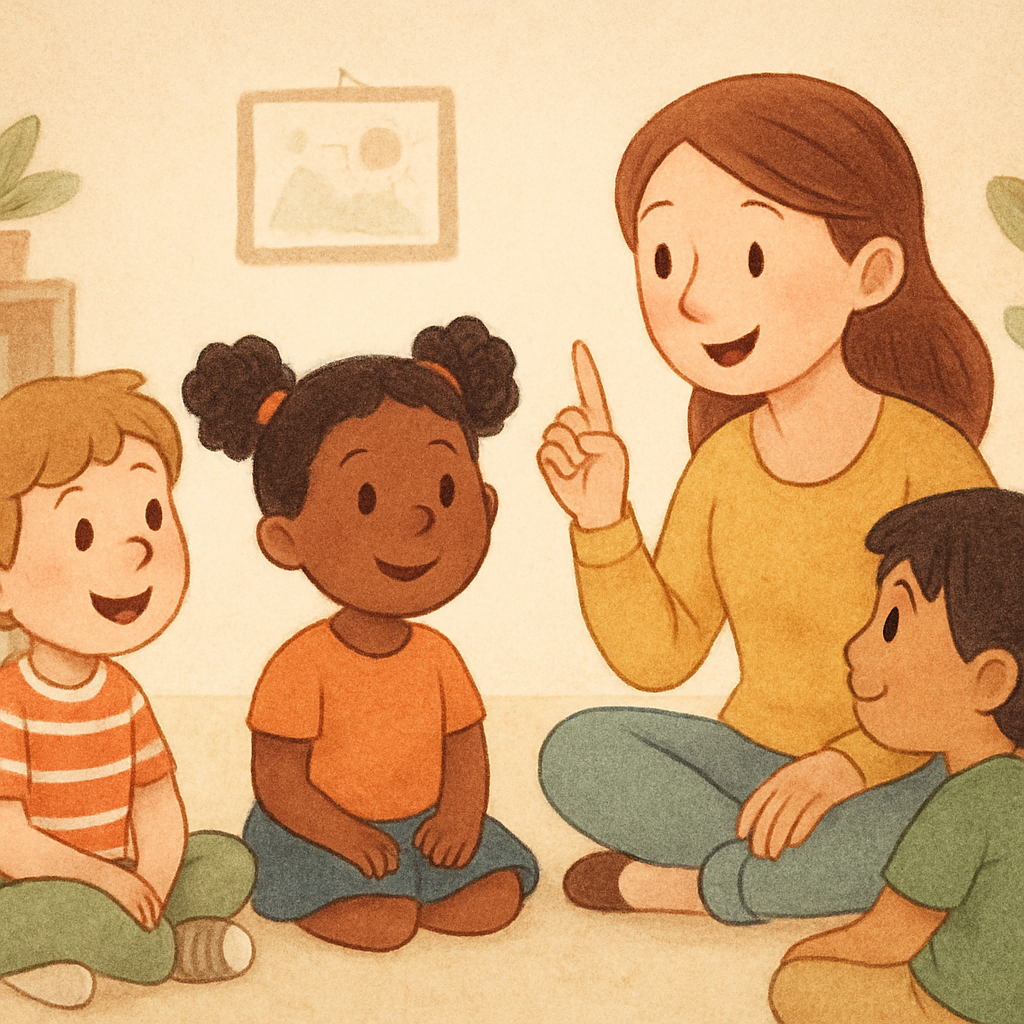
Modeling combined with role-playing is a key behavioural therapy technique based on social learning—observing and imitating others. In sessions, your therapist demonstrates a specific social skill, like starting a conversation or giving a compliment. You then practice through role-play in a safe environment, rehearsing real-life scenarios to build confidence.
This approach helps you:
-
Make eye contact
-
Join conversations
-
Ask for help
-
End conversations gracefully
Positive Reinforcement Strategies
Positive reinforcement, a key principle of behaviour therapy based on operant conditioning, means rewarding desired behaviours to encourage their repetition. This technique is highly effective for improving social skills.
In therapy, reinforcement can include praise for using new skills during role-play or rewards like sticker charts for children. The aim is to make learning enjoyable and motivating.
This approach helps form new habits and creates positive associations with social interactions. Examples include:
-
Receiving praise such as, "Great eye contact!"
-
Feeling accomplished after a successful exchange
-
Earning small rewards for practicing skills
Social Skills Development Through Behaviour Therapy
What kind of social skills can you expect to improve through behaviour therapy? The range is quite broad and covers nearly every aspect of social interactions. The therapy focuses on practical skill development that you can apply immediately in your daily life. It often incorporates elements of cognitive behaviour therapy to address any unhelpful thoughts that may be holding you back.
From learning how to listen actively to expressing your own needs clearly, this therapy provides a comprehensive toolkit for better communication. The following sections will detail some of the key skills you can develop, such as effective communication and assertiveness.
Communication and Active Listening Skills
Effective communication goes beyond talking; it includes both verbal and non-verbal cues. In behavioural therapy, social skills training teaches you about body language, tone of voice, and conversational flow through structured practice.
A key focus is active listening—fully paying attention, reflecting on what’s said, and asking thoughtful questions. For those with social anxiety, this shifts attention away from self-consciousness and makes conversations less daunting.
Therapy also addresses unhelpful thought patterns, like fearing you’ll say the wrong thing. You’ll learn to:
-
Ask open-ended questions to keep conversations going
-
Show you’re listening through nods and affirmations
-
Reflect back what you’ve heard to confirm understanding
Assertiveness and Conflict Resolution
Behavioural therapy effectively builds assertiveness, especially if you avoid conflict or struggle to express your needs. It teaches key social skills, helps you communicate clearly, and balances your needs with others.
Techniques like cognitive restructuring address fears about being assertive, replacing passive or aggressive reactions with confident, direct communication. This reduces negative behaviours in tense situations and empowers you to advocate for yourself.
Here’s how to shift from passive to assertive communication:
|
Situation |
Passive Response |
Assertive Response |
|---|---|---|
|
Someone cuts in line |
Staying silent, feeling frustrated |
"Excuse me, I believe I was next in line." |
|
Friend asks for a favor you can't do |
Reluctantly agreeing, feeling resentful |
"I'd love to help, but I'm not able to right now." |
|
Colleague takes credit for your work |
Hoping someone notices, saying nothing |
"I'm glad you liked the idea I presented earlier." |
How Socialised Behaviour Therapy Helps Children
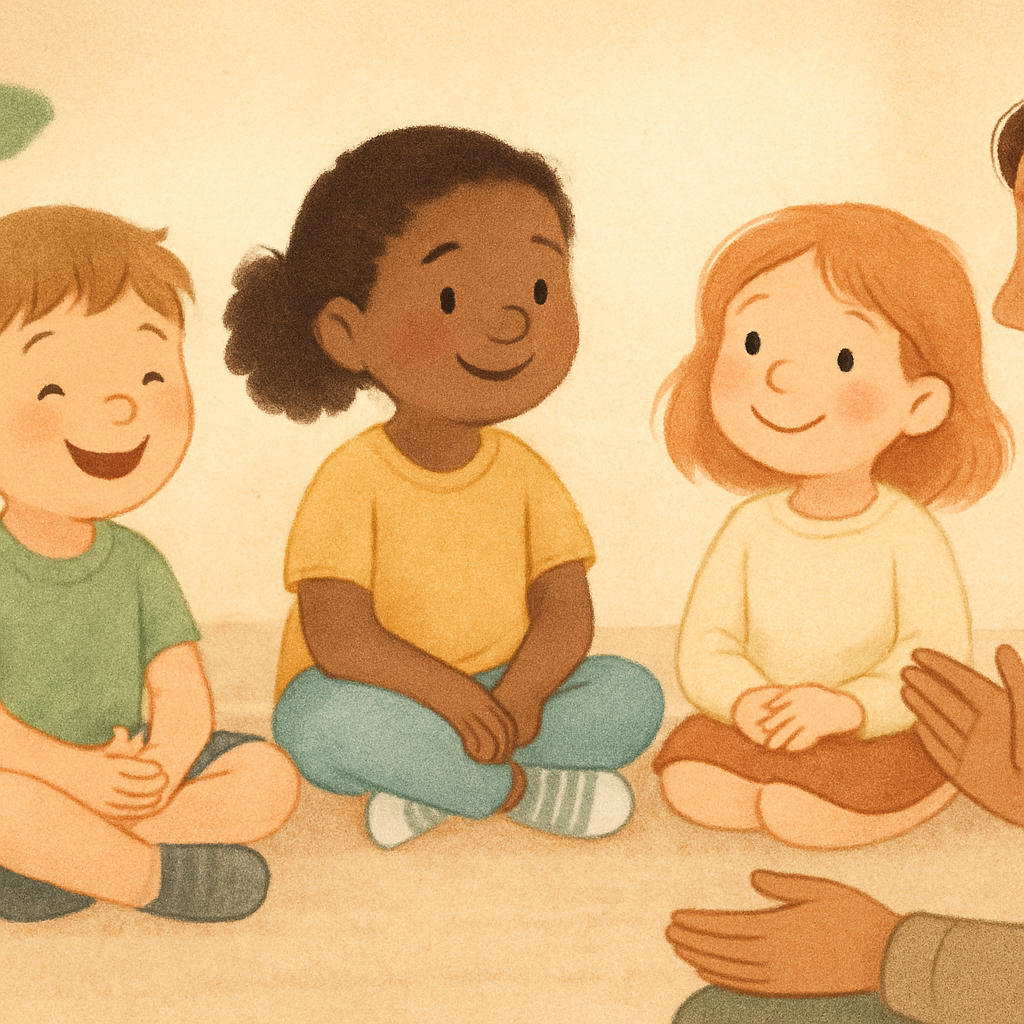
When it comes to children, socialised behavioural therapy takes a creative and engaging approach. Techniques are adapted to be age-appropriate and fun, often using methods like play therapy to teach new skills. The focus is on encouraging positive actions and building a child's ability to manage their feelings.
This therapy helps children understand their emotions and express them in healthy ways, which is a key part of emotional regulation. By making learning feel like play, therapists can guide children toward better social habits without making them feel pressured or overwhelmed. The next sections will explore how this process builds emotional control and promotes interactive play.
Building Emotional Regulation
Behavioural therapy helps children build emotional regulation skills, especially those struggling with anger, anxiety, or impulsivity. Therapists use age-appropriate games, stories, and role-play to create a safe space for kids to explore their feelings.
Children learn to identify and label emotions—a key step toward emotional intelligence. Therapists teach coping strategies like deep breathing, counting to ten, using calm-down corners, and practicing mindfulness. Kids also learn to express emotions with words instead of actions.
As children practice these skills in therapy, they gradually apply them at home, school, and with peers—leading to healthier relationships and fewer conflicts. Over time, they become more resilient and better able to handle stress.
Early behavioural therapy can reduce the risk of future mental health issues. Parents often participate by reinforcing positive behaviours at home and modeling healthy emotional responses.
Ultimately, behavioural therapy equips children with tools for managing emotions, building self-confidence, and developing lasting social skills.
Promoting Cooperative and Interactive Play
Play is a natural way for children to learn, making play therapy an effective starting point for teaching social skills. In this fun, low-pressure setting, kids practice interacting with others by doing and observing.
During sessions, therapists may use teamwork activities like block building or board games to encourage sharing, turn-taking, and communication. They guide interactions, praise cooperation, and help resolve conflicts.
Through these playful experiences, children develop positive social foundations and discover that engaging with others can be enjoyable and rewarding.
Family Involvement in Socialised Behaviour Therapy
The success of socialized behaviour therapy often depends on what happens outside the therapist’s office. Family involvement is key to creating a supportive environment where new skills take root. When parents and caregivers participate, they reinforce lessons from therapy in daily life.
This may include elements of family therapy, helping everyone communicate and support each other better. Aligning treatment with home routines helps children use their skills consistently and manage challenging behaviours. Next, we’ll look at how parents are supported and how to build effective routines at home.
Supporting Parents and Caregivers
Parents and caregivers are essential partners in a child’s therapy, working closely with therapists and other professionals to achieve shared goals. You’ll be actively involved throughout the process.
Parent training is often included, teaching you the same strategies used by therapists. This helps you support your child’s mental health at home by modeling positive behaviours, using reinforcement effectively, and calmly managing challenges.
During sessions, you may observe or join activities with your child. The therapist will offer feedback and guidance to help you confidently use these techniques on your own.
Creating Consistent Routines at Home
Consistency helps children learn and retain new skills. Predictable routines reduce anxiety and encourage consistent behaviour, preventing many challenges before they arise.
A behaviour therapist can identify difficult times of day and suggest routines to address them, such as a visual morning schedule or clear bedtime steps. These routines support positive reinforcement.
Integrating these strategies into daily life makes new behaviours automatic. Simple routines can have a big impact, such as:
-
A visual morning chart with tasks like brushing teeth and getting dressed.
-
A designated "calm-down corner" for emotional moments.
-
A consistent bedtime routine to signal wind-down time.
Conclusion
In conclusion, Socialised Behaviour Therapy effectively enhances well-being for all ages by promoting social skills, emotional regulation, and cooperation through role-playing, positive reinforcement, and family involvement. Whether for children or adults facing social challenges, this therapy offers practical techniques to improve interactions and relationships.
For better emotional health and stronger social skills, contact us today for consultation or call daar at 02 9133 2500.
Frequently Asked Questions
Understanding socialized behaviour therapy can bring about many questions. Common inquiries often focus on who benefits from this type of therapy. Individuals dealing with social anxiety, interpersonal relationship issues, or even autism spectrum disorder may find it particularly useful. Many wonder how therapy sessions unfold and what we can expect. Clients typically engage in role-playing, skills training, and cognitive restructuring to develop new skills. While the length of treatment varies, the emphasis is always on a supportive environment to promote gradual positive changes in daily life and social interactions.
Is socialised behaviour therapy effective for all ages?
Yes, the effectiveness of socialised behaviour therapy extends to all ages. While the techniques are adapted, the core principles of this behavioural therapy remain the same. It is tailored to the unique developmental stage and specific goals of each person, making it a versatile and powerful treatment for both children and adults.
Can my child’s school collaborate in the therapy process?
Absolutely. Collaboration with your child’s school is often encouraged and can be a vital part of the therapy process. It ensures that the social skills learned in a therapy session are reinforced in the classroom and on the playground, helping your child apply their new abilities to their daily living.
What improvements in social skills can families typically observe?
Families often see a wide range of improvements in social skills. These can include better communication, more positive actions during play, and fewer meltdowns. These positive changes contribute to a healthier family dynamic and boost the overall mental health and confidence of the child.
.svg)




.svg)