
.png?width=48&height=48&name=Group%201%20(3).png)























15 December, 2025

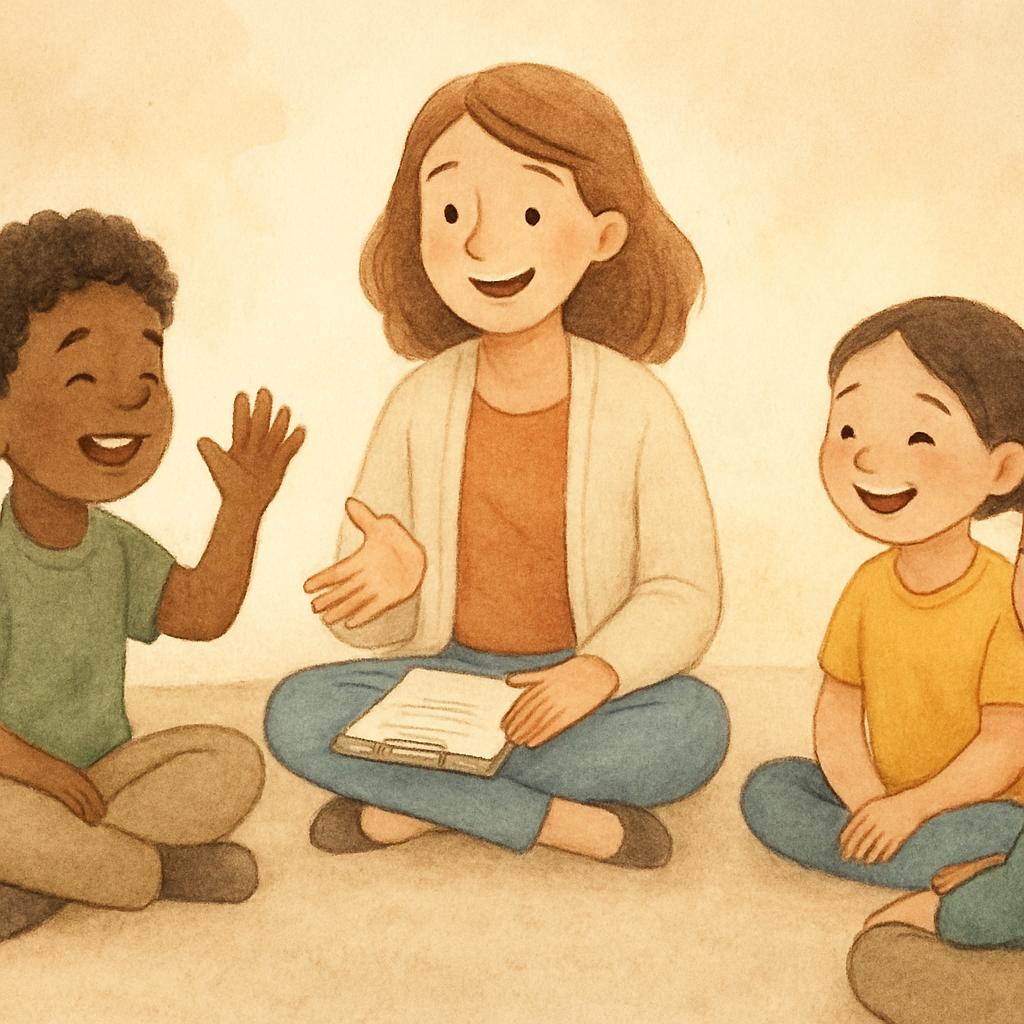
Understanding Socialised Behaviour Therapy for Better Health
Introduction
Have you ever wondered how people learn to navigate social situations with confidence? Socialised behaviour therapy is an empowering approach within the world of behavioural therapy that focuses on exactly that. By integrating social interactions into treatment, this therapy helps individuals improve their mental health and overall quality of life. As more health services recognize its value, it is becoming a go-to method for building practical skills and fostering lasting well-being. This article will explore what this therapy is, who it helps, and the techniques it uses.
Key Highlights
-
Socialised behaviour therapy is a practical approach that uses social interaction to teach new, positive behaviours and improve mental health. It is highly effective for children, adolescents, and adults, especially those with social anxiety, autism spectrum disorder, and other behavioural issues. If you are looking for qualified practitioners in socialised behaviour therapy, you can start by consulting licensed mental health professionals, specialized autism spectrum disorder clinics, or behavioural therapy centers. Many reputable organizations and online directories also list certified therapists experienced in behavioural issues and social anxiety.
-
It is highly effective for children, adolescents, and adults, especially those with social anxiety, autism spectrum disorder, and other behavioural issues.
-
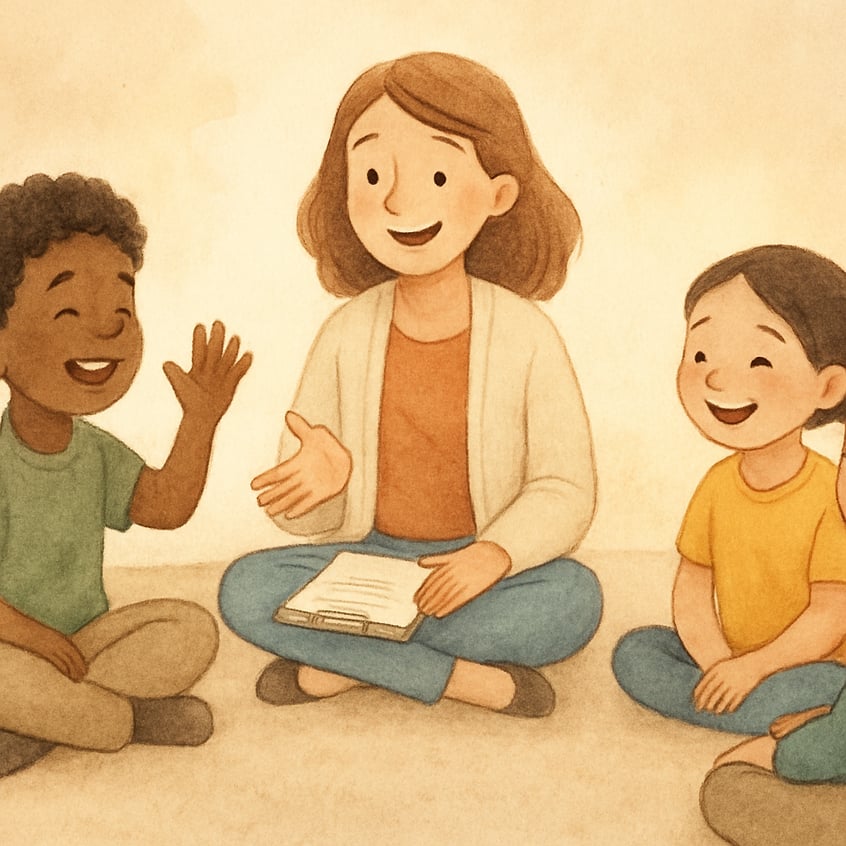
Key techniques include role-playing, modeling, peer feedback, and social skills training to build confidence in social settings. For example, in schools, socialised behaviour therapy might involve students practicing role-play conversations to improve their social skills with classmates, while in group therapy for adults, participants may receive peer feedback to address problematic behaviours in workplace or community social settings. Unlike some traditional therapies, it is action-oriented, focusing directly on modifying problematic behaviours in real-world contexts.
-
Unlike some traditional therapies, it is action-oriented, focusing directly on modifying problematic behaviours in real-world contexts.
-
The primary benefits are enhanced emotional well-being, stronger interpersonal relationships, and an overall better quality of life.
What Is Socialised Behaviour Therapy?
Socialised behaviour therapy is a form of behaviour therapy that helps you improve your social skills in a supportive setting. It’s built on the idea that behaviours are learned and can be changed through practice and positive feedback. This approach is action-oriented and often incorporates principles from cognitive behavioural therapy.
Instead of just talking about problems, you actively participate in social skills training exercises. Guided by health professionals, you learn to manage social interactions more effectively, which can boost your confidence and reduce anxiety.
Defining Socialised Behaviour Therapy
At its core, socialised behaviour therapy is a type of behavioural therapy that uses group or interactive settings to teach and reinforce positive social skills. The primary goal is to help you learn how to handle social situations in healthier, more effective ways. It directly addresses behaviours that might be holding you back from forming strong relationships and feeling comfortable around others.
This therapy blends traditional techniques with a strong social component. For instance, it might use a form of exposure therapy where you gradually face social scenarios that make you anxious. By doing this in a controlled environment, you can build resilience and reduce fear. This makes it particularly helpful for treating various anxiety disorders and improving overall mental health.
The process is designed to be practical and hands-on. By learning through direct experience and observation, you gain the tools needed to navigate the complexities of social interactions, making daily life feel less daunting and more rewarding.
How Socialised Behaviour Therapy Differs from Traditional Behaviour Therapy
While socialised behaviour therapy is a type of behaviour therapy, its focus on social context sets it apart. Traditional approaches, such as those strictly based on operant conditioning, might address behaviours in a one-on-one setting without the same emphasis on group dynamics. Socialised therapy, however, is fundamentally about learning and practicing skills with and from other people.
This therapy integrates social skills training directly into the process, making it highly interactive. It’s less about just understanding your thoughts, as in some forms of cognitive therapy, and more about doing. The emphasis is on active participation in simulated or real social situations to build competence.
Here are some key differences:
-
Focus: Socialised therapy centers on improving interactions between people, while traditional therapy may focus on individual habits or fears.
-
Environment: It often takes place in group settings to mimic real-world social situations, unlike the typically individual format of many other therapies.
-
Techniques: It heavily relies on interactive methods like role-playing and peer feedback.
Key Principles Behind Socialised Behaviour Therapy
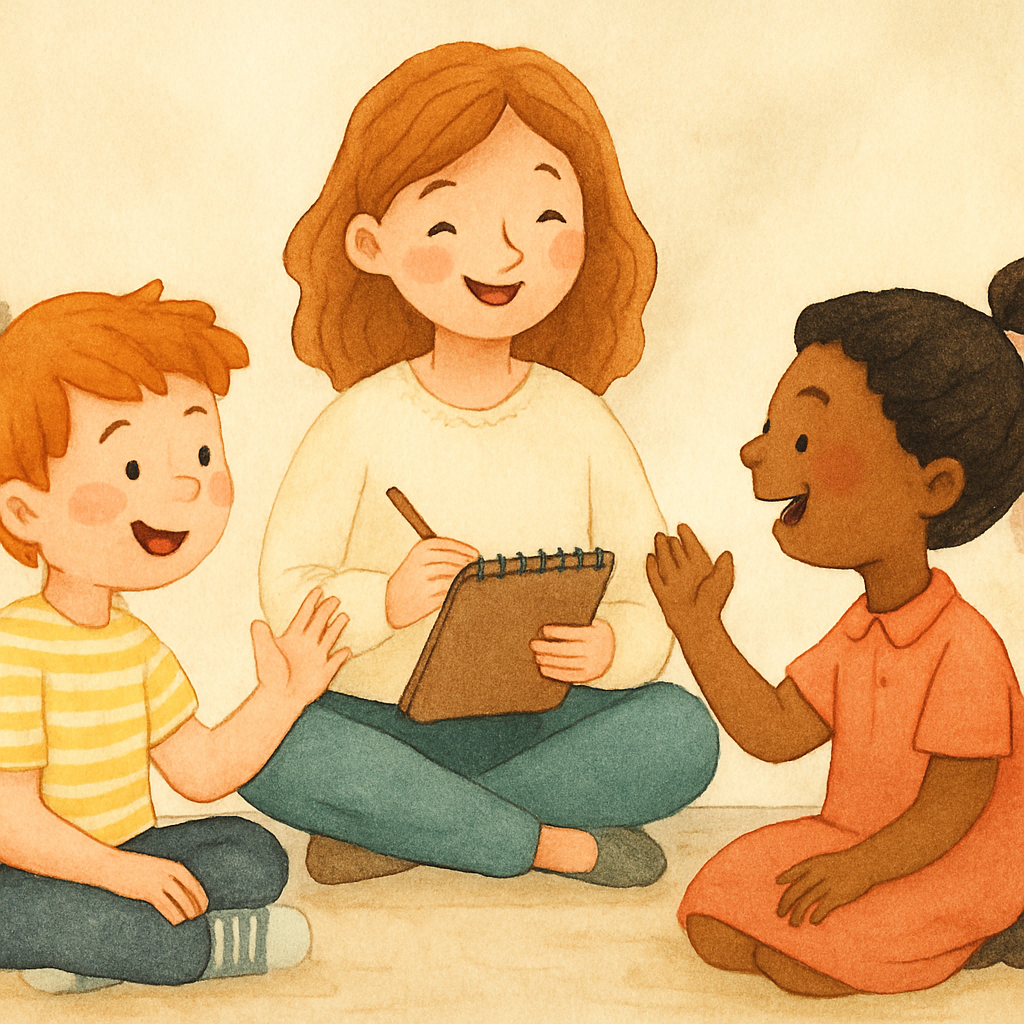
The effectiveness of socialised behaviour therapy comes from a few foundational principles rooted in learning theory. One of the most important is social learning, the idea that people learn by observing others. This therapy uses this concept to help you acquire new social behaviours.
Another key principle is reinforcement, where positive behaviours are encouraged with praise or other rewards. This helps solidify new skills and motivates you to continue using them. Behaviour analysis is often used to identify which behaviours to target and how to best reinforce them.
Here are the core principles that guide the therapy:
-
Modeling: Therapists and peers demonstrate desired social behaviours, providing a clear example to imitate.
-
Reinforcement: Positive actions are rewarded to increase the likelihood they will be repeated.
-
Peer Feedback: Receiving constructive input from others in the group helps you understand how your behaviour is perceived and how you can improve.
Who Can Benefit from Socialised Behaviour Therapy?
A wide range of people can find relief and growth through socialised behaviour therapy. It's not just for one specific age group or issue; its techniques can be adapted to fit many different needs. From children struggling with social cues to older adults looking to improve their relationships, this therapy offers practical solutions.
Individuals with various mental health conditions, such as social behaviour disorders and anxiety disorders, often see significant improvement. The following sections will explore how this therapy helps children, adolescents, adults, and those with specific disorders.
Children and Adolescents
Socialized behaviour therapy can be transformative for children and teens, helping them develop essential social skills. It's especially helpful for those with behavioural issues or conditions like autism. Therapists use age-appropriate methods, such as play therapy, to make learning engaging and fun. Kids practice sharing, taking turns, and expressing emotions in a safe environment. For teens, therapy focuses on navigating complex social situations, like making friends or dealing with peer pressure.
By blending gentle exposure with positive reinforcement, this approach builds confidence and reduces social anxiety. Young people not only learn new skills but also practice them, preparing for real-life social challenges at school and home.
Adults and Older Adults
Socialized behaviour therapy offers significant benefits for adults and older adults. It provides practical tools to manage social anxiety, build confidence, and improve relationships—both at work and in personal life.
As people age, staying socially connected is essential for mental health and quality of life. This therapy helps older adults combat loneliness by teaching skills to form new friendships or strengthen family ties, especially during transitions like retirement or loss of a partner.
With guidance from health professionals, adults learn to overcome social phobia and participate more actively in their communities. Because the therapy focuses on real-life situations, you can immediately apply your new skills and see quick improvements in your social connections.
People with Specific Social Behaviour Disorders
Socialised behaviour therapy is a highly effective treatment for individuals with specific social behaviour disorders. People with conditions like social anxiety often avoid social situations out of fear, which prevents them from building necessary skills. This therapy gently exposes them to these situations in a controlled way, reducing their fear over time.
It is also useful for addressing mental health issues that impact social functioning, such as certain personality disorders or even panic disorder triggered by social settings. By focusing on behaviour, the therapy helps individuals break cycles of avoidance and develop healthier coping mechanisms.
For those with a compulsive disorder that has a social component, this therapy can help manage urges and replace problematic behaviours with more constructive ones. The group setting provides a unique opportunity to receive support from others who understand, which can be a powerful part of the healing process.
Common Techniques Used in Socialised Behaviour Therapy
To help you build confidence and competence, socialised behaviour therapy uses several engaging, hands-on techniques. These methods are designed to be practical, allowing you to learn by doing in a safe and supportive environment.
Key approaches include role-playing different social scenarios, social skills training to learn new communication tactics, and modeling, where you observe others demonstrating positive behaviours. Therapists also use reinforcement strategies, like positive reinforcement, to encourage your progress. The following sections will explain these powerful techniques in more detail.
Role-Playing and Social Skills Training
Role-playing is a cornerstone of socialised behaviour therapy. It allows you to practice new social skills in a simulated environment before you have to use them in the real world. You might act out scenarios like starting a conversation, asking for help, or disagreeing politely with someone.
This technique is a powerful part of social skills training because it feels real without the high stakes. You can experiment with different responses and see what works best for you. A therapist provides guidance and feedback, helping you refine your approach in a supportive space.
The goal of role-playing is to build your confidence so that when you encounter similar social settings in daily life, you feel prepared and less anxious. It transforms abstract advice into concrete, practiced skills, making it a highly effective behaviour therapy method.
Modeling and Peer Feedback
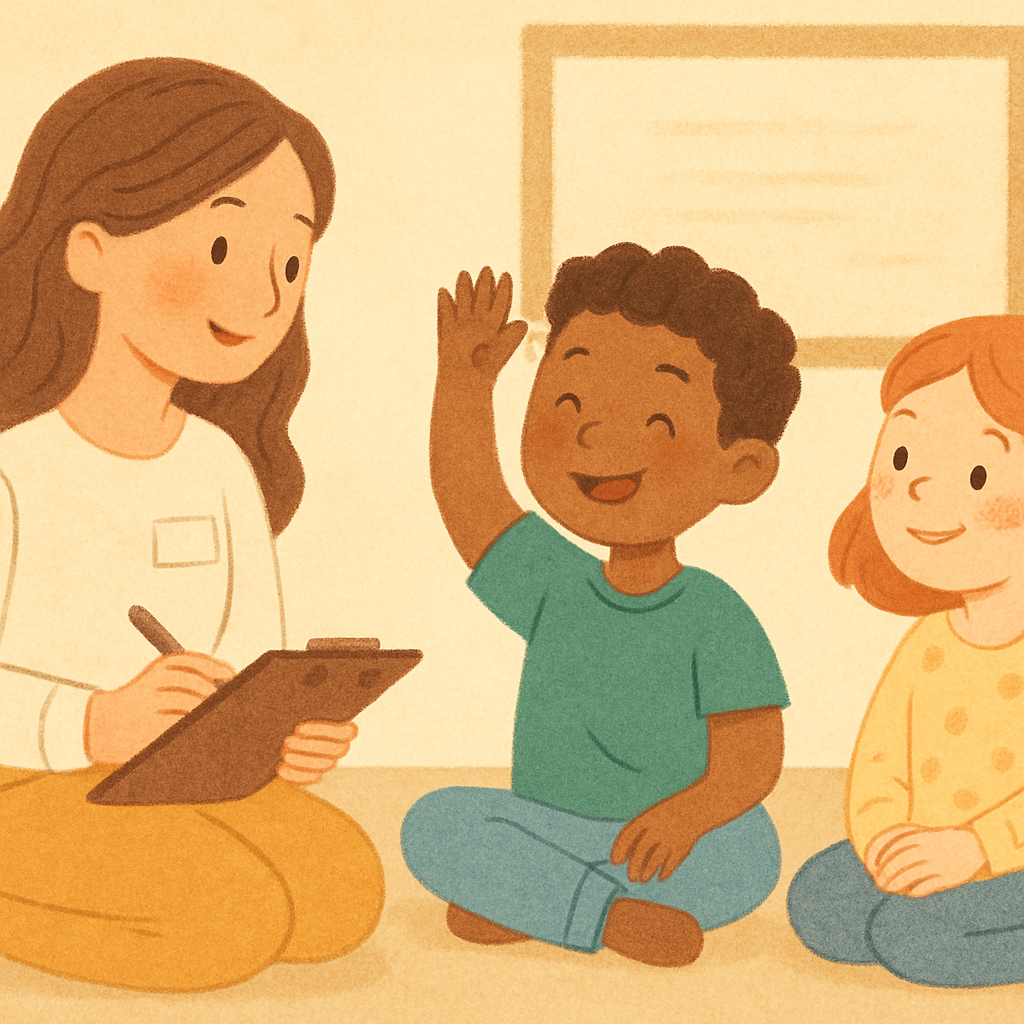
Modeling is another key technique where you learn by watching. Based on the social learning theory of psychologist Albert Bandura, this method involves observing a therapist or peers demonstrate effective social behaviours. Seeing someone else successfully handle a situation you find difficult can be incredibly insightful.
After observing, you get the chance to practice the behaviour yourself. This is where peer feedback comes in. Others in the group can offer constructive comments on what you did well and where you could improve. This feedback is invaluable, as it comes from people who are on a similar journey.
This combination of modeling and feedback accelerates social learning. Here are some examples:
-
Observing a peer confidently introduce themselves to a group.
-
Watching a therapist model active listening skills during a conversation.
-
Receiving feedback on your body language after practicing a scenario.
Reinforcement Strategies in Group Settings
Reinforcement strategies are essential for encouraging and strengthening new behaviours. Rooted in the principles of operant conditioning, these strategies use positive consequences to make it more likely that you'll repeat desirable social actions. In a group setting, this can be as simple as verbal praise from the therapist or encouraging words from peers.
This form of behavioural therapy often uses positive reinforcement to build momentum. When you successfully use a new skill, receiving immediate recognition makes you feel good and motivated to keep trying. Some programs might even use structured systems like token economies, where you earn points or tokens for positive behaviours that can be exchanged for a reward.
The table below shows different types of reinforcement used in group settings.
|
Reinforcement Type |
Description |
|---|---|
|
Verbal Praise |
The therapist or peers offer encouraging words like "Great job making eye contact!" or "That was a very thoughtful question." |
|
Tangible Rewards |
Small, physical rewards like stickers or tokens are given to recognize progress, often used in token economies. |
|
Social Attention |
Positive attention from the group, such as smiles, nods, or active listening, serves as a natural social reward. |
Benefits of socialised behaviour therapy
The advantages of engaging in socialised behaviour therapy are both immediate and long-lasting. By focusing on practical skills, this therapy empowers you to handle challenging social situations with greater ease, which directly boosts your emotional well-being and overall quality of life. It helps reduce social anxiety by replacing fear with confidence.
You'll learn to foster more desirable behaviours that lead to stronger, healthier relationships. The following sections will highlight how this therapy enhances emotional health, the specific benefits you can expect, and the healing power of social interaction.
How Socialised Behaviour Therapy Enhances Emotional Well-being
One of the most significant impacts of socialised behaviour therapy is its positive effect on your emotional well-being. When social anxiety rules your life, even simple interactions can feel stressful. This therapy teaches you effective stress management skills to stay calm and centered in social settings.
You might learn relaxation techniques, like deep breathing, to use when you feel overwhelmed. This can be especially helpful for preventing panic attacks that are triggered by social fear. As you gain more control over your physical and emotional responses, your confidence naturally grows.
Crucially, the group setting provides a built-in network of social support. Knowing you're not alone and sharing your experiences with others who understand can be incredibly validating. This sense of connection and belonging is a powerful antidote to the isolation that often accompanies social difficulties.
Benefits of Adopting Socialised Behaviour Therapy
Adopting socialised behaviour therapy can lead to transformative changes in many areas of your life. Because it's an action-oriented approach, you'll walk away with a toolkit of new skills that you can apply immediately. This practicality is one of its greatest strengths.
The therapy addresses behavioural issues in different ways, leading to improved social interactions across the board—with friends, family, and coworkers. As your relationships strengthen and your confidence grows, you'll likely see a significant boost in your overall quality of life.
Here are some of the key benefits:
-
Reduced Social Anxiety: You learn to manage fear and avoidance, allowing you to participate more fully in life.
-
Improved Communication Skills: It teaches you how to express yourself clearly and listen effectively.
-
Greater Self-Esteem: Successfully navigating social situations builds confidence and a more positive self-image.
The Role of Social Interactions in Healing
The "social" part of socialised behaviour therapy is not just a setting—it's a vital part of the healing process. Humans are social creatures, and learning within a community can be incredibly powerful. Group therapy provides a unique laboratory for practicing and refining interpersonal relationships.
In these social settings, you benefit from peer support. Your fellow group members can offer empathy, share their own struggles, and celebrate your successes. This shared experience helps normalize your feelings and reduces the sense of isolation that often comes with social challenges.
This environment also maximizes opportunities for social learning. By observing how others interact, handle feedback, and solve problems, you gain insights that you might not discover in individual therapy. The dynamic, interactive nature of the group accelerates learning and helps build a supportive community.
Techniques used in socialised behaviour therapy
Socialised behaviour therapy draws from a rich collection of evidence-based behaviour therapy techniques. While it emphasizes social learning, it also incorporates foundational methods to address the underlying causes of behavioural challenges.
These techniques range from classical conditioning principles like systematic desensitization to cognitive approaches like cognitive restructuring. This blend allows therapists to create a comprehensive and personalized behavioural therapy plan. The following sections explore how these techniques are tailored to you and the potential challenges of the therapy.
Tailoring Socialised Behaviour Therapy to Individual Needs
A key to the success of socialised behaviour therapy is its adaptability. Health professionals don't use a one-size-fits-all approach; instead, they create personalized plans that are tailored to your specific goals and challenges. Your therapist will assess your needs to determine the best combination of techniques.
For example, if you struggle with negative self-talk in social situations, your plan might heavily feature cognitive behavioural therapy to challenge those thoughts. If your difficulties are linked to past experiences, elements of narrative therapy might be woven in to help you reframe your story. This customization makes the therapy relevant to a wide range of issues, including the treatment of depression.
Here’s how a plan might be tailored:
-
Assessing Specific Deficits: Identifying whether the challenge is initiating conversations, maintaining eye contact, or something else.
-
Integrating Different Therapies: Combining social skills training with cognitive or other therapies for a holistic approach.
-
Setting Personal Goals: Working with you to define what success looks like for you.
Challenges and Limitations of Socialised Behaviour Therapy
While highly effective, socialised behaviour therapy does have some challenges and limitations. The process of changing long-standing problematic behaviours requires commitment and can sometimes feel uncomfortable. Facing social fears, even in a supportive setting, can be emotionally taxing at first.
Finding qualified mental health professionals trained in this specific type of behaviour therapy can also be a hurdle in some areas. The success of the therapy often depends on the skill of the therapist and the dynamics of the group. For some, a group setting might initially feel intimidating.
Here are some potential limitations:
-
Resistance to Change: Individuals may struggle to move past old habits or maladaptive behaviours.
-
Not a Quick Fix: It requires consistent effort and practice over time.
-
Limited Scope: It may not be sufficient for deep-seated trauma or severe conditions like substance abuse without being part of a broader treatment plan.
Conclusion
In conclusion, Socialised Behaviour Therapy is a transformative approach that promotes emotional well-being through enhanced social interactions and tailored techniques. By focusing on specific social behaviour disorders, it offers valuable strategies for individuals across various age groups. The unique principles and methods employed in this therapy not only bridge the gap between traditional practices and modern needs but also foster an environment conducive to personal growth and healing. If you're interested in exploring how Socialised Behaviour Therapy can benefit you or someone you care about, don't hesitate—get a consultation with our experts today!
Book now or call daar at 02 9133 2500!
Frequently Asked Questions
Can children with autism benefit from socialised behaviour therapy?
Yes, absolutely. Children with autism spectrum disorder often benefit greatly from this type of behaviour therapy. Health services use techniques like social skills training and play therapy to help them understand social cues, practice interactions, and build friendships in a structured, supportive environment that is tailored to their needs.
Are there any side effects or risks with socialised behaviour therapy?
This behaviour therapy is generally very safe, but some people might feel a temporary increase in social anxiety when first starting exposure therapy techniques. This discomfort is a normal part of the process. A good therapist will teach you stress management skills to handle these feelings and challenge negative thoughts.
How do therapists measure improvement in socialised behaviour therapy?
Health professionals measure improvement in several ways. They use behaviour analysis to track changes in specific actions, observe your interactions in the group, and ask for your feedback. Progress is seen through the consistent use of desirable behaviours, reduced anxiety, and your own reports of an improved quality of life.
.svg)




.svg)