
.png?width=48&height=48&name=Group%201%20(3).png)























31 December, 2025

Understanding Behaviour Therapy: A Comprehensive Guide

Introduction
Are you feeling stuck in a cycle of worry or unhelpful habits? Finding the right support is a crucial first step toward better mental wellness. Behaviour therapy is a science-backed mental health treatment designed to help you understand and manage your emotions and actions. Unlike some therapies that explore the past, this approach focuses on current problems and provides practical tools for change. It includes methods like cognitive behaviour therapy to help you build a healthier, more fulfilling life.
Key Highlights
-
Behaviour therapy is a practical approach to mental health that focuses on changing learned, unhealthy behaviours.
-
It utilizes various behavioural therapy techniques, including exposure therapy and strategies based on classical and operant conditioning.
-
This therapy is effective for a wide range of conditions, from anxiety disorders to phobias and depression.
-
Social skills training is a key component that helps improve communication and interpersonal interactions.
-
Positive behaviour support systems use reinforcement to encourage desirable actions and enhance quality of life.
Defining Behaviour Therapy
Behavioural therapy is a broad term for different types of therapy used to treat mental health disorders. The core idea is that all behaviours are learned and, therefore, can be changed or unlearned. This approach helps you identify and modify potentially self-destructive or unhealthy patterns.
The focus of behaviour therapy is on your current problems and how to fix them. Rather than analyzing your past, the treatment is action-oriented and designed to help you develop new, healthier ways of responding to challenges in your daily life.
Core Principles and Objectives
A central concept in behaviour therapy is that your actions are shaped by their consequences. The principles of behaviourism suggest that positive outcomes reinforce a behaviour, while negative outcomes discourage it. This powerful idea is the foundation for effective behaviour modification. The main goal is to help you recognize and change these patterns for better emotional and social functioning.
One of the primary objectives is to eliminate maladaptive behaviours by applying specific techniques. For example, a therapist might help you unlearn an unhealthy response by associating it with a negative stimulus. At the same time, the therapy aims to teach and reinforce desirable behaviours that support your well-being.
Ultimately, this therapeutic approach shows that change is possible through structured interventions. By using techniques like operant conditioning and sometimes cognitive restructuring, you can acquire new, healthier habits and learn to navigate life’s challenges more effectively, proving that you have the power to reshape your responses.
Key Differences From Other Psychotherapies
Unlike therapies that spend a lot of time on your subconscious mind or past experiences, behaviour therapy is highly focused on the present. It is a problem-focused and action-oriented approach, which sets it apart from more traditional psychoanalysis. The goal is to provide you with practical solutions for the issues you are facing right now.
Cognitive behavioural therapy (CBT) is a popular type that integrates both cognitive therapy and behavioural strategies. While related, different forms of behaviour therapy have unique focuses. For instance, Dialectical Behaviour Therapy (DBT) was developed for emotional regulation, while Acceptance and Commitment Therapy (ACT) emphasizes psychological flexibility.
Here are some key distinctions to keep in mind:
-
Focus on Action: It centers on changing behaviours rather than just exploring thoughts and feelings.
-
Present-Oriented: The primary concern is with current problems and finding immediate, practical solutions.
-
Structured Approach: Sessions are typically structured, goal-oriented, and may require fewer sessions than other types of therapy.
Historical Foundations of Behaviour Therapy
The historical foundations of behaviour therapy trace back to the early 20th century. It grew from behaviourism, a school of thought that emphasized observable behaviour over introspective analysis. This shift toward a more scientific and measurable approach to psychology laid the groundwork for the treatments we use today.
Pioneers like John B. Watson, B.F. Skinner, and Joseph Wolpe made significant contributions. Their work on concepts like classical conditioning, social learning theory, and operant conditioning shaped behaviour therapy into a systematic and effective treatment method for a variety of psychological conditions. We'll explore these early influences and how their work continues to impact modern therapy.
Early Influences and Major Figures
The development of behaviour therapy was shaped by several influential figures. John B. Watson is often called the father of behaviourism, as he argued that psychology should focus only on behaviours that can be seen and measured. His work set the stage for a more scientific approach to understanding human actions.
B.F. Skinner further advanced the field with his extensive research on operant conditioning. He demonstrated how reinforcement and punishment could be used to shape behaviour, a core principle in modern behaviour analysis. This work showed that actions are influenced by their consequences, providing a powerful tool for therapy.
Another key pioneer was Joseph Wolpe, who developed systematic desensitization. This technique, fundamental in treating phobias, helped establish behaviour therapy as a practical and effective treatment. These figures, along with the principles of social learning theory, collectively created the foundation for the diverse and effective therapies available today.
Evolution of Approaches Over Time
Behaviour therapy has evolved significantly since its early days, expanding from simple behaviour modification to include more complex approaches. Initially, the therapeutic approach focused heavily on observable actions and reinforcement strategies. Over time, therapists began to recognize the importance of thoughts and feelings in shaping behaviour.
This evolution led to the "three waves" of behaviour therapy. The first wave was rooted in classical and operant conditioning. The second wave introduced cognitive elements, leading to cognitive-behavioural therapy (CBT). The third wave brought in concepts like mindfulness and acceptance, resulting in therapies like Acceptance and Commitment Therapy (ACT) and Dialectical Behaviour Therapy (DBT).
These newer approaches blend traditional behavioural analysis with strategies for emotional regulation and psychological flexibility. They maintain a focus on changing behaviour but also equip you with skills to manage internal experiences.
|
Therapy Type |
Focus |
Skills Developed |
|---|---|---|
|
Acceptance and Commitment Therapy (ACT) |
Acceptance and commitment to values |
Psychological flexibility, values clarification |
|
Dialectical Behaviour Therapy (DBT) |
Emotional regulation and distress tolerance |
Mindfulness, emotional regulation, interpersonal skills |
Main Techniques Utilised in Behaviour Therapy
Behaviour therapy uses a variety of practical techniques to help you change unhelpful behaviours. These methods are grounded in the principles of learning, specifically classical conditioning and operant conditioning. The goal is to replace maladaptive actions with healthier, more adaptive ones.
Some of the most common behavioural therapy techniques include systematic desensitization, aversion therapy, and exposure therapy. Each technique is tailored to address specific problems, from phobias to substance use disorders. In the following sections, we will look at how these methods work and who they can help.
Classical and Operant Conditioning Techniques
Many behaviour therapy techniques are based on classical and operant conditioning. Classical conditioning creates associations between stimuli to change responses—pairing a neutral stimulus with one that triggers a reaction until the neutral stimulus alone causes the response.
Operant conditioning, developed by B.F. Skinner, uses reinforcement and punishment to shape behaviour. Positive reinforcement—rewarding desirable actions—is especially effective for encouraging positive behaviours and reducing negative ones.
Key techniques include:
-
Systematic Desensitization: Gradual exposure to a feared object combined with relaxation to reduce fear.
-
Aversion Therapy: Pairing unwanted behaviours with unpleasant stimuli to discourage them.
-
Token Economies: Earning tokens for positive actions, redeemable for rewards.
-
Contingency Management: Using clear consequences to reinforce desired behaviours.
Exposure Therapy and Systematic Desensitisation
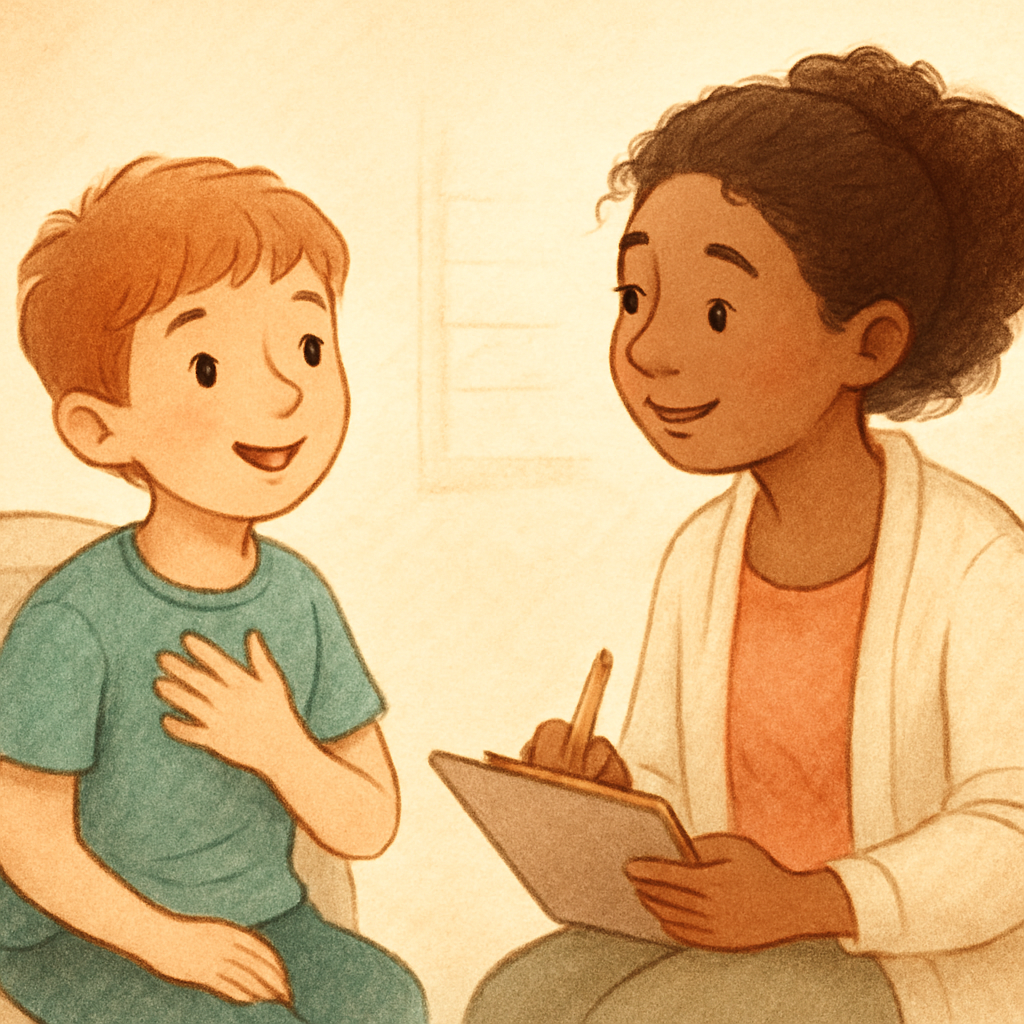
Exposure therapy helps you face your fears safely and gradually, reducing anxiety and desensitizing you to what scares you. It’s especially effective for anxiety disorders, phobias, and PTSD.
Systematic desensitization combines relaxation techniques with gradual exposure. You first learn to relax, then work with your therapist to confront your fear in small steps while practicing these skills.
This approach builds confidence, decreases avoidance, and lets you regain control over areas of life previously restricted by anxiety.
Behaviour Modification and Reinforcement Strategies
Behaviour modification relies on reinforcement strategies to promote positive change. Through behaviour analysis, therapists identify triggers and consequences to create targeted plans that increase desirable behaviours and reduce undesirable ones.
Positive reinforcement—rewarding desired actions—makes them more likely to recur. For example, a child gets screen time for finishing homework, or an adult enjoys a coffee after a productive morning.
The aim is to make positive behaviours more appealing than negative ones. Consistent use of reinforcement helps shape habits and build lasting, healthier patterns.
Social Skills Training in Behaviour Therapy
For many people, social interactions can be a source of anxiety and stress. Social skills training (SST) is a type of behavioural therapy used to improve social skills in people with mental health disorders or developmental disabilities. It can help you feel more comfortable and communicate more effectively in social situations.
If you struggle with social anxiety, you might avoid interactions, which limits your opportunity to build confidence. SST provides a safe space to practice and improve your social skills. Let's explore the key components of this training and how it addresses common interpersonal difficulties.
Components of Effective Social Skills Training
Effective social skills training begins with an assessment to identify your specific challenges. Your therapist might ask which social situations you find most difficult to pinpoint the best targets for skill development. From there, complex behaviours are often broken down into smaller, more manageable parts.
Training often incorporates principles of social learning, where you learn by observing and modeling. Your therapist might describe a skill, explain how to use it, and then demonstrate it for you. This educational component is combined with hands-on practice to help you build confidence. Some forms of this training for children may even use play therapy.
Key techniques used in SST include:
-
Behavioural Rehearsal: You practice new skills through role-playing simulated situations during therapy.
-
Corrective Feedback: Your therapist provides constructive feedback to help you improve during practice.
-
Positive Reinforcement: Improvements and successful use of skills are rewarded to encourage progress.
-
Homework Assignments: You get a chance to practice your new social skills in real-world situations between sessions.
Addressing Social Anxiety and Interpersonal Difficulties
Social skills training (SST) is highly effective for social anxiety. While you may know what to do socially, fear can hold you back. SST offers practice and exposure to boost confidence, reduce anxiety, and strengthen relationships.
You’ll learn skills like making eye contact, conversing, and being assertive—balancing your needs with others’. SST also covers nonverbal cues, such as open body language, to help you appear more approachable.
Therapists and social workers often include SST in treatment plans for various mental health conditions. Whether you struggle with introductions or accepting compliments, SST equips you to handle social situations more comfortably and build better connections.
Positive Behaviour Support
Positive Behaviour Support (PBS) is a comprehensive approach that aims to understand and address challenging behaviours. Instead of focusing only on punishment, PBS seeks to identify the reasons behind a behaviour and teach new skills. The ultimate goal is to promote positive behaviours and improve a person's overall quality of life.
This approach is proactive and person-centered, meaning it's tailored to an individual's unique needs and environment. Let's look at what PBS involves and how it's implemented in settings like schools and communities to create supportive environments.
What It Is and When to Use It
Positive Behaviour Support (PBS) is an evidence-based approach for managing challenging behaviours. Instead of a one-size-fits-all solution, PBS helps identify why a behaviour occurs and develops tailored strategies through assessment.
PBS is commonly used for people with mental health conditions or developmental disabilities when behaviour disrupts daily life, especially if traditional discipline hasn’t worked. It focuses on teaching and reinforcing positive behaviours that meet the same needs as the challenging ones.
For example, if a child seeks attention by acting out, PBS teaches them better ways to ask for attention and rewards those efforts. This proactive method prevents problem behaviours and creates a more supportive environment.
Implementing Positive Behaviour Support in Schools and Community Settings
Implementing Positive Behaviour Support in places like schools and community centers involves creating a system-wide culture of encouragement. In schools, this might look like Positive Behavioural Interventions and Supports (PBIS), where staff work together to teach and reward expected behaviours. The goal is to create a positive learning environment for all students.
This approach is also used to address issues like substance abuse. In settings that treat substance use disorders, behaviour support can help individuals learn new coping skills and reinforce sobriety. The principles of social learning and positive reinforcement are key, as they encourage individuals to adopt healthier habits.
Effective implementation often includes:
-
Clear Expectations: Defining, teaching, and modeling expected behaviours for everyone.
-
Consistent Reinforcement: Using praise and rewards to encourage positive actions.
-
Data-Driven Decisions: Tracking behaviour data to see what's working and make adjustments.
-
Team Collaboration: Ensuring parents, teachers, and therapists work together to provide consistent support.
Who Benefits Most from Behaviour Therapy?
Behaviour therapy can benefit a wide range of people dealing with various mental health disorders. It's considered extremely effective for many conditions because of its practical, goal-oriented approach. If you are struggling with behavioural issues that impact your daily life, this therapy can provide you with tangible skills to make a change.
People with anxiety, depression, phobias, obsessive-compulsive disorder, and even substance use disorders often see significant improvement. But who is it best suited for, and what factors determine success? Let's examine how this therapy is adapted for different age groups and what you can expect from treatment.
Suitability for Children, Adolescents, and Adults
Behaviour therapy is highly adaptable and can be effective for children, adolescents, and adults alike. For children, therapists often use techniques like play therapy and positive reinforcement to address behavioural issues. These methods teach kids new ways of responding to situations in a more positive manner and often involve collaboration with parents and teachers.
For adults, therapy is tailored to specific mental health conditions. It often focuses on building coping strategies and modifying harmful behaviours to improve well-being. For example, Dialectical Behaviour Therapy (DBT) is very effective for treating borderline personality disorder by teaching skills in emotional regulation and interpersonal effectiveness.
This therapy is used to treat numerous conditions across all ages, including:
-
Autism Spectrum Disorder: Applied Behaviour Analysis (ABA) is used to improve social and communication skills.
-
Specific Phobias: Exposure therapy and systematic desensitization help reduce fear responses.
-
Obsessive-Compulsive Disorder (OCD): Exposure and response prevention helps reduce compulsive behaviours.
-
ADHD: Behaviour modification techniques can improve focus and self-control.
Factors Affecting Success and Expected Outcomes
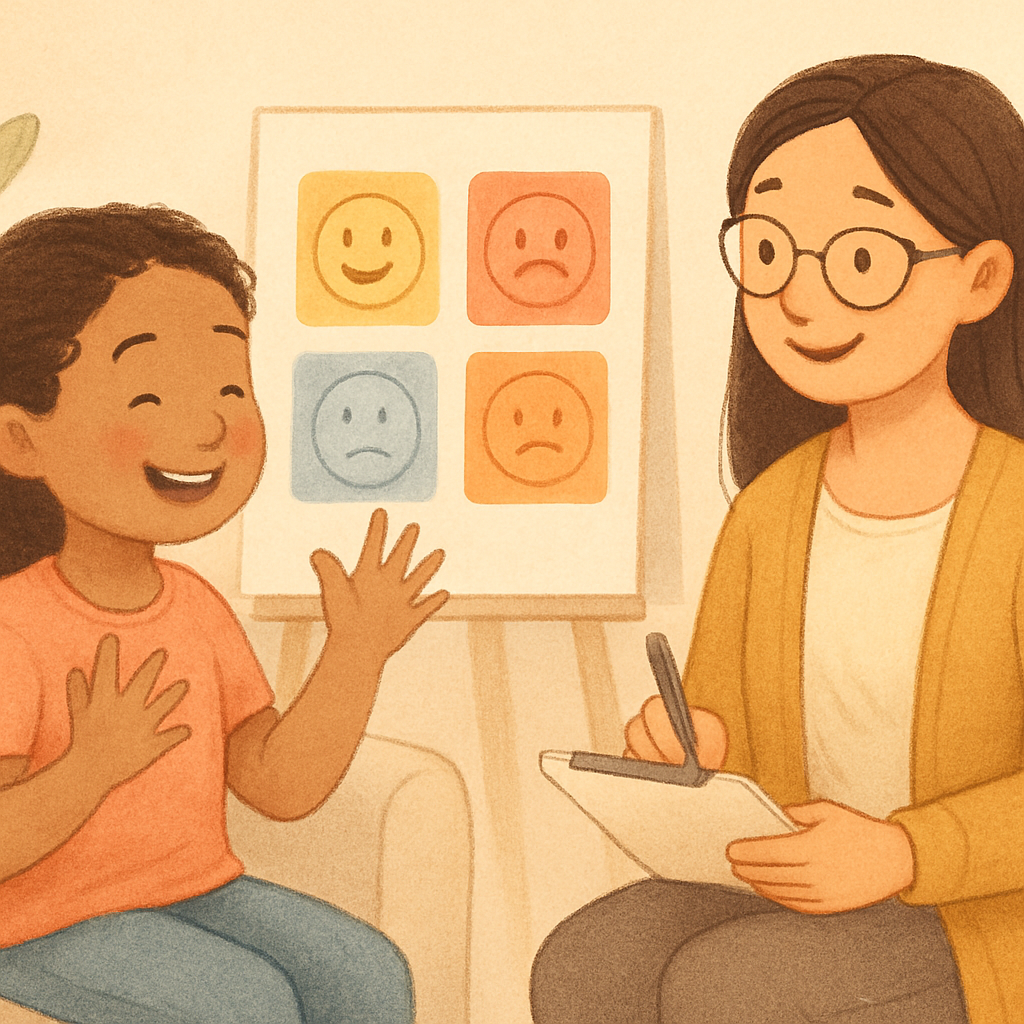
Success in behaviour therapy depends largely on your commitment and active participation. You'll need to engage during sessions and practice new skills in daily life. A strong, collaborative relationship with your therapist is also key.
Therapy techniques will vary based on your needs—cognitive restructuring may help change harmful behaviours, while learning emotional regulation skills might be most important for others. Your therapist will tailor a plan to address your specific challenges.
The goal is to give you lasting coping strategies. While therapy can surface difficult emotions, it's designed to build resilience. With dedication, you can expect better management of challenges and a reduction in unhelpful behaviours.
Conclusion
In conclusion, behaviour therapy stands as a powerful approach to addressing various mental health challenges by focusing on observable behaviours and their modification. With its roots in classical and operant conditioning, this structured method provides valuable techniques to help individuals develop better coping strategies and enhance social skills. Whether you’re a child grappling with anxiety or an adult seeking to shift unhelpful patterns, behaviour therapy can offer tailored support to meet your unique needs.
If you’re interested in exploring how behaviour therapy can benefit you, don't hesitate to reach out for a consultation or call daar at 02 9133 2500 to explore how socialised behaviour therapy can benefit you or your loved ones.
Your journey towards positive change begins today!
Frequently Asked Questions
Are there potential risks or side effects to behaviour therapy?
While generally safe, behaviour therapy can sometimes be challenging. The process of confronting fears or changing lifelong harmful behaviours can bring up uncomfortable emotions like sadness or anger. This is a normal part of mental health treatment, but it's important to have a supportive therapist to guide you through these risks.
How can I find a qualified behaviour therapist in Australia?
To find a qualified behaviour therapist in Australia, start by checking professional directories from organizations like the Australian Psychological Society (APS). You can also ask your general practitioner for a referral. When choosing, ensure the therapist has experience with your specific concerns and discuss their approach to creating treatment plans.
Is behaviour therapy suitable for both children and adults?
Yes, behaviour therapy is highly suitable for both children and adults. Its techniques are adapted to fit different age groups and address a wide variety of mental health conditions. For people of all ages, it can lead to significant improvements in behaviour, emotional regulation, and overall quality of life.
.svg)




.svg)