
.png?width=48&height=48&name=Group%201%20(3).png)























5 January, 2026

Socialised Behaviour Therapy: Techniques for Everyday Life
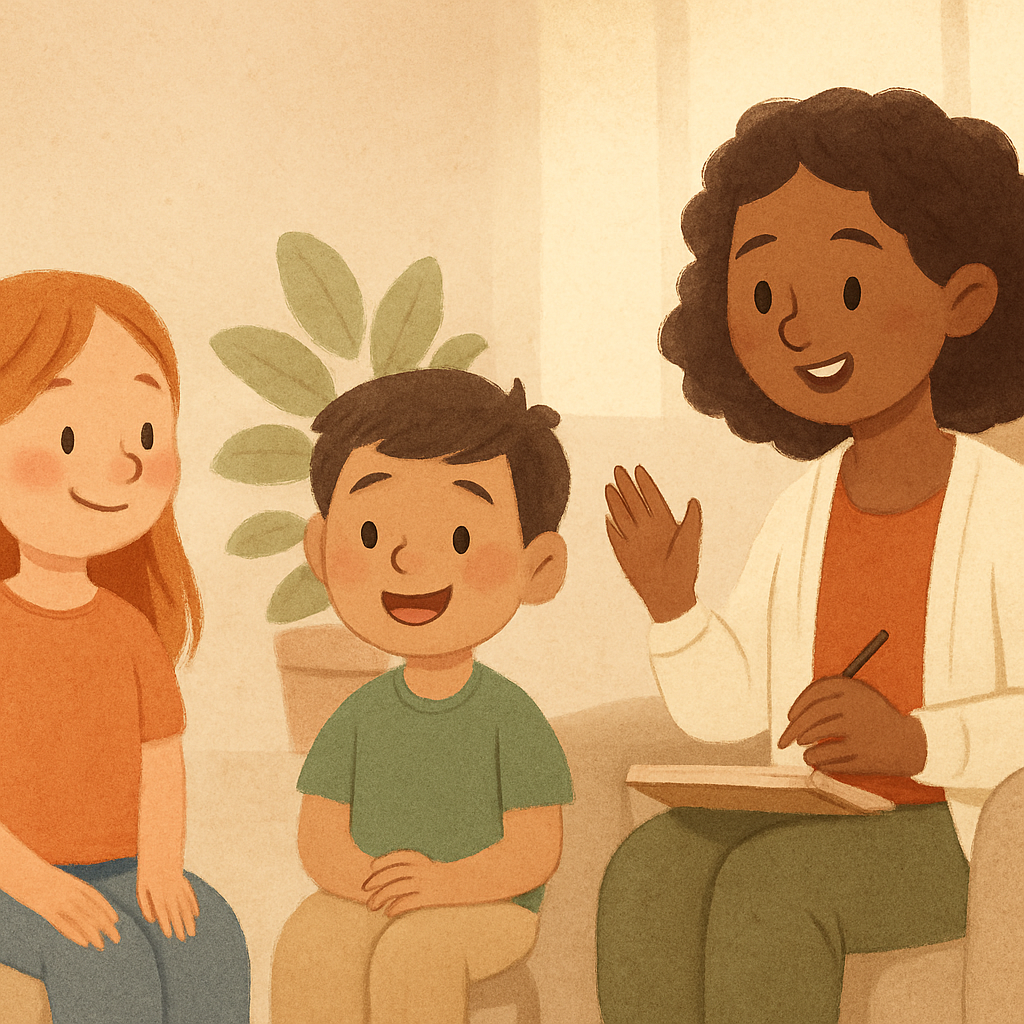
Introduction
Navigating social situations can sometimes feel overwhelming, but what if you could learn the skills to interact with more confidence? Socialised behaviour therapy provides a focused and effective path to do just that, incorporating techniques like behavioural activation. As a form of behaviour therapy, it gives you practical tools to enhance your social abilities. This approach, which shares some principles with cognitive behavioural therapy, not only helps you build better relationships but also supports your overall mental health by empowering you to connect more meaningfully with others.
Key Highlights
-
Socialised behaviour therapy offers a practical way to improve your social skills and confidence.
-
This type of behavioural therapy uses techniques like role-playing and positive feedback to help you practice new abilities.
-
It is particularly helpful for individuals dealing with social anxiety disorder or general communication challenges.
-
The approach shares some elements with cognitive behavioural therapy but focuses more on observable actions.
-
A key component is positive reinforcement, which rewards your progress and encourages continued growth in behaviour therapy.
How Socialised Behaviour Therapy Works in Everyday Life
Socialized behaviour therapy is based on the idea that social skills are learned and can improve with practice. Drawing from social learning theory, it helps you build practical skills through a practical approach by observing others and addressing specific social challenges, boosting confidence and mental health.
In sessions, you may use exposure techniques, including systematic desensitization, to practice real-life social situations in a controlled setting. The aim is to break down complex interactions into manageable steps. The following sections explain how social contexts and therapist methods support this process.
The Role of Social Contexts in Behaviour Therapy
Your behaviour is shaped by your environment and social context. Socialized behaviour therapy uses real-life situations to teach new skills, focusing on practice in settings that reflect daily life, including challenges related to substance abuse. This hands-on approach makes therapy effective.
Therapists observe your actions in various social scenarios—like work, family gatherings, or meeting new people—and tailor strategies to fit your needs. Therapy directly targets these situations, helping you build stronger relationships and address relationship issues by changing your responses.
Practicing in real contexts helps you apply new skills more broadly. The goal is lasting confidence in everyday life, making your progress more meaningful and enduring.
How Therapists Implement Techniques Daily
Therapists use a structured, goal-oriented approach in each session to address mental health issues. They begin with a behavioural analysis to identify your specific challenges and target behaviours, then create a personalized plan with practical solutions.
After setting goals, therapists guide you through skill-building exercises—explaining, modeling, and having you practice skills through role-play. This hands-on method helps you rehearse new behaviours in a supportive setting before applying them in real life.
Sessions build on each other, with ongoing feedback and reinforcement. Key activities include:
-
Behavioural rehearsal (role-playing) to practice skills.
-
Corrective feedback for refining your approach.
-
Homework assignments to apply new skills outside of therapy.
Who Benefits from Socialised Behaviour Therapy
A wide range of people can find relief and growth through this therapeutic approach in clinical practice. It is particularly helpful for those dealing with mental health problems that directly impact social functioning, such as social anxiety disorder. If you find daily interactions stressful, this therapy can offer practical solutions to help you feel more comfortable.
It is also highly effective for individuals with social behaviour disorders. Whether you are a child struggling to make friends or an adult facing challenges at work, this form of therapy, which may include physical activity, is adaptable. Let's explore how it specifically helps children and adults.
Children with Social Behaviour Disorders
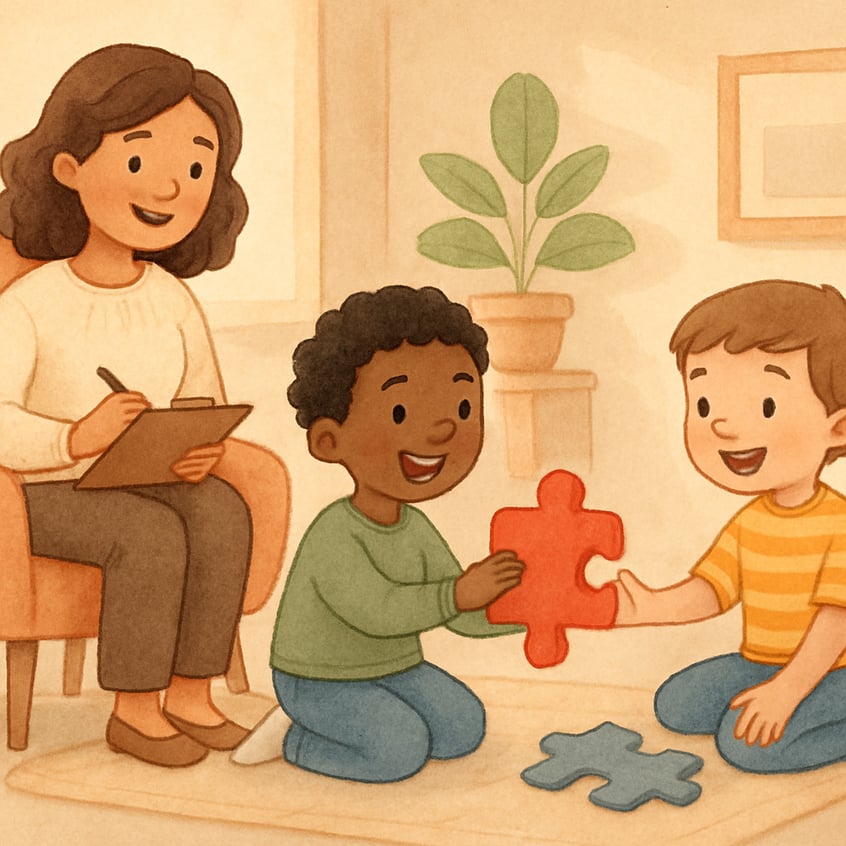
Children with autism often struggle with social skills, such as interacting with peers, reading social cues, and managing emotions. This type of therapy, social behaviour therapy, uses structured, child-friendly methods like play therapy to teach sharing, turn-taking, and understanding others’ perspectives.
Early intervention makes learning these skills enjoyable and helps prevent future challenges. By breaking down complex behaviours into simple steps, therapy reduces overwhelm and builds healthier relationships and self-esteem, particularly for children with personality disorders. This prepares children for success in social situations.
Adults Facing Social Interaction Challenges
Many adults struggle with social interactions due to issues like social anxiety or obsessive compulsive disorder and other mental health challenges. Everyday situations, such as meetings or gatherings, can feel overwhelming and make it hard to form meaningful relationships.
Socialized behaviour therapy helps by combining social skills practice with cognitive restructuring techniques. This approach lets you manage anxiety and challenge unhelpful thoughts in a safe, supportive environment.
By addressing both skill gaps and underlying anxiety, you can navigate social situations more comfortably. The goal is to reduce avoidance and empower you to build more fulfilling personal and professional connections.
Common Techniques in Socialised Behaviour Therapy
This form of behavioural therapy uses a variety of proven techniques, including cognitive therapy, to promote skill development. Social skills training is a fundamental component, often involving methods like gradual exposure therapy to help you face social situations in a controlled manner. It is designed to build your confidence one step at a time.
A cornerstone of this approach is operant conditioning, which includes positive reinforcement to reward your progress and encourage new, healthy behaviours, alongside principles of classical conditioning. These techniques are practical and hands-on. The following sections will explore some of these powerful methods in more detail.
Role-Playing and Behavioural Modeling
Behavioural modeling with role-playing is a key therapy technique based on social learning—learning by observing and imitating. Cognitive behaviour therapy is utilized alongside this method as it emphasizes the connection between thoughts and feelings. The therapist demonstrates a social skill, like starting a conversation or giving a compliment, then you practice it through role-play.
This safe, hands-on rehearsal builds confidence and lets you refine your approach with immediate feedback. You can work on skills such as:
-
Making eye contact
-
Joining conversations
-
Asking for help
Positive Reinforcement and Practice
Positive reinforcement, a principle from operant conditioning, rewards desired behaviours to encourage their repetition. In therapy, your therapist praises or rewards you for using new social skills, boosting motivation.
The focus is on successes, not mistakes, creating a supportive environment where you feel safe to try new things. This makes positive changes rewarding and motivates ongoing practice in daily life.
Consistent reinforcement builds new habits and is central to treatment plans. You begin associating social interactions with positive feelings, reducing anxiety and encouraging engagement. Combined with behavioural activation, this helps you apply your new skills.
Core Social Skills Developed Through Behaviour Therapy
What kind of social skills can you expect to improve in clinical psychology? The range is broad and covers nearly every aspect of social interaction. This therapy focuses on practical skill development that you can apply immediately in your daily life, leading to more effective communication.
From learning how to actively listen to expressing your needs clearly, this therapy provides a comprehensive toolkit for better communication skills. The following sections will detail some of the key abilities you can develop, such as enhancing communication and building assertiveness.
Enhancing Communication and Listening
This therapy focuses on improving both your verbal and nonverbal communication skills. You’ll practice starting conversations, asking engaging questions, and talking about yourself comfortably. Therapy also helps you challenge unhelpful thought patterns.
Active listening is a key skill. You’ll learn to pay close attention, ask clarifying questions, and reflect on others’ words—helping reduce anxiety and boost social confidence.
You’ll also work on using positive body language and open cues. Skills include:
-
Asking open-ended questions to keep conversations going
-
Showing you’re listening through nods or affirmations
-
Reflecting back what you’ve heard to confirm understanding
Building Assertiveness and Confidence
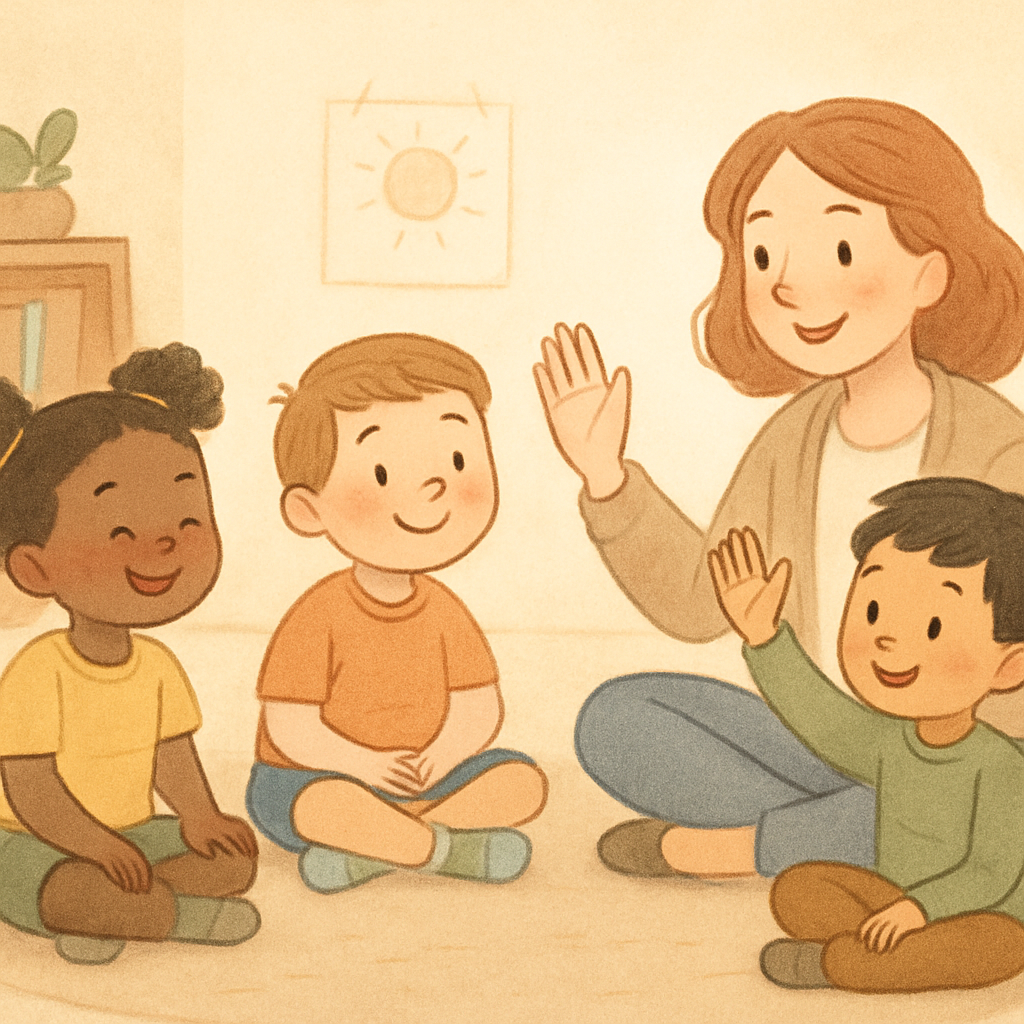
Assertiveness is the skill of balancing your needs with others’. If you have social anxiety or social phobia, you may defer to others and feel uncomfortable. Socialized behaviour therapy teaches you to express your thoughts and needs respectfully—a key part of effective communication.
Building assertiveness helps challenge negative beliefs that your opinion doesn’t matter. As you practice calmly standing up for yourself, your confidence grows, leading to healthier relationships.
Improving assertiveness can reduce anxiety in social and professional situations. It encourages honest relationships and allows you to advocate for yourself without guilt or anxiety, transforming how you interact with others.
Helping Children Thrive with Socialised Behaviour Therapy
When it comes to children, socialised behaviour therapy takes a creative and engaging approach, especially for those with autism spectrum disorder. Techniques are adapted to be age-appropriate and fun, often using methods like play therapy to teach new social skills. The focus is on encouraging positive actions and building a child's ability to manage their feelings.
This therapy helps children understand and express their emotions in healthy ways, which is a key part of emotional regulation. The next sections will explore how this social skills training builds emotional control and promotes interactive play.
Strategies for Emotional Regulation
Developing emotional regulation is essential for successful social interactions. For children with intense mood swings or frustration, especially those facing mental illness challenges, therapy offers practical strategies to recognize and manage emotions. In a safe environment, kids learn to identify triggers and build healthy coping skills.
Therapists use age-appropriate games, stories, and role-playing to help children label emotions—a key step toward emotional intelligence. Techniques may include breathing exercises, mindfulness, or reframing thoughts.
Improved emotional regulation helps prevent outbursts and encourages positive relationships. Common coping skills include:
-
Deep breathing or counting to ten
-
Using a “calm-down corner”
-
Expressing feelings with words instead of actions
Encouraging Cooperative and Interactive Play
Play is a natural way for children to learn, making play therapy an effective, low-pressure method for teaching social skills. In this supportive setting, kids practice interacting by doing and observing, building a strong foundation for social engagement.
Therapists use teamwork activities like block-building or board games to encourage sharing, turn-taking, and communication. They guide the play, praise cooperation, and help resolve conflicts. This structured approach teaches valuable lessons in a fun environment.
Through these experiences, children develop social skills and discover that engaging with others can be enjoyable. Positive reinforcement builds their confidence and motivates them to keep practicing new behaviours.
Supporting Families Through Behaviour Therapy
The success of therapy often depends on what happens outside the session. Family support is critical, especially for children with mental health conditions. When families are involved, they can help create a supportive environment where new skills can flourish. Social workers and other professionals often work with families to ensure a holistic approach to the treatment of depression.
By aligning therapy services with home life, parents and caregivers can reinforce lessons from therapy in daily routines. Let’s look at how parents are involved in the process and how to create consistent routines at home.
Involving Parents and Caregivers in the Process
Parents and caregivers play a vital role in a child's therapy. Therapists work closely with you to reinforce skills learned in sessions at home, making your involvement essential for success.
You may receive guidance and training during sessions to help you apply strategies in daily life, creating a consistent, supportive environment for your child.
Active family participation reduces challenging behaviours and fosters a more harmonious home. This teamwork helps children apply new skills across different settings, including school and the community.
Tips for Creating Consistent Routines at Home
Consistency at home is essential for children to learn and retain new skills. Predictable routines reduce anxiety, create stability, and encourage positive behaviours. Regular practice helps make these skills automatic.
A behaviour therapist specializing in behaviour analysis can identify challenging times of day and suggest structured routines, such as visual schedules for mornings or clear bedtime steps. These routines support positive reinforcement by providing chances to reward desired behaviours.
Simple daily strategies can greatly impact your child's progress. Consider:
-
A visual chart for morning tasks like brushing teeth
-
A "calm-down corner" for emotional moments
-
A consistent bedtime routine to signal winding down
Socialised Behaviour Therapy vs. Other Approaches
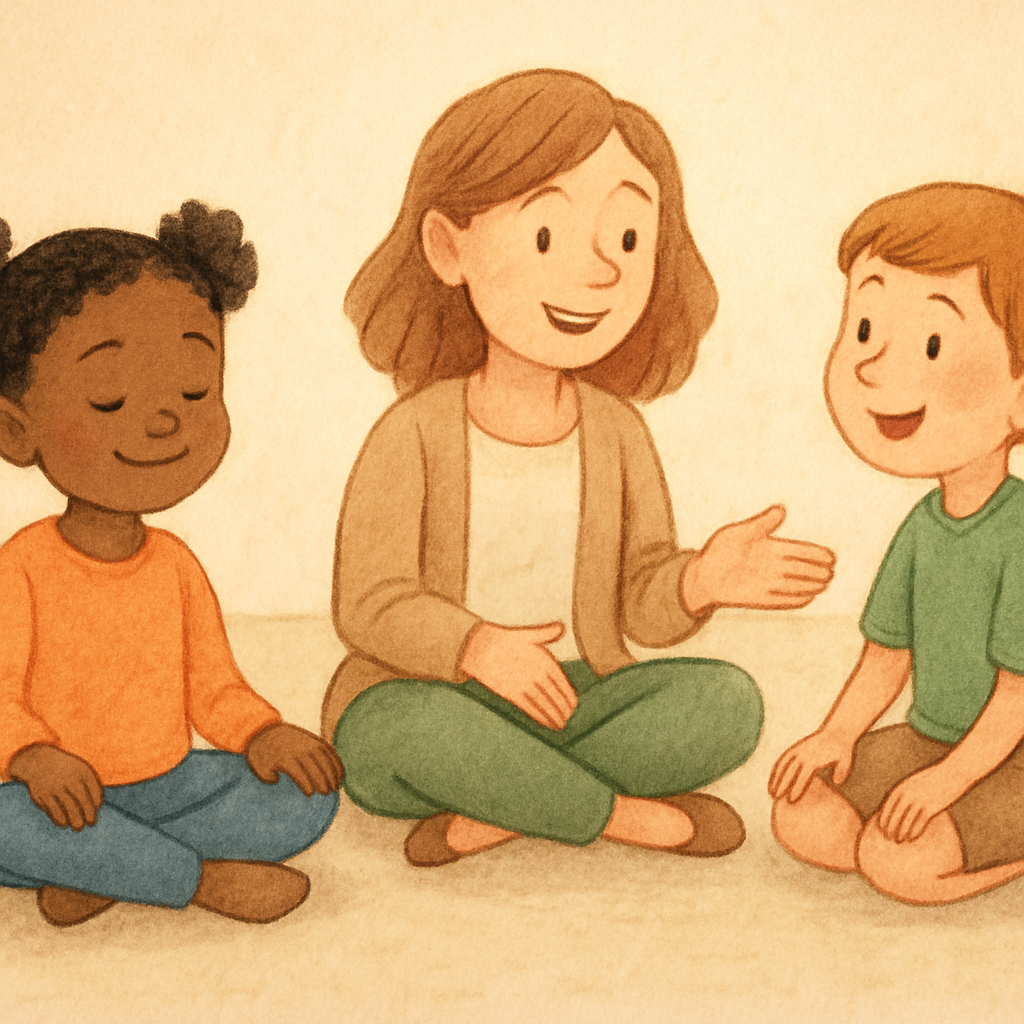
While socialised behaviour therapy shares roots with other treatments, its focus on interpersonal relationships is distinct. Many therapies, like cognitive behavioural therapy (CBT), concentrate on changing negative thought patterns. In contrast, this therapy places a stronger emphasis on modifying the behaviour itself through practice and reinforcement.
Other approaches, like dialectical behaviour therapy (DBT), also have unique focuses and can be effective for individuals with traumatic stress disorder. The primary tool in socialised behaviour therapy is the direct teaching of social skills. The following sections will compare it to CBT and discuss how it integrates with other services.
Comparing Behaviour Therapy and Cognitive Behavioural Therapy
While both are effective, behaviour therapy and cognitive behaviour therapy (CBT) have different focuses. Socialized behaviour therapy targets observable actions and social skills through practice and reinforcement, emphasizing external change rather than cognitive behaviour therapy internal thought processes.
In contrast, CBT aims to identify and change negative thought patterns and beliefs that drive behaviour. It is widely used for depression and anxiety by helping you manage unhelpful thoughts.
Both therapies provide valuable tools but take different approaches: socialized behaviour therapy emphasizes action, while CBT focuses on changing your thinking. The best choice depends on your needs and goals.
|
Therapy Type |
Primary Focus |
|---|---|
|
Socialized Behaviour Therapy |
Improving social skills and behaviours through practice and reinforcement |
|
Cognitive Behavioural Therapy (CBT) |
Changing negative thought patterns that influence behaviour |
Integrating NDIS Services for Better Outcomes
In Australia, behaviour therapy services for young people are widely available. For children with disabilities, the National Disability Insurance Scheme (NDIS) can fund therapy, making it more accessible for families. Integrating NDIS services provides comprehensive support and better outcomes.
Psychologists and trained social workers deliver these programs, creating supportive environments that build confidence and teach new skills. Their collaborative approach ensures high-quality care.
With NDIS resources, families can access a range of therapies tailored to individual needs. This integrated support helps develop holistic treatment plans that benefit individuals both in therapy and daily life, promoting long-term well-being.
Conclusion
In conclusion, Socialised Behaviour Therapy offers valuable techniques to improve daily life for those with social challenges and various mental disorders. By developing key skills like communication, assertiveness, and emotional regulation, it empowers individuals to succeed in various settings. Family involvement enhances its effectiveness and creates a supportive home environment. The benefits extend beyond personal growth, positively affecting families and communities. For more information or support, feel free to reach out.
Reach out today for a consultation or call daar at 02 9133 2500!
Frequently Asked Questions
How long does it take to see progress with socialised behaviour therapy?
The timeline for seeing progress with this behavioural therapy varies for each person. It depends on your individual treatment plans and the consistency of your practice. Many people start noticing positive changes in their mental health and social confidence within a few months of starting, as each therapy session addresses psychological problems and breaks goals into manageable steps.
What should parents expect in a typical therapy session?
In a typical therapy session, parents should expect a structured yet supportive environment. Therapists often use engaging methods like play therapy to teach social skills. You can expect to collaborate with the therapist, observe activities, and receive guidance on how to reinforce new skills at home to support your child's progress.
Are there specialized support services or resources in Australia for socialised behaviour therapy?
Yes, specialized therapy services are available across Australia to address mental health problems. The NDIS can provide funding for eligible individuals, and professionals like social workers, speech therapists, and psychologists offer these programs. These resources help make socialised behaviour therapy accessible to many families in need of support.
.svg)




.svg)