
.png?width=48&height=48&name=Group%201%20(3).png)























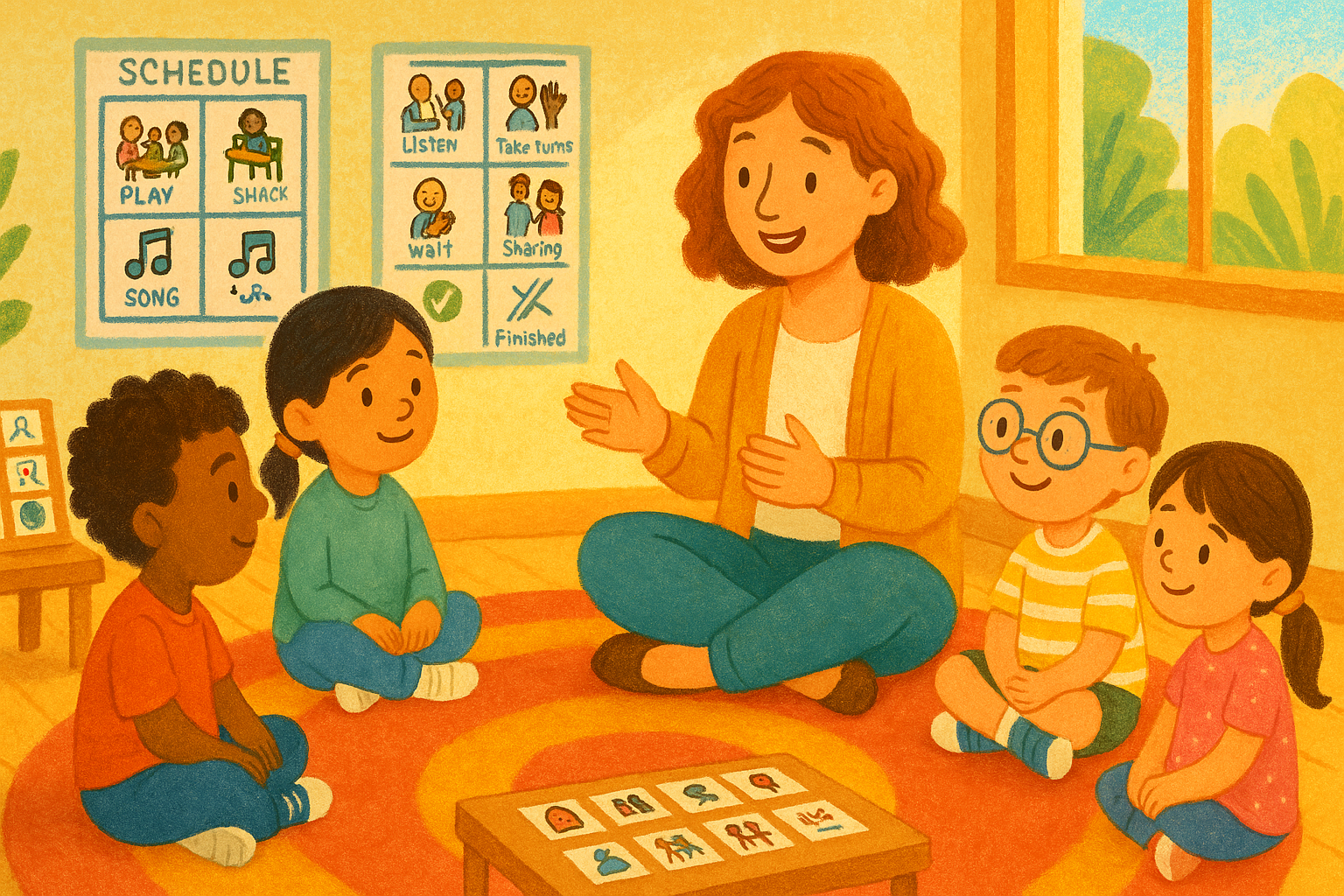
2 December, 2025

Introduction
Navigating social situations can be tough for some children, impacting their overall mental health. When a child struggles with making friends or interacting with others, it can be hard to know how to help. Socialised behaviour therapy is a specialized form of behavioural therapy that addresses these challenges head-on. This approach uses guided group therapy sessions to teach children essential social skills in a supportive setting, helping them build confidence and form meaningful connections. It focuses on learning through doing, allowing kids to grow emotionally alongside their peers.
Key Highlights
-
Socialised behaviour therapy is a unique form of behavioural therapy designed to improve a child's social skills. Typically, a socialised behaviour therapy program lasts anywhere from several weeks to a few months, depending on individual progress and the specific needs of each child. This approach primarily uses group therapy to help children learn and practice interactions in a safe environment.
-
This approach primarily uses group therapy to help children learn and practice interactions in a safe environment.
-
Therapy sessions often involve structured activities like games and role-playing to build confidence. While socialized behaviour therapy is generally safe and beneficial, some individuals may experience mild side effects such as temporary discomfort or increased anxiety when facing new social situations. However, these effects are typically short-term and often decrease as therapy progresses. It is particularly effective for children experiencing challenges like social anxiety disorder, ADHD, and autism. The main goal is to foster positive peer relationships and reduce feelings of isolation.
-
It is particularly effective for children experiencing challenges like social anxiety disorder, ADHD, and autism.
-
The main goal is to foster positive peer relationships and reduce feelings of isolation.
-
Through this therapy, children develop new ways of thinking and responding in social situations.
What Is Socialised Behaviour Therapy for Kids?
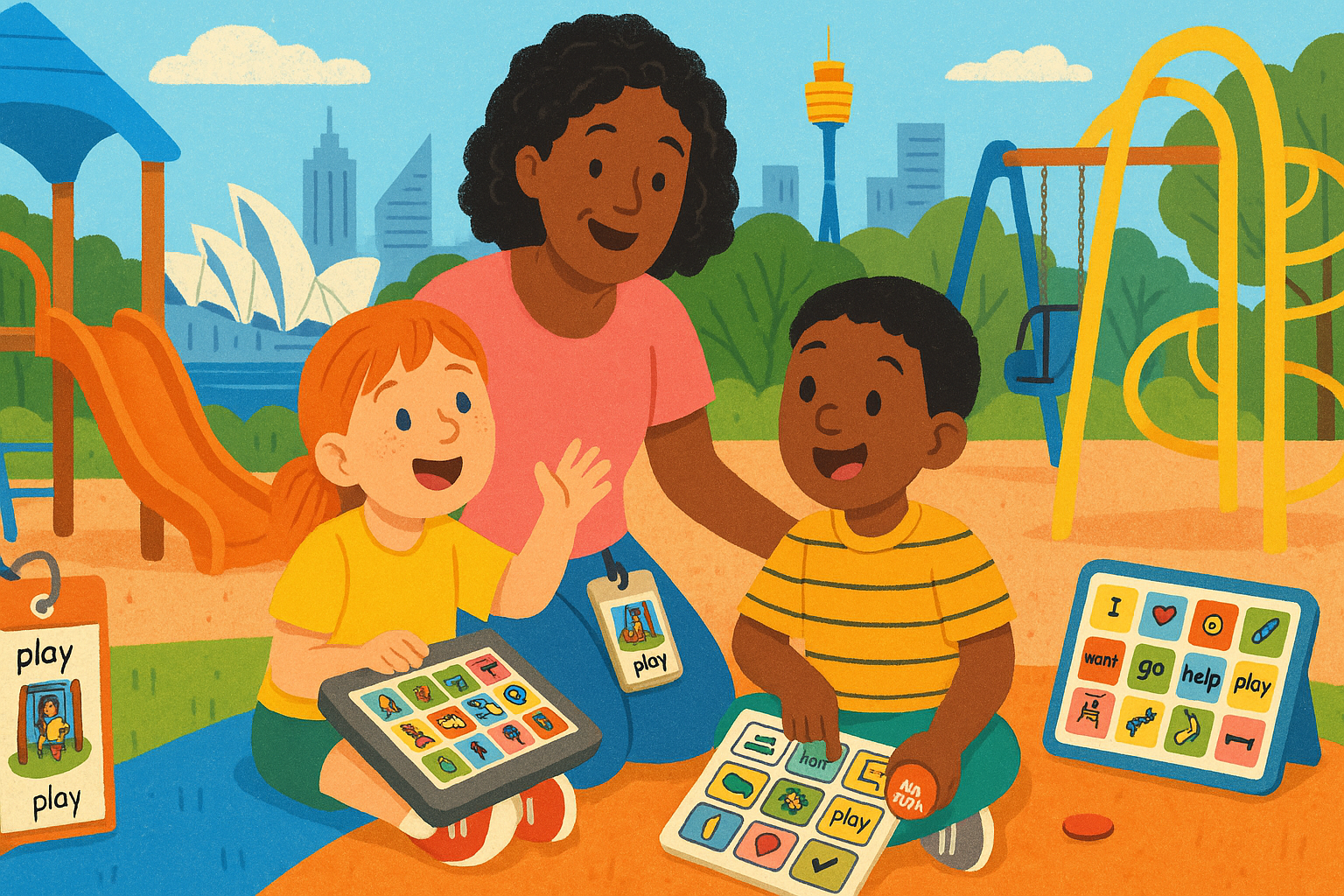
Socialised behaviour therapy is a powerful type of behaviour therapy created to help children who find social interactions difficult. Instead of focusing on issues in a one-on-one setting, this method uses group dynamics to improve social skills and boost mental health. If you are looking for a practitioner or service for socialised behaviour therapy, start by contacting local child psychologists, behavioural therapy clinics, or school counseling services in your area, as they often offer group-based therapy programs or can refer you to specialized providers.
The core idea is that children learn best by doing, especially when they are with their peers. This therapy provides a structured, safe space where they can practice communicating, cooperating, and building relationships, which can benefit any child struggling to connect with others.
Defining Socialised Behaviour Therapy
At its heart, socialised behaviour therapy is a group-based intervention. It helps individuals facing psychological issues or anxiety regulate their emotions and build connections by participating in therapeutic group activities. Unlike conventional behavioural therapy that typically involves just a patient and a therapist, this approach shifts the focus from the individual to their role within a group. This relational method helps a child integrate into their community and understand how they fit in.
The therapy works by creating a space where positive social interactions are encouraged and facilitated. It’s designed to help children develop strategies for making friends and feeling less lonely or isolated. The group setting becomes a laboratory for learning and practicing new social skills.
By participating, a child learns that their emotional and psychological development is connected to their relationships with others. These interactions form the foundation of their ability to connect, helping to address challenges that might contribute to mental illness if left unsupported.
Origins and Development of the Approach
This therapeutic style is a relatively new intervention, first pioneered in the late 1970s. It was developed to help individuals experiencing psychological distress learn to regulate their emotions and build connections with others. The approach is rooted in social learning theory, which suggests that people learn from one another through observation, imitation, and modeling.
Its principles also share similarities with cognitive behavioural therapy (CBT), as it helps individuals change negative thought patterns and behaviours. However, it applies these ideas specifically within social settings. Instead of just talking about social skills, children get to practice them in real-time with their peers under the guidance of a therapist.
This form of behaviour therapy was created with the understanding that personal growth is deeply tied to our interactions with others. The group becomes the main tool for change, providing a dynamic environment where children can learn and develop new ways of relating to people, situations, and moments in their lives.
Key Principles Behind Socialised Behaviour Therapy
Socialised behaviour therapy is built on a few core principles that guide its methods and goals. The central idea is that emotional and psychological growth happens best in a social context, where individuals can learn from and with each other. A therapist uses behaviour analysis to understand a child's difficulties and guide them toward healthier interactions.
This approach is highly practical and focuses on active participation. It combines cognitive interventions with hands-on practice to create lasting change. The key principles that drive this therapy include:
-
Social Learning: Children learn by observing, imitating, and interacting with their peers in a structured environment.
-
Positive Reinforcement: Therapists praise and reward good behaviour and positive social attempts, encouraging children to repeat them. This is a key element of operant conditioning.
-
Experiential Growth: The therapy emphasizes learning through direct experience rather than just discussion, helping children build real-world skills.
By putting these principles into action, the therapy empowers children to contribute to their group and find joy in social connection. It helps them break down psychological barriers and develop confidence in their ability to interact with others.
How Socialised Behaviour Therapy Differs from General Behaviour Therapy
While socialised behaviour therapy is a type of behaviour therapy, its primary focus sets it apart. General behaviour therapy often takes place in a one-on-one setting, targeting specific problematic behaviours in an individual.
Socialised behaviour therapy, on the other hand, is centered around group therapy. Its main goal is to improve social skills and emotional regulation within a peer group. This approach is especially beneficial for children with mental health disorders that affect their ability to interact with others. Below, we'll explore its unique features, compare it to individual interventions, and look at its specific goals.
Unique Features of Socialised Behaviour Therapy
The most distinct feature of socialised behaviour therapy is its reliance on group dynamics. Unlike many other therapies, it uses the group itself as the primary tool for healing and growth. This creates a unique environment where children can learn and practice social skills in a setting that mirrors real life.
This approach incorporates various techniques tailored to a group context. For example, play therapy might be used to help younger children learn cooperation and turn-taking, while structured discussions can help older kids navigate more complex social situations. The emphasis is always on interaction and collaboration.
Some of the unique features that define this therapy include:
-
Group-Based Intervention: All activities are designed for a group, making social interaction the core of every session.
-
Focus on Social Skills Training: The explicit goal is to teach and practice skills like communication, empathy, and relationship-building.
-
Use of Real-World Simulations: Sessions often involve role-playing and activities that mimic real social settings.
-
Emphasis on Peer Feedback: Children learn from the reactions and feedback of their peers in a guided, supportive space.
Individual vs Group-Based Interventions
Choosing between different types of therapy can be confusing, but understanding the difference between individual and group-based approaches is a good start. Individual therapy offers a private, one-on-one setting where a child can work directly with a therapist on personal challenges. It allows for deep exploration of specific issues without the influence of others.
Group therapy, the foundation of socialised behaviour therapy, provides a different set of benefits. It creates a space where children realize they are not alone in their struggles. The therapy sessions are built around social interactions, providing immediate opportunities to practice new skills with peers.
Here is a simple comparison of these two approaches:
|
Feature |
Individual Therapy |
Group Therapy |
|---|---|---|
|
Focus |
Personal thoughts, feelings, and specific behaviours. |
Social interactions, communication, and relationship skills. |
|
Setting |
One-on-one with a therapist. |
A small group of peers with one or more therapists. |
|
Key Benefit |
Deep, personalized attention and privacy. |
Peer support, real-time practice, and reduced feelings of isolation. |
Goals and Outcomes in Childhood Settings
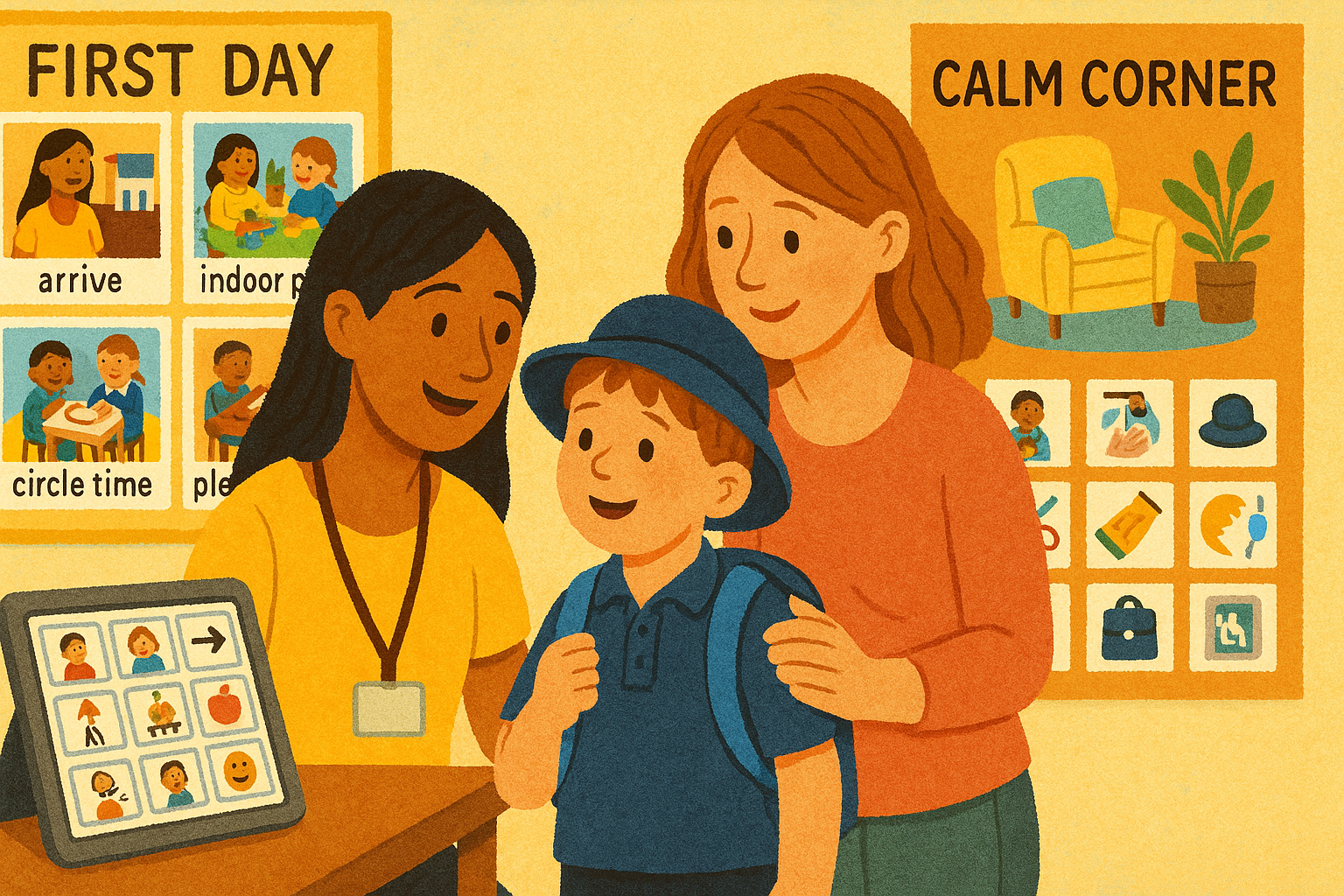
The primary goal of socialised behavioural therapy is to improve a child's social skills so they can build healthy relationships and navigate their daily life with more confidence. The therapy sets specific goals tailored to each child's needs but within a group context. This might include learning to start a conversation, understanding non-verbal cues, or managing frustration during a game.
Ultimately, the aim is to enhance a child's overall quality of life. By learning to interact positively with others, children often experience less anxiety and sadness. They develop a stronger sense of self and feel more accepted by their peers, which can have a lasting positive impact on their mental well-being.
The outcomes are often very practical. A child might become more willing to join in at recess, feel more comfortable speaking up in class, or have an easier time making and keeping friends. These small victories build on each other, empowering the child to participate more fully in their social world.
Conditions Commonly Treated with Socialised Behaviour Therapy
Socialised behaviour therapy is a versatile approach that can help children with various mental disorders affecting their social functioning. It is particularly effective for those who struggle with social anxiety, as the group therapy sessions provide a safe space to face their fears.
This form of behavioural therapy also provides significant benefits for children with communication challenges, autism spectrum disorders, and ADHD. By focusing on improving social skills in a real-world setting, it addresses the core difficulties associated with these conditions. Let's look at how it helps with each of these challenges.
Social Anxiety and Communication Challenges
For children with social anxiety disorder, everyday interactions can feel overwhelming. This therapy addresses these fears directly through social skills training in a controlled environment. The group setting acts as a gentle form of exposure therapy, allowing kids to face social situations in small, manageable steps. This helps reduce the physical symptoms of anxiety, such as a racing heart or trembling.
Many anxiety disorders are linked to poor communication skills or the fear of saying the wrong thing. In these sessions, children practice starting and ending conversations, expressing their feelings appropriately, and listening to others. A therapist provides guidance and positive feedback, which helps build confidence.
By learning and practicing these skills with peers who share similar struggles, children begin to see social interactions as less threatening. This gradual process can significantly improve their ability to connect with others and reduce the feelings of isolation that often accompany social anxiety.
Autism Spectrum Disorders
Children with autism spectrum disorders often find it difficult to understand social cues and navigate interpersonal relationships. Socialised behaviour therapy can be an incredibly helpful tool for these children, as it explicitly teaches the social skills that others may pick up naturally. The structured nature of the therapy provides a predictable and safe environment for learning.
This approach often incorporates principles of cognitive behaviour therapy to help children identify and understand social rules. Through role-playing and guided activities, they can practice skills like making eye contact, taking turns in conversation, and understanding another person's perspective. This helps them build a foundation for more successful social interactions.
For children on the spectrum, these group sessions are more than just practice; they are a place to build genuine connections. The therapy helps improve their ability to form friendships and reduces the social challenges associated with many mental health disorders, empowering them to engage more confidently with the world around them.
ADHD and Related Social Difficulties
Children with ADHD often face social difficulties due to symptoms like impulsivity, inattention, and hyperactivity. They may interrupt others, have trouble waiting their turn, or miss social cues, which can make it hard to build and maintain friendships. Socialised behavioural therapy provides a structured setting to address these specific challenges.
The therapy uses clear rules and immediate feedback to help children with ADHD learn self-control. Cognitive interventions are used to teach them to think before they act, while positive reinforcement rewards them for successful social interactions. This helps them manage their behaviour more effectively in a group setting.
By practicing social skills in a supportive group, children with ADHD can learn to be better friends. They develop greater awareness of how their actions affect others and gain confidence in their ability to participate in cooperative activities. This targeted approach can make a significant difference in their social success.
The Importance of Group Therapy in Socialised Behaviour Therapy
Group therapy is not just a part of socialised behaviour therapy—it is the very foundation of it. This approach is built on the principle of social learning, where children learn best by observing and interacting with their peers. The group setting provides a living classroom for practicing social skills.
In these sessions, social interactions are not just discussed; they are experienced in real-time. This allows therapists to guide children through challenges as they happen, making the lessons more impactful and easier to apply in daily life. The following sections will explain how these group sessions are structured and how they foster positive relationships.
Structure of Group Sessions for Children
Group therapy sessions for children are typically highly structured and organized. This predictability helps children, especially those with special needs, feel safe and know what to expect. A session might begin with a check-in, where each child shares something about their week, followed by a planned activity.
The activities are the core of this behavioural therapy and are designed to teach specific social skills. These can range from games that require teamwork and cooperation to role-playing exercises that practice skills like active listening or handling disagreements. The therapist acts as a facilitator, guiding the interactions and ensuring a positive environment.
The session usually ends with a wrap-up discussion, where the group talks about what they learned and how they can use their new skills outside of the therapy room. This structure ensures that every part of the therapy session is a learning opportunity, helping children build their social confidence step by step.
Building Teamwork and Empathy Through Group Work
One of the greatest benefits of group work in this therapy is its ability to build teamwork and empathy. Many activities, such as building a tower with blocks or putting on a short skit, require children to work together toward a common goal. This teaches them to communicate their ideas, listen to others, and compromise.
As children collaborate, they naturally start to see things from other perspectives. A therapist might pause an activity to ask, "How do you think Sarah felt when you took her block?" This guided reflection helps build empathy, which is a critical component of successful social skills training. Learning to understand and care about others' feelings is a key outcome of group therapy.
Throughout these exercises, therapists use positive reinforcement to praise cooperative behaviour and effective communication skills. This encouragement motivates children to continue practicing teamwork and helps them experience the joy and satisfaction that come from working well with others.
Encouraging Positive Peer Relationships
A central goal of socialised behavioural therapy is helping children form positive peer relationships. The group therapy setting is the perfect place to do this, as it offers a controlled environment where friendships can blossom under the guidance of a trained professional. Here, children learn that they are not alone in their struggles.
Through the process of social learning, children watch how the therapist and other group members handle different situations. They learn what works and what doesn't in a low-stakes environment. This modeling is a powerful tool for teaching new social skills and building the confidence to try them out.
Therapists actively encourage positive connections in several ways:
-
Facilitating Shared Experiences: Engaging the group in fun, cooperative games and projects creates shared memories and bonds.
-
Teaching Compliments and Encouragement: Children are taught how to give and receive positive feedback from their peers.
-
Mediating Conflicts: Therapists help children resolve disagreements constructively, teaching valuable problem-solving skills.
-
Highlighting Common Interests: Pointing out shared hobbies or interests can spark initial conversations and connections.
Conclusion
In summary, understanding Socialised Behaviour Therapy for kids is essential for fostering their emotional and social development. This approach not only addresses specific conditions such as social anxiety and ADHD but also emphasizes the importance of group dynamics in building empathy and teamwork among children. By engaging in structured group sessions, children can enhance their communication skills, develop positive relationships, and build confidence in social interactions. As parents and caregivers, being actively involved in your child's therapy journey can significantly boost their progress.
Your child's mental well-being deserves attention and Socialised Behaviour Therapy. Book your consultation now or call daar at 02 9133 2500!
Frequently Asked Questions
Are there any specific techniques used in socialized behaviour therapy that are effective for children?
Yes, this behavioural therapy uses several effective techniques for children. These include structured social skills training, role-playing, positive reinforcement for successful interactions, and cognitive interventions to change negative thought patterns. For anxious children, the group setting also acts as a gentle form of exposure therapy, building confidence over time.
What is socialized behaviour therapy and how does it work for children?
Socialised behaviour therapy is a form of behavioural therapy that helps children improve their social skills and mental health. It works by using group therapy sessions where kids can practice interacting with peers in a safe, guided environment. Through activities and games, they learn to communicate, cooperate, and build friendships.
How can parents support their child's progress in Socialized Behaviour Therapy?
Parents can provide crucial support by reinforcing the lessons from therapy sessions at home. Use positive reinforcement to praise your child's efforts to use new social skills. You can also create opportunities for them to practice by arranging playdates and encouraging participation in group activities, demonstrating consistent support for their progress.
.svg)




.svg)