
.png?width=48&height=48&name=Group%201%20(3).png)























2 January, 2026

Understanding Socialised Behaviour Therapy for Better Health

Introduction
Feeling comfortable and confident in social situations is a big part of your overall well-being. When interactions with others feel challenging, it can impact your mental health. The good news is that you can learn and practice these abilities. Socialised behaviour therapy offers a structured, action-based approach to help you build the social skills you need. This type of therapy provides practical tools to navigate daily interactions more effectively, leading to stronger relationships and improved quality of life.
Key Highlights
-
Socialised behaviour therapy is a type of behavioural therapy focused on improving social skills and interactions.
-
This therapy is effective for children and adults facing challenges with social anxiety, autism spectrum disorder, and other mental health conditions.
-
Techniques often include role-playing, modeling, and positive reinforcement in a therapy session.
-
It differs from modalities like psychoanalytic therapy by being action-oriented and focusing on present behaviours.
-
This approach, related to cognitive behavioural therapy, helps build confidence and effective communication.
Defining Socialised Behaviour Therapy
Socialized behaviour therapy is a specialized form of behavioural therapy focused on improving social interactions. Based on the idea that behaviours are learned and can be changed, it uses social learning principles—helping you observe, practice, and develop new skills in a supportive setting.
Unlike therapies that explore your past, this approach is action oriented. It identifies problematic social behaviours and teaches you more effective responses. While similar to cognitive behaviour therapy in addressing thoughts behind actions, it places greater emphasis on changing behaviour in social situations. The main goal is to give you practical skills for real-life interactions.
Key Differences Between Behaviour Therapy and Other Modalities
Understanding how this therapy differs from others can be helpful. Socialised behaviour therapy, a type of behavioural therapy, focuses specifically on building practical social skills. Unlike cognitive behavioural therapy (CBT), which addresses thoughts, feelings, and behaviours equally, socialised behaviour therapy targets current social interactions.
Psychoanalytic therapy explores past experiences and unconscious thoughts to understand present struggles. In contrast, socialised behaviour therapy is present-focused and aims to change problematic behaviours through structured exercises and skill-building. This makes it direct and goal-oriented.
Here’s a quick comparison:
|
Therapy Type |
Primary Focus |
Key Approach |
|---|---|---|
|
Socialised Behaviour Therapy |
Current social behaviours and skills |
Action-based; practicing new skills through modeling and reinforcement |
|
Cognitive Behavioural Therapy |
Thoughts, feelings, and behaviours |
Identifying and changing negative thought patterns |
|
Psychoanalytic Therapy |
Unconscious thoughts and past events |
Exploring the past for insight into current issues |
The Role of Socialisation in Therapeutic Practice
Socialization is central to this therapeutic approach, rooted in social learning theory: we learn behaviours by observing others and practicing them ourselves. Therapy offers a safe, structured space to try new behaviours without real-world consequences.
Your therapist guides you by modeling effective communication and social cues, helping you navigate challenging interpersonal situations. Through guided practice, you build a foundation for successful interactions.
The aim is to transfer these skills from therapy into everyday life, making social interactions feel more natural and less stressful. This leads to stronger relationships and a deeper sense of connection with others.
How Socialised Behaviour Therapy Works
Socialized behaviour therapy is an action-focused approach that breaks down complex social interactions into manageable steps. In sessions, your therapist creates personalized plans targeting goals like better eye contact or joining group conversations. The process is structured and goal-oriented.
Therapy often includes behavioural activation, encouraging you to participate in positive social activities. Instead of only discussing social anxiety, you’ll actively practice skills to overcome it. You and your therapist track progress together and adjust your plan as you gain confidence.
Next, let’s look at the specific steps and techniques used in these sessions.
Step-by-Step Process in Therapy Sessions
When starting this behavioural therapy, the process is clear and structured. Each session builds on the last to help you develop new skills. It begins with your therapist learning about you and your specific social challenges—without judgment—to create a personalized plan.
Once goals are set, active learning starts. Your treatment plan is tailored to focus on areas that matter most to you. The therapist introduces and demonstrates new skills, explaining their importance. You participate actively throughout.
A typical session includes:
-
Assessment: The therapist evaluates your current social skills to find areas for improvement.
-
Goal Setting: You set clear, achievable goals together.
-
Skill Introduction: New skills are introduced in simple steps and modeled for you.
-
Practice and Homework: You practice these skills during the session and get assignments to use them in real life.
Typical Techniques Used by Therapists
Therapists use proven behaviour therapy techniques based on psychological principles like operant and classical conditioning to reinforce positive behaviours and reduce unwanted ones.
They may also use cognitive restructuring to help you challenge negative thoughts that drive social anxiety. For example, if you think, “Everyone will think I’m awkward,” your therapist can help you replace that thought with a more realistic one. Positive reinforcement, such as praise or rewards, is often used to encourage progress.
Common techniques include:
-
Behavioural Rehearsal: Practicing new social skills through role-play.
-
Modeling: Observing the therapist or peers demonstrate desired behaviours.
-
Positive Reinforcement: Receiving praise or rewards for using new skills.
-
Systematic Desensitization: Gradually facing feared situations while practicing relaxation.
Individual Versus Group Approaches
Socialized behaviour therapy can be delivered one-on-one or in groups, each with distinct benefits. Individual sessions offer personalized attention and tailored treatment—ideal for addressing deep social anxiety or specific goals. Group therapy provides a supportive space to practice social skills, receive feedback, and learn from peers with similar experiences. This approach helps build confidence and reduce isolation.
The best format depends on your needs. Some start individually before joining a group; others benefit from group settings right away. Your therapist can guide you to the option that fits best.
Target Groups Who Benefit Most From Socialised Behaviour Therapy
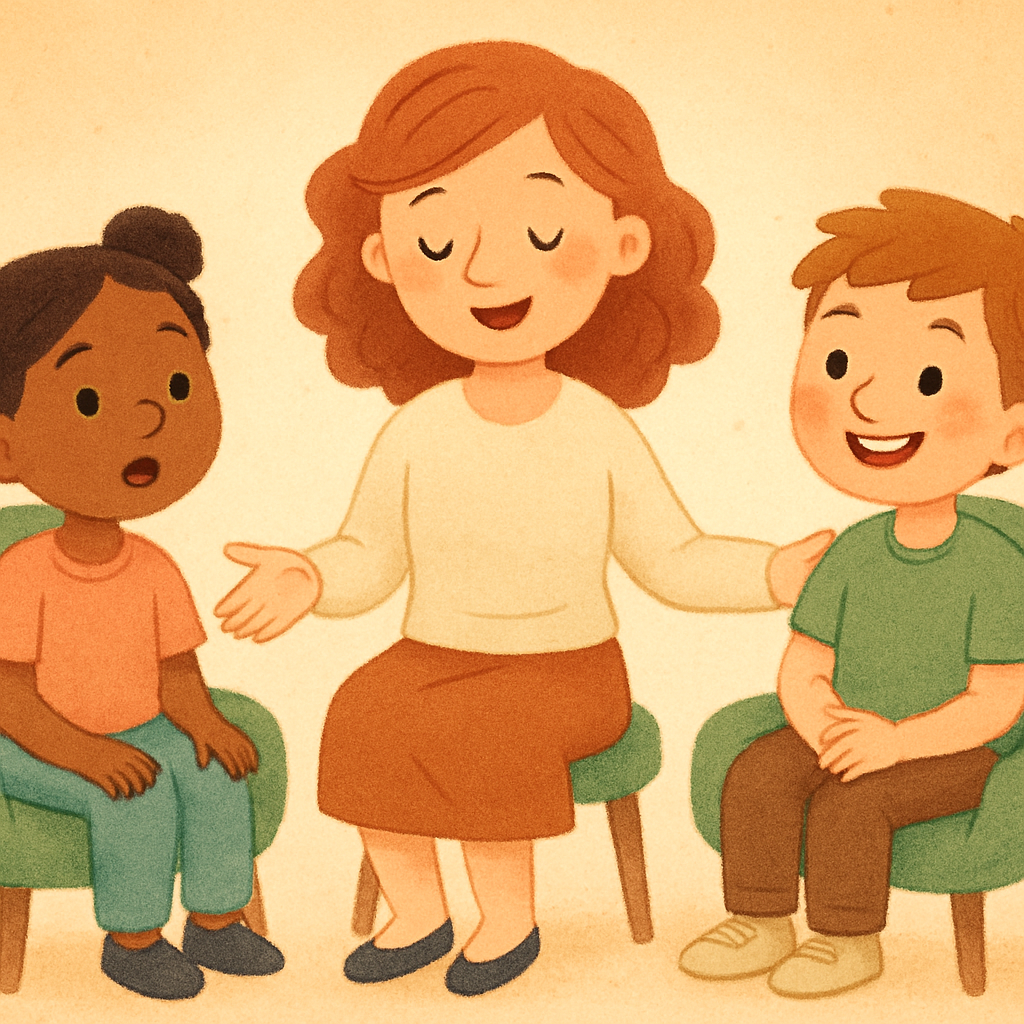
This therapy is incredibly beneficial for a wide range of people who struggle with social interactions. It is particularly effective for individuals diagnosed with specific mental disorders, such as social anxiety disorder, where the fear of social situations can be debilitating. The structured, skills-based nature of the therapy provides a clear path toward confidence.
People with autism spectrum disorder, personality disorders, or developmental disabilities also find great value in this approach. It helps them learn and practice social cues and behaviours that may not come naturally. Even those without a formal diagnosis who simply feel awkward or shy can build valuable skills.
Let's look more closely at how this therapy supports children, adults, and even their families.
Children and Adolescents
Socialized behaviour therapy can be transformative for children and adolescents with autism, anxiety, or other social disorders. These young people often struggle with school and friendships, but therapy gives them practical skills to build peer connections.
Therapists break down social rules into simple steps using games, role-playing, and stories to teach sharing, turn-taking, and empathy. For teens, the focus may shift to managing peer pressure and conversations.
Learning these skills in a supportive environment boosts confidence and helps kids participate in social activities. Early intervention can prevent future challenges and lead to healthier relationships and better mental health in adulthood. This therapy empowers young people to thrive, not just cope.
Adults with Social Skill Challenges
Social skills aren’t just for kids—adults benefit too. Many face social anxiety, making work presentations or everyday tasks stressful. Others struggle due to substance abuse or lack of practice. Behavioural therapy offers practical solutions.
Therapy targets the specific situations that challenge you, like small talk at work or assertiveness with friends. A therapist helps you rehearse these scenarios until they feel natural.
The aim is to make social interactions less stressful and more rewarding, improving your confidence at work, in relationships, and within your community. It’s never too late to learn and grow.
Support for Families and Caregivers
Struggling with social skills can impact the whole family. Socialized behaviour therapy addresses this by involving families and caregivers. Family therapy sessions improve communication and create a supportive home environment, making healing more effective.
Social workers connect families to resources like parent training and support groups, where caregivers share experiences and learn strategies to reinforce social skills at home. This consistency boosts progress in therapy.
Involving families makes therapy more successful. Caregivers learn to praise positive behaviour, set clear expectations, and remain patient—strengthening family bonds and reducing stress for everyone.
Therapeutic Techniques in Socialised Behaviour Therapy
Socialized behaviour therapy uses practical, hands-on techniques to help you build social skills through direct experience. Methods like role-playing let you practice conversations in a safe setting, while systematic desensitization gently helps you face social fears and gain confidence. Structured peer interactions offer opportunities to apply these skills with others on the same path. These core techniques form the foundation of the therapy and can be explored further.
Role-Playing and Modeling Techniques
Role-playing and modeling are key techniques in socialized behaviour therapy, based on social learning principles. In modeling, your therapist or a peer demonstrates a specific social skill—such as politely interrupting or giving a compliment—offering a clear example to follow.
Next, you practice through role-playing, rehearsing real-life scenarios like asking for help or handling disagreements. This lets you try new skills and receive immediate feedback in a supportive setting.
Watching and practicing together is an effective way to learn social skills, making interactions less uncertain.
-
Modeling: Therapist demonstrates the skill.
-
Role-Playing: You practice in a simulated scenario.
-
Feedback: Therapist offers guidance for improvement.
-
Repetition: You repeat until the skill feels natural.
Reinforcement Strategies for Positive Behaviour
Reinforcement, a core concept from operant conditioning, is widely used in behaviour therapy. Simply put, behaviours that are rewarded are more likely to recur. In social skills therapy, positive reinforcement encourages and strengthens new social behaviours, making learning more engaging and effective.
For example, when you use a skill like making eye contact during a session, your therapist provides praise or encouragement as immediate positive feedback. This reinforces the behaviour. With children, tangible rewards may be used through token economies—earning tokens for good behaviours that can be exchanged for prizes.
These techniques boost confidence and foster positive associations with social interaction:
-
Verbal Praise: Direct encouragement from the therapist.
-
Token Economies: Earning tokens for good behaviours to trade for rewards.
-
Self-Reinforcement: Praising yourself for effort and achievements.
-
Natural Rewards: Enjoying real-life benefits, like making new friends.
Peer Interaction and Group Activities
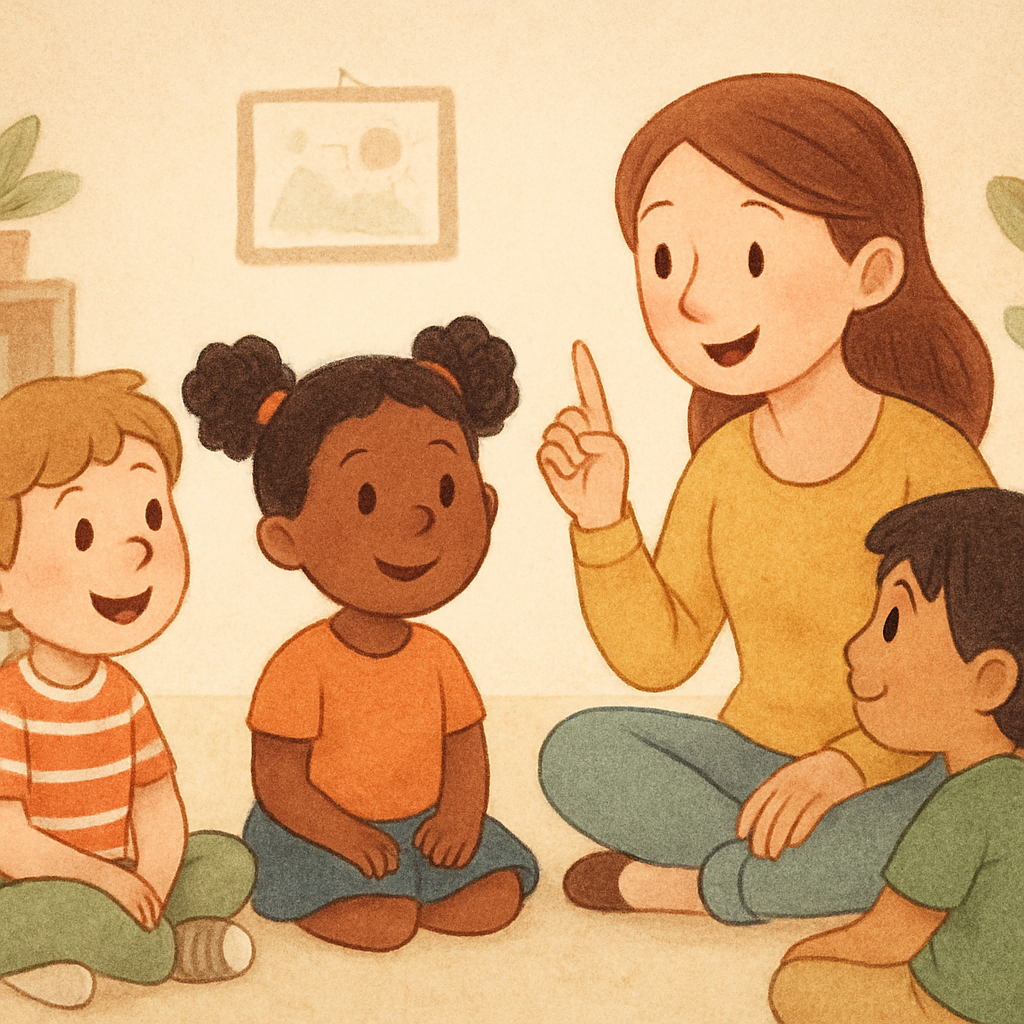
While individual sessions are useful, practicing social skills with others is even more effective. Group therapy offers a supportive space to apply new skills alongside people who understand your challenges. Guided by a therapist, activities like partner conversations, team games, and group problem-solving target specific social abilities. Watching peers handle these situations also enhances learning.
This approach is especially helpful for those with social anxiety, providing gradual, real-world practice in a safe setting.
-
Structured Conversations: Practice starting, maintaining, and ending chats.
-
Cooperative Games: Work together toward shared goals.
-
Group Problem-Solving: Collaborate on hypothetical problems.
-
Feedback Practice: Give and receive constructive comments.
Improving Social Skills Through Behaviour Therapy
The main goal of socialized behaviour therapy is to help you develop practical social skills for everyday life. This therapy focuses on building abilities essential for successful relationships and interactions, aiming to boost both your competence and confidence.
It often includes elements of cognitive behaviour therapy to address negative thought patterns that hinder social success. By managing these thoughts and practicing new behaviours, you can achieve lasting change.
So, what skills will you build? Here are some key areas of development.
Enhancing Communication and Conversation Skills
Effective communication is about connecting, not just talking. Social behaviour therapy builds conversation skills, starting with basics like initiating chats—often a challenge. You’ll practice openers and nonverbal cues like smiling and eye contact.
Active listening is key: focus on the speaker, ask thoughtful questions, and show engagement. Therapists use exercises to help you tune in to others and manage anxious thoughts, leading to better conversations and less anxiety.
You’ll also learn to keep conversations going or exit gracefully. With practice, these skills become natural, making social interactions easier and more enjoyable. The goal is positive, rewarding communication.
Building Assertiveness and Self-Confidence
Feeling confident expressing your needs and opinions is a key social skill. If you often avoid speaking up, behaviour therapy can help you build assertiveness—advocating for yourself respectfully, not aggressively.
Therapists use techniques like role-playing to practice skills such as saying "no" or sharing your opinions. This boosts self-confidence in a safe environment and prepares you for real-life situations.
Cognitive restructuring is also used to challenge self-doubt, like thinking "My opinion doesn't matter," and replace it with positive beliefs that empower confident action.
Conflict Resolution and Cooperation Skills
Disagreements are normal in any relationship, but handling them well is a skill you can learn. Socialized behavioural therapy teaches practical conflict resolution strategies to improve your interactions. Instead of avoiding issues or reacting aggressively, you'll learn to express your feelings and needs calmly.
Therapy often involves using "I" statements, like "I feel frustrated when..." rather than blaming others. This approach reduces tension and encourages constructive conversation. You’ll also practice cooperation and compromise to achieve shared goals.
These skills strengthen relationships—both personal and professional—and help lower the stress caused by conflict.
Navigating Socialised Behaviour Therapy in Australia
If you're in Australia and interested in behavioural therapy, several support options are available. The healthcare system offers various mental health services, and your GP can refer you to a clinical psychologist.
For those with permanent disabilities, the National Disability Insurance Scheme (NDIS) may fund therapies that develop social and communication skills. While navigating these systems can be challenging, assistance is available.
Here’s how you can access these services and find the right therapist for your needs.
Accessing NDIS Services
The National Disability Insurance Scheme (NDIS) provides funding for therapies that help Australians with disabilities improve social skills. If you or your child has autism or a developmental disability affecting social interaction, you may be eligible for NDIS-funded therapy sessions with qualified professionals.
To access these services, apply to become an NDIS participant. Once approved, you’ll create a plan with the NDIS outlining your goals. If social skills development is a goal, your plan may include funding for therapeutic supports like sessions with a clinical psychologist.
Be sure to gather supporting documents from healthcare providers explaining why this therapy is necessary. Clearly connect your disability to the need for behavioural support to strengthen your application.
Finding Qualified Behaviour Therapists
Finding a qualified therapist is crucial. Look for someone experienced in behaviour analysis and effective treatment plans. In Australia, start by consulting your GP, who can discuss your concerns and refer you to a psychologist or mental health professional.
You can also use online directories from professional organizations to find therapists by specialty and location. When contacting therapists, ask about their qualifications, experience, and therapy approach.
Tips for finding a therapist:
-
Ask your GP: Request a referral to a clinical psychologist or behavioural therapist.
-
Check professional organizations: Use directories like the Australian Psychological Society (APS).
-
Contact local health services: Community centers often have mental health teams for services or referrals.
-
Ask questions: Find out about their experience with your issues and their therapy methods.
What to Expect During Your First Session
Your first therapy session focuses on getting to know each other. The therapist will assess your concerns, ask about your history and goals, and explain the therapy process. For parents, both you and your child may be interviewed, individually or together, with questions about behaviour at home and school. This collaborative assessment helps identify specific needs like anxiety or social challenges.
In your first session, you can expect to:
-
Discuss your history: Share your challenges and goals.
-
Undergo an assessment: The therapist gathers information to understand your needs.
-
Learn about the process: The therapist explains how therapy works.
-
Set initial goals: You’ll outline what you want to achieve together.
Conclusion
In conclusion, Socialised Behaviour Therapy can greatly improve social skills and overall well-being. By emphasizing socialization in therapy, it offers tailored techniques for all ages facing social challenges. Structured sessions and strategies like role-playing and peer interaction create a supportive environment for growth. Benefits include better communication, assertiveness, and conflict resolution.
If you’re interested in how Socialised Behaviour Therapy can help you or a loved one, reach out today for a consultation or call daar at 02 9133 2500 today.
Frequently Asked Questions
How long does it take to notice improvements with socialised behaviour therapy?
The timeline for behaviour therapy varies for each person. However, because it's so focused and action-oriented, many people see a significant reduction in symptoms in a relatively small number of sessions, often between 5 and 20. Consistent attendance at each therapy session and practicing your new skills are key to faster progress.
What should parents expect during a behaviour therapy session for their child?
Parents should expect a collaborative therapy session. The therapist will likely involve you in the assessment and goal-setting process. You'll learn about the new skills your child is working on and get guidance on how you can support their practice of these social skills at home to reinforce their learning.
Are there resources or services available for behaviour therapy through NDIS in Australia?
Yes, the NDIS can provide funding for behaviour therapy if it's considered a reasonable and necessary support to help you achieve your goals. This funding can cover the cost of a therapy session and other related health services. It's best to discuss your needs with your NDIS planner or support coordinator.

.svg)




.svg)