
.png?width=48&height=48&name=Group%201%20(3).png)























3 March, 2026

Behavioral Concerns of a Child: Signs and Solutions
Key Highlights
Here are the key takeaways from our discussion on children's behavioral concerns:
- Understanding that behavior is a form of communication is the first step.
- Persistent behavioral issues can sometimes point to underlying conditions like ADHD or anxiety.
- Learning to distinguish between normal misbehavior and potential behavioral disorders helps in getting the right support.
- Parents' calm and consistent reactions are crucial in managing tantrums and explosive behavior.
- Various strategies, including parent management training, can address behavior problems effectively.
- Knowing when to seek professional help for your child's mental health is vital for their well-being.
Introduction
Navigating a child's emotional outbursts and challenging behaviors can be stressful for the entire family. Every parent has dealt with a tantrum, but when do these actions signal deeper behavioral concerns? Understanding the root of behavior problems is essential for supporting your child's mental health and fostering a happier home environment. This guide will help you recognize the signs of potential issues, explore their causes, and discover effective solutions to support your child and family members, promoting better children's mental health.
Recognizing Behavioral Concerns in Children
It can be hard for parents to tell the difference between normal childhood behavior and more serious issues. While all kids test limits, certain patterns—like frequent, intense, or long-lasting outbursts—may signal a deeper problem.
Pay attention to your child's behavior over time. Consistent or severe actions that disrupt family life, school, or friendships could point to an underlying mental health issue. Here are some signs to help you distinguish typical misbehavior from a possible disorder.
Common behavioral signs parents should watch for
If your child’s outbursts go beyond occasional frustration, it’s important to take note. While tantrums are normal for toddlers, frequent, intense, or prolonged meltdowns may signal a deeper issue. These episodes can be exhausting for both you and your child.
Consistent patterns of certain behaviors may indicate underlying behavioral disorders and often disrupt daily life at home and school.
Watch for these signs:
- Frequent tantrums: Regular explosive outbursts.
- Physical aggression: Hitting, biting, or throwing objects when upset.
- Constant defiance: Repeated refusal to follow rules or listen to authority.
- Blaming others: Not taking responsibility for mistakes.
- Antisocial behavior: Ignoring social rules or showing little regard for others.
If you see these behaviors together, consider seeking further evaluation. Recognizing the signs is the first step toward helping your child get the support they need.
Differences between misbehavior and behavioral disorders
Understanding the difference between normal misbehavior and a behavioral disorder is essential for parents. Misbehavior is a common part of child development—like testing limits or occasional defiance—and is usually temporary.
By contrast, disruptive behavior disorders involve ongoing, severe patterns that affect a child’s functioning at home, school, and with peers. These behaviors are persistent and may indicate an underlying mental health issue. The main differences are frequency, intensity, and how long the behaviors last.
Here’s a quick comparison:
|
Misbehavior |
Behavioral Disorder |
|---|---|
|
Occasional and situational |
Frequent across different settings |
|
Mild to moderate intensity |
Severe and often out of proportion |
|
Child regains control |
Child completely loses control (meltdowns) |
|
Responds to typical discipline |
Resistant; needs specialized intervention |
|
Doesn’t impair daily life |
Disrupts school, social, or family functioning |
Exploring Causes of Angry or Explosive Behavior
When a child is angry, their outbursts can be overwhelming. Remember, this behavior is a way of expressing distress, not manipulation—they simply lack the skills to manage strong feelings. Conditions like ADHD can make it harder for children to control impulses and tolerate frustration. Chronic irritability may also signal deeper issues, like disruptive mood dysregulation disorder. Identifying emotional triggers and underlying causes can help you understand your child’s struggles.
Emotional triggers behind an angry child
Children’s emotional outbursts often stem from situations or feelings they struggle to manage. Frustration—when a need or want feels unfairly denied—is a common trigger, leading to anger. Anxiety from school or home stress can also cause meltdowns.
Triggers are sometimes predictable, such as outbursts at certain times of day or during specific activities. Children with sensory issues may react to environmental factors like loud noises or uncomfortable clothing. Unexpected changes in routine can also set them off.
Common triggers include:
- Being asked to do something unpleasant (like homework)
- Stopping an enjoyable activity (like playing video games)
- Feeling overwhelmed by sensory input or social demands
Recognizing these triggers helps parents prevent outbursts before they happen.
Role of developmental and environmental factors
Both developmental and environmental factors shape a child's behavior. Some children have conditions, like ADHD or autism, that make emotional regulation harder—ADHD may cause impulsivity, while autism can lead to meltdowns from sensory overload or unexpected changes.
Environmental influences, such as stressful family dynamics, bullying, or chaotic home life, also contribute to behavioral issues. Trauma or neglect can severely impact a child’s ability to manage emotions, causing them to lash out when feeling unsafe or overwhelmed.
Accurate diagnosis is crucial. If you suspect developmental issues, consult a pediatrician for medical evaluation and referral to a psychologist or psychiatrist. These specialists can assess for conditions like ADHD or autism and develop an effective support plan.
Solutions and Strategies for Parents
Facing challenging behaviors can be overwhelming. Positive strategies that teach skills, rather than punish, are most effective. Reinforcing good behavior encourages your child to express their feelings in healthier ways.
Structured programs offer valuable support for parents. Therapies like parent management training provide techniques to handle outbursts calmly and consistently. Working with a clinical psychologist helps develop strategies for a stronger relationship and a more peaceful home. Here are some practical techniques you can start using today.
Positive approaches to managing tantrums and anger
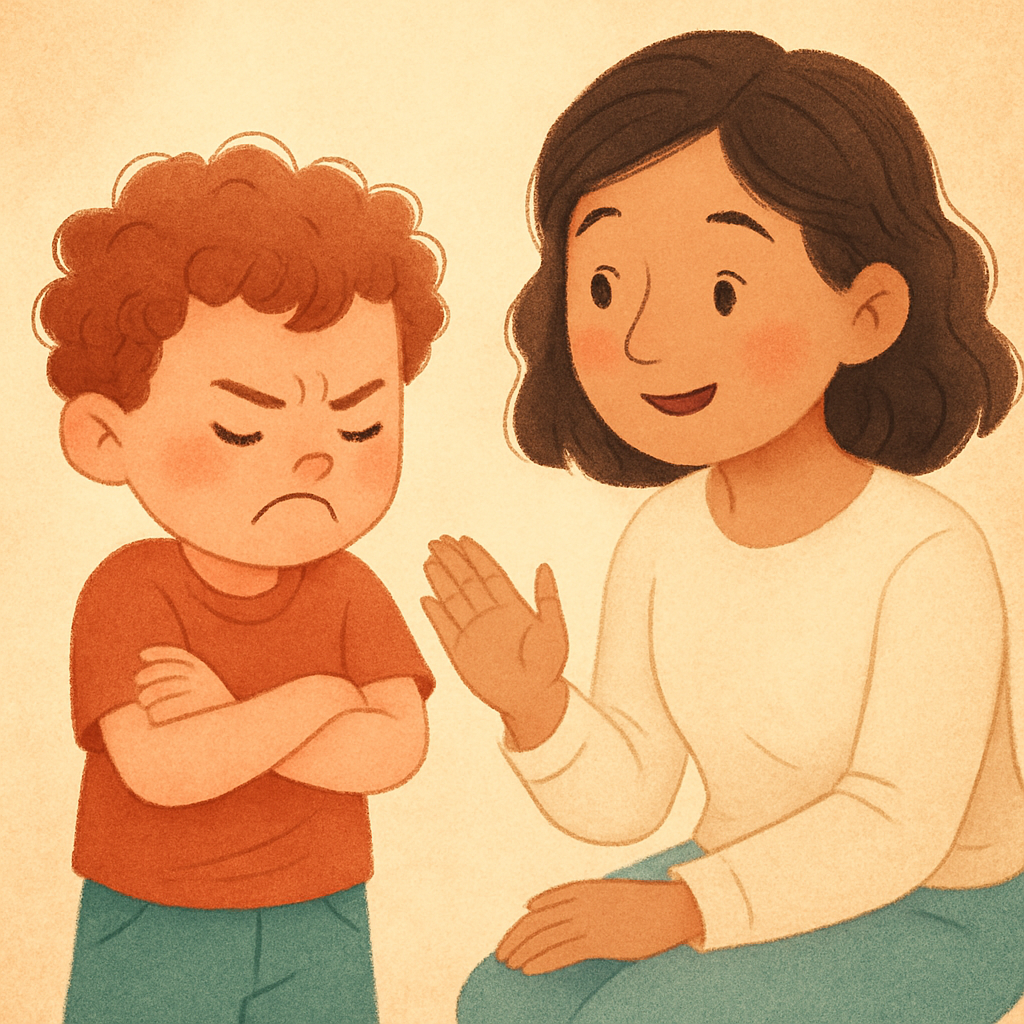
Managing tantrums and anger effectively starts with your own reaction. Staying calm when your child is losing control models emotional regulation and prevents the situation from escalating. When you shout, you're less likely to reach them; instead, you may make them more defiant. After they have calmed down, praise them for pulling themselves together.
The goal is to teach them better ways to handle big feelings. When your child isn't upset, practice problem-solving skills together. You can work on communication skills by asking them how they feel and brainstorming solutions to conflicts. This proactive coaching helps them build the tools they need before a big problem arises, like during frustrating homework time. Using positive reinforcement for these efforts is also key.
Here are some positive strategies to try:
- Stay calm: Model the behavior you want to see.
- Praise good behavior: Acknowledge when they handle their emotions well.
- Use time warnings: Give a heads-up before transitions (e.g., "We're leaving in 10 minutes").
- Practice problem-solving: Work on solutions together when everyone is calm.
These parent management training techniques can make a significant difference in reducing outbursts.
When to seek professional guidance
While parenting strategies can be effective, professional help is sometimes necessary. If your child's behavior is frightening, disruptive, or harmful, seek guidance from a clinical psychologist or psychiatrist for an accurate diagnosis and treatment plan.
Start by consulting your pediatrician to rule out medical issues—they can refer you to a mental health specialist. Therapies like Parent-Child Interaction Therapy (PCIT) or Collaborative & Proactive Solutions (CPS) teach skills to manage behavior. For some children, especially those with ADHD or mood disorders, medication may be recommended alongside therapy.
Seek professional help if:
- Your child’s behavior is dangerous.
- It causes significant problems at school or socially.
- Your family is under constant stress.
Getting help shows strength and supports your child’s long-term mental health.
Conclusion
Recognizing and addressing behavioral concerns is crucial for children's development and well-being. By noticing signs of misbehavior and understanding their causes, parents can use effective strategies to support their children. Positive approaches to managing anger and tantrums encourage healthy emotional expression and strengthen the parent-child bond. Seeking professional help is okay—your child's mental and emotional health matters.
For personalized advice, contact our experts for a consultation or call daar at 02 9133 2500.
Frequently Asked Questions
How can teachers support a child with behavioral challenges?
Teachers can support a child with behavioral issues by creating a structured and predictable classroom environment. Open communication between teachers, parents, and the student is key. Using positive reinforcement and teaching alternative communication skills can help reduce disruptive behavior and build a trusting relationship with authority figures.
What are the early warning signs of conduct problems in kids?
Early warning signs of a potential conduct disorder include persistent behavior problems like a high level of physical aggression, consistent defiance of authority, and cruelty to animals. You may also notice severe antisocial behavior, such as repeated lying, stealing, or violating social rules, which goes beyond typical childhood misbehavior.
How can parents help children learn positive ways to express anger?
Parents can teach positive approaches to anger by modeling calm behavior and validating their child's feelings. Encourage them to use their words to express frustration instead of having emotional outbursts. Practicing communication skills and using reinforcement for calm responses are effective ways to support your children’s mental health.
.svg)




.svg)