
.png?width=48&height=48&name=Group%201%20(3).png)























3 March, 2026

Effective Strategies for Managing Kids Tantrums
Key Highlights
- Temper tantrums are a normal part of development in young children as they learn to handle strong emotions.
- Recognizing triggers like hunger, fatigue, or frustration is the first step to managing outbursts.
- Positive parenting strategies, such as staying calm and setting clear boundaries, can make a big difference. Teaching emotional regulation skills helps children express their feelings in healthier ways. Consistency in routines and responses is crucial for preventing future temper tantrums.
- Teaching emotional regulation skills helps children express their feelings in healthier ways.
- Consistency in routines and responses is crucial for preventing future temper tantrums.
- While most tantrums are normal, persistent or violent outbursts may signal a need for professional help to support your child's mental health.
Introduction
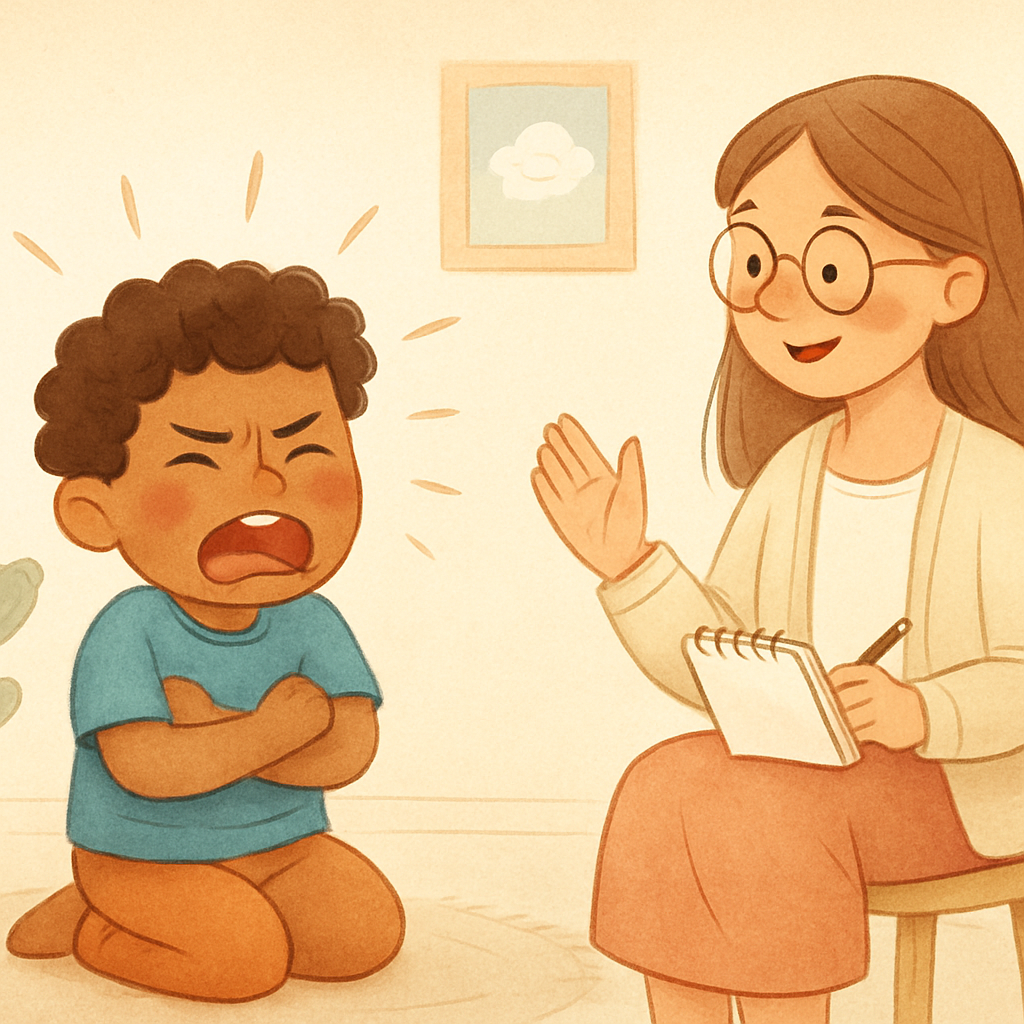
Temper tantrums can be a challenging part of parenting. When young children have outbursts of crying, yelling, and other disruptive behaviors, it can feel overwhelming. However, these episodes are a normal part of their development. Kids often lack the words to express big feelings, leading to frustration. Understanding the root causes of these tantrums is crucial for your child's mental health and for developing effective strategies to manage them, creating a calmer home environment for everyone.
Recognizing the Signs of an Angry Child
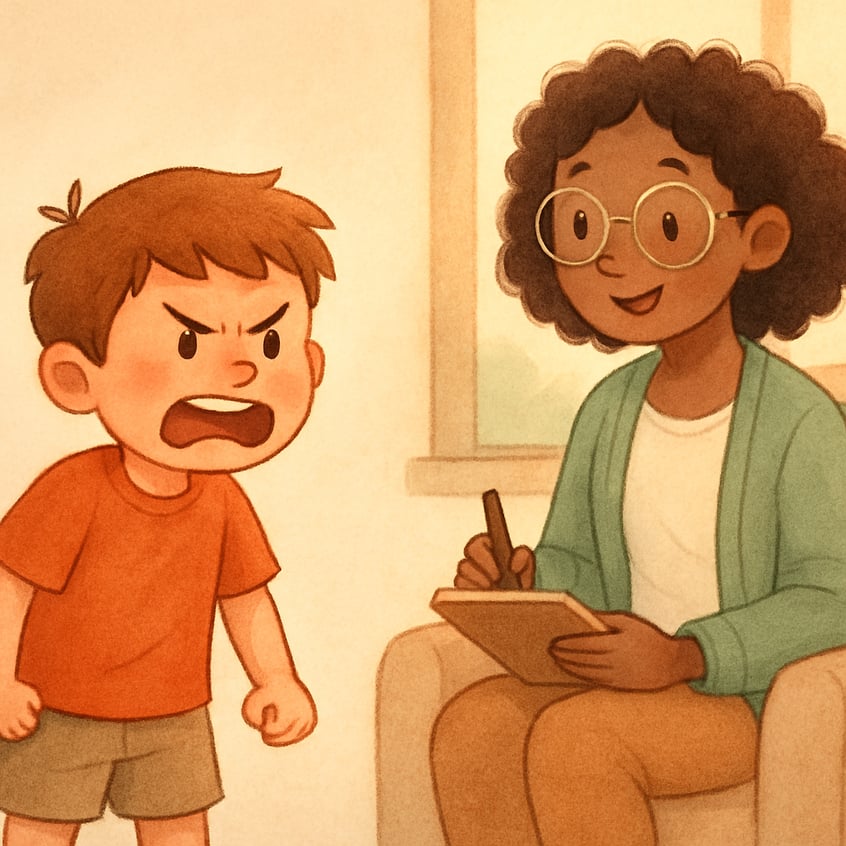
Spotting the signs of an angry child before a full-blown tantrum can help you respond more effectively. You might notice your child starting to whine, cry, or tense their body. These are early indicators that they are struggling with strong emotions and may be on the verge of losing control.
It's important to know the difference between typical misbehavior and something more, like emotional dysregulation, which can sometimes lead to more severe behavioral issues. Let’s explore what sets these behaviors apart and the early warning signs to watch for.
Emotional Dysregulation vs. Typical Misbehaviour
Wondering if your child's outbursts are normal misbehavior or something more? Typical misbehavior is goal-driven—a child acts out to get something or avoid a task. Tantrums fall into this category; the child is frustrated but still has some control and can calm down once their needs are met or they're distracted.
Emotional dysregulation is different. Here, a child can't manage their emotions and may have meltdowns—overwhelming reactions where they've lost control, not attempts to manipulate. During a meltdown, rewards or punishments have little effect until it passes. This distinction is important for children's mental health.
If your child’s outbursts are extremely intense, involve aggression or self-harm, or continue well beyond the toddler years, there may be underlying issues that require professional support.
Early Warning Signs of Challenging Behavior
Tantrums are common in young children and usually fade with age. However, ongoing or severe outbursts in school-aged kids may signal deeper issues. Pay attention to how often, how long, and how intense the tantrums are.
Warning signs include:
- Outbursts lasting over 15 minutes
- Tantrums happening several times a day
- Aggression that causes harm or property damage
- Needing significant help to calm down
These behaviors can be linked to conditions like ADHD or anxiety. If you notice these patterns, consider seeking a professional evaluation for proper support.
Common Triggers for Tantrums in Different Age Groups
Understanding what sets off frequent tantrums in young children is key to preventing them. The common causes often boil down to unmet needs or frustration. For instance, being tired, hungry, or sick can make any child more prone to an outburst. They might also act out when they want to be independent but still need your help, creating an internal conflict.
The specific triggers for misbehavior can vary significantly between different age groups. What causes a toddler tantrum might be very different from what leads to an outburst in an older child. Let's look at what typically causes tantrums in toddlers and school-aged kids.
Toddler-Specific Triggers for Tantrums
Toddler tantrums are common—about 87% of 18- to 24-month-olds have them. Frustration is a primary cause, as toddlers crave independence but lack the language and coping skills to express their emotions.
Frequent triggers include sudden changes in routine and overwhelming environments, often due to sensory processing issues.
Key tantrum triggers:
- Lack of sleep (fatigue)
- Hunger or thirst
- Frustration with tasks or toys
- Seeking attention
- Overstimulation
School-Aged Children and Environmental Factors
As children grow, their outburst triggers often change. For school-aged kids, environmental factors like school demands, social interactions, and family changes can create new pressures. Routine disruptions—such as playground arguments or shifts at home—can cause emotional distress.
Homework is a common trigger; difficult assignments may lead to frustration, and undiagnosed learning disabilities can drive repeated acting out. Transitions are also challenging—ending a fun activity or leaving the playground can feel disappointing.
For older children, these outbursts often signal difficulty coping with surrounding pressures. Recognizing situational triggers is key to helping them build better coping skills.
Positive Parenting Strategies for Managing Tantrums
When it comes to managing tantrums, positive parenting strategies can lead to better behavior in the long run. The goal is to teach your child, not just to punish them. By setting a positive example with your own actions and improving your communication skills, you create a supportive environment where your child can learn to manage their emotions.
Programs like parent management training can provide you with proven techniques to handle challenging behavior effectively. From staying calm yourself to setting clear boundaries, these approaches focus on building a stronger parent-child relationship.
Staying Calm During Explosive Outbursts
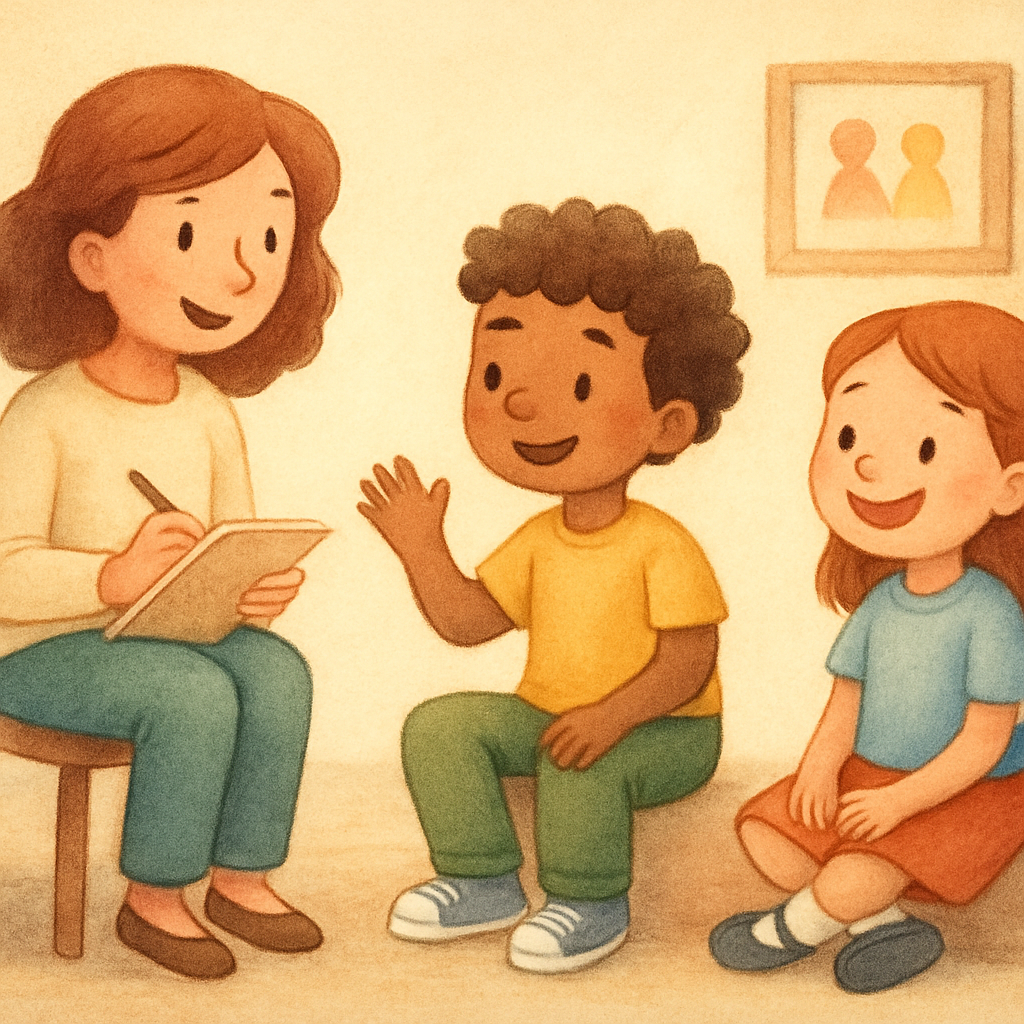
One of the hardest but most important things you can do during your child’s explosive outbursts is to stay calm. When you yell, you escalate the situation and lose the opportunity to be a calming influence. Taking a deep breath can help you manage your own emotions, which is crucial for your mental health and your child's.
Modeling a calm response shows your child how to handle frustration without losing control. It teaches them that even when feelings are big, they can be managed. Your steady presence can de-escalate the tension and help your child feel secure.
Here are a few quick tips for staying calm:
- Take a few slow, deep breaths before you react.
- Remind yourself that your child is distressed, not manipulative.
- If you feel overwhelmed, step away for a moment if your child is in a safe place.
Setting Clear Boundaries and Expectations
Setting clear boundaries is essential for effective parenting. When children understand the rules, they feel secure and are less likely to have tantrums. Use simple, age-appropriate language to communicate expectations—such as telling your child before shopping, "We’re only buying food today, not toys."
Consistency matters as much as clarity. Changing rules confuses children and encourages them to test limits. Consistently applying consequences teaches kids their actions have predictable outcomes, creating a reliable structure—not strictness.
Enforcing boundaries consistently helps children develop self-control and respect for rules. This foundation encourages positive behavior and reduces power struggles, making daily life smoother and more enjoyable.
Effective Ways to Respond to Tantrums
Finding an effective way to respond to a tantrum while it's happening can make all the difference. The key is to avoid making the situation worse by arguing or giving in. Instead, focus on keeping your child and everyone else safe. For younger children, distraction can work wonders if you catch the tantrum early.
Once the storm has passed, it's time to teach. Using a combination of clear communication skills, logical consequences, and positive reinforcement helps your child learn from the experience. The goal is to show them that while their feelings are valid, their behavior is not acceptable.
When and How to Use Consequences
Using consequences effectively is about teaching, not punishing. The key is to apply them immediately and consistently, so your child connects their behavior to the outcome. Consequences should be reserved for when a rule is broken, especially for disruptive behavior that cannot be ignored, like hitting or throwing things. The severity of the consequence should match the misbehavior.
For frequent tantrums, it's helpful to have a plan. A short time-out can give a younger child space to calm down, while an older child might lose a privilege, like screen time. Explain the consequence calmly and firmly: "Because you hit, you need to sit in the time-out chair." Avoid long lectures, as they are usually ineffective in the heat of the moment.
Consistent consequences help your child understand that there are predictable results for their actions. This structure is reassuring and helps them learn self-control over time.
|
Behavior Type |
Example Consequence |
|---|---|
|
Minor Misbehavior (whining) |
Ignore the behavior or redirect attention. |
|
Rule-Breaking (not cleaning up) |
Natural consequence: "You can't play with new toys until the old ones are put away." |
|
Aggressive Behavior (hitting) |
Immediate time-out or removal from the situation. |
|
Disruptive Behavior (yelling in a store) |
Leave the store and explain why. |
Using Positive Reinforcement to Shape Behavior
Positive reinforcement is a powerful tool for encouraging good behavior. Instead of focusing on mistakes, notice and praise your child when they do well. Specific praise, like "You did a great job using your inside voice when you were upset," helps them understand which behaviors are rewarded. Small incentives, such as sticker charts, can further motivate younger children.
Consistently reinforcing positive actions motivates better choices and shows that good behavior earns attention and approval. This approach fosters a supportive family dynamic and sets a positive example for interacting with others.
Preventing Tantrums Before They Start
While you can't prevent every tantrum, you can significantly reduce their frequency by being proactive. The secret to preventing tantrums often lies in consistency and structure. When children know what to expect from their day, they feel more secure and in control, which can help ward off many frustration-fueled outbursts.
Establishing predictable routines and teaching your child how to manage their feelings are two of the most effective strategies. By addressing the root causes of tantrums, like hunger and tiredness, and equipping your child with emotional skills, you can create an environment that promotes positive behavior.
Establishing Consistent Routines
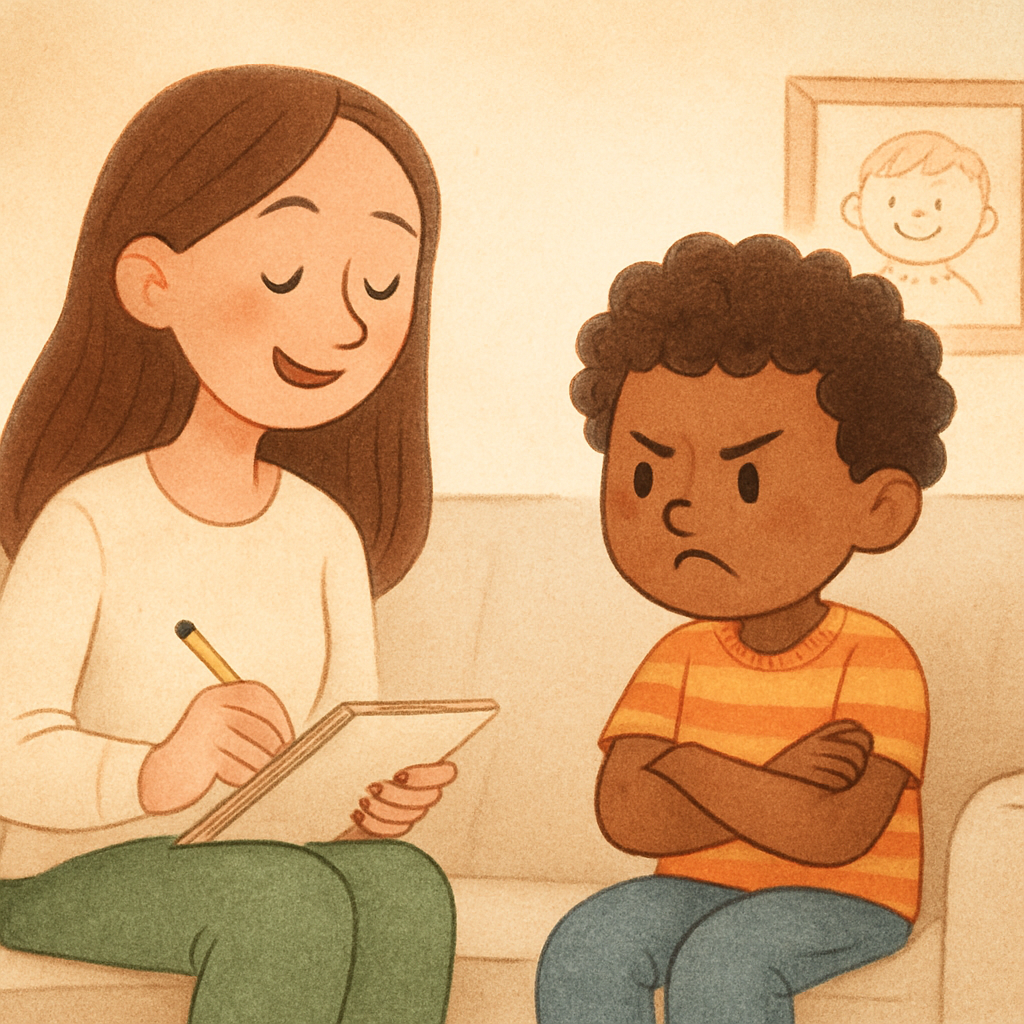
Consistent routines are a game-changer for preventing tantrums, especially in young children. A predictable daily schedule helps manage some of the most common triggers, like hunger and fatigue. When your child knows when to expect meals, snacks, and naps, their basic needs are met before they become a source of frustration. This stability helps them feel safe and secure.
Transitions are another common flashpoint for tantrums. A consistent routine makes these moments easier. Giving warnings before an activity ends, like saying, "We're leaving the playground in five minutes," prepares your child for the change and gives them a sense of control. This is much more effective than an abrupt departure.
Here are key areas where a routine can promote positive behavior:
- Mealtimes and Snacks: Keep them at roughly the same time each day.
- Nap and Bedtime: A consistent sleep schedule prevents overtiredness.
- Playtime: Build in time for fun and connection.
- Transitions: Create simple rituals for leaving the house or getting ready for bed.
Teaching Emotional Regulation Skills
Teaching your child emotional regulation is one of the best ways to prevent tantrums long-term. Young children often feel emotions they can’t name, so help by labeling their feelings: “I see you’re angry because your tower fell.” This validates them and builds emotional vocabulary.
Empathy is also key—talk about how others might feel in different situations, using stories or real life. Encourage your child to use words to express needs instead of acting out. For example, prompt them with, “Can you tell me what you want?”
These skills lay the foundation for good mental health and empower your child to handle challenges without tantrums.
Conclusion
Managing kids' tantrums is challenging but rewarding. By recognizing emotional triggers and using positive parenting strategies, you can address behaviors and create a supportive environment. Staying calm and setting clear expectations helps guide your child through outbursts, while teaching emotional regulation empowers them to express feelings constructively. Parenting is about progress and connection—not perfection.
For personalized strategies, contact us today for a consultation or call daar at 02 9133 2500.
Frequently Asked Questions
Are there common mistakes parents make with misbehaviour?
Yes. Common mistakes include giving in to demands during a tantrum, which reinforces the misbehavior, and not applying consistent consequences. Inconsistent responses confuse a child and can lead to more frequent tantrums, which can impact their mental health and your ability to manage the child's behavior effectively.
How do meltdowns differ from temper tantrums?
A temper tantrum is often a goal-oriented outburst of frustration, whereas a meltdown is a reaction to being completely overwhelmed by strong emotions. Meltdowns are a sign of emotional dysregulation, where the child has lost control and isn't trying to achieve something. This is common in conditions like autism spectrum disorder.
What are simple tips for calming an angry child quickly?
For a younger angry child, a quick distraction can work wonders. For older kids, encourage them to take a deep breath with you. Staying calm yourself is key. Acknowledge their feeling ("I see you're mad") and then offer a calming activity. This models positive behavior and helps them regulate.
.svg)




.svg)