
.png?width=48&height=48&name=Group%201%20(3).png)























2 December, 2025

Introduction
Are you looking for ways to manage difficult emotions or change unhelpful habits? Behavioural therapy is a powerful form of psychotherapy that can help. This approach focuses on identifying and altering negative behaviours to improve your overall mental health. Through structured therapy sessions, you can learn practical strategies to tackle current challenges. Whether it's a specific type like cognitive behavioural therapy or another method, this treatment offers tools to build a healthier, more fulfilling life.
Key Highlights
-
Behavioural therapy is a practical approach focused on changing unhealthy or self-destructive behaviours. It is based on the principle that all behaviours are learned and can be modified. Key types include cognitive therapy, dialectical behaviour therapy, and acceptance and commitment therapy. Positive behaviour support is an approach within behavioural therapy that emphasizes understanding the reasons behind challenging behaviours and reinforcing desirable actions through encouragement and clear strategies, rather than punishment.
-
It is based on the principle that all behaviours are learned and can be modified.
-
Key types include cognitive therapy, dialectical behaviour therapy, and acceptance and commitment therapy.
-
Techniques like exposure therapy and systematic desensitization are used to treat various mental health conditions.
-
This therapy is effective for anxiety, depression, phobias, and for improving your social skills.
-
It is a goal-oriented treatment suitable for children, adolescents, adults, and seniors.
Defining Behaviour Therapy
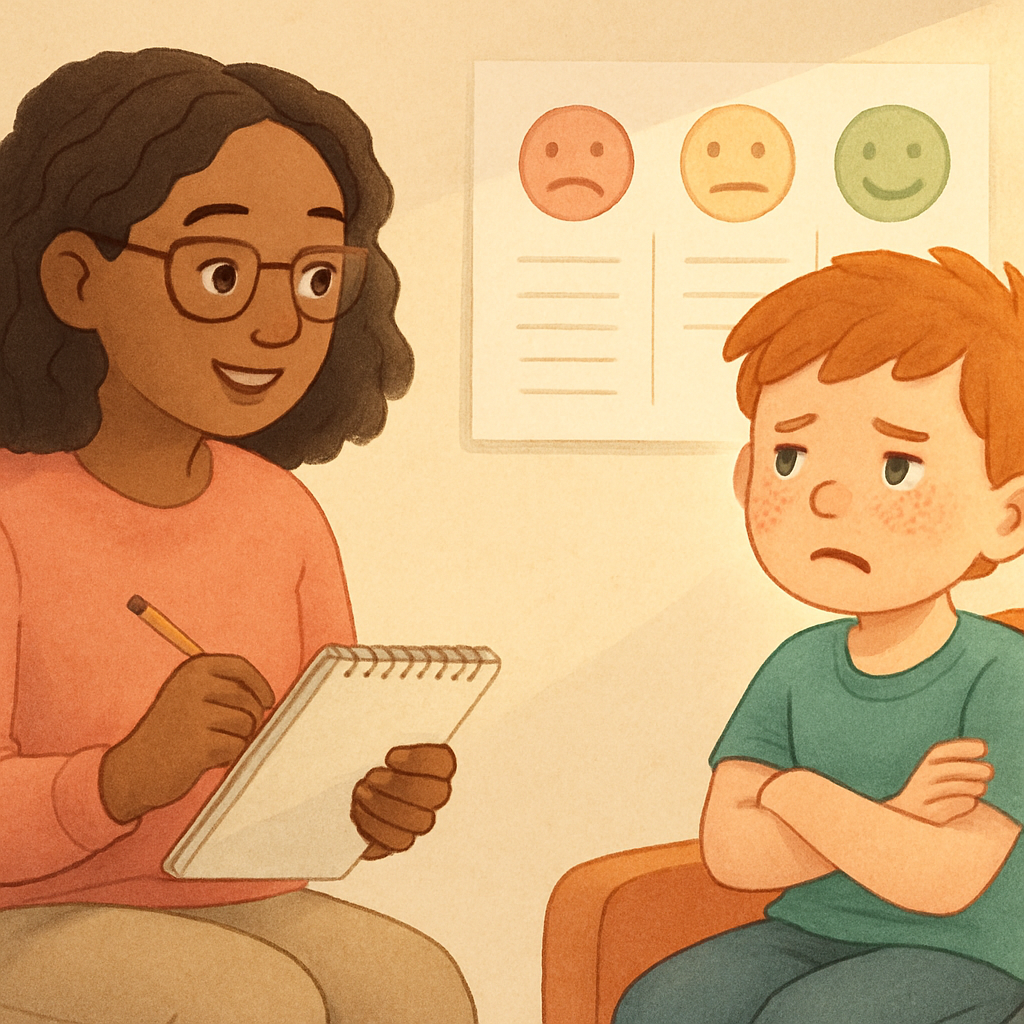
Behaviour therapy is a broad term for a range of therapies that treat mental health disorders. It operates on the core idea that all behaviours are learned and that you can change unhealthy ones. Unlike some types of therapy that explore the past, behaviour therapy concentrates on your current problems and how to solve them. It's a structured, action-oriented approach aimed at replacing self-defeating habits with new, positive ones.
The foundations of this therapy are rooted in principles like classical conditioning, where you learn to associate a new response with a trigger, and operant conditioning, which uses rewards and consequences to shape behaviour. By understanding these principles, you and your therapist can work together to identify the triggers behind your actions and develop strategies for lasting change. The ultimate goal is to empower you with the skills to manage your behaviour effectively.
How Behaviour Therapy Works
The process of behaviour therapy typically begins with a thorough assessment. During your initial therapy sessions, your therapist will conduct a behavioural analysis to understand your challenges. This involves identifying the specific behavioural patterns you want to change and the situations that trigger them.
Once your goals are set, the therapy focuses on teaching you new ways to respond. Different types of therapy use various techniques to help you unlearn negative habits and adopt healthier ones. You might practice new skills in a safe environment or learn how to think differently about challenging situations.
The work often continues outside of your sessions. Your therapist may give you "homework" assignments to apply what you've learned to your everyday life. This practical application is key to making your new behavioural patterns stick and achieving your long-term goals.
Key Principles in Behaviour Therapy
At its core, behaviour therapy is built on the idea that behaviour is learned and can, therefore, be unlearned or modified. This approach doesn't get stuck on the "why" behind a behaviour but instead focuses on the "how" to change it. Your therapist will help you identify problematic behaviours and develop new skills to replace them.
Several key principles guide this process. Classical conditioning, for example, helps you change your automatic response to certain triggers. Another principle is operant conditioning, which uses consequences to influence behaviour. This often involves positive reinforcement, where you are rewarded for practicing healthy behaviours.
Some modern forms of behaviour therapy also incorporate cognitive restructuring. This involves challenging and changing the unhelpful thoughts that drive your behaviours. The main principles include:
-
Behaviour is learned from the environment.
-
Unhealthy behaviours can be changed.
-
Focus is on current behaviour rather than past events.
-
New, desirable behaviours can be learned through reinforcement.
Major Types of Behaviour Therapy
Behavioural therapy is not a single treatment but an umbrella term that covers several different approaches. Each of these types of therapy uses unique behavioural therapy techniques, but they all share the common goal of helping you change unhelpful behaviours. The specific approach your therapist recommends will depend on your unique needs and goals.
From the widely known cognitive behavioural therapy to more specialized methods, each type offers a distinct path toward better mental well-being. Understanding these different forms can help you see the breadth of this therapeutic approach and how it can be tailored to address a variety of issues. Let's explore some of the most common types.
Cognitive Behavioural Therapy (CBT)
Cognitive Behavioural Therapy (CBT) stands out as a highly effective type of therapy for tackling various mental health conditions, such as anxiety disorders and depression. By blending cognitive therapy with behaviour therapy, CBT encourages clients to identify and challenge unhelpful thoughts while developing new skills to replace maladaptive behaviours. This structured approach often includes techniques like cognitive restructuring and exposure therapy, catering to individual needs. With its collaborative nature, clients are empowered to take charge of their mental well-being, enhancing their quality of life through achievable goal setting and positive reinforcement.
Dialectical Behaviour Therapy (DBT)
Dialectical behaviour therapy (DBT) is another important type of behavioural therapy. It was originally created to treat borderline personality disorder, a condition often marked by intense emotions and relationship difficulties. However, its effectiveness has led to its use for a variety of other issues, including depression and substance use disorders.
DBT combines standard cognitive-behavioural techniques with concepts of mindfulness, acceptance, and emotional regulation. During therapy sessions, you learn four key skills: core mindfulness, distress tolerance, emotion regulation, and interpersonal effectiveness. These skills are designed to help you manage powerful mood swings and improve your stress management abilities.
The therapy emphasizes finding a balance between acceptance and change. It teaches you to accept your emotions without judgment while also providing you with the tools to change the behaviou rs that are causing you distress. This dual approach helps you build a life that feels more stable and meaningful.
Applied Behaviour Analysis (ABA)
Applied Behaviour Analysis (ABA) is a type of behaviour therapy that is often used with children, particularly those with autism spectrum disorder or other developmental challenges. This approach focuses on improving specific behaviours, such as social skills, communication, and academics, while decreasing behavioural issues that may be harmful or interfere with learning.
ABA is grounded in the principles of learning and behaviour, including social learning theory. A central part of the therapy involves rewarding positive behaviours to encourage their repetition. This method is highly structured and tailored to each individual's unique needs and goals. Therapists, parents, and teachers often work together to ensure consistency.
The goal of ABA is to help individuals develop the skills they need to function more independently and successfully. By breaking down complex skills into smaller, manageable steps and reinforcing progress, ABA helps foster meaningful and lasting changes in behaviour.
Core Behaviour Therapy Techniques
To help you achieve your goals, therapists use a variety of proven behavioural therapy techniques. These methods are practical, hands-on strategies designed to help you unlearn negative habits and develop new, healthier responses. Each technique is chosen based on the specific issue you are facing.
Some of the most well-known methods include systematic desensitization, which helps you gradually overcome fears, and exposure therapy, where you confront feared situations in a controlled way. Other techniques, like aversion therapy, are used to create negative associations with harmful behaviours. Below, we'll look at some of these core techniques in more detail.
Systematic Desensitization
Systematic desensitization is a powerful technique used to treat phobias and anxiety disorders. The process helps you become less sensitive to the things that trigger your fear. It relies on the principle that you cannot be anxious and relaxed at the same time.
First, your therapist will teach you new skills for deep relaxation, such as breathing exercises or progressive muscle relaxation. Once you have mastered these techniques, you will work together to create a "fear hierarchy," a list of your fears ranked from least to most scary.
You will then start to confront your fears, beginning with the least anxiety-provoking item on your list, while using your relaxation skills. As you progress up the hierarchy, you gradually replace your fear response with a relaxation response. This process may also involve cognitive restructuring to challenge the fearful thoughts associated with the trigger.
Exposure Therapy
Exposure therapy is a highly effective treatment that helps you confront your fears head-on. It is commonly used for conditions like panic disorder, phobias, and social anxiety. The core idea is that avoiding your fears only makes them stronger. By facing them in a safe and controlled environment, you can learn that the feared outcomes do not happen.
During therapy sessions, your therapist will guide you as you are gradually exposed to the object or situation you fear. This can be done through real-life situations, imagination, or even virtual reality. The exposure is done in a structured way, starting with less intimidating scenarios and slowly building up.
This process helps you build confidence and reduces your anxiety over time. By directly addressing your current problems with avoidance, exposure therapy empowers you to reclaim parts of your life that fear may have limited. It is a proven way to break the cycle of fear and avoidance.
Behavioural Activation
If you struggle with depression, you might find that you have withdrawn from activities you once enjoyed. Behavioural activation is a technique specifically designed to counteract this cycle of withdrawal and inactivity. It is a straightforward yet powerful approach to treating depression.
The therapy focuses on helping you gradually increase your engagement in rewarding and meaningful activities in your daily life. You and your therapist will identify activities that align with your values and create a plan to incorporate them back into your routine. This could be anything from taking a walk to connecting with a friend.
As you become more active, you start to experience more positive reinforcement from the world around you. This naturally helps to lift your mood, reduce mood swings, and combat the feelings of lethargy and hopelessness associated with depression. It's a practical way to actively fight back against depressive symptoms.
Aversion Therapy
Aversion therapy is a type of therapy used to help individuals stop engaging in harmful behaviours, such as substance use or other addictions. It works by teaching you to associate the unhealthy behaviour with an extremely unpleasant stimulus. The goal is to create a conditioned negative response to something you once found pleasurable.
For example, a therapist might teach you to associate the sight or smell of alcohol with an unpleasant memory or a nausea-inducing medication. Over time, this repeated pairing causes you to develop an aversion to the substance. This technique is often used as part of a broader treatment plan.
While it can be effective, aversion therapy is also controversial and is typically used only when other methods have failed. It is a form of contingency management where the consequences of a behaviour are deliberately altered to discourage it. Deciding to use this type of therapy should be done carefully with a qualified professional.
Who Can Benefit From Behaviour Therapy?
A wide range of people can find relief and achieve personal growth through behaviour therapy. It's not just for those with severe mental health issues; it can also help anyone wanting to change unhelpful habits, improve their social skills, or learn better ways to cope with stress. The therapy is adaptable to various ages and challenges.
Because there are many different types of therapy under the behavioural umbrella, treatment can be tailored to fit your specific needs. From children struggling with behaviour to adults facing depression, this approach offers practical tools to foster positive behaviours and enhance well-being. Let's look at who can benefit.
Children and Adolescents
Behavioural therapy is highly effective for children and adolescents facing a variety of challenges. It can help with behavioural issues like ADHD, aggression, and anxiety, as well as emotional difficulties like panic attacks. Because younger clients may not be able to articulate their feelings, therapists often use specialized techniques.
One common approach is play therapy, where children can express their thoughts and feelings through play. A therapist can gain insight into a child's world by observing how they interact with toys. For older children and teens, therapy might focus more on social learning and teaching practical social skills for interacting with peers.
Parents are often involved in the process, learning strategies to support their child and reinforce positive behaviours at home. This collaborative approach ensures that the new skills are practiced and integrated into the child's daily life, making the therapy more effective in the long run.
Adults and Seniors
Adults and seniors can also greatly benefit from behaviour therapy. Life brings many challenges, such as stress, relationship conflicts, grief, and mental health conditions like depression or anxiety. Through structured therapy sessions, adults can learn to identify and change long-standing behaviour patterns that negatively impact their daily life.
Cognitive behaviour therapy is particularly popular among adults. It provides concrete tools for managing difficult emotions and challenging negative thought cycles. The focus is on practical solutions that you can apply right away to improve your situation and overall quality of life. Therapy can help you develop better communication habits, coping strategies, and problem-solving abilities.
For seniors, therapy can help with adjusting to life changes, coping with medical conditions, or managing symptoms of depression. The goal is always to equip you with the skills you need to navigate life's challenges more healthily and feel better about yourself and your future.
Support for Families and Caregivers
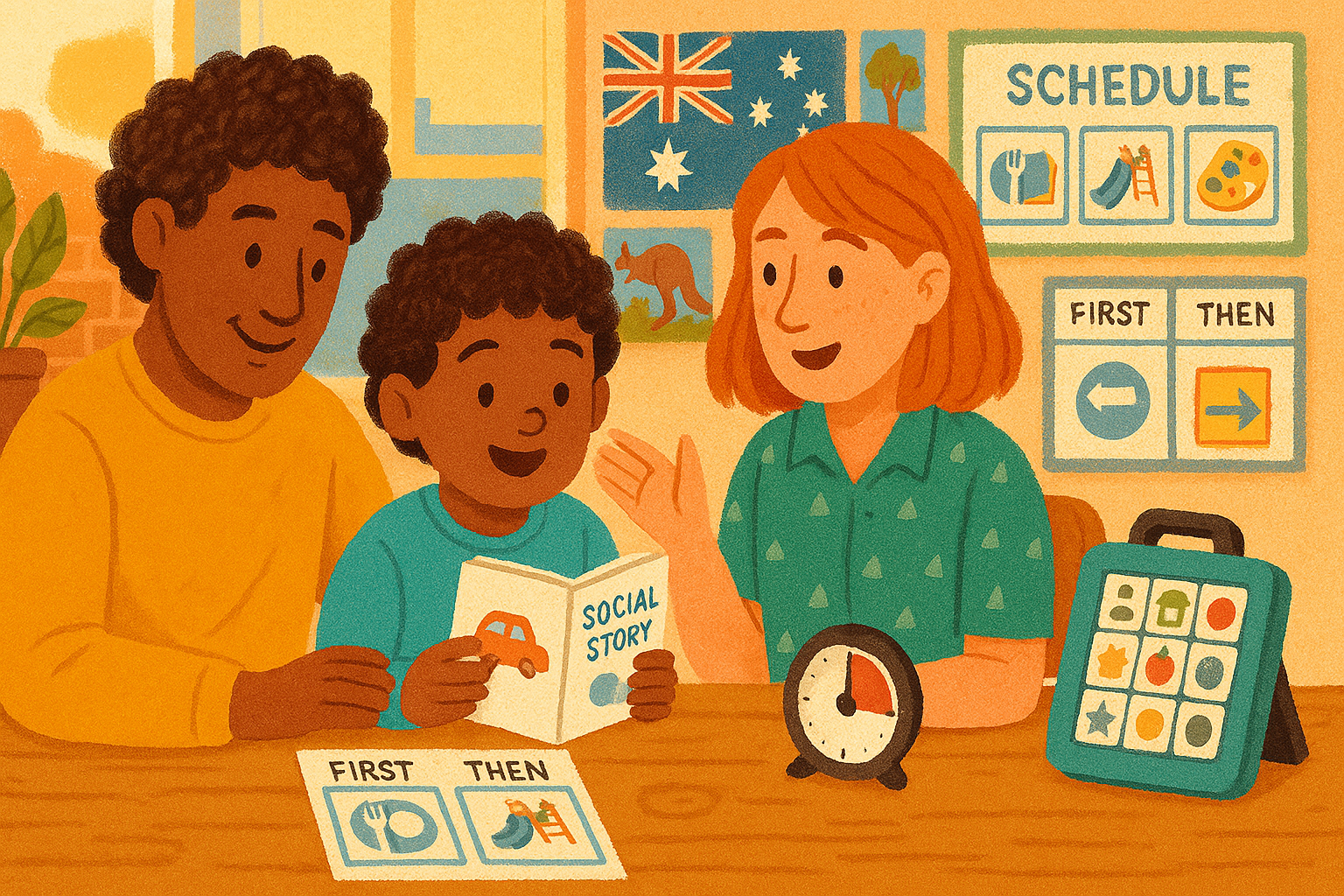
The benefits of behaviour therapy extend beyond the individual receiving treatment. Families and caregivers play a crucial role in a person's support system, and this therapy recognizes their importance. Many behaviour therapy programs offer support services specifically for family members.
These programs teach parents, partners, and other caregivers new skills to help them manage their loved one's challenging behaviours and foster positive behaviours at home. This can be especially helpful for families of children with behavioural disorders or adults with chronic mental health conditions. Learning these strategies can reduce stress for the entire family.
Mental health social workers often facilitate these family sessions, providing education and practical tools. By involving the family, behaviour therapy helps create a supportive environment where everyone can work together toward common goals, strengthening relationships and improving outcomes for the individual in therapy.
Evaluating the Effectiveness of Behaviour Therapy
You might be wondering, does behaviour therapy actually work? The answer is a resounding yes. Decades of research have shown that this approach is highly effective for a wide range of mental health conditions and psychological problems. Research findings consistently demonstrate positive clinical outcomes, making it one of the most evidence-based treatments available. It is particularly effective for anxiety disorders, depression, and social behaviour disorders. Studies show that a significant majority of people who engage in behavioural therapies experience real benefits.
|
Condition Treated |
Effectiveness of Behaviour Therapy |
|---|---|
|
Anxiety Disorders & Phobias |
Highly effective, especially with exposure therapy and systematic desensitization. |
|
Depression |
Very effective, particularly behavioural activation and CBT, in improving mood and increasing engagement. |
|
Obsessive-Compulsive Disorder (OCD) |
Considered a first-line treatment, with exposure and response prevention showing strong results. |
|
Post-Traumatic Stress Disorder (PTSD) |
Effective in processing trauma and reducing symptoms through techniques like prolonged exposure. |
|
Social Behaviour Disorders |
Proven to improve social skills and reduce disruptive behaviours through structured interventions. |
Improving Social Skills Through Behaviour Therapy
If you find social situations challenging, behaviour therapy can be a game-changer. It offers practical behavioural therapy techniques to help you build confidence and improve your social skills. The therapy provides a safe space to learn and practice new ways of interacting with others.
Through principles of social learning, you can observe and model more effective social behaviours. During therapy sessions, you might engage in role-playing exercises to practice conversations, learn how to read social cues, or develop assertiveness. Your therapist will provide feedback and guidance to help you refine your new skills.
Homework assignments often involve applying these skills in real-world situations, helping you build confidence step by step. Techniques used to improve social skills include:
-
Practicing conversational skills for starting and maintaining discussions.
-
Learning to understand non-verbal cues like body language and tone of voice.
-
Developing assertiveness to express your needs and opinions respectfully.
-
Role-playing difficult social scenarios to prepare for them in real life.
Conclusion
In conclusion, understanding behaviour therapy is essential for anyone seeking to improve their mental health or support others in their journey. This comprehensive approach offers various techniques tailored to individual needs, making it a versatile choice for children, adults, and families alike. By employing methods like cognitive behavioural therapy, exposure therapy, and behavioural activation, practitioners can facilitate meaningful change and enhance overall well-being. Remember, finding the right therapist is crucial for effective outcomes.
If you're ready to explore how behaviour therapy can transform your life or the lives of others, reach out for a consultation or call 02 9133 2500!
Frequently Asked Questions
Is behaviour therapy suitable for both children and adults?
Yes, behavioural therapy is suitable for all ages. Therapists adapt different types of therapy and techniques for children, such as play therapy, while using more talk-based approaches in therapy sessions for adults. The core principles are flexible enough to address the unique developmental needs of both children and adults.
How do I find an accredited behaviour therapist in Australia?
To find an accredited professional for behaviour therapy, start by asking your GP for a referral. You can also search the online directories of professional bodies like the Australian Psychological Society. Many online mental health services also offer access to qualified psychologists and accredited social workers who conduct therapy sessions.
What is the difference between behavioural therapy and CBT?
Behavioural therapy is a broad category of therapy focused on changing behaviours. Cognitive behavioural therapy (CBT) is a specific type of therapy within that category. CBT integrates cognitive therapy by also addressing the unhelpful thoughts and beliefs that influence your behaviour, making it a more comprehensive approach in many therapy sessions.
.svg)




.svg)