
.png?width=48&height=48&name=Group%201%20(3).png)























30 January, 2026

Discover the Benefits of Behavioural Therapy ADHD
Introduction
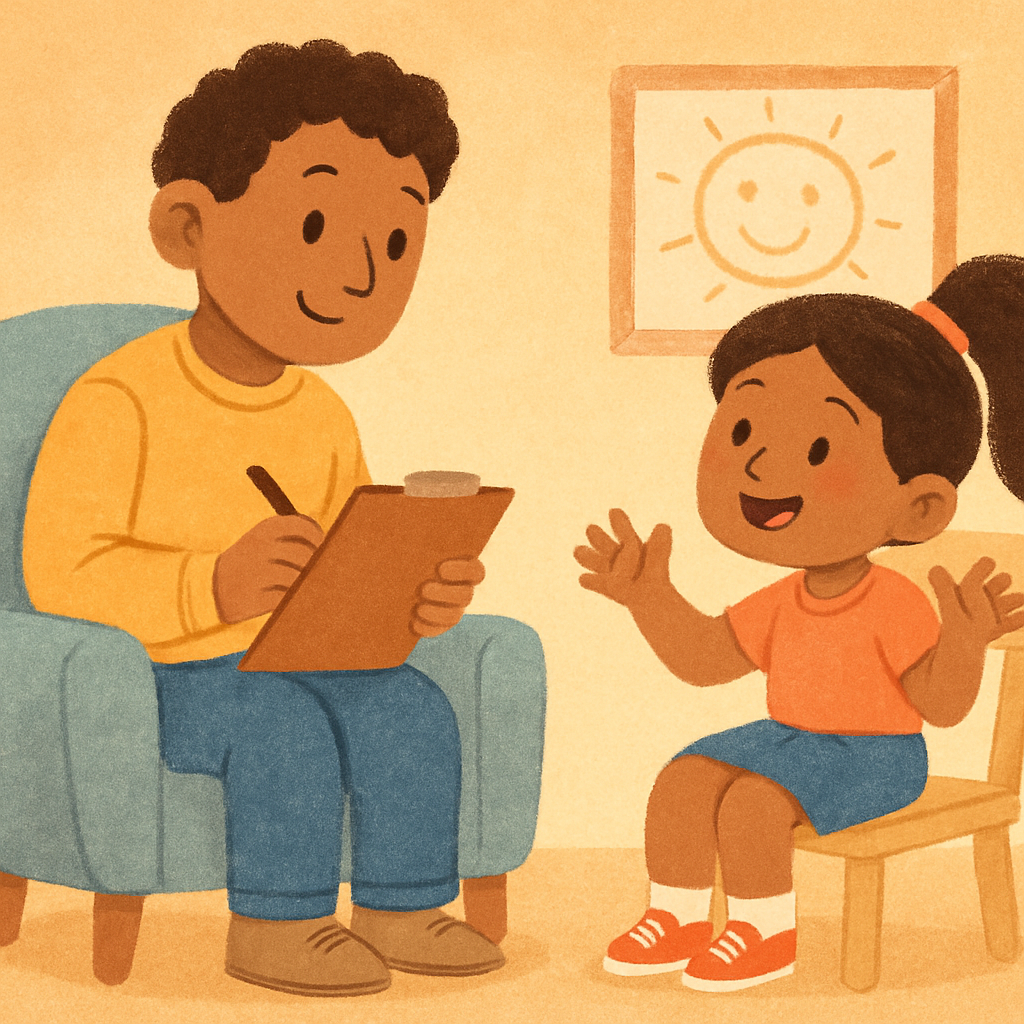
Attention deficit hyperactivity disorder (ADHD) is a condition that presents challenges with focus, activity levels, and impulse control. These ADHD symptoms can affect school, work, and personal relationships, impacting daily life and mental health. While managing ADHD can feel overwhelming, effective treatments are available. Behavioural therapy offers practical strategies to address these challenges, helping you or your child develop skills for a more structured and successful life. It is a powerful tool for unlocking potential.
Key Highlights
- Behavioural therapy is a key treatment that helps manage ADHD symptoms by modifying behaviour. Typically, it may take several weeks to a few months to start seeing noticeable results from behavioural therapy for ADHD, depending on the individual and the consistency of implementing strategies. It focuses on establishing routines and using positive reinforcement to encourage good habits. Parent training is essential, equipping you with strategies for effective behaviour management at home.
- It focuses on establishing routines and using positive reinforcement to encourage good habits.
- Parent training is essential, equipping you with strategies for effective behaviour management at home.
- Therapy helps children, teens, and adults develop skills in areas like time management and emotional regulation.
- When applied in schools, these strategies create a supportive learning environment for students.
- Ultimately, behavioural therapy improves social skills and the overall quality of life for individuals with ADHD.
Understanding ADHD and Its Impact in Australia
Attention-deficit hyperactivity disorder is a common neurodevelopmental disorder affecting children and adults. In Australia, as in the rest of the world, ADHD patients often struggle with symptoms of inattention, hyperactivity, and impulsivity. These signs can interfere with development and daily activities.
Living with ADHD can create difficulties in various areas of life. For many, the symptoms of ADHD lead to challenges at school, in the workplace, and within family dynamics. Understanding the disorder is the first step toward finding effective management strategies that can help improve day-to-day functioning.
Common Signs and Symptoms of ADHD
ADHD symptoms fall into three main categories:
- Attention deficit—difficulty focusing, staying organized, and completing tasks; frequent distraction or misplacing items.
- Hyperactivity—constant fidgeting, inability to stay seated, excessive talking, or feelings of restlessness (in adults).
- Impulsivity—hasty decisions, interrupting others, difficulty waiting your turn.
Symptoms vary by individual. Behavioural therapies like cognitive behavioural therapy and parent training target these challenges.
How ADHD Affects Children, Adolescents, and Adults
ADHD affects people of all ages, but the challenges vary by life stage. In children, common issues include behaviour management and social skills at home and school—they may have trouble following rules or interacting with peers.
Teens with ADHD often struggle with executive functioning, making it hard to plan, organize, or manage time. This can cause academic problems and family conflicts. Behavioural interventions like social skills training and cognitive behavioural therapy (CBT) are recommended to help teens build independence and regulate emotions.
In adults, ADHD can disrupt careers, relationships, and overall quality of life. Daily routines may feel chaotic. Common effects include:
- Trouble meeting work deadlines
- Difficulty maintaining long-term relationships
- Challenges with financial management
- Poor emotional regulation leading to frustration
What is Behavioural Therapy for ADHD?
Behavioural therapy is a structured ADHD treatment focused on changing behaviours. Unlike therapies centered on emotions, it offers practical tools for managing ADHD. Individuals learn to recognize and modify unhelpful actions through consistent strategies.
The main goal is effective behaviour management. A key advantage is that it equips individuals and families with everyday skills, building self-control and providing a framework for positive change. This makes behavioural therapy a cornerstone of comprehensive ADHD treatment. The following sections will cover its principles and approaches.
Key Principles of Behavioural Therapy
Behavioural therapy for ADHD focuses on positive reinforcement, using rewards like praise or privileges to encourage desired behaviours. Consistent reinforcement helps improve attention, self-regulation, and social skills.
Clear expectations and structured routines are essential. Simple instructions reduce confusion and anxiety, making goal achievement easier. Ongoing feedback—both positive and corrective—guides behaviour change.
Effective communication among therapists, parents, teachers, and the individual ensures strategies are coordinated, and progress is tracked. This teamwork helps quickly address challenges and recognize achievements.
Parent training is vital; parents learn techniques such as reward systems, effective time-outs, and consistent responses to misbehaviour. These skills help families manage difficulties and support their child’s growth.
Social skills exercises are often included to help children practice interaction, cooperation, frustration management, and reading social cues.
By combining positive reinforcement, clear communication, consistent expectations, parent involvement, and social skill-building, behavioural therapy helps individuals with ADHD improve attention, impulse control, relationships, academic performance, and quality of life.
Types of Behavioural Therapy Used for ADHD

Several types of behavioural therapy are effective for ADHD, each targeting different needs. Cognitive behavioural therapy (CBT) is particularly useful for adolescents and adults. It helps individuals identify and reframe negative thought patterns that contribute to issues like procrastination and poor time management.
For younger children, behavioural parent training is a highly recommended approach. This therapy equips parents with tools to manage their child's behaviour effectively. Other methods include play therapy, which uses play to help children express themselves and learn new skills, and social skills training. Some individuals also benefit from ADHD coaching to develop organizational strategies.
Here is a look at some common therapies:
|
Therapy Type |
Focus Area |
|---|---|
|
Cognitive Behavioural Therapy (CBT) |
Changing negative thought patterns and building coping skills. |
|
Dialectical Behavioural Therapy (DBT) |
Improving emotional regulation and interpersonal skills. |
|
Behavioural Parent Training |
Equipping parents with behaviour management techniques. |
|
Play Therapy |
Helping young children communicate and learn through play. |
|
ADHD Coaching |
Developing practical skills for organization and goal achievement. |
Parent Training and Family Involvement
As a parent, you are key to your child's success with behavioural therapy. Parent training builds your skills and confidence to support your child. Programs like Triple P-Positive Parenting offer structured guidance for managing ADHD symptoms.
Learning effective strategies creates a consistent, supportive home, reduces conflict, encourages positive behaviours, and strengthens your relationship. The next sections explain your role in detail and offer helpful resources.
The Role of Parents in Behaviour Management
Your involvement is key to effective behaviour management at home. One proven strategy is to "catch" your child being good and offer specific praise for helpful or respectful actions—this reinforces positive behaviours better than focusing on mistakes.
A reward system is also powerful. For younger kids, use a simple chart; for older ones, try a token economy. Connect rewards to clear goals so your child knows what to work toward. Consistent, logical consequences are equally important—for example, if homework isn’t finished, screen time is reduced.
Effective strategies include:
- Establish predictable routines: Set consistent times for waking up, meals, and bedtime.
- Use calm discipline: Replace yelling with consequences like time-outs or loss of privileges.
- Create structure: Organize your home so belongings have designated places.
Resources for Parents and NDIS Support Options
If you want to learn behavioural therapy techniques, several resources are available. Parent training programs like Triple P and ParentWorks offer structured courses with practical strategies you can use immediately.
In Australia, families may access extra support through the National Disability Insurance Scheme (NDIS), which can help fund therapies and services for children with ADHD. Consult your pediatrician or a psychologist to find the best local resources.
Additional options include:
- Parenting classes and workshops
- Community support groups for families of children with ADHD
- Books and articles from reputable sources
- Consultations with ADHD specialists
Conclusion
In summary, behavioural therapy is a powerful tool in managing ADHD, helping individuals navigate its challenges effectively. By understanding the principles of this approach and engaging parents, teachers, and therapists in a collaborative effort, we can create supportive environments for those with ADHD. It's essential to recognize and harness the strategies that work best in both home and school settings, as they play a vital role in unlocking the potential of individuals with ADHD.
If you're interested in exploring therapy options or need guidance on navigating this journey, feel free to reach out for a consultation or call daar at 02 9133 2500.
Frequently Asked Questions
What are the main goals of behavioural therapy for individuals with ADHD?
The main goals of behavioural therapy for individuals with ADHD include improving self-control, enhancing social skills, and promoting positive behaviour changes. Additionally, it aims to teach coping strategies for managing impulsivity and organizational challenges, ultimately leading to better overall functioning in daily life.
How does behavioural therapy differ from medication in treating ADHD?
Behavioural therapy focuses on modifying specific behaviours through reinforcement and skill-building, while medication aims to manage ADHD symptoms chemically. Both approaches can be beneficial, but they target different aspects of the disorder, often complementing each other for improved outcomes.
What techniques are commonly used in behavioural therapy for ADHD?
Common techniques in behavioural therapy for ADHD include positive reinforcement, behaviour modification plans, token economies, and social skills training. These methods aim to encourage desired behaviours, reduce impulsivity, and improve overall functioning, making them effective for children and adults alike.
.svg)




.svg)