
.png?width=48&height=48&name=Group%201%20(3).png)























3 February, 2026

Understanding Behavioural Therapy ADHD for Children
Introduction
Attention deficit hyperactivity disorder (ADHD) is a neurodevelopmental condition that can present challenges in a child's daily life. Symptoms like inattention and impulsivity can affect everything from school performance to friendships. The good news is that effective help is available. Behavioural interventions offer practical skills and emotional support, empowering your child to manage their symptoms. With the right therapy, children can learn coping strategies to navigate daily activities and thrive. For adolescents with ADHD specifically, recommended behavioural interventions often include organizational skills training, time management strategies, cognitive-behavioural therapy (CBT), and parent-teen training programs. These approaches are tailored to help adolescents improve executive functioning, manage impulses, and build positive routines.
Key Highlights
- Behavioural therapy is a highly effective treatment that teaches children skills to manage their ADHD symptoms.
- Parent training is a core part of behavioural therapy, equipping you with strategies for behaviour management.
- Using positive reinforcement and consistent consequences helps encourage desirable behaviours in your child. These interventions can significantly improve your child's self-control, social skills, and overall mental health. For many young children, behavioural therapy is the recommended first step before considering medication. However, behavioural therapy and medication can also be combined for ADHD treatment, especially when symptoms are more severe or do not fully respond to one approach alone.
- These interventions can significantly improve your child's self-control, social skills, and overall mental health.
- For many young children, behavioural therapy is the recommended first step before considering medication.
- Applying these learned skills improves the quality of life for the entire family.
Behavioural Therapy for ADHD: An Overview
Behavioural therapy is a recommended treatment that can greatly improve a child's behaviour, self-control, and self-esteem. It doesn't eliminate the core symptoms of attention deficit hyperactivity disorder, but it gives children the tools they need to control them. This approach to behaviour management focuses on teaching skills that have lasting benefits for their mental health.
Typically delivered by a clinical psychologist, these therapies equip children to manage hyperactivity and inattention. Exploring the different kinds of behavioural therapy can help you find the best fit for your child's needs.
What Is Behavioural Therapy?
So, what exactly is behaviour therapy? It's a treatment approach centered on changing unhelpful behaviours and strengthening positive ones. For children with ADHD, this means learning how to manage impulses, improve focus during daily activities, and interact more successfully with others. The primary goal is to teach practical skills for better self-control.
This type of therapy is excellent for helping children develop better emotional regulation. By creating clear expectations and predictable routines, therapists help your child understand what is expected of them. This structured method reduces confusion and frustration, making it easier for them to meet goals.
Ultimately, behaviour therapy aims to enhance your child's overall quality of life. As they learn to control impulses and develop stronger social skills, their confidence grows. This structured support helps them manage their ADHD symptoms effectively, leading to more positive experiences at home, at school, and with friends.
Main Types of Behavioural Therapies Used for ADHD
Several types of behavioural therapy have proven effective for managing ADHD. Each focuses on different skills, but all share the goal of helping individuals lead more successful lives. These approaches can be used alone or in combination to create a personalized treatment plan.
The most common therapies include parent training, Cognitive Behavioural Therapy (CBT), Dialectical Behavioural Therapy (DBT), and social skills training. Each one targets specific challenges associated with ADHD.
|
Therapy Type |
Primary Focus |
|---|---|
|
Parent Training |
Equips parents with skills to manage their child's behaviour and strengthen their relationship. |
|
Cognitive Behavioural Therapy (CBT) |
Helps change negative thinking patterns and develop coping strategies for time management and procrastination. |
|
Dialectical Behavioural Therapy (DBT) |
Teaches emotional regulation skills to handle social and emotional challenges. |
|
Social Skills Training |
Improves peer relationships and communication abilities through direct instruction and role-playing. |
These therapies provide a structured way to address disruptive behaviours and build new, positive habits. They give children and adults the tools they need to navigate the world more effectively.
Parent Training in Behaviour Management
Parent training in behaviour management is a cornerstone of effective ADHD treatment, especially for younger children. This therapy involves you and your child working together with a therapist. It trains you to interact with your child in ways that encourage positive behaviour support and discourage actions that cause trouble.
This approach significantly enhances family life by reducing conflict and stress. By building strong support networks and learning new techniques, you become more confident and effective in guiding your child. Let’s look at how this training directly benefits your child and what these programs involve.
How Parent Training Supports Children
Parent training helps your child by teaching you to create a positive, predictable environment. Using praise and consistent consequences shows your child how to earn positive attention, which can be especially motivating for kids used to criticism.
Consistency reduces problem behaviours like tantrums and defiance. As you apply these strategies, your child builds emotional regulation and self-control skills that often carry over to settings like school.
The result is improved behaviour, a stronger parent-child bond, and progress for children struggling socially or in preschool. Parent training also reduces stress and boosts your confidence in supporting your child's success.
Key Elements of Parent Training Programs
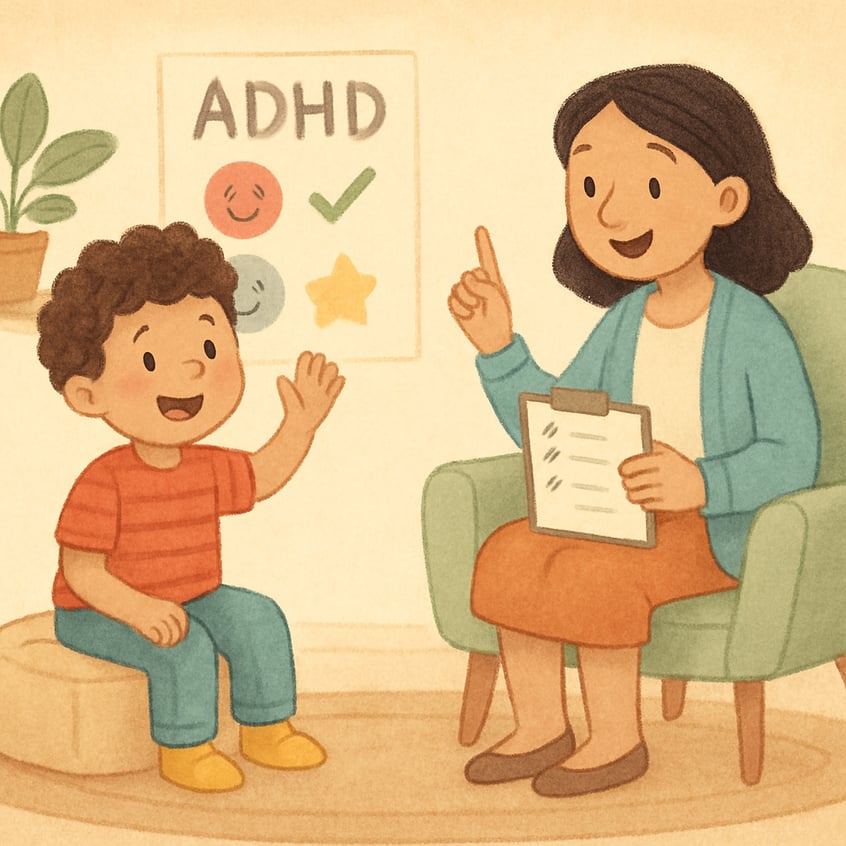
Parent training programs are structured to give you practical tools for behaviour management. These programs require a significant time investment, but the skills you learn provide lasting benefits for you and your child. Therapists work with you to tailor strategies to your family's specific support needs.
You can typically expect to attend eight or more sessions, either in a group with other parents or individually with your family. During these sessions, you will learn and practice new communication skills and techniques for providing positive attention. The therapist provides coaching and support to help you along the way.
Key elements of these parent training programs often include:
- Learning skills to use positive reinforcement and consistent discipline.
- Developing positive ways to interact and communicate with your child.
- Receiving activities to practice with your child between sessions.
- Meeting regularly with a therapist to monitor progress and adjust strategies.
Effective Behavioural Strategies at Home
Implementing behavioural therapy strategies at home can make a world of difference in your daily life. Simple changes to your routines can help reduce negative behaviours and improve your overall family life. One of the most powerful tools you can use is positive reinforcement, which rewards your child for good behaviour.
Establishing clear, consistent routines is another key strategy. When your child knows what to expect, tasks become less daunting and more achievable. Let's explore how to build these routines and manage difficult situations.
Building Routines and Positive Reinforcement
Creating predictable daily routines is essential for effective behaviour management. Children with ADHD often struggle with executive functions like planning and organization, so clear structures help them stay on track. Posting schedules where they are easily seen makes tasks feel more achievable.
Positive reinforcement is a powerful motivator for encouraging positive behaviour. Instead of focusing on mistakes, you catch your child doing something right and reward them for it. This could be praise, extra screen time, or another small reward. This approach helps your child build new skills and boosts their self-esteem.
Here are some tools that can help you establish routines and use positive reinforcement:
- Checklists: Use these for morning routines, homework, or getting ready for bed to clearly define each step.
- Planners: Help your child keep track of homework and deadlines, which is useful for those with poor working memory.
- Reward Charts: Motivate your child to complete tasks and acquire new skills by offering a prize for consistent effort.
Managing Challenging Behaviours
Challenging behaviours like tantrums or defiance are common with ADHD but can be managed. Behaviour therapy teaches consistent responses, helping your child control impulses and regulate emotions in a safe environment.
One key strategy is to ignore minor misbehaviour, removing attention that reinforces it. For more serious issues, withdrawing privileges works better than yelling or scolding.
Identifying behaviour triggers helps you prevent problems before they start. Consistency teaches your child that actions have predictable outcomes, building security and self-control over time.
Supporting Children with ADHD in School Settings
Behaviour management strategies are just as important in school settings as they are at home. These techniques help children with ADHD succeed in their daily activities, from completing assignments to improving social interaction with peers. Applying behavioural principles in the classroom can reduce disruptive actions and create a better learning environment for everyone.
A collaborative approach between parents and teachers is key to this success. When everyone is on the same page, the child receives consistent support. Let's look at specific classroom accommodations and how teamwork makes a difference.
Classroom Accommodations and Techniques
Effective classroom accommodations can greatly benefit children with ADHD, helping them manage symptoms and stay focused. Simple strategies support executive functioning and organization.
A proven technique is the Daily Report Card: teachers and parents set clear behavioural goals, teachers give daily feedback, and children earn rewards at home for meeting goals—strengthening school-home collaboration.
Other helpful accommodations include:
- Setting specific behavioural goals, like completing tasks or not interrupting
- Using visual cues and checklists for multi-step assignments
- Providing structured, predictable routines
- Allowing movement breaks to manage hyperactivity
- Seating the child away from distractions
Collaboration Between Teachers and Parents
Strong collaboration between teachers and parents is essential for a child’s success. Teamwork creates a consistent environment that reinforces positive behaviours at home and school, with open communication as the foundation.
Regularly sharing what works—and what doesn’t—allows everyone to adjust strategies. For example, techniques from parent training can be shared with teachers for a unified approach, helping your child learn new skills faster.
Building these support networks ensures your child receives consistent messages and expectations across settings. This teamwork benefits your child’s academic and social growth while reducing school-related stress at home.
Conclusion
In conclusion, effective behavioural therapy for children with ADHD can significantly enhance their daily lives and learning experiences. By implementing strategies at home and fostering collaboration between parents and teachers, you can create an environment where your child feels supported and understood. Remember, patience and consistency are key in seeing positive outcomes.
If you're interested in exploring tailored behavioural therapy options or need guidance on how to implement these strategies effectively, don’t hesitate to reach out for a consultation or call daar at 02 9133 2500.
Frequently Asked Questions
How long does it take to see results from behavioural therapy for ADHD?
The timeline for seeing results from behavioural therapy varies. Progress depends on the consistency of applying the new skills. While some families see dramatic improvements in positive behaviour relatively quickly, the treatment of ADHD is a process. Lasting change requires ongoing effort and practice from both you and your child.
Are there behavioural therapy NDIS resources for parents in Australia?
Yes, in Australia, the National Disability Insurance Scheme (NDIS) funds Positive Behaviour Support for individuals with disability. This can include support for managing ADHD symptoms. Organizations like Ability Action Australia offer NDIS-funded parent training and can create a behaviour support plan tailored to your child’s specific support needs.
.svg)




.svg)