
.png?width=48&height=48&name=Group%201%20(3).png)























2 February, 2026

Misbehaviour in Children: How to Address Common Issues
Introduction
Dealing with your child’s misbehaviour can be one of the most frustrating parts of parenting. From toddler tantrums to defiance in older kids, these moments can test your patience. But what if you saw this behaviour not as a disaster, but as an opportunity? Understanding your child's behaviour is the first step toward addressing it effectively. Many challenging behaviours are a normal part of child development, and with the right approach, you can guide your child toward better ways of handling their feelings.
Key Highlights
- Understand that misbehaviour in young children is often a form of communication, not defiance.
- Tantrums are a normal part of development, especially for toddlers who can't express their feelings.
- Common causes of behaviour problems include emotional triggers, stress, and seeking attention.
- Responding calmly and consistently is key to managing outbursts and teaching self-control.
- Positive discipline techniques can help your child learn to make positive choices.
- Know when to seek professional help if misbehaviour becomes severe or frequent.
Common Causes of Misbehaviour
So, what are the most common causes of misbehaviour in kids? Often, acting out is a reaction to specific triggers. These can range from emotional triggers like frustration and anxiety to environmental factors like a noisy room. Children may also misbehave to test limits, seek attention, or assert their growing independence.
Understanding these underlying causes is the first step toward finding a solution. Instead of just reacting to the behaviour, you can address the root of the problem. Next, we will explore some of these common causes, including emotional stress and the drive for independence.
Emotional Triggers and Stress
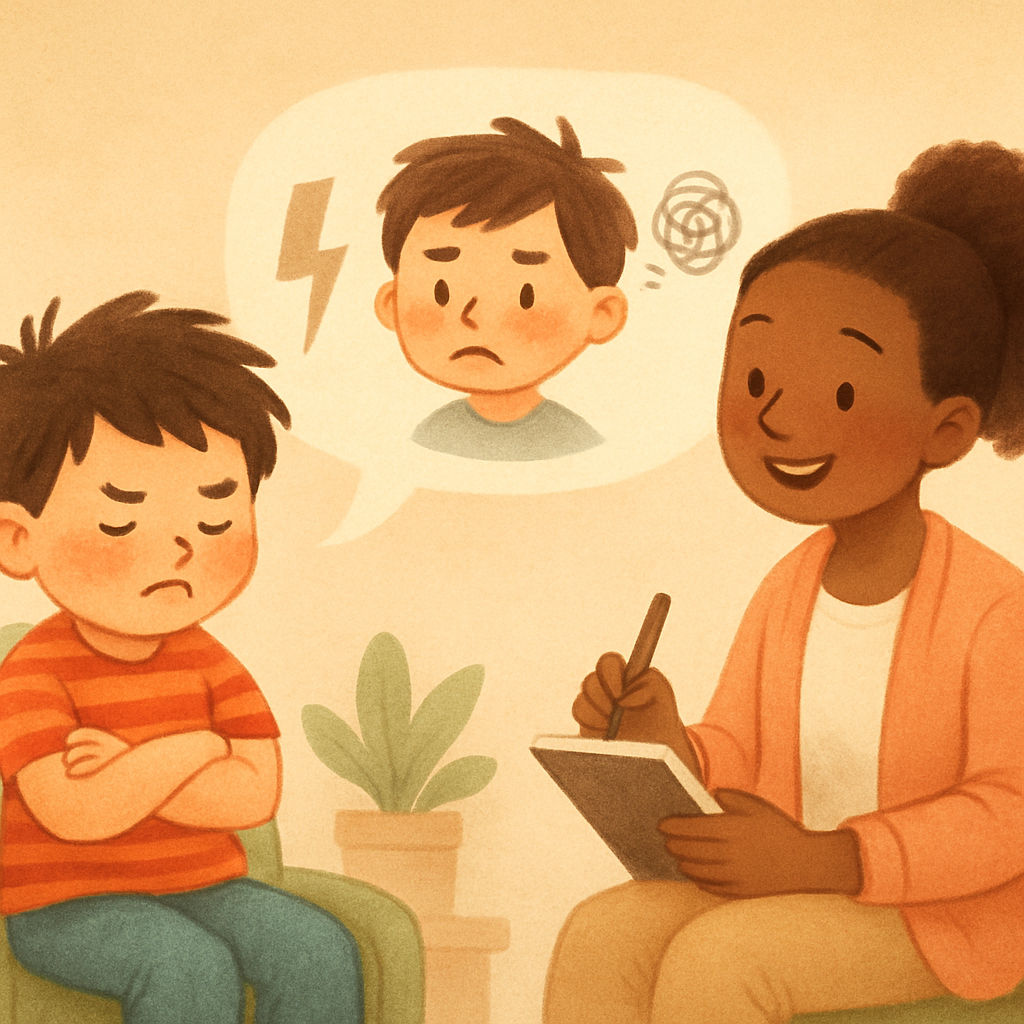
Many behavioural issues arise when children struggle to manage big emotions. Overwhelmed and unable to understand their feelings, they may act out in response to stress.
For example, an anxious child might have a meltdown in uncomfortable situations, such as crowded rooms or new schools. This behaviour isn’t defiance—it’s a reaction to overwhelming emotions, often triggered by specific stressors.
Common triggers include:
- Fatigue or hunger
- Unexpected changes in routine
- Pressure from schoolwork
- Sensory overload (noise, light)
Identifying these triggers can help prevent outbursts.
Seeking Attention or Independence
Kids often act out because they want attention. If they don’t get positive attention, they may misbehave just to be noticed—even negative attention feels better than none. This is a common reason for acting up and usually means kids need more quality time with you.
As children grow, they want independence and may say, "I can do it myself." They test limits and push against rules, which can lead to conflicts if their desires clash with boundaries.
While challenging for parents, this stage helps kids learn and grow. You can guide them to express their wants respectfully and let them choose between two safe options, giving them some control and reducing arguments.
Tantrums: Why They Happen and What to Do
Tantrums are a common form of childhood misbehaviour, especially in toddlers. These outbursts—ranging from whining to screaming and kicking—occur when a child is frustrated and lacks impulse control. Triggers include being told "no," fatigue, or hunger.
To handle tantrums effectively, parents should understand the cause and respond calmly to teach their child, rather than escalate the situation. Let’s explore why tantrums are normal and how to manage them.
Are Toddler Tantrums Normal?
If you’re a parent of young children, you’ve probably wondered about toddler tantrums. The answer: yes, they’re completely normal and most common between ages one and three, when children’s desires outpace their abilities.
At this stage, toddlers are still developing language skills and often can’t express what they want or feel. This frustration leads to tantrums.
These emotional outbursts are signs your child is learning to navigate the world. As their communication improves, tantrums usually decrease. While challenging, tantrums are part of healthy growth.
Handling Tantrums in the Moment
When your child has a tantrum, stay calm—your reaction sets the tone. Giving in teaches that tantrums work, so avoid meeting demands during outbursts.
If your child is seeking attention, try to ignore the behaviour or distract them with another activity. If they’re tired or hungry, offer comfort like a snack or quiet time. Be consistent; giving in once makes future tantrums harder to manage.
After the tantrum:
- Praise your child for calming down.
- Offer a hug and reassurance.
- Talk about what happened and discuss better ways to handle frustration.
- Help them name their feelings to build communication skills.
Recognizing Anger in Your Child
As children grow, misbehaviour often shifts from toddler tantrums to frequent angry outbursts in older kids. This anger can feel overwhelming for both parent and child. Recognizing signs of anger is the first step in teaching emotional intelligence.
If not addressed, ongoing anger may lead to serious behaviour issues at home and school. By identifying when your child is angry, you can guide them toward healthier ways to cope. The next sections outline key signs and practical steps you can take to help.
Signs of an Angry Child You Shouldn’t Ignore
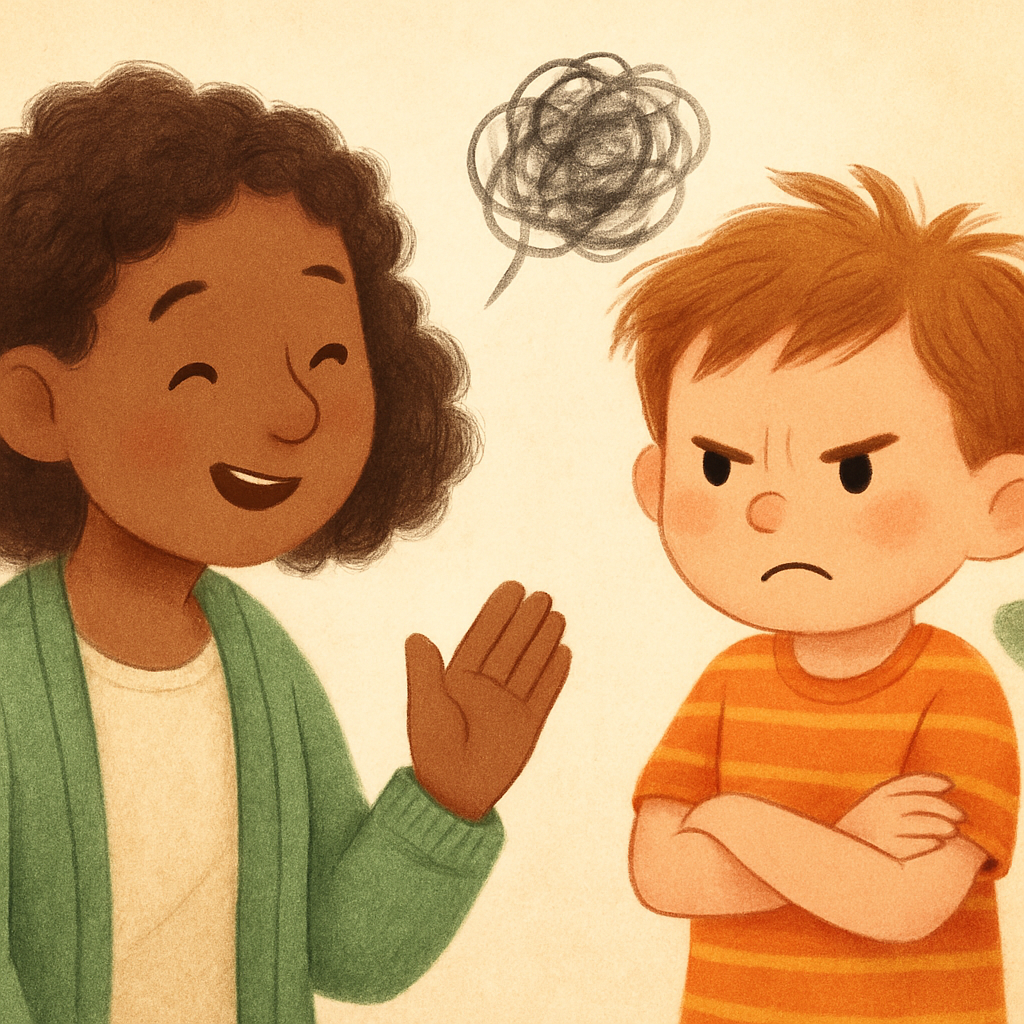
While occasional anger is normal, certain signs may point to a deeper issue. It’s important to know the early warning signs of serious misbehaviour problems so you can intervene early. If your child's anger seems out of proportion to the situation, it's time to pay attention.
This isn't just about a bad mood; it's about a pattern of behaviour that is disruptive and potentially harmful. Emotional triggers, peer influence, or underlying anxiety can all contribute to these angry outbursts. Don't dismiss frequent or intense anger as just a phase.
Look out for these signs of an angry child:
- Frequent, explosive outbursts that are intense and hard to control.
- Aggressive behaviour, such as hitting, kicking, or throwing objects.
- Constant irritability and defiance.
- Disruptive behaviour at school or trouble with friends.
Steps to Help Children Manage Their Anger
To help your child manage anger and prevent misbehaviour, model calm behaviour yourself. Staying in control sets a strong example of emotional intelligence.
Encourage your child to express their feelings with words. Label their emotions for them—such as, “It sounds like you feel angry”—to validate their experience and improve communication. Reassure them that feeling angry is normal, but aggressive actions are not acceptable.
For ongoing challenges, consider parent management training (PMT), which teaches strategies to encourage positive behaviour through praise and consistent consequences. This helps your child build self-control.
Practical Strategies for Addressing Challenging Misbehaviour
When faced with ongoing behavioural issues, you need a toolbox of practical strategies. Positive discipline is a powerful approach that focuses on teaching rather than punishing. It helps you address negative behaviours while strengthening your relationship with your child. Consistency is the cornerstone of this method.
However, if challenging misbehaviour persists despite your best efforts, it could be a sign of underlying behavioural disorders. It's important to know when to apply discipline techniques at home and when it might be time to seek outside help. Let's look at some effective strategies you can use.
Positive Discipline Techniques for Home and School
Positive discipline guides children with firmness and kindness. One effective technique is to “catch them being good”—praising good choices reinforces positive behaviour.
Consistency between home and school helps children understand expectations, leading to better behaviour. Strong communication and language skills also reduce acting out, as children can express themselves more easily.
Try these positive discipline techniques:
- Give plenty of praise for good behaviour.
- Offer small choices (e.g., “Red shirt or blue?”) to give your child control.
- Use distraction to redirect frustrating situations.
- Keep off-limits items out of sight to prevent struggles.
When to Seek Professional Support
Parents should be concerned about repeated misbehaviour if they feel out of control, constantly give in, or the behaviour causes harm. Start by consulting your child’s pediatrician to rule out health issues.
Persistent misbehaviour may signal conditions like ADHD, anxiety, or oppositional defiant disorder. A professional can diagnose the issue and suggest support such as therapy, parent training, or medication.
Seeking help is a strength. If your child’s behaviour is frequent, intense, or dangerous, a professional can equip you with tools to manage it and restore peace at home.
Conclusion
Navigating misbehaviour in children can be a challenging yet rewarding journey. By focusing on positive behaviour and understanding the various factors influencing a child’s actions, parents can foster emotional intelligence and effective communication skills. It's essential to recognize that behaviour problems are often a normal part of child development butbut addressing them with patience and consistency can make a big difference. Always seeking advice from your child’s pediatrician can help clarify concerns and guide you on the best ways to support your child's growth.
Book a consultation today or call daar at 02 9133 2500 for expert guidance tailored to your child’s needs.
Frequently Asked Questions
What are some common signs of misbehavior in children that parents should look out for?
Common signs of misbehavior in children include persistent defiance, aggression, excessive whining, or refusal to follow rules. Additionally, withdrawing from activities they once enjoyed or showing sudden mood swings can indicate underlying issues that parents should address promptly.
How can I effectively address and correct my child's misbehavior without resorting to punishment?
To address your child's misbehavior effectively, focus on communication and understanding their feelings. Utilize positive reinforcement and set clear expectations. Encourage problem-solving skills and provide consistent routines to promote self-regulation, fostering an environment where discipline is constructive rather than punitive.
What role does communication play in understanding the reasons behind a child's misbehavior?
Effective communication is vital in understanding a child's misbehavior, as it encourages openness and trust. By actively listening to their feelings and concerns, parents can identify underlying issues, helping to address the root causes of misbehavior more effectively.
.svg)




.svg)