
.png?width=48&height=48&name=Group%201%20(3).png)























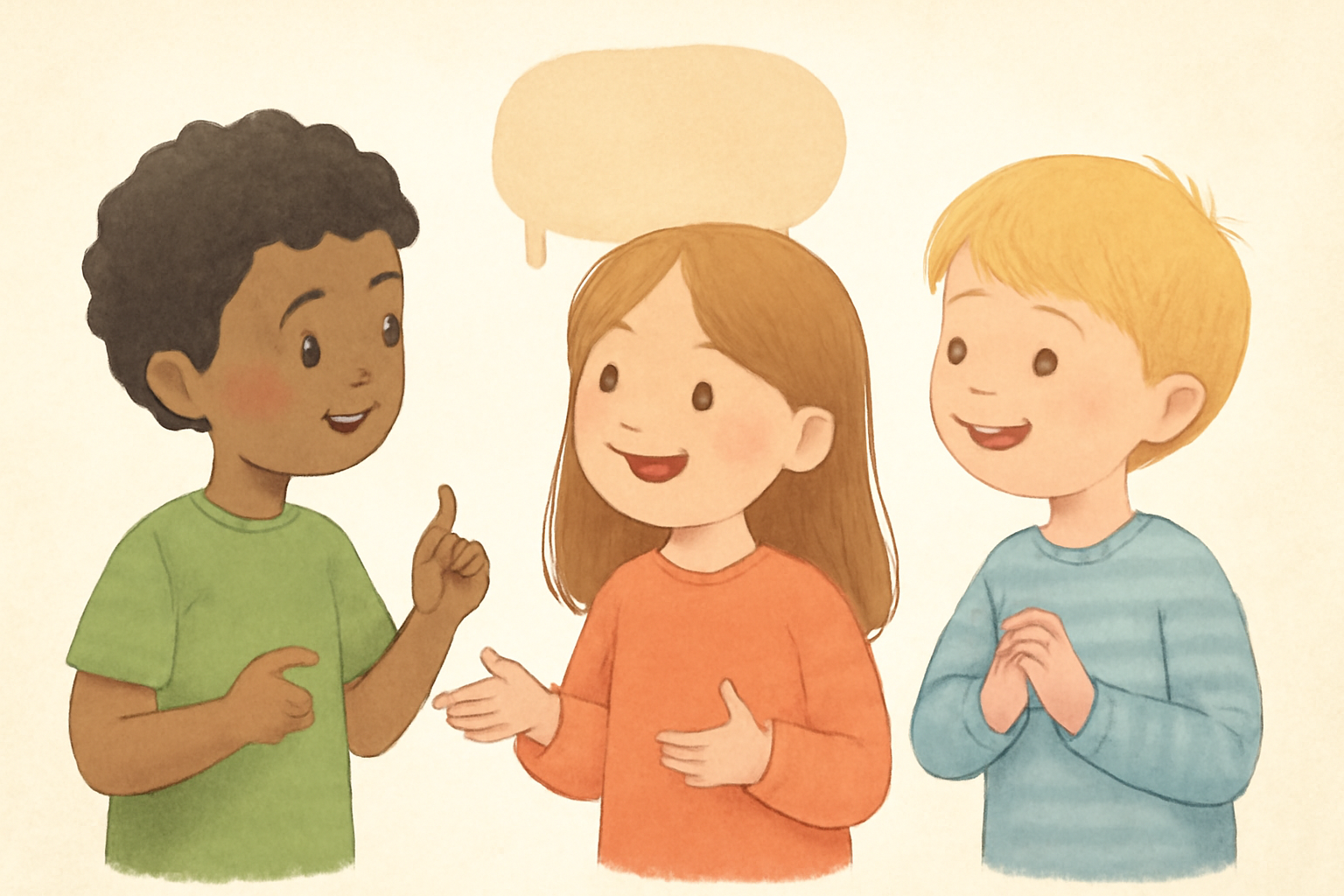
3 December, 2025

Introduction
Connecting with others is a fundamental part of life, but for some children, developing social communication skills can be a challenge. These difficulties can affect their ability to make friends, express themselves, and navigate daily interactions. The good news is that support is available. Speech therapy offers targeted strategies and exercises to help children overcome these hurdles, improve their language skills, and build the confidence they need to communicate effectively. This guide will explore how speech therapy can make a significant difference.
Key Highlights
-
Social communication is crucial for building relationships, and speech therapy can address delays in these skills.
-
Speech therapy targets both receptive language (understanding) and expressive language (speaking) to improve overall communication.
-
Early intervention is key for children with communication disorders, leading to better long-term outcomes in language development. Speech pathology is the broader field focused on the assessment, diagnosis, and treatment of communication disorders, while speech therapy refers specifically to the treatment aspect—using techniques like articulation therapy and language intervention activities. Speech therapists use personalized strategies, including articulation therapy and language intervention activities, to meet a child's specific needs.
-
Speech therapists use personalized strategies, including articulation therapy and language intervention activities, to meet a child's specific needs.
-
Difficulties with social skills can stem from various conditions like autism, hearing loss, or developmental delays.
Understanding Social Communication Skills
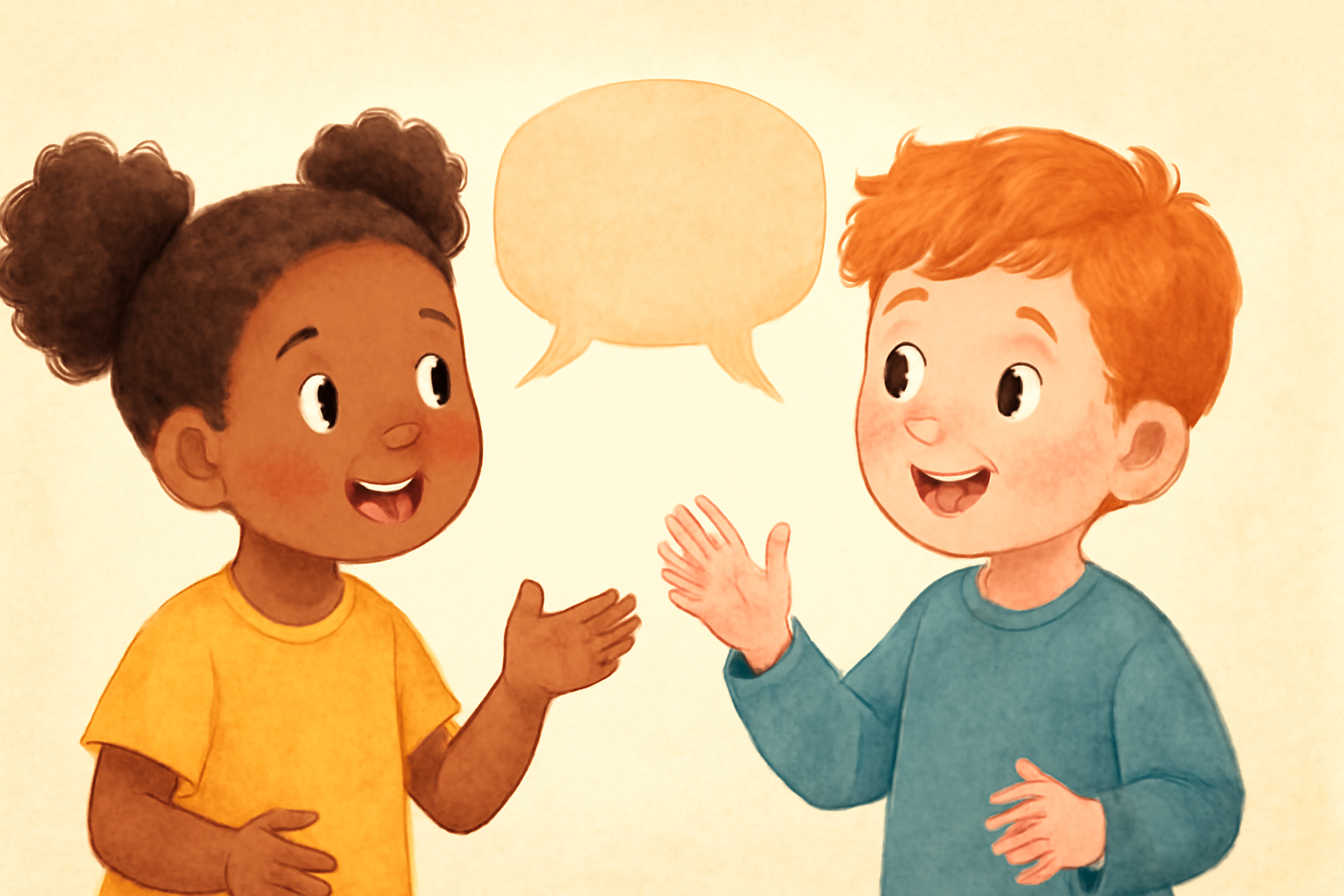
Social communication skills go beyond just talking; they involve the complex process of using verbal and nonverbal language to interact with others. This includes understanding social cues, taking turns in conversation, and interpreting tone of voice. Strong communication skills are the foundation for forming friendships and succeeding in school.
When a child struggles in this area, it can be a sign of underlying communication disorders. These challenges can impact their language development and make social interaction feel overwhelming. Understanding the different components of communication is the first step toward finding the right support.
The Role of Receptive Language in Social Interaction
Understanding receptive language is crucial for effective social interaction. This skill encompasses the ability to comprehend and process verbal and nonverbal cues, allowing individuals to respond appropriately in conversations. Children with strong receptive language skills can effectively decode communication signals, facilitating smoother social exchanges and minimizing communication challenges.
In situations where receptive disorders exist, children may struggle with understanding language or fail to grasp social cues, impeding their social skills development. Professionals in speech pathology Australia often target receptive language during language intervention activities, providing tailored strategies to enhance comprehension skills. By bolstering these abilities, caregivers can support children in navigating complex social environments, ultimately improving their quality of life and fostering meaningful connections.
How Expressive Language Shapes Communication
Expressive language is a crucial component in effective communication, serving as the foundation for conveying thoughts, emotions, and requests. This form of language development encompasses word choice, sentence structure, and overall clarity, essential for meaningful social interaction. Strong expressive language skills enable individuals to articulate their needs and contribute to conversations, fostering connections and promoting understanding with others.
In children, effective expressive language often requires targeted language intervention activities tailored to their specific communication challenges. Speech therapy techniques can address issues like articulation disorders or limited vocabulary, enhancing fluency and overall language abilities. As expressive language evolves, it supports not only social skills but also cognitive communication skills and problem-solving capabilities, ultimately elevating quality of life and enhancing interpersonal relationships across various contexts.
Speech Therapy and Its Importance for Social Skills
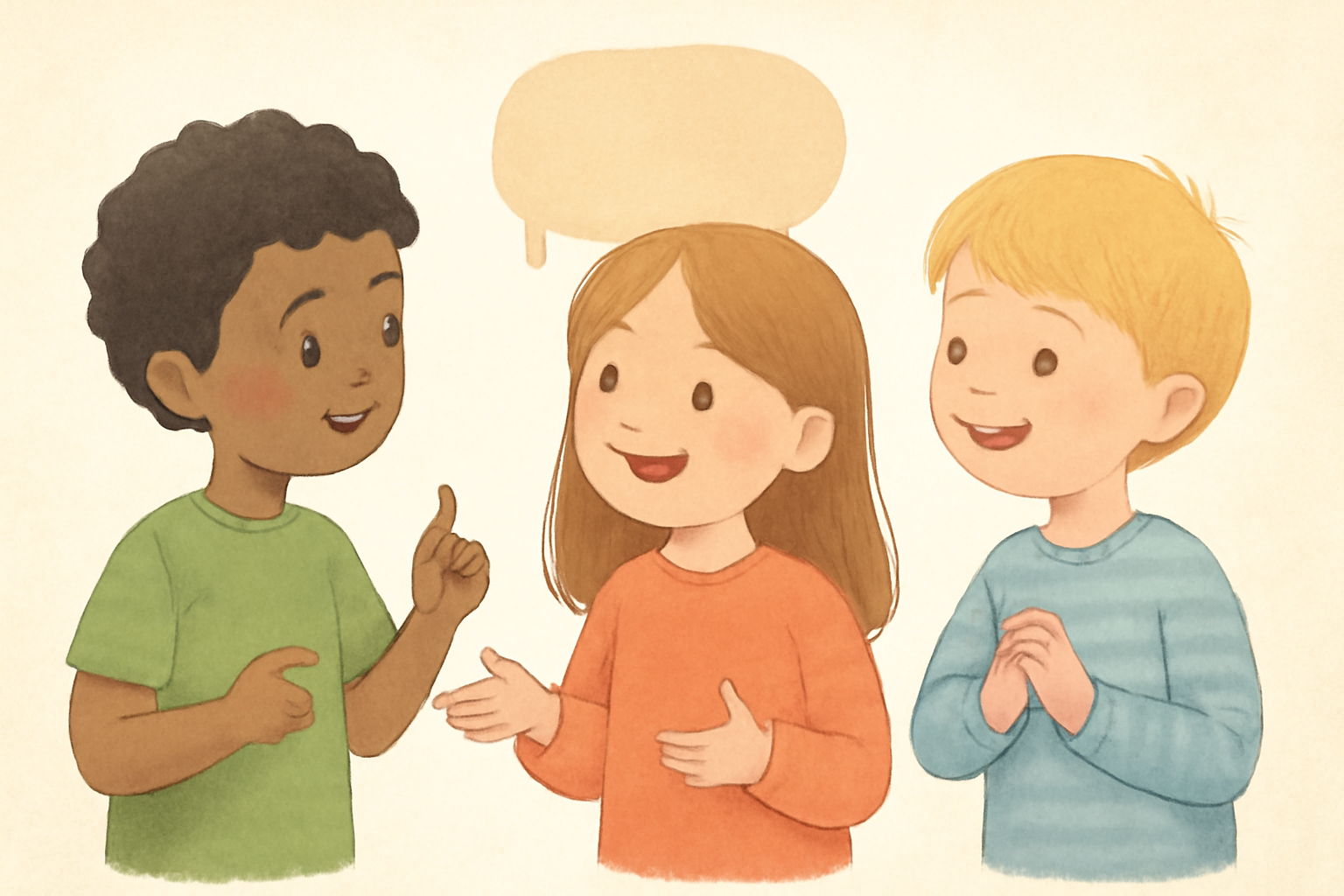
Speech therapy is a specialized treatment provided by speech-language pathologists, or speech therapists, to assess and treat communication disorders. It aims to improve a person’s ability to speak, understand language, and interact socially. This type of language intervention is tailored to each individual's unique challenges.
For children with social communication delays, speech therapy is incredibly important. Therapists create a supportive environment where children can practice conversational skills, learn to read social cues, and build confidence. By improving their core communication abilities, speech therapy directly enhances their social skills and quality of life. The following sections will explain what this therapy involves and who can benefit.
Understanding the Impact of Communication Delays on Social Interaction
Communication delays can significantly hinder social interaction, affecting both verbal and nonverbal communication skills. Children facing such delays may struggle with understanding social cues and expressing their thoughts, thereby impacting relationship-building and peer interactions. These challenges can stem from various underlying conditions, including language disorders and developmental delays. Early intervention is crucial, as addressing these communication problems through tailored therapy can enhance understanding and promote more effective social engagement, ultimately improving quality of life and fostering healthier connections.
The Long-Term Benefits of Enhanced Social Skills Through Therapy
Enhanced social skills foster a variety of long-term benefits that extend beyond immediate interactions. Effective therapy not only addresses communication disorders but also promotes improved cognitive communication and problem-solving abilities. Children and adults alike can experience increased confidence, leading to better engagement in social settings. Over time, enhanced language skills can contribute to greater academic success and overall quality of life. Investing in language interventions today paves the way for successful future interactions in both personal and professional environments.
Common Social Communication Challenges
Many children encounter social communication challenges that can make daily interactions difficult. These issues aren't just about speech problems; they involve the nuances of how we use language to connect with others. This can include trouble starting a conversation, understanding jokes, or recognizing nonverbal cues like facial expressions.
These difficulties can be symptoms of broader communication disorders or language disorders. For a child, this might look like talking over others, not making eye contact, or struggling to follow the back-and-forth of a conversation. Identifying these challenges is the first step toward providing the right support to help them build stronger social communication skills.
Identifying Receptive Language Difficulties
Recognizing receptive language difficulties early can make a huge difference in a child's development. These challenges relate to how a child understands and processes spoken language. When a child has trouble with language comprehension, it can sometimes be mistaken for a behavioral issue or lack of attention.
Some common signs of receptive language difficulties include:
-
Seeming uninterested when others are speaking.
-
Having trouble following simple directions.
-
Possessing a limited vocabulary for their age.
-
Struggling to answer questions appropriately.
These communication difficulties can be linked to various factors, including hearing loss or problems with language processing. If you notice these signs, a formal assessment by a speech therapist can help determine the cause and the best way to provide support. This evaluation is crucial for understanding your child's specific needs.
Recognizing Expressive Language Issues
Expressive language issues involve difficulty conveying thoughts and ideas. A child may know exactly what they want to communicate but struggle to put it into words. This can be a source of significant frustration for both the child and their caregivers.
Look for signs that may point toward an expressive language disorder. These can include:
-
Trouble forming grammatically correct sentences.
-
Using incorrect verb tenses (e.g., "run" instead of "ran").
-
Having a limited vocabulary compared to peers.
-
Difficulty retelling a story or sharing an experience.
These challenges might be part of an articulation disorder or a broader expressive language issue. It's important to remember that these difficulties are not a reflection of a child's intelligence. Recognizing these signs is the first step in seeking an assessment to understand their communication needs and get them the support they require.
How Speech Therapists Assess Social Communication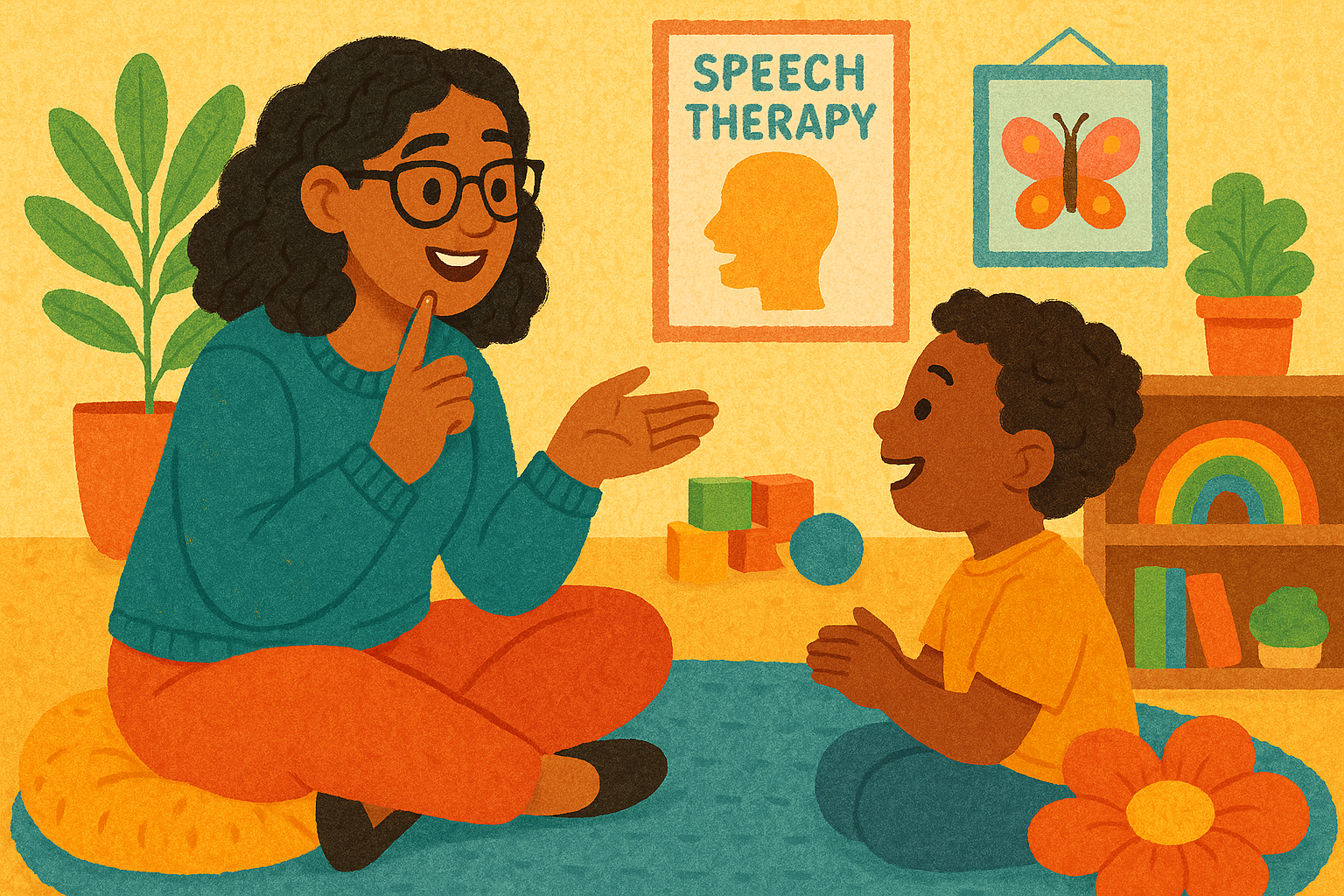
Before any therapy can begin, a speech therapist conducts a thorough assessment. This initial evaluation is essential for understanding a child's unique strengths and challenges in social communication. The goal is to get a complete picture of their language abilities.
Using the information gathered, the therapist can make a communication diagnosis and identify the type of disorder present. This allows them to create a personalized treatment plan that targets the specific areas where the child needs the most support. This careful assessment ensures that the therapy is effective from the very first session. The following sections will detail how these assessments are conducted for different age groups.
Assessment Methods for Children
When assessing a child's social skills, speech therapists use a combination of methods to gather comprehensive information about their language development. The process is often designed to be engaging and low-stress for the child, incorporating play-based activities and observation in natural settings. This approach helps the therapist see how the child communicates spontaneously.
Various tools are used in pediatric speech therapy assessments to get a full understanding of a child's abilities. These methods provide both formal data and real-world insights.
|
Assessment Method |
Description |
|---|---|
|
Standardized Tests |
These formal assessments compare a child's language skills to those of other children in the same age group. |
|
Informal Observation |
The therapist watches the child during play or interaction to see how they use language in a natural context. |
|
Parent/Caregiver Input |
Parents provide valuable history and insights into the child's communication habits at home and in other settings. |
|
Language Sampling |
The therapist records and analyzes a sample of the child's speech to evaluate their vocabulary, grammar, and sentence structure. |
Involving parents and caregivers is a critical part of the assessment. Your input helps the speech therapist understand the child's communication patterns in different environments, leading to a more accurate diagnosis and a more effective therapy plan.
Assessment Approaches for Adults
Evaluating social communication in adults requires a multifaceted approach tailored to individual needs. Speech therapists employ a range of methods, including structured interviews and standardized assessments, to identify specific communication challenges. These tools help assess receptive and expressive language skills, focusing on areas like comprehension and articulation that might be affected by neurological conditions or speech disorders.
Incorporating real-life scenarios into assessments allows therapists to observe how adults navigate social interactions, providing insight into their pragmatic language use. Additionally, analyzing nonverbal communication cues can reveal underlying issues with emotional regulation and social engagement. Such comprehensive assessment practices ensure that interventions are effective and align with each individual's unique communication profile, ultimately enhancing their ability to connect in everyday situations.
Strategies to Improve Social Communication Skills
Once an assessment is complete, speech therapists employ a variety of effective strategies to help children improve their social communication skills. These speech therapy techniques are not one-size-fits-all; they are carefully selected to match the child's specific goals and challenges.
This tailored approach is part of a broader language intervention plan. The aim is to build both foundational language skills and the more complex social skills needed for successful interaction. The following section explores some of the targeted activities used to support both understanding and expression.
Targeted Activities for Receptive and Expressive Language
Speech therapy uses a range of targeted activities to improve both receptive and expressive language. These language intervention activities are designed to be fun and engaging, helping children practice their communication skills in a supportive setting. The goal is to build confidence while strengthening their abilities.
Therapists use different approaches to meet a child's specific communication needs. Some common strategies include:
-
Role-playing conversations to practice taking turns, staying on topic, and reading social cues.
-
Using picture cards and games to build vocabulary and improve comprehension skills.
-
Storytelling and sequencing activities to help children organize their thoughts and form coherent sentences.
-
Playing games that require following multi-step directions to enhance receptive language.
These activities are effective because they address different aspects of communication simultaneously. Whether a child has an expressive language disorder or needs to improve their understanding, these exercises help bridge the gap, leading to clearer and more effective communication skills in their daily life.
Conclusion
In conclusion, enhancing social communication skills in children with delays is a journey that requires patience, understanding, and the right strategies. By recognizing the roles of receptive and expressive language, seeking appropriate speech therapy, and implementing tailored activities, caregivers can significantly improve their child's ability to interact socially. It’s essential to remember that every child progresses at their own pace, and celebrating small victories along the way can make a big difference.
If you're looking for personalized support or have questions about how to best assist your child, don’t hesitate to reach out for a consultation or call daar at 02 9133 2500!. Together, we can pave the way for more confident communication skills.
Frequently Asked Questions
Can speech therapy help with social communication disorders in children?
Yes, absolutely. Speech therapy is highly effective for treating social communication disorders. Speech therapists are trained to help children with developmental delays learn to interpret social cues, engage in conversations, and express themselves appropriately. They use targeted interventions to build the skills needed for successful social interaction.
What strategies do speech therapists use to improve expressive language?
To improve expressive language, speech therapists use a variety of language intervention techniques. These include modeling correct sentence structures, using vocabulary-building games, and practicing storytelling. These strategies help children with language delays learn to form sentences, use grammar correctly, and express their thoughts and needs more clearly.
How is receptive language addressed in speech therapy sessions?
Speech therapy addresses receptive language by focusing on comprehension skills and language processing. Therapists use activities like following multi-step directions, listening to stories and answering questions, and playing games that require understanding. These exercises help children better process and interpret what they hear, meeting their specific communication needs.
.svg)




.svg)