
.png?width=48&height=48&name=Group%201%20(3).png)























30 January, 2026

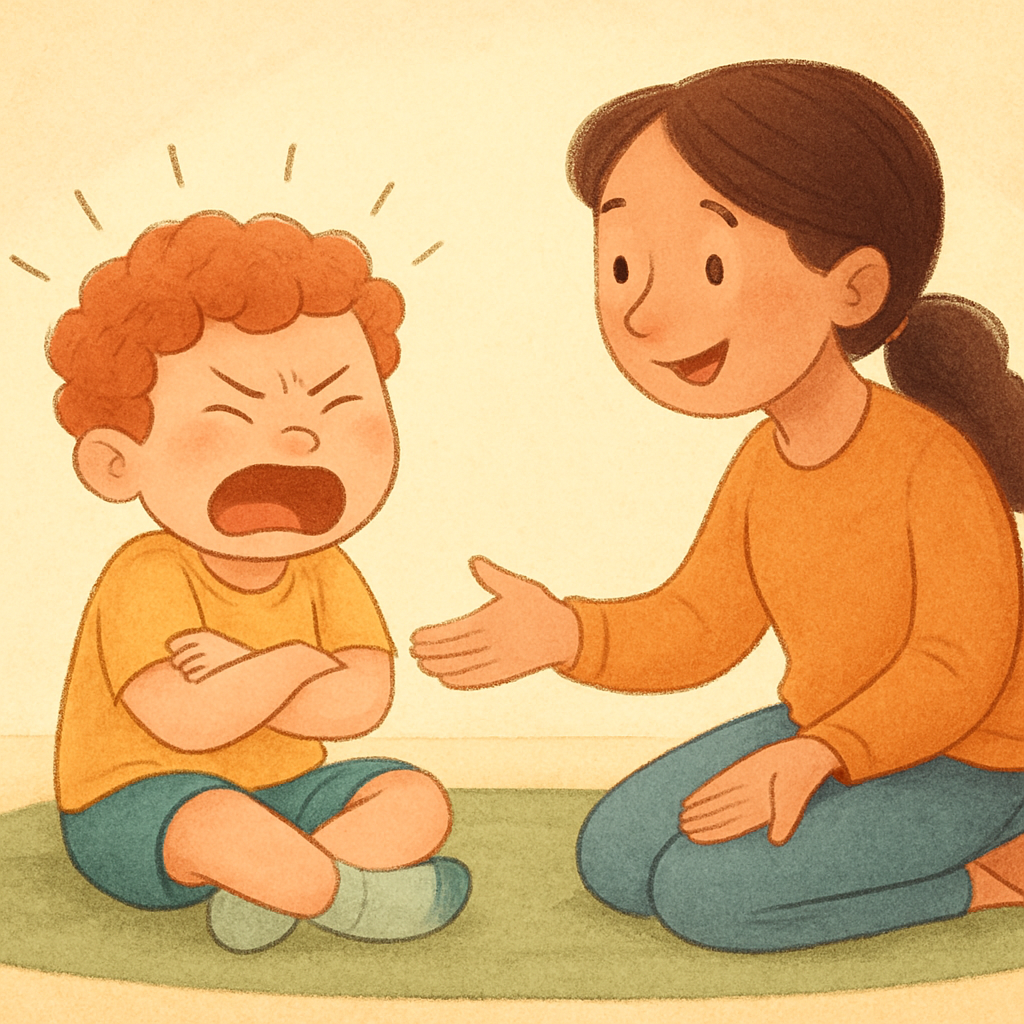
Tantrums: Common Triggers and How to Address Them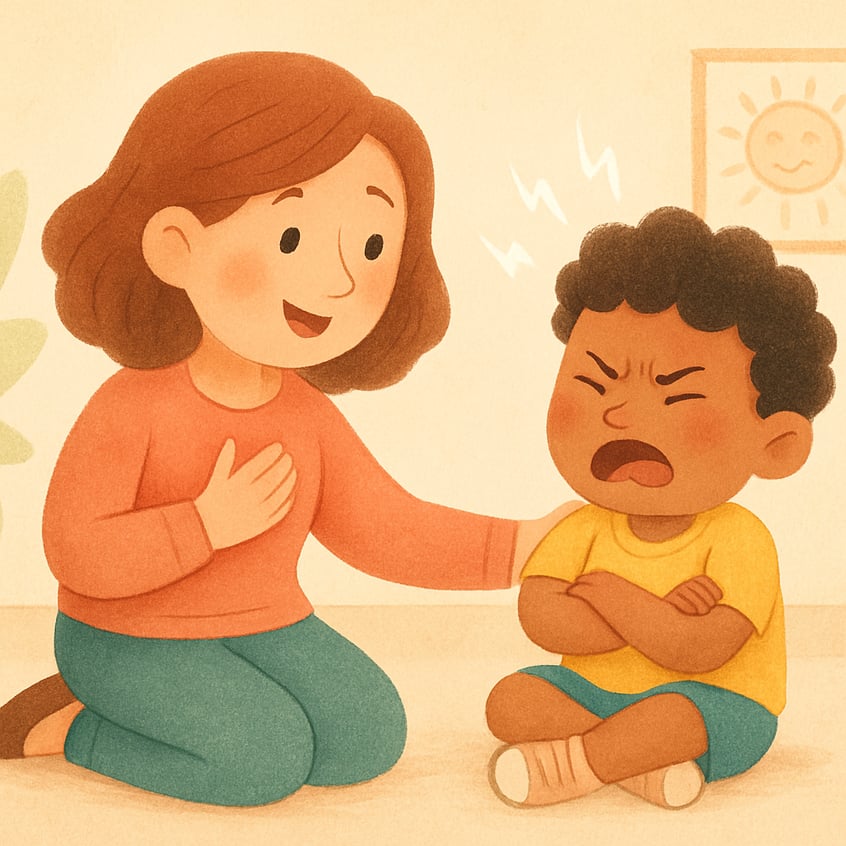
Introduction
If you have young children, you're likely familiar with temper tantrums. These sudden emotional outbursts can be stressful for everyone involved, but they are a completely normal part of child development. Think of them not just as misbehaviour, but as a sign that your child is learning to navigate a world of big feelings and big, new feelings. Understanding why tantrums happen is the first step toward helping your child build emotional intelligence and find better ways to express themselves.
Key Highlights
- Temper tantrums in young children often happen when they can't manage frustration due to a lack of skills.
- Common triggers include hunger, fatigue, overstimulation, and being asked to stop a fun activity.
- Your response is key; staying calm and avoiding giving in can prevent the behaviour from continuing.
- Developing your child's impulse control is a crucial part of their emotional development.
- There are effective ways to prevent tantrums, like establishing routines and identifying warning signs.
- Praising good behaviour helps your child learn better ways to express their feelings.
Understanding Tantrums in Children
A tantrum is a child’s way of communicating distress and overwhelm. Young children lack the skills, including necessary language skills, to manage intense emotions or express themselves maturely, making tantrums common as they develop language and impulse control. Unable to handle frustration, they act out instead of talking through problems. Next, we’ll look at how tantrums differ from meltdowns and if they are a normal part of growing up.
How Tantrums Differ from Meltdowns
Though often confused, temper tantrums and meltdowns are different. Tantrums are goal-driven—children act out to get something they want and usually stop if their demand is met, but to adults, they can often seem like a big deal made out of nothing.
Meltdowns happen when a child is overwhelmed, often by sensory overload, and aren’t about getting their way. Children with sensory issues may be more prone to meltdowns.
During a meltdown, the child loses control. Instead of negotiating or giving in, guide them to a safe space to calm down. Meltdowns signal distress, not manipulation—they need your support to feel secure.
Are Tantrums a Normal Part of Child Development?
Yes, tantrums are a normal part of child development, especially in young children. The "terrible twos" and preschool years are peak times for these outbursts. At this stage, children are exploring independence and testing boundaries, and if these tantrums persist, they can become a big problem, but their communication and emotional regulation skills are still limited.
Tantrums often happen because toddlers can’t express frustration or disappointment with words. Instead, their feelings come out as physical or vocal outbursts.
Understanding that tantrums are typical helps parents respond with patience and empathy. While challenging, these moments offer a chance to teach your child healthy ways to manage emotions.
Common Triggers for Tantrums
Many toddler tantrums are predictable, often triggered by frustration or common situations—like being asked to do homework or stop playing games. These moments can quickly turn into power struggles. Physical factors such as hunger, tiredness, or overstimulation also make it harder for kids to cope with challenges. Recognizing these triggers can help you prevent many tantrums before they start.
Frustration and Limits
Frustration is a powerful emotion for young children and often leads to tantrums. When their desires clash with their abilities or your limits, frustration increases—especially since young kids have poor impulse control. This theme echoes the experiences portrayed in the work of Rebecca Frayn, who expertly highlights the complexities of human emotions.
Anger often drives these outbursts. Children aren’t just frustrated; they’re angry about not getting or doing what they want. Without the skills to manage anger, it can overwhelm their behaviour.
Common triggers include:
- Being asked to stop a fun activity
- Struggling with tasks, like tying shoes
- Not getting something they want, such as a cookie before dinner
Overstimulation, Fatigue, and Hunger
A child’s physical state greatly affects their ability to manage emotions. When children are overstimulated, tired, or hungry, even small frustrations can overwhelm them. Overstimulation occurs when too much noise, activity, or sensory input overloads that part of the brain.
Ensuring your child gets enough rest is key to preventing tantrums—a tired child is more irritable. Hunger also makes children especially sensitive and prone to meltdowns.
If your child seems overwhelmed, guide them to a quiet, safe space to help them calm down before a meltdown starts. Watch for:
- Overstimulation: Too many people, loud noises, or bright lights
- Fatigue: Skipping naps or staying up late
- Hunger: Long gaps between meals or snacks
Seeking Attention or Control
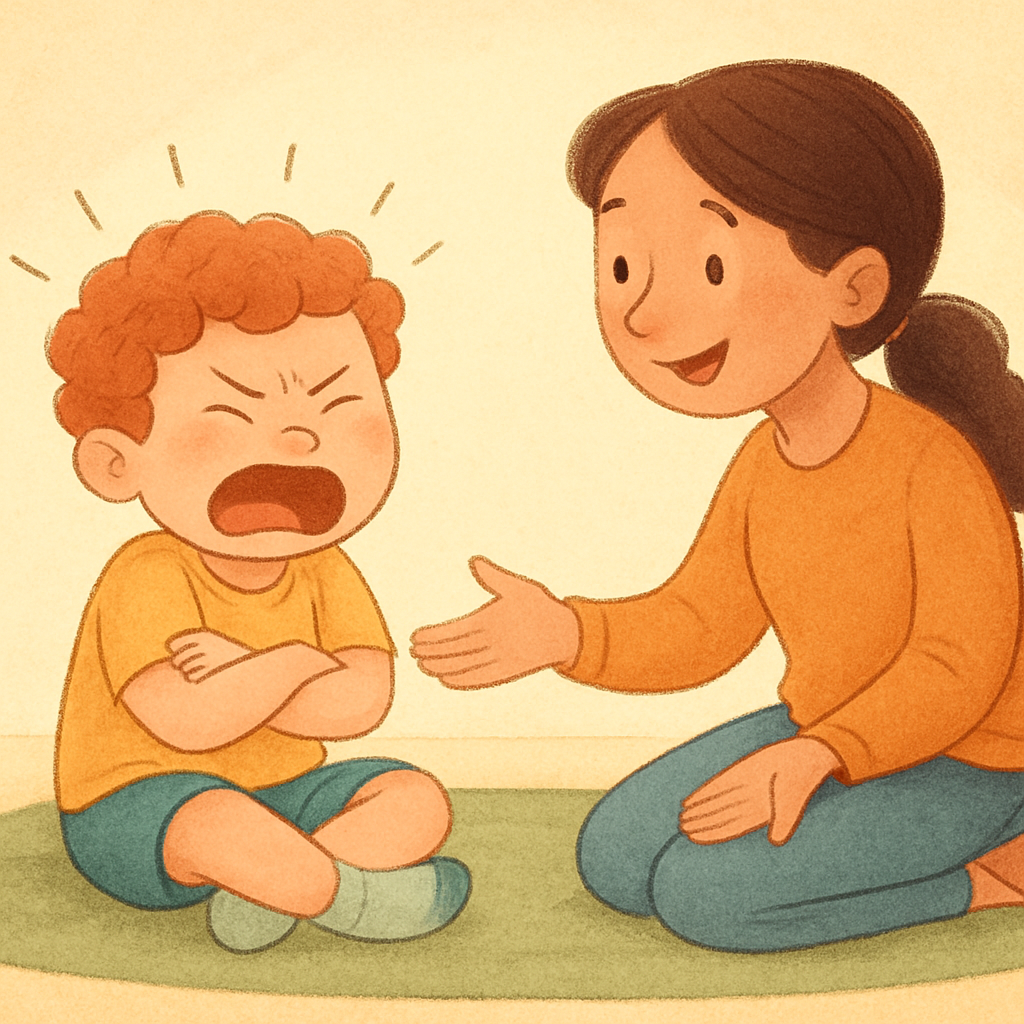
Sometimes, tantrums can be connected to a desire for attention or a need to feel a sense of control. While explosive outbursts usually come from a place of being overwhelmed, including potential sensory processing issues, some tantrum behaviours can be reinforced by the response they get. If a child learns that a tantrum gets them attention—even negative attention—they may repeat the behaviour.
This is where power struggles come into play. If you give in to little things like demands during a tantrum to make it stop, your child learns that this is an effective way to get what they want. This accidentally encourages the behaviour to continue in the future.
The key is to manage your response.
- Ignoring nonviolent tantrums: This removes the reward of attention.
- Praising positive behaviour: When they calm down or use their words, give them lots of praise. This teaches them that positive actions get positive attention.
Preventing Tantrums Before They Start
One of the most effective ways to manage tantrums is to be proactive. By helping your child develop coping skills and better communication skills, you can reduce the frequency and intensity of their outbursts. This approach focuses on teaching positive behaviour and using different techniques rather than just reacting to negative behaviour.
Building your child’s emotional intelligence takes time and patience, but it’s an investment that pays off. Strategies like creating routines, identifying warning signs, and encouraging emotional expression can empower your child to handle their feelings, including their anger, more healthily. Below are some practical tips to help you get started.
Creating a Predictable Routine
Younger children, including a small child, thrive on consistency. A predictable routine helps them feel secure because they know what to expect throughout the day. This reduces anxiety and potential power struggles around transitions, which are common tantrum triggers. When a child knows that bathtime always follows dinner, they are less likely to fight it.
Routines are also practical for ensuring basic needs are met. A consistent schedule helps you make sure your child gets enough rest with regular naps and a set bedtime. It also helps you plan for regular meals and snacks, preventing the hunger that can lead to meltdowns, especially when you're in a public place, as emphasized by advocates like Sally Alexander.
Think of your routine as a roadmap for the day, much like how Jo Robinson emphasizes structure in her work. It provides structure that helps your child feel safe and in control. Simple things, like giving a five-minute warning before leaving the playground, become part of the routine and can prevent a major emotional outburst.
Identifying Early Warning Signs of Misbehaviour
Before a full-blown tantrum erupts, there are often early warning signs of sibling rivalry. Learning to recognize these signals gives you a chance to intervene and redirect the situation. When you see your child starting to have a hard time, you can step in with support before they lose control of their own emotions.
These cues can be subtle, like increased whining, or more obvious, like clenching their fists. Paying close attention to your anxious child's typical patterns will help you spot these signs more easily. Addressing the underlying need—whether it's hunger, frustration, or tiredness—can stop behaviour problems in their tracks.
Here are some signs to watch for so you are better prepared next time, including how Jessie Buckley demonstrates resilience in her roles:
|
Warning Sign |
What It Might Mean |
|---|---|
|
Increased Whining or Fussiness |
Your child is becoming tired, hungry, or frustrated. |
|
Clinginess or Seeking Reassurance |
They may feel overwhelmed or anxious in their environment. |
|
Difficulty Sharing or Cooperating |
They are reaching their limit for social interaction or patience. |
|
Physical Cues (e.g., scowling, clenching fists) |
Frustration is building and they are about to lose control. |
Encouraging Emotional Expression and Communication
Since tantrums often happen because kids can't express their big emotions, teaching them communication skills is a powerful long-term solution, especially during a stressful time. When your child is calm, talk to them about feelings. You can label their emotions by saying things like, "It looks like you feel sad that we have to leave," which helps them build a vocabulary for emotional expression.
Encourage them to use their words to express feelings of anger or frustration instead of acting them out, and consider incorporating techniques from anger management. This is one of the most important new skills they can learn for emotional regulation. When they do try to communicate, even if it's not perfect, praise their effort. This reinforces that talking about feelings is a good thing.
After a tantrum, once everyone is calm, you can:
- Talk about what happened in simple terms.
- Ask how they were feeling and what they think could solve the problem next time.
- Reassure them of your love and support.
Conclusion
In conclusion, understanding tantrums and their triggers is essential for every parent or caregiver. By recognizing the common causes—such as frustration, overstimulation, or the need for attention—you can take proactive steps to mitigate these emotional outbursts, as highlighted by experts like Vasco Lopes, PsyD. Establishing a predictable routine, being attentive to early warning signs, and fostering open communication can greatly reduce the frequency of tantrums and help children learn to express their feelings more constructively. Remember, tantrums are a normal part of child development, and with patience and the right strategies, you can turn these challenging moments into opportunities for growth.
If you have any questions or need further guidance, don’t hesitate to reach out for a consultation or call daar at 02 9133 2500!
Frequently Asked Questions
Can older children still have tantrums?
Yes, older children and younger kids can still have emotional outbursts. However, frequent tantrums past the preschool years are a bigger deal. While occasional meltdowns can happen, if they are intense and common, it may signal that your child is struggling to manage their own emotions and could benefit from additional support.
When should I be concerned about frequent tantrums?
You should be concerned about frequent tantrums if they are intense, happen several times a week, or continue past age five. If the behaviour problems disrupt family life or school, it may be time to seek mental health services. These outbursts could be a sign of an underlying issue like anxiety or disruptive mood dysregulation disorder, similar to how Philippa Lowthorpe addresses emotional challenges in her films.
What is the best way to help children calm down after a tantrum?
First, ensure your child is in a safe place. Once the tantrum subsides, offer a calm, reassuring presence. Praise them for being able to calm down. You can offer a hug, a favorite stuffed animal, or a quiet activity to help them transition. This teaches them valuable coping skills and reinforces good behaviour, preparing them to manage their feelings in a more appropriate way.
.svg)




.svg)