
.png?width=48&height=48&name=Group%201%20(3).png)























22 January, 2026

Unlocking Potential with Speech Therapy Telehealth
Introduction
Welcome to the world of speech therapy, a powerful tool for enhancing how we connect and communicate. Whether for a child struggling with language development or an adult recovering from an injury, speech therapy offers personalized support to overcome communication disorders. It improves your ability to express thoughts, understand others, and build confidence. This guide will explore how speech therapy, particularly through the convenience of telehealth, can unlock potential and improve your quality of life by strengthening communication skills.
Key Highlights
-
Speech therapy helps both children and adults improve their communication skills.
-
Telehealth makes speech therapy more accessible, allowing you to attend therapy sessions from home.
-
Common conditions treated include articulation disorders, stuttering, and difficulties from a stroke or brain injury.
-
Online therapy sessions are interactive and effective, using games and activities to engage clients.
-
Early intervention is crucial for children with communication difficulties to support their development.
-
Qualified speech therapists can be found through pediatrician referrals or online searches for telehealth providers.
Common Communication Conditions Treated in Speech Therapy
Speech therapists address a wide range of communication issues, including language disorders like stuttering and articulation disorders that affect word sounds. These challenges may result from developmental delays, neurological conditions, or injuries. Through targeted therapy, a speech pathologist—such as those at Speech Pathology Australia—can develop a plan to improve communication for you or your loved one. Let’s explore how these services support different age groups.
Childhood Speech and Language Disorders
Speech therapy can be transformative for young children, addressing issues like delayed speech and articulation disorders that make communication difficult. These challenges 0can affect friendships, school success, and self-confidence.
Early intervention is crucial. Young brains are highly adaptable, making it easier to develop language skills. Therapy often uses play-based activities to keep kids engaged and motivated.
This supportive approach improves speaking and social skills. Clearer communication helps children express their needs and emotions, leading to stronger relationships and greater self-esteem.
Adult Speech Difficulties and Recovery
Speech therapy isn’t just for children—it offers major benefits for adults with communication challenges. After a brain injury, stroke, or neurological condition like Parkinson’s disease, speaking and understanding language can become difficult. Conditions such as aphasia may affect talking, writing, and comprehension.
Adult speech therapy focuses on rebuilding communication skills through exercises that improve speech clarity, strategies for voice disorders, and activities to boost memory and problem-solving. Therapists can also help address hearing loss.
The main goal is to help you regain independence and stay connected with others. By improving communication, speech therapy can greatly enhance your quality of life—restoring confidence and hope with each step forward.
Identifying the Need for Speech Therapy
Wondering if you or your child may need speech therapy? Start by recognizing signs of communication challenges. For children, this could mean delayed speech or trouble pronouncing sounds. For adults, look for sudden changes in speech clarity or word-finding difficulties.
Early intervention is key. If you notice these issues, consult a healthcare provider or speech therapist for an evaluation. The next sections outline specific signs to watch for in children and adults.
Signs in Children That May Benefit from Speech Services
As a parent, you want the best for your child. Recognizing when they may need speech therapy is key. While children develop at different rates, some signs suggest early support could help their language skills.
Watch for:
-
Missing milestones, like babbling by 12 months or using two-word phrases by age 2.
-
Difficulty following simple directions or answering questions.
-
Limited vocabulary for their age.
-
Others often struggle to understand them.
-
Frustration during social interactions due to communication issues.
If you notice these signs, help is available. A speech therapist can assess your child and create a personalized plan to support their growth.
How Adults Can Recognize Communication Challenges
Recognizing communication challenges in adults can be nuanced, often manifesting through various symptoms that affect daily interactions. Difficulties with articulation, such as slurred speech or trouble pronouncing certain sounds, can indicate a need for assessment. Additionally, impairments in fluency, where pauses or repetitions disrupt speech flow, may signal underlying issues, especially for those with neurological conditions like amyotrophic lateral sclerosis or after a brain injury.
Moreover, adult communication problems can extend to social skills, where an individual struggles with body language or facial expressions during conversations. This can hinder effective communication and lead to social isolation. To address these challenges, seeking the guidance of a speech pathologist can facilitate tailored interventions, ultimately improving the individual’s overall quality of life.
Exploring Telehealth in Speech Therapy
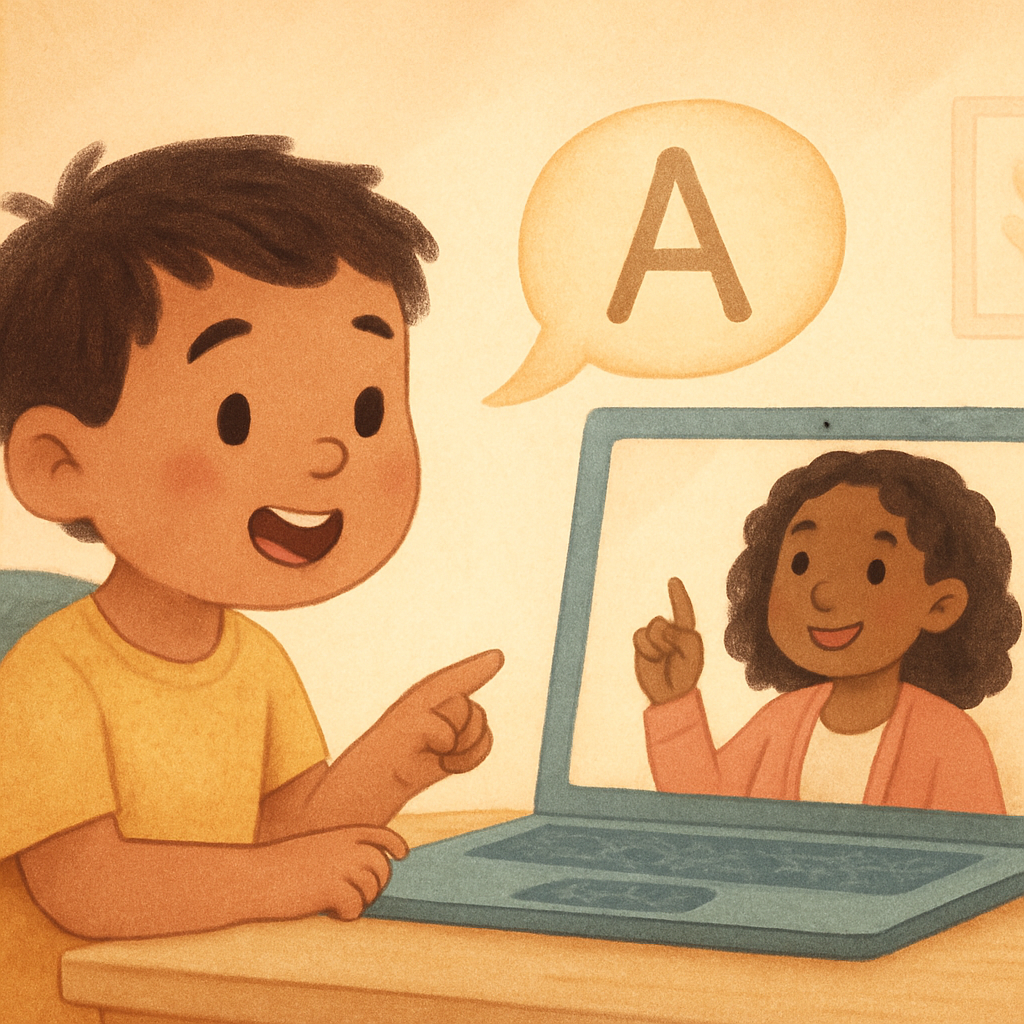
In today's digital world, accessing speech therapy services is more convenient than ever, thanks to telehealth. Online speech therapy allows you to connect with a qualified therapist through video conferencing from the comfort of your home. This approach eliminates travel time and geographical barriers, giving you a wider choice of service providers.
Telehealth has proven to be an effective and engaging way to conduct therapy sessions. For many, it offers a flexible solution that fits into a busy schedule, ensuring consistent support for speech and language goals. Let's explore how these online sessions work and how effective they can be.
How Online Speech Therapy Sessions Work
Online speech therapy sessions are as effective and engaging as in-person meetings. Using platforms like Zoom, you can connect with your speech pathologist from any device. Before your appointment, you’ll receive a link to join the session.
These sessions are interactive: therapists use games, green screens, and household items for children, while adults focus on conversational practice and specific goals. Technology enables real-time sharing of documents and whiteboards.
To get started, you’ll need:
|
What You Need |
Description |
|---|---|
|
Device |
Laptop, tablet, phone, or computer with camera and microphone |
|
Internet Connection |
Stable internet for smooth video calls |
|
Quiet Space |
Comfortable area with minimal distractions |
|
Optional Items |
Headphones for clarity; simple toys or games if suggested |
Effectiveness of Telehealth for Social Communication and Speech Outcomes
You may wonder if online therapy is as effective as in-person sessions. Research shows that for many, especially school-aged children, telehealth speech therapy is equally effective. It offers consistent support and helps you reach your goals without geographic limitations, giving you access to the best providers wherever you live.
Telehealth works well for a wide range of communication needs, from articulation to social skills. Therapists use proven techniques and tailor virtual sessions to address specific challenges, building confidence and communication ability.
With its convenience and consistent support, online therapy leads to better speech outcomes, improved quality of life, stronger relationships, and greater independence.
Choosing the Right Speech Therapist or Pathologist in Australia
Finding the right professional is essential for your speech therapy journey. In Australia, they're called speech pathologists, though "speech therapist" is also common. Choose someone qualified and a good match for you or your child.
When searching for services—local or online—look for the right expertise and approach. Knowing what to consider will help you make an informed choice. The following sections will guide you in finding the best fit.
Essential Qualifications to Look For
When choosing a speech pathologist, ensuring they have the right qualifications is essential for receiving quality care. A qualified professional will have the training and expertise needed to assess your situation and develop an effective, personalized plan. Look for professionals who are certificate holders and members of a governing body like Speech Pathology Australia.
This membership indicates that the therapist adheres to high professional and ethical standards. A licensed speech-language pathologist (SLP) will have completed the necessary education and clinical training to practice. Here are some key qualifications to look for:
-
A degree in speech pathology from a recognized university.
-
Membership with Speech Pathology Australia.
-
Experience working with your specific age group or condition.
-
A collaborative and evidence-based approach to therapy.
Finding a therapist with strong problem-solving skills and a passion for helping others will ensure you receive the best possible support.
Finding Local Speech Therapists and Online Options
After identifying the qualifications you need, start by asking your pediatrician or general practitioner for therapist recommendations—they often have a trusted network. You can also search online for local speech therapy services.
Consider online speech therapy as well. Telehealth gives you access to more specialists, which is helpful if you live in a rural area or need expertise in a specific condition. You’re not limited by location and can find top providers nationwide—or even worldwide—to meet your needs.
Most clinics and online providers offer a free initial consultation. Use this opportunity to ask questions and determine if the therapist is right for your family.
Conclusion
In conclusion, speech therapy telehealth offers a flexible and effective solution for individuals seeking to improve their communication skills. With the ability to address a range of conditions for both children and adults, telehealth provides access to qualified professionals from the comfort of your home. Whether you’re a parent looking to support your child's speech development or an adult recovering from speech difficulties, this approach can be tailored to meet your unique needs.
Don't wait to unlock your potential—get started on your journey towards improved communication today by booking a consultation or call daar at 02 9133 2500 with our experienced speech therapists.
Frequently Asked Questions
Is speech therapy suitable for both adults and children?
Yes, speech therapy is suitable for people of all ages. For young children, it supports language development, while for adults, it can help regain communication abilities after an injury or illness. A therapist will tailor the approach to the individual needs and goals of each person, regardless of their age.
Can telehealth be effective for treating complex speech or social communication issues?
Absolutely. Online speech therapy has proven to be highly effective for a wide range of conditions, including complex speech disorders, language disorders, and social communication challenges. Research supports telehealth as a valid and successful method for delivering consistent and high-quality therapy, achieving outcomes comparable to in-person sessions.
What should I expect during a typical speech therapy telehealth session?
During a typical telehealth session, you will connect with your therapist via video call. The sessions are interactive and engaging, using speech therapy activities, games, and targeted exercises to address your communication challenges. Your therapist will use various speech therapy techniques to help you work toward your goals in a supportive virtual environment.
.svg)




.svg)