
.png?width=48&height=48&name=Group%201%20(3).png)























17 April, 2026

Understanding Melatonin and Kids Sleep: A Parent's Guide
Introduction
For Australian families navigating the often-complex world of paediatric allied health, daily life can feel like a relentless marathon of speech pathology appointments, occupational therapy sessions, and behavioural interventions. In the midst of implementing communication strategies and managing sensory needs, one foundational pillar of a child's development is frequently overlooked: restorative sleep. The relationship between child melatonin and kids sleep is one of the most critical biological intersections for a growing child. Melatonin, widely known as the "sleep hormone," plays a profoundly crucial role in helping children peacefully fall asleep and maintain a healthy, uninterrupted sleep cycle throughout the night. When considering melatonin use, parents need to consult a healthcare provider, as the recommended dosage of melatonin for children typically ranges from 0.5 mg to 1 mg taken 30 to 60 minutes before bedtime. Dosages may vary based on individual needs and age, and larger doses do not necessarily improve effectiveness. Always seek medical advice before starting melatonin supplementation for a child.
For children—and especially those in this age group presenting with behavioural challenges, speech and language delays, or neurodivergent profiles such as Autism Spectrum Disorder (ASD) and Attention Deficit Hyperactivity Disorder (ADHD)—maintaining balanced melatonin levels is essential. A well-rested brain is the primary prerequisite for improving sleep quality, sustaining daytime focus, and achieving the emotional regulation required to actively engage in therapy and daily learning. When a child's sleep architecture is fractured, every other developmental milestone becomes exponentially harder to reach.
In this highly comprehensive guide tailored to families seeking behaviour and speech support, we will explore the intricate biology of how melatonin works, identify the hidden environmental disruptors stunting its production in modern homes, unpack the profound connection between sleep issues and communication skills, and provide you with actionable, natural strategies to foster brilliant sleep habits for your child.
What Is Melatonin and How Does It Work in the Body?
To truly appreciate the importance of sleep hygiene, parents must first understand the fascinating biological mechanics of the human brain. Melatonin is a naturally occurring hormone produced by the pineal gland, a tiny, pea-sized structure located deep within the brain. Some individuals may use extra melatonin to enhance sleep quality. Its primary function is to serve as the body's internal timekeeper, intricately regulating the natural sleep-wake cycle, which scientists refer to as the circadian rhythm.
The production and natural release of melatonin are directly dictated by light and darkness. During the day, when the Australian sun is bright, the optic nerve senses the light and sends a direct message to the brain to completely halt melatonin production. This keeps the child alert, energetic, and biologically awake. However, as the sun begins to set and the environment grows dark, the brain registers the fading light as a biological cue. The pineal gland slowly begins to synthesize and release melatonin directly into the bloodstream.
As melatonin levels gradually rise in the evening, the child's core body temperature drops slightly, their muscles begin to relax, and their nervous system transitions from a state of active engagement to a state of calm "rest and digest." It is incredibly important to note that melatonin is not a traditional sedative; it does not forcefully "knock a child out." Rather, it acts as a biological signal, gently telling the body that it is time to power down. However, if there are concerns about melatonin ingestion or an overdose, it is wise to contact a Poison Control Center for advice and assistance, gracefully preparing the physical architecture of the brain for restorative sleep.
Why Melatonin Is Important for Kids’ Sleep and Development
Understanding the relationship between melatonin and kids' sleep is particularly vital for families managing speech and behavioural support. When a child's circadian rhythm is properly aligned, we take a closer look at the cascade of developmental benefits, which is truly remarkable.
1. Helps Children Fall Asleep Faster and Reduces Bedtime Anxiety
When melatonin naturally and optimally increases in the evening, it flawlessly prepares the body for rest, making it significantly easier for children to fall asleep. This process reduces what sleep specialists call 'sleep latency'—the frustrating amount of time it takes to transition from turning the lights out to actually falling asleep. For children with sensory processing differences or behavioural challenges, the transition to bed can often trigger severe anxiety or hyperactivity. Adequate melatonin acts as a neurological blanket, naturally soothing the central nervous system and preventing the dreaded two-hour bedtime battles that exhaust both the child and their parents, warranting careful consideration by parents.
2. Supports Drastically Better Sleep Quality and Neurological Repair
Melatonin does much more than simply initiate sleep; it helps anchor the child in a state of rest for the entire night. Healthy, sustained melatonin levels help children stay entirely asleep longer, allowing them to cycle properly through both Rapid Eye Movement (REM) sleep and deep Slow-Wave sleep. Deep sleep is the critical phase where the brain triggers physical healing, strengthens the immune system, and clears out accumulated metabolic neurotoxins. When melatonin levels are prematurely disrupted, a child experiences highly fragmented sleep, waking up repeatedly, and missing out on the profound neurological recovery required for healthy childhood development. It is important to consult a healthcare professional regarding any concerns about melatonin levels.
3. Radically Impacts Behaviour and Emotional Regulation
There is a direct, undeniable physiological link between poor sleep and severe behavioural dysregulation in children with neurodevelopmental disorders. Good sleep strongly supports the prefrontal cortex, which is the area of the brain strictly responsible for impulse control, logical reasoning, and emotional regulation. When melatonin production is disrupted, and a child is chronically sleep-deprived, the brain's emotional centre (the amygdala) becomes hyper-reactive. For children already requiring behavioural support, a lack of restorative sleep drastically amplifies daily tantrums, increases aggressive outbursts, and completely depletes their capacity to handle minor changes in their daily routine.
4. Enhances Speech Therapy, Communication, and Learning Outcomes
For families actively working on cognitive behavioral therapy and speech pathology goals, sleep is the secret weapon to success. Sleep is the precise biological window when the brain consolidates new vocabulary, processes language rules, and structurally builds new neural pathways. If a child learns a new alternative communication method or practices speech articulation during a daytime therapy session, it is only during deep, melatonin-supported sleep that those lessons are permanently committed to memory. A fatigued child will naturally struggle with word retrieval, display frustration when trying to communicate, and lack the essential cognitive stamina required to engage effectively with their speech therapist.
The Connection Between Neurodiversity and Melatonin Deficiencies
It is highly relevant for Australian families utilising allied health services to know that children with neurodivergent profiles often experience natural biological challenges with melatonin. Clinical research indicates that a significant percentage of children diagnosed with Autism Spectrum Disorder (ASD) or Attention Deficit Hyperactivity Disorder (ADHD) in the United States may possess genetic variations that naturally delay or reduce the pineal gland's ability to produce melatonin.
For these children, their internal body clock might functionally behave as if they are in a completely different time zone, leading to extreme difficulty winding down at night. Because their baseline melatonin production may already be compromised, it becomes exceptionally critical for parents to strictly eliminate any environmental factors that could further disrupt the reach of children from this fragile sleep hormone.
What Disrupts Melatonin Production in Children?
In our modern, fast-paced world, many everyday conveniences actively wage war against a child's natural sleep-wake cycle. Identifying and eliminating these biological disruptors is the first major step in reclaiming your child's highly valuable hours of sleep.
Severe Screen Exposure Before Bedtime (The Blue Light Effect)
The single biggest threat to a child's melatonin production is the artificial blue light emitted by smartphones, tablets, illuminated e-readers, and televisions. This specific wavelength of light perfectly mimics bright midday sunlight. When a child stares at a screen in the hours leading up to bed, the blue light travels through their optic nerve and completely tricks the brain into believing it is still daytime, causing the pineal gland to instantly halt all melatonin production, leading to potential incidents of pediatric melatonin ingestions.
Highly Irregular Sleep and Wake Schedules
The human brain thrives on strict predictability. If a child's bedtime wildly fluctuates—going to sleep at 7:30 PM on a Tuesday and 10:00 PM on a Friday, their sleep schedule becomes deeply confused. Without a consistent, reliable schedule, the brain does not know when to begin synthesizing evening melatonin, often leading to a 'tired but wired' state where the child is physically exhausted but neurologically incapable of relaxing.
Bright Artificial Lights Inside the Home at Night
It is not just screens that cause problems; the ambient lighting in modern Australian homes can severely delay sleep onset. Bright, cool-toned LED ceiling lights, strongly illuminated bathroom mirrors during the tooth-brushing routine, and brightly lit hallways aggressively suppress the body's natural cue to transition into nighttime mode, leading to an increased interest in the use of melatonin supplements for better sleep.
Chronic Stress, Anxiety, and Sensory Overstimulation
Cortisol, the body's primary stress hormone, is the biological arch-nemesis of melatonin. When cortisol is high, melatonin drops. If a child experiences a highly stressful evening, engages in high-stimulation rough-and-tumble play right before bed, or becomes anxious about the coming school day, their elevated cortisol levels will actively prevent the release of sleep hormones, keeping their nervous system trapped in a state of hyper-arousal, potentially leading to a greater risk of side effects of melatonin use.
Lack of a Predictable, Calming Bedtime Routine
Children—especially those with speech and language needs—rely heavily on environmental cues to understand what is happening next. A chaotic, rushed, or constantly changing evening routine fails to provide the necessary psychological and physical signals that the day is concluding. Without a structured wind-down period, the brain does not receive the gentle runway it needs to begin the internal melatonin production process, which is particularly important for those with sleep disorders.
Natural Ways to Support Melatonin in Children
Fortunately, the human body is incredibly responsive to environmental changes. By acting as the architect of your healthy children's evening environment, you can naturally and powerfully boost their melatonin levels without relying immediately on medical interventions.
Establish a Fiercely Consistent Bedtime Routine
Create a deeply predictable 45-minute wind-down sequence that happens in the same order every single night. For children with speech delays or autism, using a visual schedule (a chart with pictures showing a bath, pajamas, a book, and bed) provides immense comfort and drastically lowers transition anxiety. This rigorous consistency biologically trains the brain to begin releasing melatonin—similar to how it responds to prescription medications—the moment the first step of the routine begins.
Turn Off All Screens at Least 1 to 2 Hours Before Bed
Implement a strict, non-negotiable household digital curfew. All tablets, televisions, and smartphones must be completely powered down at least 60 to 120 minutes before your child's designated bedtime. Replace this high-stimulation digital time with calming, tactile activities such as drawing, building with soft blocks, reading physical paperback books, or considering a dose of 1 mg of melatonin by listening to quiet, soothing audiobooks.
Drastically Dim the Lights in the Evening
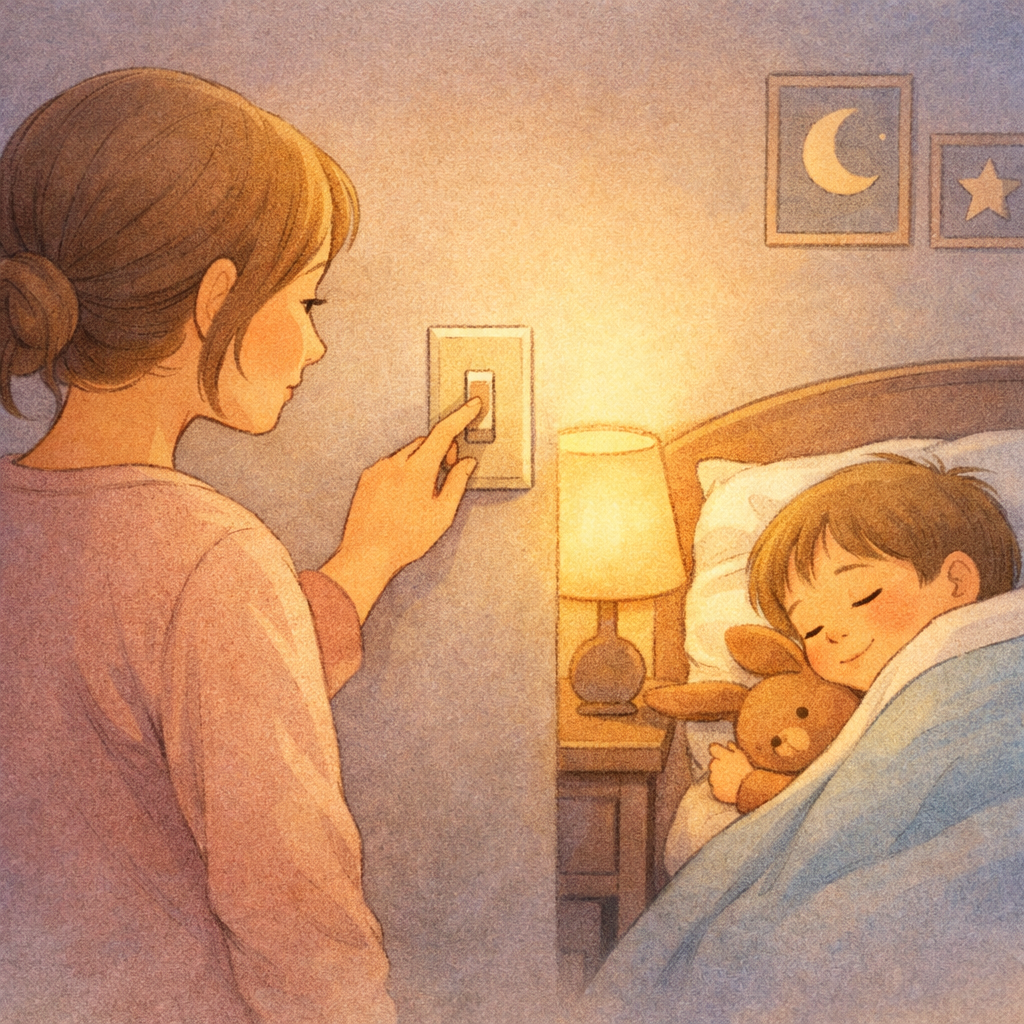
Actively replicate the environmental setting of a natural sunset inside your home. About an hour before bedtime, turn off harsh overhead ceiling lights and switch entirely to utilizing soft, warm-toned table lamps. When your child goes to the bathroom to bathe and brush their teeth, use a dim nightlight rather than the bright vanity mirrors. This darkness strongly signals the pineal gland that it is safe to flood the bloodstream with melatonin, especially if you consider a small dose of melatonin for optimal results.
Encourage Vigorous Outdoor Play During the Day
Melatonin production at night is heavily dependent on adequate sunlight exposure during the day. Ensure your child spends plenty of time playing outside in the bright Australian sunshine, particularly in the early morning or late afternoon. This natural sunlight brilliantly anchors their circadian rhythm, clearly defining the strict biological difference between daytime alertness and nighttime rest, making melatonin gummies a potential aid for better sleep patterns.
Create a Calm, Quiet, and Sensory-Friendly Sleep Environment
Optimize your child's bedroom to be the ultimate sleep sanctuary. Ensure the room is completely dark by installing high-quality blackout blinds to eliminate disruptive streetlights and early morning sun glare. For children with specific sensory needs, consider introducing a white noise machine to continuously mask sudden household sounds, ensuring the room temperature is kept cool, and utilizing deep-pressure tools like a safely weighted blanket (if recommended by your occupational therapist) to help calm an overactive nervous system.
Understanding Melatonin Supplements in Australia
In many parts of the world, synthetic melatonin is sold over the counter as a simple dietary supplement and as a sleep aid. However, in Australia, the Therapeutic Goods Administration (TGA) strictly regulates melatonin. For children, it is generally only available via a prescription from a general practitioner (GP) or a paediatrician.
While synthetic melatonin can be an incredibly useful and highly effective medical tool—particularly for children diagnosed with ASD or ADHD who suffer from severe chronic sleep-onset insomnia—it is not a substitute for healthy sleep hygiene. Signs of issues, such as a rapid heart rhythm, may indicate the need for caution with melatonin use. Medical professionals strongly advise that establishing robust, natural sleep habits and entirely modifying the bedtime environment should absolutely be the first-line approach before considering pharmacological interventions. Always consult closely with your child's healthcare team to determine the safest and most appropriate sleep strategy for their unique developmental profile.
Protecting your child’s incredibly delicate sleep
Protecting your child’s incredibly delicate sleep architecture is one of the most powerful interventions you can make as a parent. Support your child’s sleep naturally by intentionally building a calming, predictable routine that actively protects their fragile melatonin production and incorporates proper sleep hygiene. Better sleep directly and consistently leads to significantly improved daytime behaviour, vastly stronger communication skills, and a much healthier, happier trajectory for their overall holistic development.
Are you looking for more actionable, expert-backed advice specifically tailored to families navigating allied health and developmental therapies, including melatonin natural health products?
Reach out for a consultation or call daar at 02 9133 2500 for expert guidance tailored to your child’s needs.
Frequently Asked Questions (FAQs)
1. Is a prescribed melatonin supplement considered entirely safe for kids?
Melatonin supplements can be safe and highly effective when used properly under direct medical guidance. In Australia, paediatricians often prescribe it carefully for children with specific neurodevelopmental conditions like Autism or ADHD who genuinely struggle to produce their own sleep hormones. However, it is fundamentally important to remember that relying on natural sleep habits, such as reducing blue light and maintaining strict routines, should always be the very first comprehensive approach before seeking a prescription to avoid the risk of melatonin overdose.
2. At what specific time should natural melatonin levels begin to increase in children?
Biologically, natural melatonin levels typically begin to rise gently in the early evening, shortly after the physical sunset when the environmental light naturally begins to fade. This steady chemical increase acts as a biological warning system, effectively preparing a child's body and central nervous system for sleep, which can help avoid situations that might warrant calls to Poison Control Centers, approximately 60 to 90 minutes before they actually close their eyes.
3. What are the most effective ways I can increase my child’s melatonin naturally to promote better child sleep?
You can powerfully and naturally boost your child's melatonin production by strictly limiting all screen time for at least one to two hours before bed, maintaining a fiercely consistent daily sleep-wake schedule (even heavily enforcing it on weekends), drastically reducing their evening exposure to bright overhead artificial lights, and creating a deeply calming, highly predictable bedtime routine that signals to their brain that the day has definitively concluded.
.svg)




.svg)