
.png?width=48&height=48&name=Group%201%20(3).png)























16 April, 2026

Healthy Sleep Habits for Kids: Boost Attention and Focus

If you are a parent, you have probably experienced the frustration of trying to get your child to focus on their homework, sit still at the dinner table, or simply listen to a multi-step instruction like, "Please put on your shoes and grab your backpack." Sometimes, children seem hopelessly distracted, unfocused, and forgetful, potentially due to a sleep disorder such as restless leg syndrome. While it is easy to blame a lack of discipline or too much screen time, the real culprit is often entirely invisible during the day: a lack of quality sleep.
Healthy sleep habits are essential for a child’s ability to learn, concentrate, and stay focused throughout the day. We often think of sleep as a time when the brain simply shuts off, but in reality, sleep is the ultimate enhancer. When kids get enough high-quality sleep, their brains function much more effectively, improving their attention span, solidifying their memory, and dramatically boosting their overall academic performance, while also reducing the risk of heart disease and promoting physical health later in life.
In this comprehensive guide, we will explore the fascinating science behind how proper sleep affects a child's brain, including the recommended amount of sleep needed, uncover the incredible benefits of a well-rested mind, and provide you with actionable, parent-tested strategies to build healthy sleep habits that will set your child up for daily success.
Why Sleep Is Important for Attention and Focus
To understand why a sleep-deprived child struggles to concentrate, we have to look at what the brain is actually doing overnight. While your child is dreaming, their brain is busily processing information, organizing new memories, and clearing out cellular waste to restore mental energy for the next day. It is important to note the importance of sleep, as issues like night terrors can disrupt this process.
One of the most critical areas of the brain affected by sleep is the prefrontal cortex. This is the region responsible for "executive functions," which include problem-solving, impulse control, logical reasoning, and maintaining sustained attention, all of which are important for a child’s sleep. The prefrontal cortex is highly sensitive to sleep deprivation and can contribute to various chronic conditions. Without enough proper rest, this area of the brain essentially powers down.
When the prefrontal cortex is tired due to a lack of sleep or experiences poor sleep, children struggle to filter out distractions. A child who hasn't slept well cannot ignore the sound of a pencil tapping across the room or resist the urge to jump out of their seat. In fact, chronic sleep deprivation in children often mimics the exact symptoms of Attention Deficit Hyperactivity Disorder (ADHD). Consistent, high-quality sleep acts as a daily recharge for the prefrontal cortex, helping children stay alert, engaged, and ready to learn.
4 Incredible Benefits of Enough Sleep for Kids
When you prioritize your child's sleep and practice good sleep hygiene, you are directly investing in their emotional development, and immune system. Here are the four primary ways that getting enough sleep transforms your child's brain:
1. Improved Attention Span
Focus works like a spotlight: to shine brightly on one thing, you have to keep the rest of the room in the dark. Well-rested children have the mental endurance to keep their spotlight steady. They can focus during deep sleep on a teacher's lesson for a much longer period and are significantly less easily distracted in school and during daily activities, including quiet activities throughout the day. Adequate sleep gives the brain the stamina required to ignore irrelevant background noise and stay locked onto the task at hand.
2. Better Memory and Learning
A child's brain is constantly taking in new information, from math equations to the rules of a new Playground game. But that information isn't permanently saved until they go to sleep. During the deep stages of sleep, including REM sleep, the brain supports memory consolidation and transfers information from short-term memory to long-term storage in a process called "consolidation." Without this sleep-driven filing system, much of what a child learns during the day is simply forgotten. Good sleep literally makes it easier for kids to retain what they learn.
3. Stronger Emotional Control
Attention and focus are easily derailed by big emotions. If a child is upset, frustrated, or angry, their ability to concentrate drops to zero. The benefits of sleep include supporting deep mood stability by keeping the brain's emotional center (the amygdala) balanced and enhancing emotional regulation. A well-rested child has a much higher tolerance for frustration. Good sleep drastically reduces daily irritability, prevents impulsive behaviour, and reduces the likelihood of massive tantrums when a child is faced with a difficult homework problem.
4. Increased Energy Levels and Motivation
Cognitive focus requires physical energy. Have you ever noticed your child experiencing a massive "slump" around 2:00 PM, right when they should be focusing on their final classes of the day? Children with proper, uninterrupted, much sleep feel substantially more energized and motivated throughout the entire day. This consistent daytime energy allows them to enthusiastically participate in class discussions, tackle their homework, and still have the energy left over for extracurricular activities. However, if your child snores, it could signal a potential issue such as sleep apnea, which might disrupt their sleep quality.
Actionable Healthy Sleep Habits for Kids
Building a foundation of good sleep, which is essential for a good night’s sleep, requires consistency, patience, and a few environmental tweaks. Here is how you can help your child build healthy sleep habits tonight:
- Set consistent sleep and wake times: The human body loves predictability, and a child's internal clock (the circadian rhythm) is no exception. Set a strict bedtime and morning wake-up time and enforce it every single day—including weekends and summer vacations. This trains their brain to naturally feel sleepy and promotes restful sleep at the correct time each night.
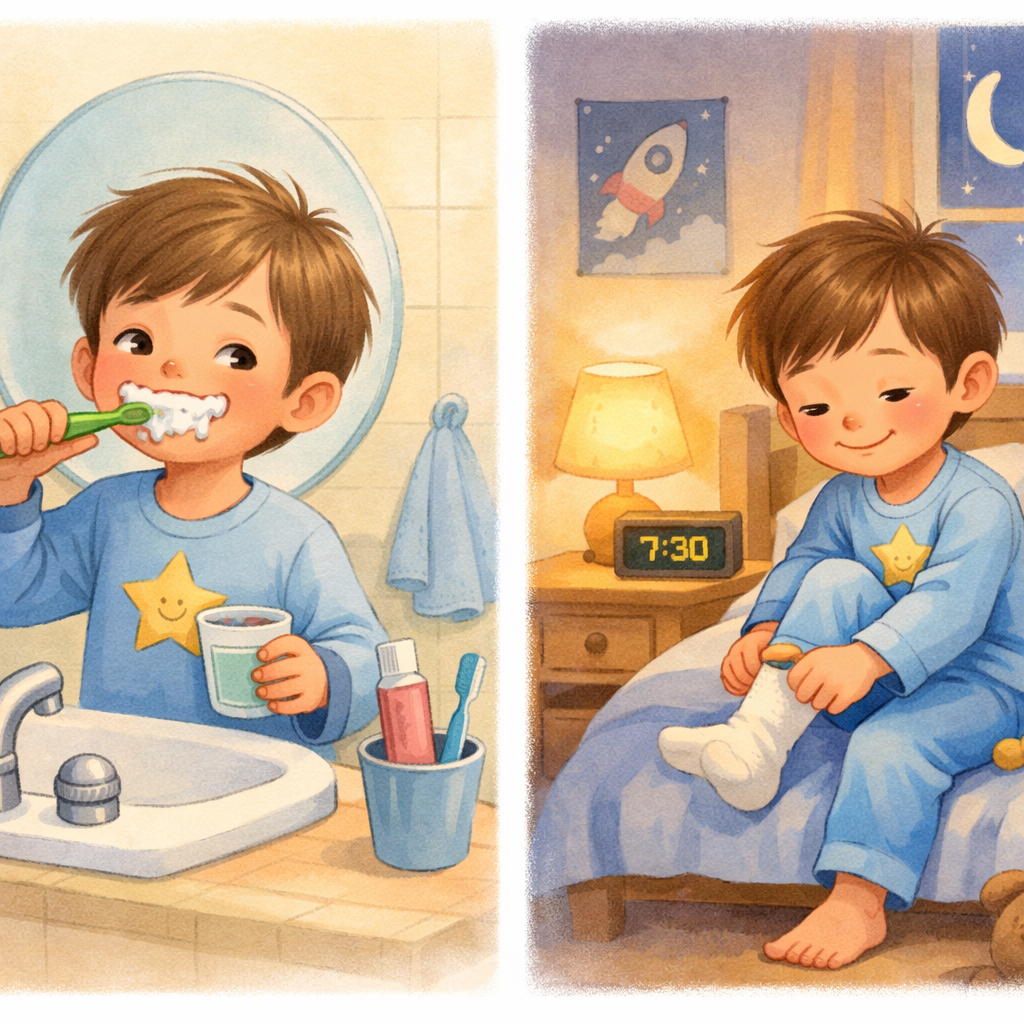
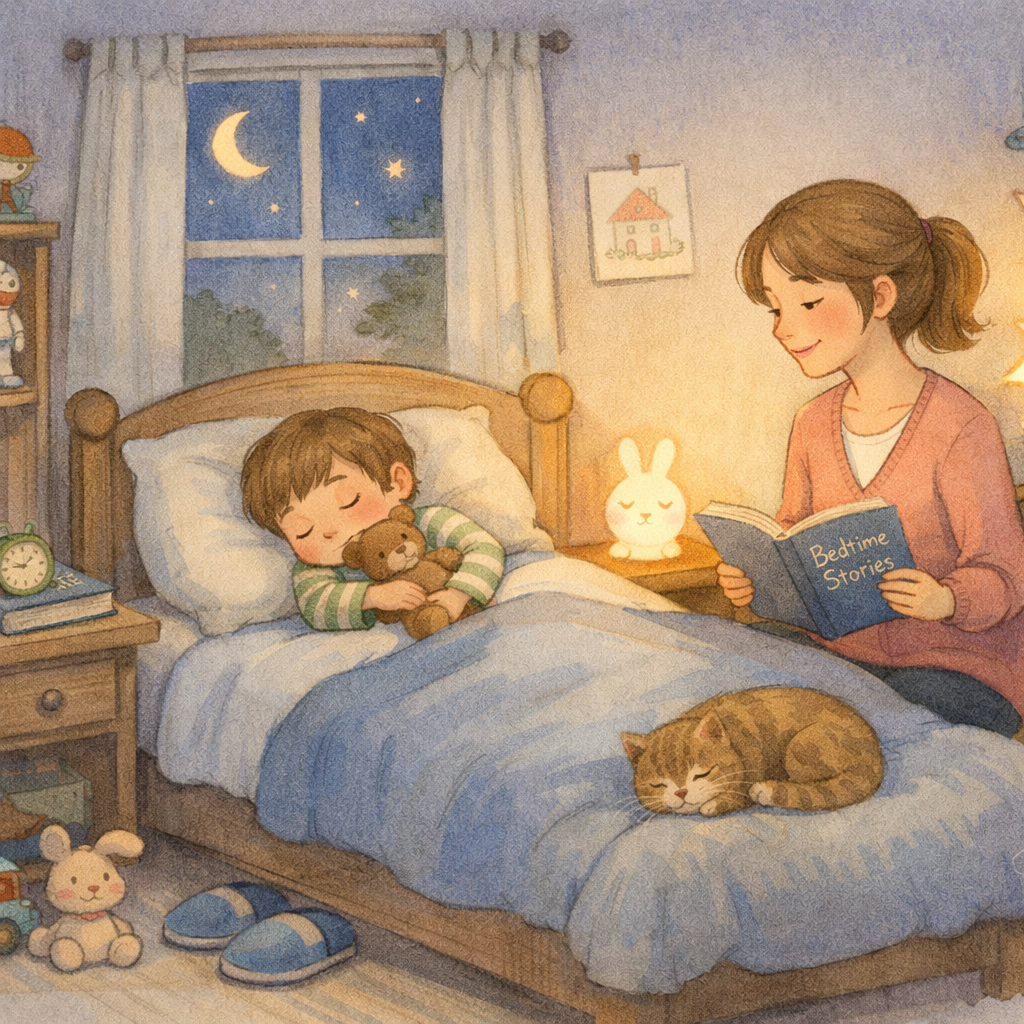
- Create a calming bedtime routine: Children need a long runway to transition from the high-energy activities of the day to a restful state. Implement a 30-to-45-minute wind-down routine. This can include taking a warm bath, putting on cozy pajamas, brushing teeth, and reading a book together. Doing these steps in the same order every night conditions the brain to prepare for sleep.
- Limit screen time before bed: Smartphones, tablets, video games, and televisions emit a harsh blue light that directly suppresses the brain's production of melatonin (the hormone that makes us sleepy). Furthermore, digital content is highly stimulating. Enforce a strict "digital curfew" by turning off all screens at least one full hour before bedtime.
- Ensure a quiet, dark, and comfortable sleep environment: Transform your child’s bedroom into a sleep sanctuary. The room should ideally be cool (around 65°F to 68°F), as a drop in body temperature promotes deeper sleep. Use high-quality blackout curtains to block out disruptive streetlights and use a white noise machine to gently muffle loud household or neighborhood sounds.
- Encourage daily physical activity: Physical exhaustion translates into deep rest. Ensure your child gets at least 60 minutes of active, heart-pumping physical play every single day. Getting outside in the natural morning sunlight also helps regulate their circadian rhythm, making it much easier for them to fall asleep when nighttime rolls around.
You hold the key to unlocking your child's true potential.
Help your child succeed in school, manage their emotions gracefully, and thrive in daily life by actively building a healthy sleep routine and habits today, as these habits contribute significantly to disease control. Start improving their focus, attention, and memory with the simple gift of better sleep.
Reach out for a consultation or call daar at 02 9133 2500 for more expert parenting tips, child development insights, and evidence-based guidance delivered directly to your inbox.
Frequently Asked Questions (FAQs)
1. How does sleep affect a child's attention and focus?
Sleep physically restores core brain functions. While a child sleeps, their brain recharges the prefrontal cortex—the area responsible for executive function, impulse control, and sustained attention. This nightly recharge improves concentration, helps children effectively filter out classroom distractions, and gives them the mental stamina to stay focused and alert on complex tasks. It's important to note that insufficient sleep, along with excessive daytime naps, can interfere with a child's nighttime sleep.
2. How many hours of sleep do kids need for better focus?
Sleep needs vary depending on a child's developmental stage, but general paediatric guidelines state that most school-aged children need between 9 to 12 hours of sleep each night as part of a regular sleep schedule. Toddlers and preschoolers require even more (10 to 14 hours, including naps). Consistently hitting these hourly targets is crucial to fully support attention, learning retention, and overall brain health.
3. What are the subtle signs my child isn’t getting enough sleep?
While yawning and rubbing tired eyes are obvious signs, insufficient sleep and chronic sleep deprivation can often masquerade as behavioural issues, potentially leading to mental health complications. Common signs include extreme difficulty concentrating on homework, sudden irritability over minor issues, heightened emotional outbursts, impulsive behaviour, clumsiness, and a noticeable drop in school performance or reading comprehension.
.svg)




.svg)