
.png?width=48&height=48&name=Group%201%20(3).png)























3 March, 2026

Key Insights on Applied Behaviour Analysis (ABA) Therapy

Key Highlights
- Applied Behaviour Analysis (ABA) is a science-based therapy that helps individuals with autism spectrum disorder learn helpful new skills.
- It uses techniques like positive reinforcement to increase desired behaviors and improve communication and social abilities.
- Early intervention through ABA is often recommended, as it can lead to significant gains in development.
- Behaviour analysis helps therapists understand why behaviors occur and how to create effective, individualized treatment plans.
- ABA programs break down skills into smaller, manageable steps to make learning easier.
- The goal is to enhance independence and improve the overall quality of life for the individual.
Introduction
Applied Behavior Analysis (ABA) therapy offers a structured approach tailored to the unique needs of autistic individuals. With its roots tracing back to the 1960s, ABA focuses on behavior change through positive reinforcement, enabling children to learn new skills and improve communication and social abilities. Certified behavior analysts utilize techniques like discrete trial training to create individualized ABA therapy programs. By breaking down complex behaviors into smaller steps, parents and caregivers can witness meaningful progress in daily routines and overall quality of life for autistic children.
How ABA Therapy Is Delivered in Practice
ABA therapy programs are highly flexible and tailored to the unique needs of each person. A certified behavior analyst (BCBA) designs and oversees the program, ensuring it aligns with the individual's skills, interests, and family goals.
These services can be provided by an ABA provider in various settings, including at home, school, or in the community. ABA therapists, often called registered behavior technicians (RBTs), work directly with the individual to implement the plan created by the behavior analyst.
Assessment and Goal Setting in ABA Programs
The first step in any ABA program is a comprehensive assessment by a qualified behavior analyst. This evaluation identifies current skills, preferences, and areas needing support, providing essential information for setting goals and creating a personalized plan.
Using the assessment results, the analyst works with the family to set specific treatment goals tailored to the individual’s age, abilities, and family priorities. Goals address communication, social skills, self-care, and academics.
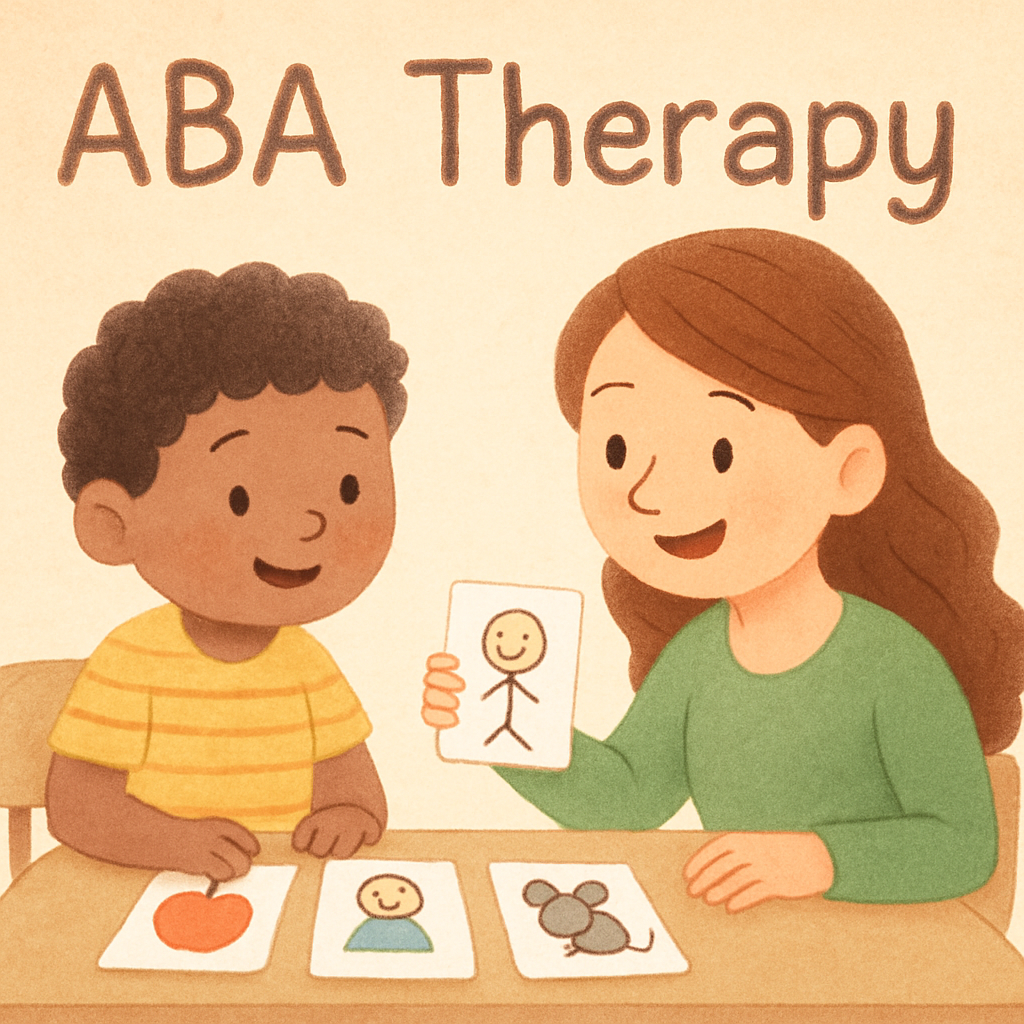
Each goal is broken into small steps. The therapist teaches one step at a time, helping the individual build skills gradually. This approach defines target behaviors and keeps the ABA program focused and effective.
Key Techniques Used by ABA Practitioners
ABA practitioners use various evidence-based techniques rooted in ABA principles to encourage positive behavior change. A core strategy is positive reinforcement, where a desired behavior is followed by a reward, making it more likely to be repeated in the future. This could be praise, a toy, or a favorite activity.
Another key component is understanding the "A-B-C's": Antecedent (what happens before a behavior), Behavior (the response), and Consequence (what happens after). By analyzing this sequence, therapists can identify triggers and adjust consequences to support better communication skills and behaviors.
Some common techniques used include:
- Discrete Trial Training (DTT): A structured method that breaks skills into small, teachable parts.
- Natural Environment Training: Teaching skills in everyday situations and activities.
- Task Analysis: Breaking down complex tasks into a sequence of smaller steps. This combination of reinforcement and structured teaching helps individuals learn and practice new skills effectively.
NDIS ABA Therapy and Its Role in Australia
In Australia, the National Disability Insurance Scheme (NDIS) can provide funding for NDIS ABA therapy. This support helps individuals with disabilities, including autism, access services that promote skill development and independence. ABA therapists work with participants to achieve their NDIS goals.
However, navigating funding through the National Disability Insurance Agency (NDIA) can sometimes be complex. Families must demonstrate that ABA therapy is a "reasonable and necessary" support for their child, which can involve detailed assessments and reports.
Eligibility Criteria for NDIS ABA Therapy
To access NDIS funding for ABA therapy, you must meet general eligibility requirements: be an Australian citizen or permanent resident, under 65, and have a significant, permanent disability. Children with autism usually need a formal diagnosis from a qualified clinician.
Once eligible, ABA therapy funding is assessed as "reasonable and necessary." The NDIA reviews evidence from therapists to ensure the ABA program aligns with your child’s goals and is likely to be effective.
Key factors considered include:
|
Factor |
Description |
|---|---|
|
Individual Needs |
Support must address specific disability-related needs. |
|
Goals |
Therapy should help achieve personal goals. |
|
Effectiveness |
Evidence must show the support will be beneficial. |
|
Value for Money |
Costs should be reasonable compared to expected benefits. |
Why NDIA May Not Fund ABA for Certain Children
The National Disability Insurance Agency (NDIA) may deny funding for ABA therapy, even for children with autism, for several reasons. Often, there isn’t enough evidence that the therapy is “reasonable and necessary” under the NDIS Act. The NDIA requires detailed clinician reports directly linking the therapy to the child’s needs and goals.
Cost and program intensity also matter. High-intensity ABA is expensive, and the NDIA may question its value compared to other supports. If similar results can be achieved with less intensive or lower-cost options, funding may be denied.
Ultimately, the NDIA funds support that clearly improve quality of life. If a plan doesn’t meet their “best practice” standards or lacks strong justification, funding may be refused, and families may need to request a review.
ABA Therapy for Autism Spectrum Disorder (ASD)
ABA therapy is one of the most well-known and researched interventions for individuals with Autism Spectrum Disorder (ASD). The core of this approach lies in behavior analysis, which helps therapists understand and address the unique challenges associated with ASD.
By breaking down complex tasks into smaller, more manageable steps, ABA helps individuals learn important new skills. The therapy is customized to meet the specific needs of each person, focusing on areas like communication, social interaction, and daily living skills.
Benefits of ABA Therapy for Children with Autism

ABA therapy helps autistic children by teaching practical skills for daily life, improving communication to reduce frustration, and challenging behaviors. It also boosts social skills, enabling better peer interactions and understanding of social cues, which fosters inclusion and confidence.
The structured, data-driven approach ensures progress is tracked and programs are adjusted as needed. Key benefits include:
- Better language and communication
- Improved attention, focus, and memory
- Enhanced social skills
- Increased self-care and daily living abilities
- Fewer behaviors that hinder learning
Age Recommendations and Early Intervention Evidence
ABA therapy is effective for all ages, but early intervention—especially between ages 2 and 6—offers the most benefit due to the brain’s high plasticity. Research shows that intensive ABA (25–40 hours per week for 1–3 years) can significantly improve intellectual, language, and daily living skills in young children with autism.
There’s no wrong age to start ABA. The therapy is adaptable and can support skill development at any stage of life, focusing on individual needs whether for children or adults.
Conclusion
In conclusion, Applied Behavior Analysis (ABA) therapy offers a structured, evidence-based approach for children with Autism Spectrum Disorder (ASD). With thorough assessment and tailored interventions, ABA improves communication, social skills, and positive behaviors. The NDIS helps families access these essential services. Understanding ABA empowers parents and caregivers to make informed choices.
For questions or guidance on ABA options, reach out for a consultation or call daar at 02 9133 2500 —your child’s well-being matters.
Frequently Asked Questions
Is ABA therapy evidence-based for autism support?
Yes, ABA therapy is considered an evidence-based practice for individuals on the autism spectrum by major organizations like the American Psychological Association. Decades of research in behavior analysis have shown that ABA is effective in improving skills and outcomes for many people with ASD.
What alternatives exist to ABA therapy under the NDIS?
Under the NDIS, alternatives to ABA for the autism spectrum include Positive Behaviour Support (PBS), which takes a holistic approach to understanding behavior. Other options may include speech therapy, occupational therapy, and approaches that embrace neurodiversity, all aimed at supporting individual goals and well-being.
How are behavioral interventions adapted for individual needs in ABA therapy?
In ABA therapy, interventions are highly personalized. A behavior analyst first conducts a detailed assessment to understand individual needs. From there, they define a specific target behavior and create a tailored plan that the behavior technician implements, ensuring the approach is always suited to the person.
.svg)




.svg)