
.png?width=48&height=48&name=Group%201%20(3).png)























3 March, 2026

Understanding Positive Behaviour Support: A Simple Guide
Key Highlights
- Positive behaviour support (PBS) is a person-centered approach that aims to improve quality of life and reduce challenging behaviours.
- It focuses on understanding the root causes of behaviours rather than just punishing them.
- The goal is to create a supportive environment and teach new skills through positive reinforcement.
- Behaviour support practitioners work with individuals and their families to develop tailored plans.
- This approach helps build social skills, emotional regulation, and healthier relationships to meet individual needs.
Introduction
Have you ever wondered how to best support someone who displays challenging behaviours? Creating a positive and encouraging environment is key. Positive behavioural support (PBS), also known as positive behavioural support, is an evidence-based approach designed to do just that. It focuses on understanding why a person acts a certain way and then teaches them new, more effective skills. By improving communication and addressing individual needs, this method not only reduces difficult behaviours but also significantly enhances a person's overall quality of life and mental health. There are some common misconceptions about positive behavioural support. For instance, some people mistakenly think PBS is only about managing or controlling behaviors, when in fact its core purpose is to understand underlying causes and empower individuals by building on their strengths. Others may think PBS provides quick fixes, but it is actually a comprehensive, ongoing process tailored to each person's unique needs.
Key Principles Behind Positive Behaviour Support
The core idea of positive behaviour support is to be proactive, not reactive. Instead of focusing on punishment, this approach seeks to understand the root causes behind a person's actions. It operates on the principle that all behaviour serves a purpose, even if it's challenging.
By identifying what an individual is trying to communicate or achieve, we can develop strategies to meet their needs more healthily through cognitive therapy. This holistic approach emphasizes teaching new skills and creating a supportive environment where positive behaviour can flourish.
Person-Centered and Evidence-Based Approaches
A fundamental aspect of positive behaviour support is its person-centered focus on building social connections. This means that every support plan is tailored to the unique individual, considering their goals, strengths, and specific needs. The approach places the person at the heart of all decision-making, ensuring their aspirations guide the process. You are an active partner in creating a plan that works for you.
Families seeking resources or support for positive behaviour support can start by reaching out to local advocacy organizations, disability service agencies, or school support teams. Additionally, online communities and government health websites often offer guides, toolkits, and information on connecting with qualified professionals in your area.
This method is also firmly grounded in evidence-based practices, including cognitive behaviour therapy (CBT). This means that behaviour support practitioners use strategies and interventions that have been proven effective through reliable research. By combining a holistic approach with proven techniques, PBS ensures that the support you receive is both personalized and effective. It's not about a one-size-fits-all solution but about finding what truly helps you.
Positive behaviour support differs from other types of behavioural therapies, like cognitive behaviour therapy, because it focuses on understanding the underlying reasons for behaviors and emphasizes person-centered planning. Instead of simply trying to eliminate challenging behaviors, PBS works to teach new skills and improve quality of life by making changes in the environment and support systems. This approach sets PBS apart from more traditional behavior therapies that may rely primarily on consequences or rigid plans rather than individualized, evidence-based interventions.
Ultimately, the goal is to develop a comprehensive behaviour support plan that addresses all aspects of an individual's life, incorporating cognitive behavioural therapy. This includes not just their behaviours but also their environment, relationships, and overall well-being. This ensures long-term positive change.
Focusing on Prevention Rather Than Punishment
One of the most powerful elements of positive behaviour support is its emphasis on prevention. Rather than waiting for challenging behaviours to occur and then reacting with punishment, this strategy aims to stop them from happening in the first place. You can create a supportive environment that reduces triggers and promotes positive behaviour.
This proactive stance involves identifying the root causes of behaviour. For example, a person might act out due to frustration, sensory overload, or difficulty communicating. By understanding these underlying issues, caregivers and practitioners can modify the environment or teach new coping skills. This type of psychotherapy might involve creating predictable routines or providing tools for emotional regulation, which can improve mental health.
By focusing on prevention, you help create a safe and predictable setting where individuals feel understood and supported. This reduces anxiety and fosters a sense of trust, making it easier for them to learn and engage in positive actions through classical conditioning.
Working Together with Families, Schools, and Therapists
Effective positive behaviour support relies on a strong support system rooted in social learning principles. Collaboration between family members, schools, therapists, and social workers is essential for creating consistent and meaningful change. When everyone works together, the individual receives a unified message of support, which helps reinforce new skills and positive behaviours across all settings.
Effective communication is the cornerstone of this partnership. Regular meetings and open dialogue ensure that everyone is on the same page and can share insights about the individual's progress and challenges. This teamwork helps in developing and refining the support plan to better meet the person's evolving needs, contributing to better mental health outcomes.
A collaborative approach ensures that the support system is robust and responsive. It might involve:
- Sharing successful strategies between home and school.
- Involving social workers to connect families with community resources.
- Ensuring therapists and family members use the same language and reinforcement techniques.
- Creating a shared understanding of the individual's goals and aspirations.
Who Can Benefit from Positive Behaviour Support?
A wide variety of individuals can find success with positive behaviour support. This approach is not limited to a specific age group or condition; it can be adapted to meet the unique needs of many people. From children struggling with social skills to adults with disabilities, this type of therapy behaviour support offers practical tools for a better quality of life.
The individualized nature of PBS makes it particularly effective for those who have not responded well to traditional disciplinary methods, including group therapy. The next sections will explore how this support helps children, adults, and even entire communities.
Children and Adolescents with Additional Needs
Young people with developmental challenges like autism (ASD) and attention deficit hyperactivity disorder (ADHD) often benefit from positive behavior support (PBS). PBS helps them improve social skills and emotional regulation.
Early intervention is key. Teaching social communication and using positive reinforcement at a young age helps children recognize social cues and form friendships.
For teens, PBS addresses issues like peer pressure and emotional expression. By teaching new skills and providing support, PBS builds confidence, reduces problem behaviors, and promotes success at school and home.
Adults and People with Disability Involved with the NDIS
Positive behavior support (PBS) is highly effective for adults, especially those with disabilities. For individuals with developmental or mental health conditions, including substance abuse, PBS provides structure and strategies to build daily living skills and foster independence, improving overall quality of life.
In the U.S., funding similar to Australia’s NDIS allows adults to receive specialized PBS as part of their care. This support helps manage challenging behaviors that could otherwise limit community participation or employment.
Working with a practitioner, adults can develop coping skills, communicate needs more effectively, and gain confidence in social situations, which is particularly beneficial for those dealing with anxiety issues such as panic disorder. PBS empowers individuals to pursue goals, strengthen relationships, and lead more fulfilling lives.
Schools, Communities, and Family Members
Collaboration among schools, communities, and families creates a strong support system for positive behavior. Open dialogue helps stakeholders identify individual needs and provide tailored interventions focused on emotional regulation and communication. This teamwork fosters an environment where children thrive, build healthier relationships, and develop strong social skills.
Family involvement strengthens positive behavior strategies by ensuring consistency at home and in the community. By using practices like social skills training and goal setting, families help children navigate social challenges, supporting personal growth and improving quality of life, which is particularly important for those dealing with anxiety disorders.
Main Strategies Used in Positive Behaviour Support
The effectiveness of positive behaviour support comes from a set of practical, hands-on strategies. These methods are designed to be proactive and educational, focusing on building skills rather than simply managing behaviour. Key strategies include using positive reinforcement to encourage desired actions and creating a supportive and safe environment where individuals feel safe and understood.
Additionally, teaching new social skills and communication skills is a central part of the process. The following sections will explore some of these core techniques in more detail.
Setting Up Supportive Environments
A key way to encourage good behavior is by creating a caring, supportive space. This may involve changing the environment or routines so challenging behaviors are less likely. The goal is to make the person feel safe, understood, and ready to succeed.
You might reduce noise, set clear routines, or use picture schedules to show what’s happening each day. Providing a quiet area for calming down can also help manage emotions and stress through systematic desensitization.
Building this kind of space is important for behavior support. It means planning ahead to prevent problems and ensuring the person feels comfortable and secure. A stable, welcoming environment encourages positive behavior and reduces the need for correction.
Teaching New Skills and Replacing Challenging Behaviors
Positive behavior support is mainly about teaching. The aim is not only to stop hard behaviors but also to teach new and better skills. These new skills can help someone get what they need in a good way. This helps people grow over time.
For example, if a person feels upset because they cannot say what they want, you can teach them how to talk or show their needs through cognitive restructuring. They might use words, hand signs, or a tool to help them speak. This way, the main cause of the problem is fixed with a better choice.
The goal is to help people learn things like how to deal with others or keep calm when upset. Each plan fits the person’s own needs and may include:
- Teaching ways to talk with friends.
- Learning how to stay calm by taking deep breaths.
- Trying out ways to share what you need and feel.
- Learning how to solve problems during tough times.
This way, people can build new skills that make life easier for them and those around them.
Reinforcing Positive Actions Using Rewards and Encouragement
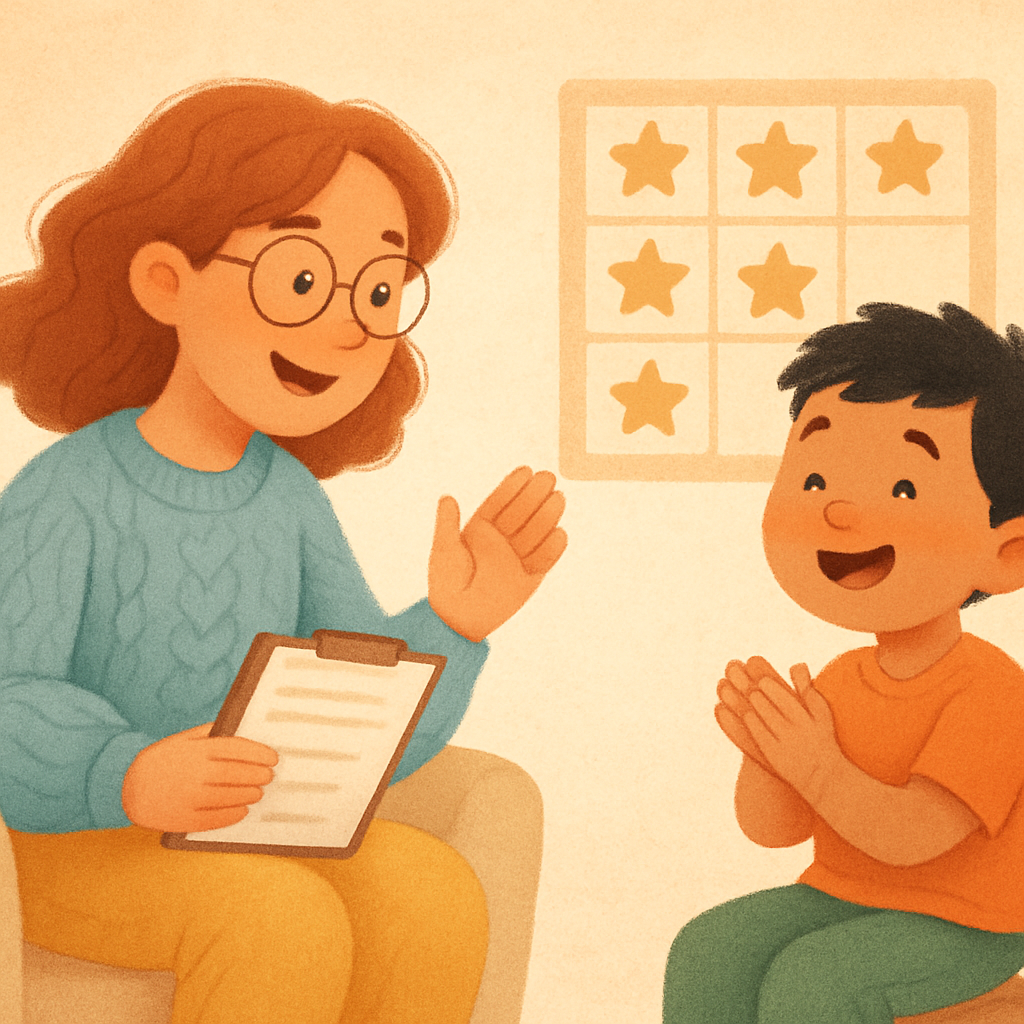
A key part of positive behavior support is positive reinforcement—rewarding and encouraging good actions to increase their repetition. When someone gets positive feedback for a desired behavior, they’re more likely to repeat it.
Reinforcement can be verbal praise like “Great job using your words,” or a tangible reward, such as points toward a favorite activity. The reward should be meaningful and given immediately after the behavior to strengthen the connection.
This approach celebrates every success, no matter how small. Consistent recognition builds confidence and self-esteem, creating a positive cycle of growth and achievement.
Positive Behaviour Support Within NDIS Services in Australia
In Australia, positive behaviour support is a key component of the National Disability Insurance Scheme (NDIS). The NDIS provides funding for individuals with disabilities to access these essential therapy services. The goal is to improve quality of life by reducing behaviours of concern and building new skills.
This support is delivered through a behaviour support plan developed by a qualified practitioner. These health services are designed to be person-centered and tailored to the individual's specific needs and goals. The following sections will detail how you can access these services through the NDIS.
Accessing Behaviour Support Plans Through the NDIS
If you are an NDIS participant, you may be eligible for funding to access positive behavior support and achieve your goals. A behavior support plan outlines strategies to address challenging behaviors and is created with you, your family, and a qualified practitioner to meet your specific needs.
To begin, your NDIS plan must include funding for "Improved Relationships" or "Improved Daily Living." This covers the assessments and services needed to develop your support plan, including opportunities for social activities. The NDIS values this support to help participants better engage in their communities.
Developing a behavior support plan involves these key steps:
|
Step |
Description |
|---|---|
|
Assessment |
A practitioner assesses the reasons behind behaviors of concern. |
|
Plan Development |
Customized strategies are created to teach new skills and adapt environments. |
|
Implementation |
The plan is carried out with help from family, carers, and providers. |
|
Review |
Regular reviews ensure the plan stays effective and adapts as needed. |
Qualifications and Role of Positive Behaviour Support Practitioners
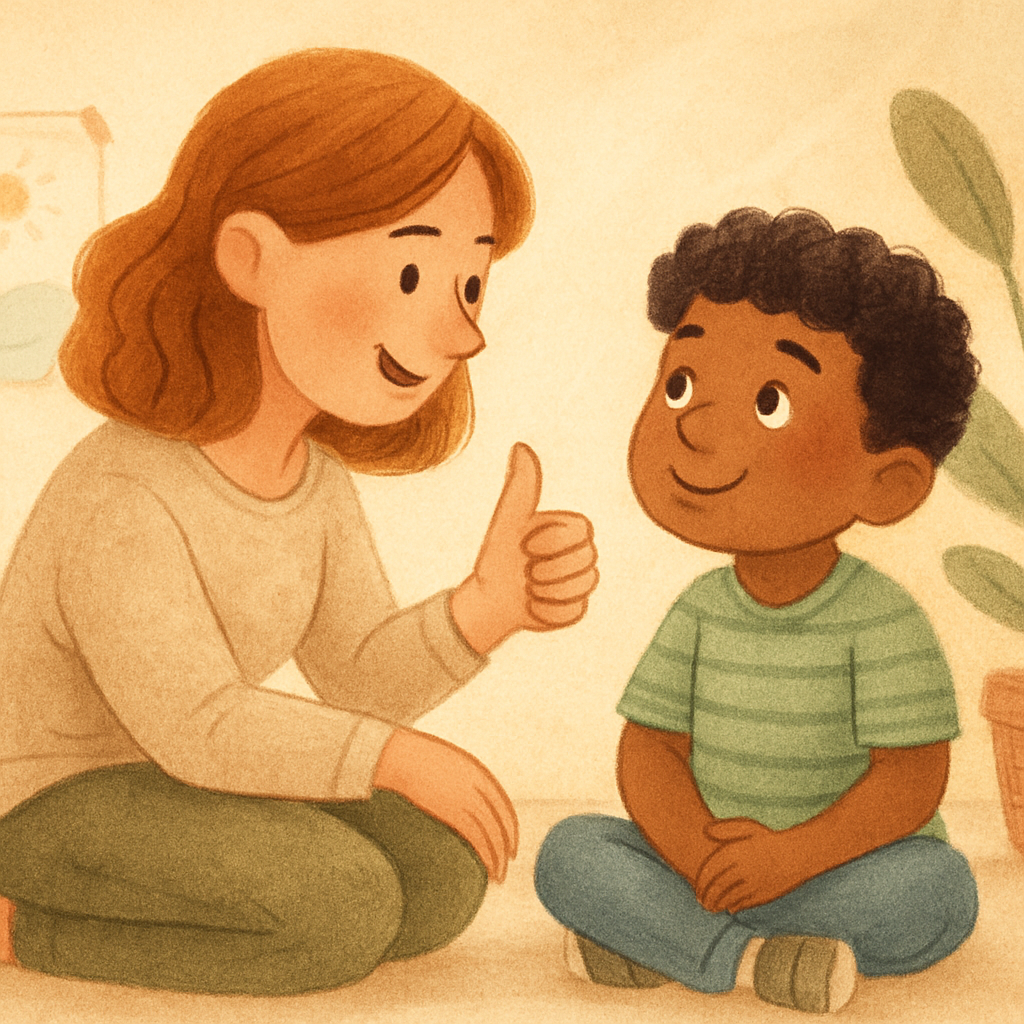
Positive behavior support practitioners design and oversee behavior support plans. In Australia, they must meet NDIS Quality and Safeguards Commission qualifications to ensure safe, effective therapy.
Practitioners assess behaviors, create individualized plans, and train families and support staff to carry them out. They work collaboratively for consistency and high-quality care.
Qualified practitioners use evidence-based practices with a focus on person-centered care. They monitor progress, analyze data, and adjust plans as needed. Their expertise is key to achieving positive, lasting change.
Working with NDIS Providers for Ongoing Guidance
Once a behavior support plan is in place, ongoing collaboration with NDIS providers is essential. They deliver daily support to implement the plan’s strategies and form a strong partnership with you and your practitioner.
Regular communication ensures everyone works toward shared goals, addresses challenges, and makes timely adjustments. This teamwork drives lasting positive change and improves mental health and well-being.
NDIS providers offer ongoing guidance by:
- Applying reinforcement strategies consistently
- Collecting data to track progress
- Communicating regularly with the behavior support practitioner
- Helping individuals practice new skills in various settings
Conclusion
Understanding Positive Behaviour Support (PBS) is essential for creating supportive environments for individuals with additional needs in both academic and social settings. By using person-centered, preventative strategies, PBS improves quality of life and can deliver transformative results for children, adults, and families. Integrating PBS into NDIS services increases accessibility and support. Embracing PBS benefits both individuals and communities.
For more information on how PBS can help, reach out for a consultation or call daar at 02 9133 2500.
Frequently Asked Questions
What qualifications should a positive behaviour support practitioner have in Australia?
In Australia, positive behaviour support practitioners must be approved by the NDIS Quality and Safeguards Commission. Their qualifications are assessed based on their experience and education in relevant fields like psychology or disability studies. This ensures they can provide high-quality health services and support professional growth in the sector.
How is a positive behaviour support plan developed and reviewed?
A behaviour support plan is developed after a thorough assessment to understand an individual's needs. It involves goal setting and choosing strategies like positive reinforcement. The plan is a living document, regularly reviewed by the support system to track progress and make adjustments, ensuring it remains effective.
Can positive behaviour support help with autism or other disabilities?
Yes, positive behaviour support is highly effective for individuals with autism spectrum disorder and other disabilities, particularly those experiencing social anxiety. It addresses social challenges by teaching new skills in a structured way. Early intervention using this approach can lead to significant improvements in communication, social interaction, and overall quality of life.
.svg)




.svg)