
.png?width=48&height=48&name=Group%201%20(3).png)
























13 March, 2026

Understanding Special Education Support for Diverse Learners

Key Highlights
- Recognizing signs of sensory processing challenges is the first step toward creating an inclusive education environment for all students.
- Simple sensory accommodations, such as flexible seating and quiet zones, can significantly improve a student's ability to learn and focus.
- Students with autism spectrum disorder often benefit from specific sensory supports that help manage their unique sensory needs.
- Collaboration between teachers, parents, and therapists is crucial for developing effective strategies to support diverse learners.
- Sensory accommodations can differ between primary and high school, adapting to the changing classroom environment and student needs.
- Implementing sensory tools and movement breaks helps students regulate their responses to sensory input throughout the school day.
Introduction
Welcome to the world of inclusive education, where every student gets the chance to shine. A key part of this is understanding sensory processing—how our brains handle the information we get from our senses. For many diverse learners, the typical classroom can be overwhelming. By learning about and providing the right support, we can create a positive and effective learning space for every child. This guide will explore how special education support, especially sensory accommodations, can make a huge difference in a student's school experience.
The Importance of Special Education Support in Inclusive Education
Special education support is crucial for an inclusive environment where every student can thrive. It involves recognizing individual needs and making adjustments to help all students succeed academically and socially, ensuring everyone feels valued.
Sensory accommodations are a key part of this support. They help manage the classroom to prevent sensory overload, enabling students with sensitivities to participate fully in learning and social activities. By offering these supports, schools set every learner up for success. Next, let’s explore the diverse learners in our classrooms and the educator's role.
Understanding Diverse Learners in Australian Classrooms
Australian classrooms are filled with diverse learners, each experiencing the world differently. Some students have diagnoses like autism spectrum disorder (ASD) or attention deficit hyperactivity disorder (ADHD), often accompanied by sensory processing challenges. However, many students without formal diagnoses also have unique sensory needs that impact learning.
Everyday sensory issues—like the hum of fluorescent lights, itchy uniforms, or classroom chatter—can be distracting or distressing for some students. While some are overly sensitive to these inputs, others may seek stronger sensations to stay focused.
Recognizing these differences is key to creating a supportive classroom. When educators understand that certain behaviors stem from sensory needs, they can offer appropriate support. This shifts the focus from managing "bad behavior" to addressing underlying needs.
Refined Output:
Australian classrooms include students with a wide range of sensory experiences. Some have diagnoses like autism spectrum disorder (ASD) or ADHD, often with sensory processing challenges. Many others, even without diagnoses, have unique sensory needs that affect learning.
Common classroom issues—such as buzzing lights, itchy uniforms, or noise—can distract or upset some students. While some are highly sensitive to these stimuli, others seek out stronger sensations to stay engaged.
Understanding these differences helps create supportive classrooms. When educators recognize that behaviors may stem from sensory needs, they can provide better support and focus on addressing the root cause rather than just managing behavior.
The Role of Educators in Nurturing Inclusion
Educators play a key role in creating inclusive classrooms. Beyond teaching, you foster supportive spaces where every child feels safe and ready to learn. By understanding each student’s unique needs, you can offer targeted support—sensory accommodations are especially effective.
These practical adjustments, like changing seating or providing noise-muffling headphones, help manage sensory input so students with challenges can fully participate alongside their peers. Such strategies fit naturally within an inclusive education model.
Your curiosity and adaptability are crucial. Observing student behavior and considering sensory factors allows you to make small changes with big impact. This proactive approach ensures every learner thrives in a truly inclusive classroom.
Common Sensory Issues Encountered by Students
Many students face sensory issues that make school challenging. Their brains struggle to process sensory information, leading to sensitivities—everyday sights, sounds, or textures can feel overwhelming.
This constant input often causes sensory overload. Imagine trying to focus on math while a tag itches your neck and lights buzz overhead. For these students, this is a daily obstacle to learning. Recognizing these issues is essential for proper support. Next, we’ll cover how to spot early signs and the challenges at different school stages.
Identifying Early Signs of Sensory Processing Challenges
Have you noticed a student who constantly fidgets or struggles with transitions? These may be early signs of sensory processing challenges. While many children have sensory preferences, a sensory processing disorder involves strong reactions to sensory input that disrupt daily life. Recognizing these signs helps address a student’s sensory needs.
Common indicators a student may need sensory support include:
- Difficulty sitting still or frequent fidgeting
- Sensitivity to sounds, lights, or touch
- Trouble handling transitions or changes in routine
- Frequent frustration and emotional outbursts
- Needing movement breaks to stay focused
Providing accommodations can make a significant difference.
Sensory Challenges in Primary vs. High School Settings
Sensory processing needs change as students grow. In primary school, bright classrooms and group activities may overwhelm some children, so playful supports like sand tables or play dough help them regulate.
In high school, challenges shift to crowded hallways, complex schedules, and longer focused work. Accommodations become more discreet—fidget tools, flexible seating, or quiet breaks between classes.
Support should match the student’s age and classroom setting. What works for a first-grader won’t suit a tenth-grader. The table below summarizes these differences:
|
Feature |
Primary School Accommodations |
High School Accommodations |
|---|---|---|
|
Seating |
Wiggle seats, beanbags, floor time |
Stand-up desks, wobble stools, seating away from distractions |
|
Breaks |
Movement breaks (jumping/stretching) |
Quiet breaks in designated spaces or permission to walk halls |
|
Tools |
Sensory bins, weighted animals, textured toys |
Discreet fidgets, chewable toppers, headphones |
|
Environment |
Cozy corners, visual schedules with pictures |
Quiet study areas, digital schedules, minimal desk clutter |
What Are Sensory Accommodations?
Sensory accommodations are adjustments to the environment or tasks that support students with sensory needs. These changes help students manage sensory input so they can focus, learn, and participate fully. The aim is equal access to education, not an unfair advantage.
Examples include fidgets, weighted lap pads, flexible seating, and quiet break areas. Accommodations may also involve modifying assignments—like reducing handwriting—or using visual aids. The most effective supports are personalized to help each student feel calm and ready to learn. Next, we’ll cover practical strategies teachers can use.
Effective Sensory Supports for the Classroom Environment
Creating a supportive space for students with sensory needs is possible with a few effective strategies. Flexible seating options—like wobble stools, yoga balls, or beanbag chairs—can make the classroom more comfortable and help students focus.
Visual aids are also valuable. Tools such as picture schedules, to-do lists, and clear directions reduce anxiety and ease transitions. Designating an area with calming sensory items lets students self-regulate when overwhelmed.
Highly effective sensory supports include:
- Flexible seating (wobble cushions, stand-up desks)
- Noise-canceling headphones or earplugs
- A calm-down corner with soft furnishings and weighted blankets
- Visual schedules and timers for predictable routines
Simple Sensory Strategies Teachers Can Implement During Lessons
You don’t need major changes to support students’ sensory needs. Simple strategies fit easily into daily lessons. For example, quick movement breaks—like stretches or running an errand—can boost focus.
Create quiet spaces, such as a corner with a comfy chair, for calming retreats. Discreet fidget tools like stress balls or therapy putty help students self-regulate without causing distractions. These small sensory breaks can make a big difference.
Try these easy strategies:
- Allow fidget tools like stress balls at desks.
- Include brief, 2-minute movement breaks.
- Let students work in different positions (e.g., lying on the floor with a clipboard).
- Offer chewable items like gum or pencil toppers for oral input.
Integrating Sensory Accommodations into Inclusive Education
Integrating sensory accommodations is essential for inclusive education. These adjustments are not special privileges—they ensure all students have equal learning opportunities. By proactively creating supportive environments, schools show a commitment to every learner.
This shifts the focus from a student’s “problem” to barriers in the environment. Normalizing sensory accommodations reduces stigma and fosters understanding and acceptance, benefiting all students—not just those with diagnosed needs. Next, let’s look at how these supports help neurodivergent students and ways to collaborate with families.
How Sensory Supports Benefit Autistic and Neurodivergent Students
For autistic and neurodivergent students, everyday environments can be overwhelming due to unique sensory needs. Sensory supports are vital for helping them feel comfortable at school.
Accommodations like noise-canceling headphones reduce distractions, while weighted lap pads provide calming pressure. These tools empower students to manage their sensory needs.
When students feel comfortable and in control, they participate more fully in learning and school life, leading to greater success and well-being.
Collaborating with Families to Meet Sensory Needs
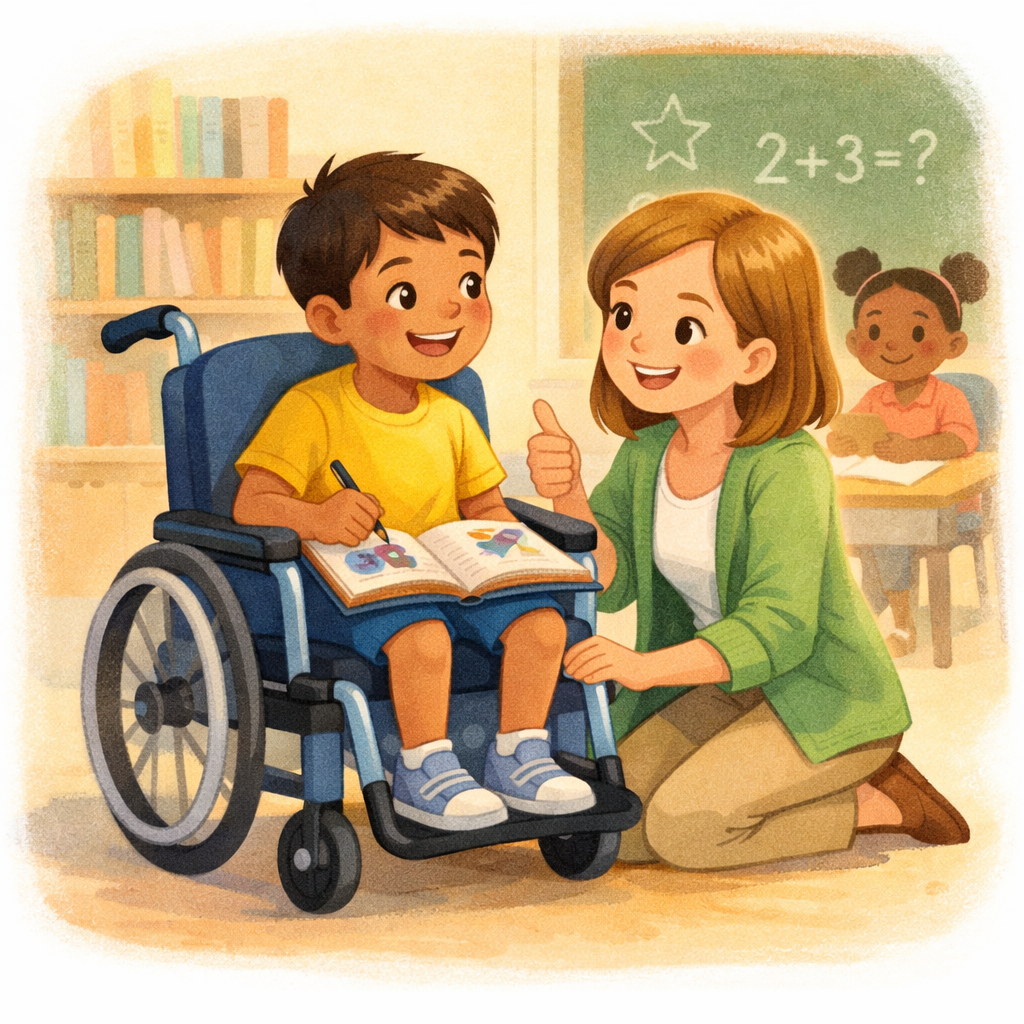
A strong school-home partnership is essential for supporting a child's sensory needs. Parents and caregivers know their child's needs best and offer valuable insights. Open communication ensures consistent, effective support at school.
When requesting accommodations, parents should come prepared. Documenting behaviors and sensory triggers gives the school clear examples, and suggesting proven supports helps integrate strategies into the child’s daily routine.
Tips for collaborating with families:
- Schedule regular check-ins to review progress.
- Use a shared document to track strategies.
- Involve the child in discussions about their needs when appropriate.
Conclusion
Understanding special education support is key to creating an inclusive classroom. By addressing students’ unique sensory needs, educators can use targeted strategies to support learning and participation. Collaboration among teachers, families, and staff is vital in nurturing each child’s potential. As we improve educational practices, let’s prioritize empathy and flexibility so every learner feels valued.
For more on sensory accommodations or personalized support, feel free to reach out for consultation or call daar at 02 9133 2500.
Frequently Asked Questions
What should parents know about requesting sensory accommodations for their child?
When requesting sensory accommodations, parents should document their child's specific sensory needs and behaviors. It's helpful to suggest reasonable adjustments, like flexible seating or quiet breaks, that could create a more supportive space. Highlighting your child's individual needs helps the school understand how to best support them.
Are there guidelines in Australia for schools implementing sensory accommodations for students with disabilities?
Yes, in Australia, schools are required to make reasonable adjustments for students with disabilities under the Disability Standards for Education. This includes providing sensory accommodations to ensure students can participate in their school day on the same basis as their peers. This is a key part of promoting inclusive education.
How do support classes differ in providing sensory accommodations?
Support classes often have a smaller student-to-teacher ratio, allowing for more individualized classroom accommodations. These settings may be specifically designed to address sensory processing challenges, with built-in features like permanent quiet zones, a wider variety of flexible seating options, and integrated sensory tools available for all students.
.svg)




.svg)