
.png?width=48&height=48&name=Group%201%20(3).png)
























12 March, 2026

Understanding Neurodevelopmental Disorders: A Parent's Guide

Key Highlights
- Neurodevelopmental disorders affect how the brain processes information, impacting daily life.
- Conditions like autism spectrum disorder and attention deficit hyperactivity disorder often co-occur with these disorders.
- Sensory processing disorder involves being over- or under-responsive to sensory experiences like sounds or textures.
- Though not an official diagnosis, recognizing sensory issues is key to providing support.
- Occupational therapy helps manage symptoms and improve daily functioning.
- Early intervention is crucial for helping children develop coping skills for their sensory experiences.
Introduction
Navigating the world of child development can be complex, especially when you notice your child experiencing things differently. Neurodevelopmental conditions, such as autism spectrum disorder, can affect a child's mental health and how they interact with their environment. Understanding these conditions is the first step toward providing the right support. This guide will explore neurodevelopmental disorders, focusing on sensory processing issues and attention difficulties, to help you better understand your child’s unique needs and how to support their journey.
Defining Neurodevelopmental Disorders in Children
Neurodevelopmental disorders are conditions that affect how the brain functions, typically identified during childhood. These disorders can impact a child's learning, behavior, and emotional regulation. They are characterized by difficulties in personal, social, academic, or occupational functioning.
While there are specific diagnostic criteria for many of these conditions, some, like sensory processing disorder, are not yet recognized as official medical diagnoses. Despite this, experts acknowledge the significant impact these mental health conditions can have on a child’s development and well-being. Recognizing the signs is essential for finding effective support.
Key Features and Types of Neurodevelopmental Disorders
Neurodevelopmental disorders, such as autism and ADHD, each have unique traits but often involve executive dysfunction—challenges with planning, organization, and impulse control. For instance, a child with ADHD may have trouble focusing or staying still in school.
Sensory processing issues are also common. While sensory processing disorder (SPD) isn’t officially listed in the DSM-5, many clinicians acknowledge its impact, especially since it frequently co-occurs with other neurodevelopmental conditions. Whether SPD is a separate diagnosis remains debated.
Symptoms can vary greatly—even among children with the same disorder—so personalized support is key.
How Neurodevelopmental Disorders Affect Early Development
Neurodevelopmental disorders can affect a child's early milestones, especially in communication, social interaction, and motor skills. Sensory processing issues may make daily activities overwhelming and impact both fine and gross motor development. Simple tasks like dressing or eating certain foods can become distressing.
These challenges can hurt confidence and mental health, leading to social struggles and isolation. Early recognition helps parents and caregivers seek interventions that support healthy growth and well-being.
Sensory Processing Disorder: An Overview
Sensory processing disorder (SPD) is a condition that affects how your brain understands and responds to sensory input from the environment. This includes information from all senses: sight, sound, smell, taste, and touch. For individuals with SPD, the brain has trouble organizing this information, leading to atypical reactions.
This can mean being overly sensitive to things others might not notice, or being under-responsive and needing more stimulation. The goal of management is often sensory integration, which helps the brain learn to process and react to sensory information in a more organized way, making daily life more manageable.
What Is Sensory Processing Disorder?
Sensory Processing Disorder (SPD) is a condition where the brain struggles to interpret sensory information. Everyday stimuli—like the sound of a refrigerator or the feel of a sweater—can be overwhelming or barely noticed by someone with SPD. The brain’s processing is disorganized, leading to hypersensitivity (overreaction) or hyposensitivity (underreaction). Hypersensitive individuals may feel overloaded by bright lights or loud noises, while hyposensitive people often seek intense sensory input to feel balanced.
SPD can make daily life difficult, affecting mood, behavior, and even simple tasks. This challenge often leads to frustration and isolation.
Common Symptoms and Impact on Daily Life
Sensory processing disorder symptoms vary by individual and depend on whether they are over- or under-sensitive to sensory input. These challenges can make daily life difficult. For example, a child may react strongly to bright lights or loud noises, making everyday environments overwhelming.
Common signs include:
- Discomfort from certain clothing fabrics
- Gagging on specific food textures
- Constantly touching objects or people
- Not recognizing personal space
- Unusual reactions to sudden movements, touches, or sounds
- Clumsiness or poor balance
These issues can affect self-care tasks like dressing, eating, and playing with others. Managing sensory input may lead to behavioral problems, anxiety, and social isolation if not addressed.
Recognizing Attention Issues in Children
Attention issues, often associated with attention deficit hyperactivity disorder (ADHD), can look different from one child to another. It’s more than just being easily distracted; it often involves difficulties with executive functioning, which governs skills like planning, organizing, and managing time. While this section focuses on children, it's important to note that adults can also have sensory processing disorder. Adults may notice signs such as being overwhelmed by certain sounds, lights, or textures, feeling unusually sensitive or under-responsive to sensory input, or struggling with daily routines because of these sensitivities. Recognizing these patterns is important for seeking support and effective management.
Observing your child’s behavior across different settings, like at home and school, can provide valuable clues. If you notice persistent patterns of inattention, impulsivity, or hyperactivity that affect their daily life and mental health, it might be time to explore the possibility of an underlying attention issue with a professional.
Signs of Attention Difficulties in Different Age Groups
Attention difficulties change as children grow. In preschoolers, signs include constant fidgeting, inability to sit still during activities like story time, and jumping between tasks without finishing them.
In school-aged children, attention issues often appear as academic and social challenges. Executive dysfunction becomes more noticeable—children may struggle with time management, organization, and following instructions. Some symptoms can overlap with sensory processing disorder, such as being easily distracted, making accurate diagnosis important.
Common signs of attention difficulties:
- Trouble focusing on one task
- Impulsively blurting out answers
- Difficulty adapting to changes
- Forgetting daily tasks or losing items
- Struggling to plan and finish multi-step projects
Differences Between Attention Issues and Other Disorders
Distinguishing attention issues from conditions like sensory processing disorder (SPD) is challenging due to overlapping symptoms. For example, a child distracted in class may have ADHD or may be overwhelmed by sensory input, such as bright lights and noise. The key difference lies in the root cause.
Executive dysfunction involves trouble with mental skills—like working memory, flexible thinking, and self-control—which are common in ADHD. SPD affects how the brain processes sensory information. A child with executive dysfunction may struggle to plan tasks, while one with SPD might avoid tasks because certain materials feel uncomfortable.
Since these differences are subtle, an accurate diagnosis is crucial. A professional evaluation helps identify the condition and ensures your child receives appropriate support.
Understanding the Link Between Autism and Sensory Experiences
There is a strong connection between autism spectrum disorder (ASD) and sensory experiences. Many autistic individuals process sensory information differently than non-autistic people. This can mean being either hyper-sensitive (overly responsive) or hypo-sensitive (under-responsive) to sights, sounds, smells, tastes, and textures.
These unique sensory responses are not just a preference but a fundamental aspect of how they perceive the world. Environmental factors, such as bright lighting or loud background noises, can be overwhelming and lead to significant distress. Understanding this link is vital for creating supportive and comfortable environments for autistic children and adults.
Overlapping Traits: Autism and Sensory Processing Disorder
Sensory Processing Disorder (SPD) and autism spectrum disorder (ASD) are closely related. Sensory issues are a core diagnostic feature of ASD, with most autistic individuals experiencing significant sensory differences. Many behaviors seen in SPD also appear in autism.
Both conditions can involve intense reactions to sensory input, such as avoiding certain food textures or being distressed by clothing tags. The key difference is that ASD requires sensory issues plus challenges in social communication and repetitive behaviors for diagnosis.
SPD can occur alone but is often seen within autism.
|
Trait |
Autism Spectrum Disorder (ASD) |
Sensory Processing Disorder (SPD) |
|---|---|---|
|
Social Communication |
Core diagnostic challenge |
May be affected due to sensory overload, not a primary deficit |
|
Sensory Issues |
Required for diagnosis |
Main feature—hyper- or hypo-reactivity to stimuli |
|
Repetitive Behaviors |
Core feature |
May occur for self-soothing or seeking sensory input |
|
Diagnosis |
Recognized medical diagnosis (DSM-5) |
Not a standalone DSM-5 diagnosis |
Approaches to Support Autistic Children with Sensory Needs
Supporting autistic children with their sensory needs is key to improving their daily functioning and overall well-being. One of the most effective approaches is occupational therapy, which can help children develop crucial coping skills. An occupational therapist can design strategies tailored to a child's unique sensory profile.
A central component of this support is sensory integration therapy. This therapy uses playful, structured activities to help a child's brain learn to process sensory input more effectively. For example, activities might involve swinging, jumping on a trampoline, or playing with different textures to help regulate their sensory system. How can families support a child diagnosed with sensory processing disorder? Creating a supportive home environment is just as important.
Here are some strategies to help:
- Creating a "sensory diet" of activities to do at home.
- Using tools like weighted blankets or noise-canceling headphones.
- Providing a quiet, calming space for when they feel overwhelmed.
- Gradually introducing new sensory experiences in a controlled way.
Diagnosis and Treatment Options in Australia
In Australia, getting a diagnosis for a neurodevelopmental disorder involves a multi-step process. It typically starts with a consultation with a healthcare provider, like a GP or pediatrician, who can then refer your child to specialists for a comprehensive assessment. An official medical diagnosis is necessary to access many support services and funding options.
Once a diagnosis is made, there are various therapy and treatment options available. These are designed to help your child manage their symptoms and improve their quality of life. The focus is on creating a personalized plan that addresses your child's specific needs and challenges.
Diagnostic Pathways for Neurodevelopmental Disorders
The path to diagnosing a neurodevelopmental disorder starts when parents notice differences in their child’s development. They usually consult a GP or child health nurse, who then refers them to a pediatrician or specialists such as psychologists, speech pathologists, or occupational therapists.
Sensory Processing Disorder (SPD) is not an official diagnosis. Instead, occupational therapists assess sensory issues through observation, parent questionnaires, and standardized tests, looking for behavior patterns that affect daily functioning. Resources from organizations like the Child Mind Institute explain these evaluations.
In contrast, autism and ADHD have clear diagnostic criteria. Assessments are thorough and designed to rule out other causes while identifying the child’s strengths and challenges. This ensures support plans are customized to each child’s needs.
Therapy, Interventions, and Everyday Support Strategies
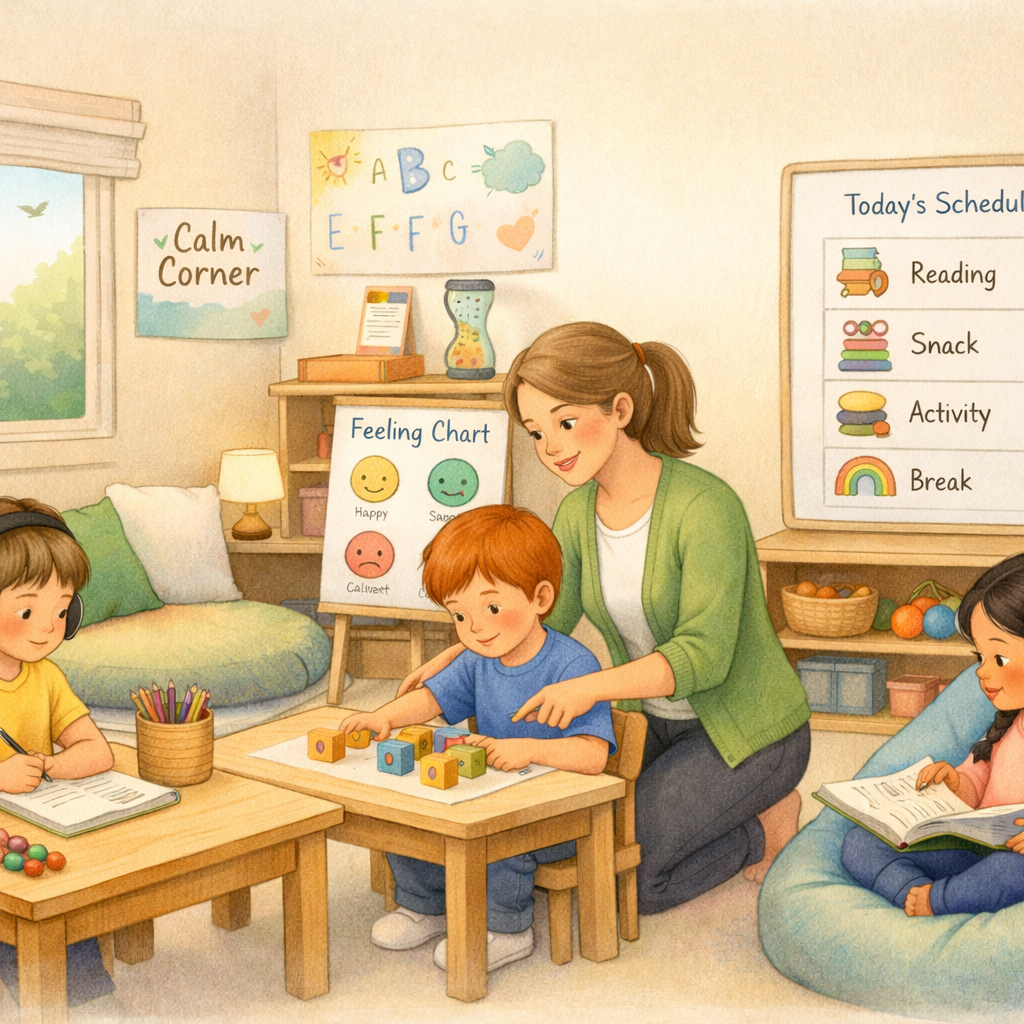
Once diagnosed, various therapies can help manage symptoms and improve a child’s daily life, tailored to individual needs. Sensory integration therapy—led by an occupational therapist—is a key treatment for SPD, using activities like swings, weighted vests, or tactile play to help children process sensory input. Cognitive behavioral therapy (CBT) can also help by teaching coping strategies for sensory-related anxiety.
Everyday support is equally important and can be integrated at home and school:
- Maintaining a consistent routine
- Using visual aids for expectations
- Providing regular sensory breaks
- Adjusting the environment, such as dimming lights or reducing noise
Conclusion
In conclusion, understanding neurodevelopmental disorders in children is crucial for providing the support they need to thrive. By recognizing the signs and symptoms of conditions such as Sensory Processing Disorder and Attention Issues, parents and caregivers can intervene early and implement effective strategies to assist their child's development. Collaboration with healthcare professionals and accessing appropriate resources can make a significant difference in the lives of affected children and their families.
If you’re seeking personalized guidance or have concerns about your child's development, don’t hesitate to reach out for a consultation or call daar at 02 9133 2500. Your child’s well-being is worth it!
Is Australia good for people with autism? - Neurodivergent
Australia offers various support systems and programs for individuals with autism, making it a favorable environment. Accessibility to specialized services, inclusive education, and community resources enhance the quality of life for those with neurodevelopmental disorders. Overall, many families find Australia accommodating for their autism-related needs and aspirations.
.svg)




.svg)