
.png?width=48&height=48&name=Group%201%20(3).png)























9 February, 2026

Kids Tantrums and the Angry Child: A Parent’s Guide to Finding Calm
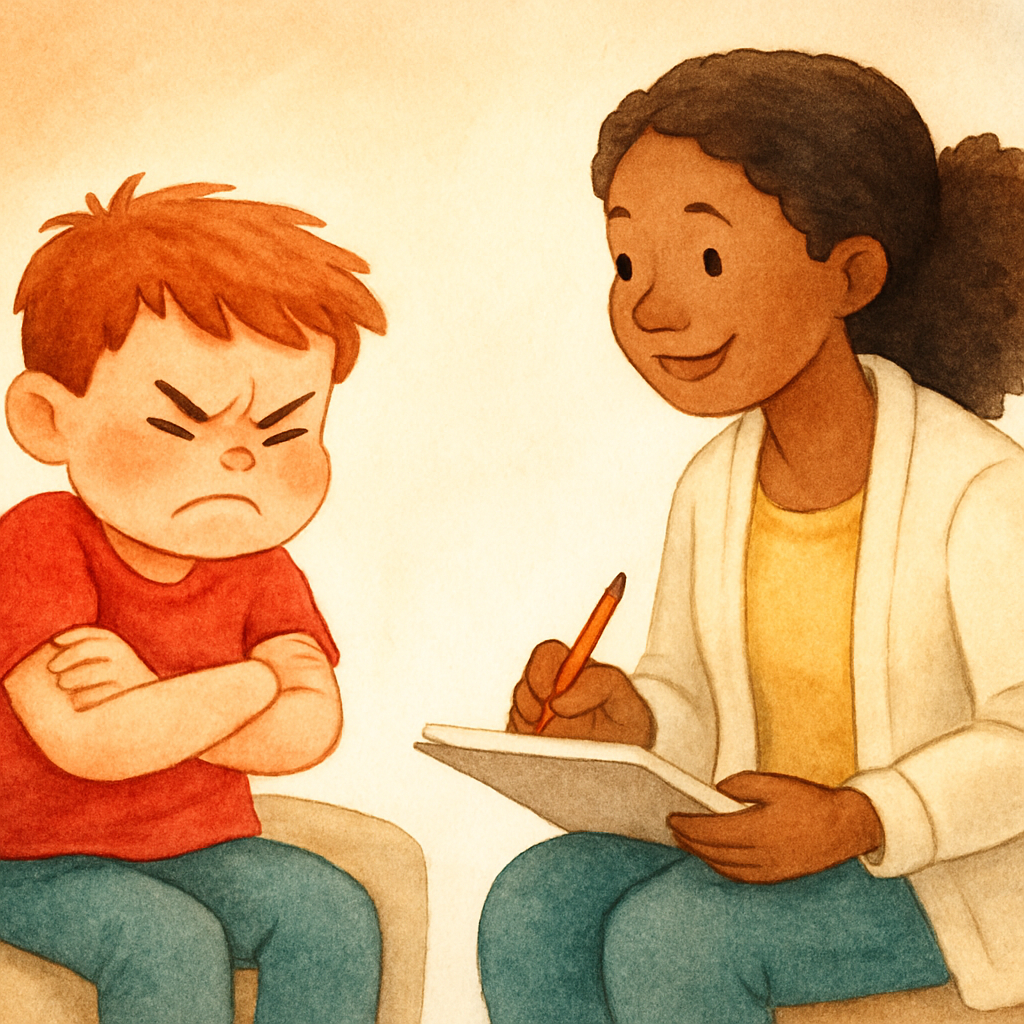
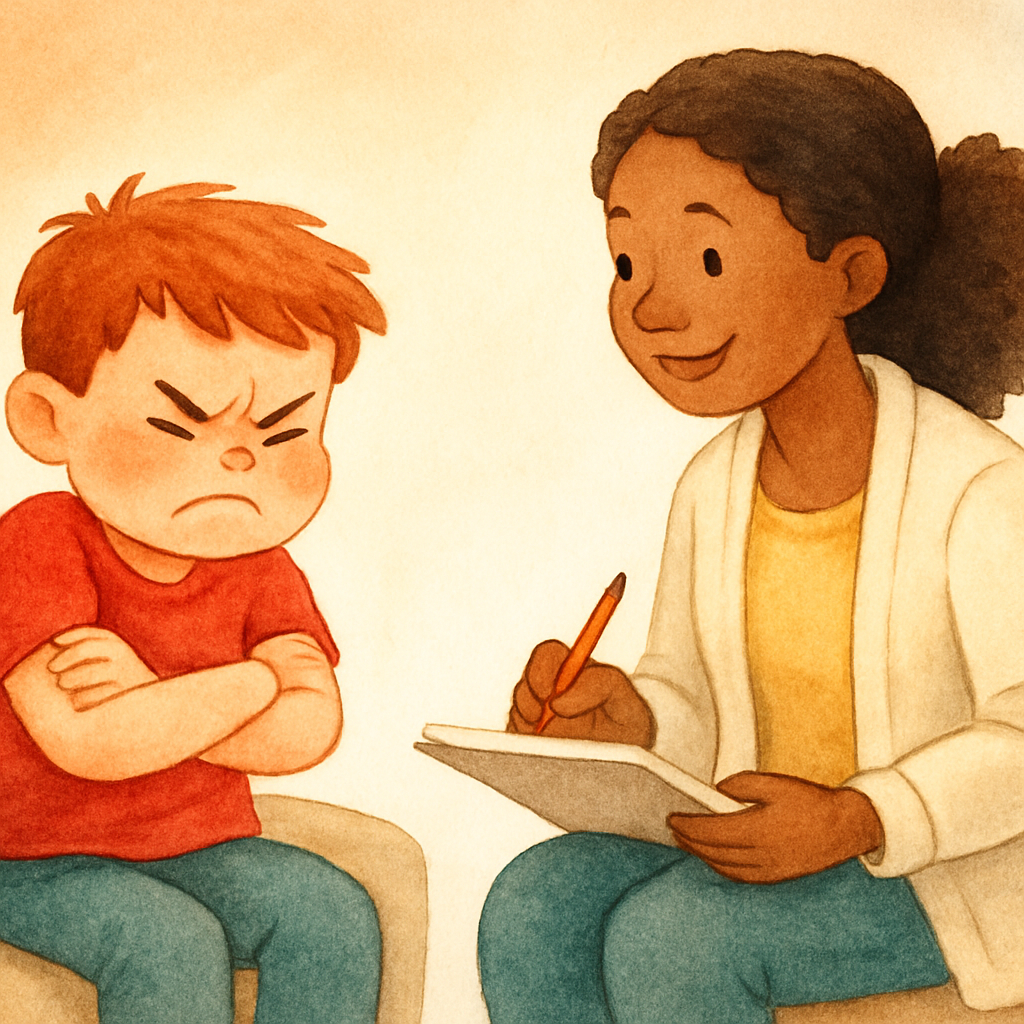
Parenting is often described as the most rewarding job in the world, but it is also one of the most emotionally demanding. Few things test a parent’s resolve quite like the explosion of kids' tantrums. One moment, everyone is laughing; the next, there is screaming, crying, and a complete emotional breakdown in the middle of the grocery store.
When you are staring down an angry child, it is easy to feel helpless, embarrassed, or frustrated. You might worry that this misbehaviour reflects on your parenting, or wonder if you are the only one dealing with such intense emotions.
The good news? You are not alone. Tantrums are a universal language of childhood distress. This guide is designed to help you translate that language, offering practical strategies to navigate the storms of childhood emotion with confidence and calm.
The Anatomy of a Meltdown: Why Do They Happen?
To manage tantrums effectively, we first need to understand what they are. Contrary to popular belief, a tantrum is rarely a calculated attempt to manipulate you. Instead, it is a sign of a system overload.
Children, especially those under the age of seven, have developing brains. The prefrontal cortex—the area responsible for logic, reasoning, and impulse control—is still under construction. When a child is tired, hungry, overstimulated, or thwarted in their desires, their emotional brain takes over.
It’s Not Just "Naughty" Behaviour
When we label an outburst simply as "naughty," we miss the opportunity to teach emotional regulation. An angry child is often a child who is struggling to process big feelings like disappointment, jealousy, or frustration. They lack the verbal skills to say, "I am feeling overwhelmed," so they show you with their body and their volume.
Decoding the Triggers
Understanding the root cause of misbehaviour is half the battle. While every child is unique, most kids tantrums stem from a few common sources:
- Physiological Needs: The classic "HALT" triggers—Hungry, Angry, Lonely, or Tired.
- Lack of Control: Toddlers and preschoolers have very little control over their lives. Being told what to wear, what to eat, and when to sleep can lead to a power struggle.
- Inability to Communicate: Frustration arises when a child knows what they want but cannot express it clearly.
- Overstimulation: Too much noise, light, or activity can cause a sensory meltdown, which looks like a tantrum but requires a different approach.
Strategies for Calming an Angry Child
When the storm hits, your goal isn't to "win" the argument; it is to help your child return to a state of calm. Here are effective ways to handle the heat of the moment.
1. Check Your Own Thermostat
An angry child can trigger an angry parent. This is known as "co-escalation." Before you react, take a deep breath. If you approach the situation with chaos, you will only add fuel to the fire. Your calm is their anchor.
2. Connection Before Correction
In the middle of a meltdown, a child cannot learn. Their logical brain is offline. Lecturing them about misbehaviour while they are screaming is ineffective.
- Get on their level: Kneel down so you aren't towering over them.
- Validate the feeling: "I can see you are so furious that we have to leave the park."
- Offer safety: "I am here. I will stay with you until you are ready."
3. The Power of "The Pause"
Sometimes, the best thing you can do is nothing. If the child is safe, step back and wait. Rushing in to fix the problem or distract them can sometimes invalidate their feelings. Allow the wave of emotion to crest and fall.
Prevention: Reducing the Frequency of Outbursts
While you cannot eliminate kids tantrums entirely, you can create an environment that makes them less likely to occur.
Routine and Predictability
Children thrive on routine. Knowing what comes next provides a sense of safety. Use visual schedules or give warnings before transitions (e.g., "Five more minutes until we clean up").
Focus on the Positive
It is easy to fall into a cycle of only noticing misbehaviour. Try to catch your child doing the right thing. "I noticed how patiently you waited for your turn. That was really helpful." Positive reinforcement builds self-esteem and encourages the behaviours you want to see more of.
Offer Choices
Give your child a sense of control by offering limited choices. Instead of "Put on your shoes," try "Do you want to wear the red shoes or the blue shoes?" This small shift can prevent a power struggle before it begins.
Conclusion
Navigating kids tantrums is one of the most exhausting parts of parenthood, but it is also a profound opportunity for teaching. Every time you respond to an angry child with patience rather than punishment, you are modeling emotional intelligence. You are teaching them that feelings—even the big, scary ones—are manageable.
Remember, misbehaviour is often just a clumsy attempt at communication. By looking past the screaming to the child underneath, you can build a stronger, more trusting relationship.
If you are feeling overwhelmed or suspect there may be underlying concerns contributing to your child's outbursts, you don't have to manage it alone. Our team of child development specialists is here to support your family.
Contact us today to schedule a consultation or call daar at 02 9133 2500 and find the peace of mind you deserve.
Frequently Asked Questions (FAQ)
What is the difference between a tantrum and a sensory meltdown?
A tantrum usually has a purpose (e.g., wanting a toy) and often stops if the child gets what they want or realizes it won't work. A sensory meltdown is a reaction to being overwhelmed (too much noise, light, or texture). During a meltdown, the child loses total control and cannot just "stop," even if the demand is removed.
How should I handle tantrums in public places?
Ignore the staring strangers; they are not the priority. Focus entirely on your child. If the behaviour is disruptive, calmly remove the child to a quieter space (like the car or outside) to help them regulate. Do not use bribes to stop the screaming, as this reinforces the behaviour.
Is ignoring misbehaviour a good strategy?
"Planned ignoring" can be effective for minor, attention-seeking behaviours (like whining or making silly noises). However, it is not appropriate for aggressive behaviour or when a child is in genuine emotional distress. They need your support to regulate during those times.
.svg)




.svg)