
.png?width=48&height=48&name=Group%201%20(3).png)
























30 December, 2025

Unlocking the Power of Positive Behaviour Support

Introduction
Welcome to the world of positive behaviour support, a compassionate and effective way to help individuals thrive. This approach isn't just about managing difficult behaviours; it's about understanding them and creating a path toward a better quality of life. By focusing on the person and their unique needs, positive behaviour support offers strategies that empower individuals, families, and caregivers. It helps people learn new skills and lead more meaningful lives, free from unnecessary restrictions.
Key Highlights
-
Positive behaviour support is a person-centered approach that aims to improve an individual's quality of life. It focuses on understanding the underlying reasons for challenging behaviours through behaviour analysis. Customized behaviour support plans are created to teach new social skills and coping mechanisms. While positive behaviour support offers many benefits, there can be risks and challenges with its implementation. These may include difficulty identifying the true causes of challenging behaviour, ensuring consistent application of a behaviour support plan, and maintaining a person’s engagement. Effective training and ongoing evaluation are important to address these issues and maximize positive outcomes.
-
It focuses on understanding the underlying reasons for challenging behaviours through behaviour analysis. Typically, a behaviour support plan is developed by trained professionals such as behaviour analysts, psychologists, or specialized educators who have expertise in behaviour support and positive reinforcement strategies. Customized behaviour support plans are created to teach new social skills and coping mechanisms. The framework uses positive reinforcement to encourage desirable actions and build self-esteem.
-
Customized behaviour support plans are created to teach new social skills and coping mechanisms.
-
The framework uses positive reinforcement to encourage desirable actions and build self-esteem.
-
Rather than just managing behaviour, it provides proactive strategies for long-term positive change.
-
It benefits individuals, families, and caregivers by creating supportive and calm environments.
Understanding Positive Behaviour Support
Positive behaviour support (PBS) is an evidence-based framework that uses the principles of behaviour analysis to address challenging behaviours. It originated from applied behaviour analysis but has evolved to be more person-centered, focusing on improving an individual's overall well-being and mental health.
The core idea is to understand why a behaviour is happening and then create a behaviour support plan with proactive strategies. This involves looking deep into the causes and teaching alternative skills. In the sections below, we will explore what PBS is, how it functions, and how it stands apart from older methods of behaviour management.
Defining Positive Behaviour Support
At its heart, positive behaviour support is a proactive and holistic approach designed to improve life for individuals with behavioural challenges. Instead of simply reacting to and trying to control behaviours, PBS seeks to understand the underlying causes. It operates on the principle that all behaviour is a form of communication, often signaling an unmet need or distress.
The primary goal is to provide comprehensive behaviour support that enhances a person's independence and social inclusion. This is achieved by creating supportive environments and teaching new, more effective ways for a person to communicate their needs and manage their emotions.
A key element of this process is positive reinforcement. By rewarding and encouraging desired behaviours, PBS helps individuals build confidence and motivation. This focus on celebrating successes, rather than punishing failures, creates a foundation for lasting, meaningful change.
How Positive Behaviour Support Works
Positive behaviour support starts with a thorough functional assessment, where a behaviour analyst identifies the triggers and purpose behind challenging behaviours—such as escaping tasks or seeking attention.
With this understanding, a personalized support plan is created in collaboration with the individual, their family, and support team. The plan focuses on proactive strategies to prevent problem behaviours and teaches positive alternative skills.
Key elements include:
-
Reducing environmental, activity, or interaction triggers
-
Teaching new communication, social, and emotional regulation skills
-
Using consistent responses to de-escalate situations and reinforce positive behaviours
Key Differences from Traditional Behaviour Management
Positive behaviour support (PBS) shifts away from traditional, reactive methods of managing behaviour. Instead of focusing on consequences and control, PBS emphasizes prevention, teaching, and understanding. Behaviour therapists using applied behaviour analysis within a PBS framework aim to build skills rather than simply suppress actions.
The key difference is in philosophy: Traditional methods ask, “How do we stop this behaviour?” while PBS asks, “Why is this happening, and what can we teach instead?” This approach creates supportive environments where individuals feel safe and understood.
PBS empowers individuals with tools for long-term success, moving beyond short-term fixes.
|
Feature |
Positive Behaviour Support |
Traditional Behaviour Management |
|---|---|---|
|
Focus |
Proactive; teaches new skills |
Reactive; stops the behaviour |
|
Goal |
Improve quality of life; build independence |
Control behaviour; ensure compliance |
|
Approach |
Person-centered; understands reasons |
Behaviour-focused; uses consequences |
|
Environment |
Creates supportive settings to reduce triggers |
Changes consequences after behaviour occurs |
Core Principles of Positive Behaviour Support
The foundation of PBS is built on a set of core principles that guide every strategy and decision. The ultimate aim is to improve the quality of life for an individual and those around them by promoting positive behaviour. This is achieved by looking beyond the surface to understand the underlying causes of actions.
At its core, PBS is about dignity, respect, and collaboration. It uses tools like positive reinforcement and assessment-based interventions to create a framework for success. The following sections will explore these key principles, including person-centered approaches, the power of positive reinforcement, and the importance of prevention.
Person-Centered Approaches in Behaviour Therapy

A person-centered approach means the individual is at the heart of all planning and support. A behaviour therapist recognizes that each person has unique experiences, desires, and capabilities. The focus is on tailoring interventions to fit the specific needs of the individual, rather than using a one-size-fits-all method.
This approach actively involves the person in decisions about their own care and support. It views all behaviour, even challenging behaviour, as a form of communication. By working to understand what the individual is trying to express, support teams can address unmet needs and reduce frustration.
Ultimately, this principle ensures that the goal is always to enhance the person's overall quality of life. It’s about helping them achieve their personal goals, build meaningful relationships, and live with greater independence and fulfillment.
Importance of Positive Reinforcement
Positive reinforcement is key to effective behaviour support. By rewarding positive actions, it encourages people to repeat them and helps shape constructive habits.
In behaviour analysis, positive reinforcement motivates individuals and boosts self-esteem. Praise and rewards build confidence, making it easier to learn new skills and replace challenging behaviours.
Focusing on what someone does right strengthens trust between individuals and caregivers. This approach shifts the focus from correction to encouragement, creating a supportive environment for positive behaviour.
Prevention and Early Intervention Strategies
One of the strengths of positive behaviour support is its emphasis on prevention and early intervention. Rather than reacting to challenging behaviours, it aims to prevent them by addressing needs before issues arise.
Prevention occurs at different levels. Primary strategies provide universal supports, like a calm and predictable environment. Secondary strategies target individuals at risk for challenging behaviours.
By identifying triggers and using these strategies, support teams can often prevent problems. This includes:
-
Reducing environmental stressors
-
Adjusting tasks to fit skill levels
-
Teaching coping skills for emotional management
Who Can Benefit from Positive Behaviour Support
Positive behaviour support is a versatile approach that can help a wide range of people. It is not limited to a specific age group or diagnosis. Anyone facing emotional or behavioural difficulties can benefit from a framework that seeks to understand them, improve their mental health, and teach new skills.
From children with developmental delays to adults with intellectual disabilities, PBS offers a path toward greater independence and a better quality of life. The following sections will detail how this approach is applied to individuals with social behaviour disorders, its use across different life stages, and its positive impact on families and communities.
Individuals with Social Behaviour Disorders
For individuals with social behaviour disorders like autism, navigating social situations can be difficult. Positive Behaviour Support (PBS) is important because it addresses the underlying causes of challenging behaviours, such as communication issues or sensory sensitivities.
Rather than just stopping unwanted behaviour, PBS offers tools and strategies to help individuals succeed. This includes targeted social skills training to teach conversation initiation, understanding social cues, and building relationships. It also provides alternative ways to communicate needs and manage frustration.
PBS benefits those with mental illness as well by offering a structured, supportive approach that reduces anxiety and builds confidence. By focusing on strengths and teaching practical skills, PBS empowers individuals to participate more fully in social settings.
Application for Children, Adolescents, and Adults
The principles of positive behaviour support are adaptable and effective across all life stages. For children, it can help develop crucial communication, social, and self-regulation skills from an early age. A behaviour therapist can work with young children to overcome problematic behaviours and build a strong foundation for future success.
As individuals become adolescents and adults, their needs change, and PBS adapts with them. For those with developmental disabilities or intellectual disabilities, this support can foster greater independence in daily living, academics, and employment. It provides strategies to navigate more complex social situations and manage adult responsibilities.
Whether it's a child struggling in school, a teenager facing social anxiety, or an adult with dementia, positive behaviour support offers a personalized and dignified way to address behavioural challenges and enhance quality of life at any age.
Families, Caregivers, and Community Impact
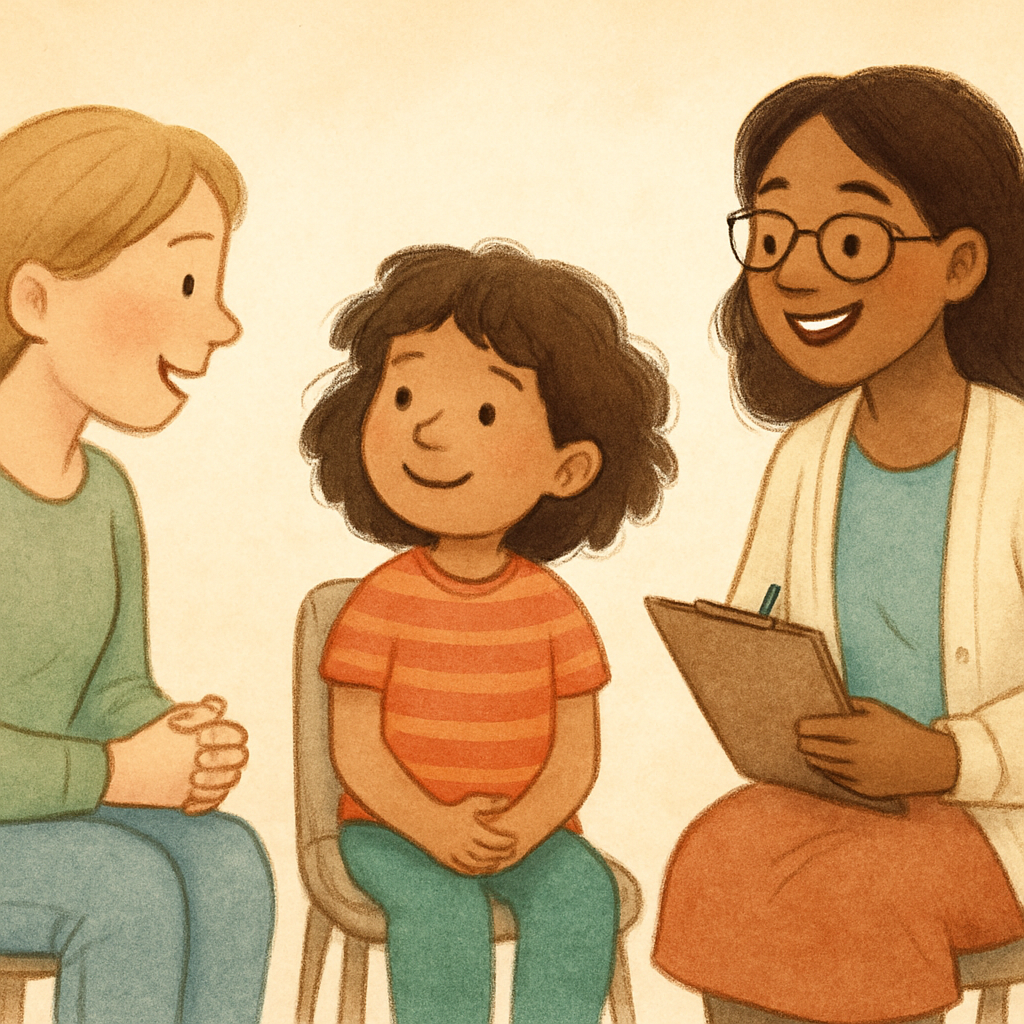
The benefits of positive behaviour support extend far beyond the individual, creating a ripple effect that positively impacts families, caregivers, and the entire community. When an individual's challenging behaviours decrease and their skills improve, it reduces stress and creates a more harmonious environment for everyone.
Family members often report feeling more empowered and less overwhelmed. They learn effective strategies to provide behaviour support, which strengthens their relationships and improves the family's overall mental health. Caregivers also benefit from clear, consistent plans that help them provide the best possible support.
The positive impact includes:
-
Reduced stress and anxiety for family members and caregivers.
-
Improved communication and stronger relationships within the family.
-
A more peaceful and stable home environment.
Positive Behaviour Support Techniques and Examples
A positive behaviour support plan is brought to life through a variety of techniques and support strategies. These methods are grounded in behaviour analysis and are designed to teach alternative behaviours while preventing challenging ones. The goal is to equip individuals with the skills they need to navigate their world successfully.
From common therapy methods to practical tools for assessment, these techniques are the building blocks of an effective PBS framework. The next sections will offer a closer look at some of these methods, share real-life examples of their success, and explore the tools used to develop a comprehensive behaviour support plan.
Common Behaviour Therapy Methods
Several evidence-based therapies are integrated into positive behaviour support to teach new skills and address underlying thoughts and emotions.
Applied Behaviour Analysis (ABA) uses learning principles to improve social skills and reduce challenging behaviours. Cognitive Behaviour Therapy (CBT) helps individuals identify and change negative thought patterns that cause distress and problematic actions.
Common methods include:
-
Applied Behaviour Analysis (ABA): Uses positive reinforcement to teach skills.
-
Cognitive Behaviour Therapy (CBT): Changes unhelpful thinking patterns.
-
Early Start Denver Model (ESDM): Play-based therapy for young children with autism.
-
Social Skills Training: Builds interpersonal skills.
Real-Life Case Studies and Success Stories
The impact of positive behaviour support (PBS) is clear in real-life examples. Zac, a four-year-old who bit when his toy was taken, learned to say “my turn” instead—addressing his need to communicate. Ethan, a withdrawn teen reliant on technology, received PBS that rebuilt his academic skills and social connections after his team identified feelings of isolation.
These cases show how PBS fosters independence and improves quality of life. By understanding why behaviours occur, support teams can create strategies that lead to lasting success—helping individuals like Richard, who now enjoys long walks and a more active, happier life.
Tools Used in Developing Positive Behaviour Support Plans
Creating an effective behaviour support plan starts with the right tools to gather information and design tailored strategies. The process begins with a functional behavioural assessment (FBA), which systematically identifies why a behaviour occurs.
Data collection methods include direct observation, interviews with family and caregivers, and questionnaires or rating scales. These help the team form a hypothesis about the behaviour’s function.
Understanding the "why" guides the development of targeted treatment plans and interventions.
|
Tool |
Purpose |
|---|---|
|
Functional Behavioural Assessment (FBA) |
Analyzes triggers, behaviours, and consequences to determine the behaviour function. |
|
Direct Observation |
Records specific behaviours and triggers in natural settings. |
|
Behaviour Data Collection Forms |
Tracks frequency, duration, and intensity of behaviours over time. |
|
Interviews and Questionnaires |
Gathers insights from individuals, families, teachers, and support staff. |
Conclusion
In conclusion, Positive Behaviour Support (PBS) is a transformative approach that prioritizes understanding and addressing the needs of individuals. By focusing on person-centered strategies, positive reinforcement, and early intervention, PBS empowers not just those with behavioural challenges but also their families and communities. The techniques and real-life success stories highlight how effective this approach can be in creating lasting positive change.
If you're interested in implementing Positive Behaviour Support, feel free to reach out for a consultation or call daar at 02 9133 2500.
Frequently Asked Questions
What makes positive behaviour support important in behaviour therapy?
Positive behaviour support is vital because it shifts the focus from punishment to understanding. A behaviour therapist uses behaviour analysis to identify the root causes of behaviour, which is crucial for improving mental health and helping individuals with social behaviour disorders learn new skills in a dignified, empowering way.
Can anyone access NDIS funding for behaviour support plans?
Yes, the National Disability Insurance Scheme (NDIS) may provide funding for behaviour therapy, including the development of behaviour support plans. Individuals with disabilities, including developmental disabilities, can often access funding for specialist behaviour support and related support strategies as part of their NDIS plan to help them achieve their goals.
What are some effective positive behaviour support strategies for schools?
In public schools, effective positive behaviour support strategies include creating supportive environments, teaching and reinforcing positive student behaviour, and implementing school-wide systems of support. Proactive behaviour support, clear expectations, and teaching social skills are key to preventing issues and fostering a positive learning climate for all students.
.svg)




.svg)