
.png?width=48&height=48&name=Group%201%20(3).png)























13 February, 2026

Behaviour Therapy for Children: Turning Challenges into Steppingstones

Every parent knows the feeling. It might be the meltdown in the grocery store aisle, the refusal to get dressed in the morning, or the phone call from the teacher about "disruptive" actions in class. When these moments become the norm rather than the exception, the stress on the family unit can be immense.
You might wonder: Is this just a phase? Am I doing something wrong? How can I help my child regulate their big emotions?
This is where behaviour therapy for children steps in.
Far from being a punishment or a sign of failure, behaviour therapy is a constructive, evidence-based approach to helping children navigate their world. It is not about changing who your child is; it is about giving them the tools to handle frustration, follow rules, and interact positively with others.
In this comprehensive guide, we will demystify behavioural therapy, explore how it works, and show you how it can transform daily struggles into opportunities for growth and connection.
What is Behaviour Therapy?
Behaviour therapy is a broad term for a range of therapy types that treat mental health disorders and behavioural issues. Unlike traditional talk therapy, which focuses on uncovering the root psychological causes of distress, behaviour therapy is action-oriented. It focuses on the "here and now."
The core philosophy is simple: Behaviour is learned.
Because behaviour is learned, unhelpful or "maladaptive" behaviours can be unlearned, and new, positive behaviours can be adopted in their place.
For children, this approach is particularly effective because they often lack the vocabulary to articulate their feelings. Instead of expecting a 5-year-old to explain why they are anxious, behavioural therapy teaches them coping mechanisms to manage that anxiety without acting out.
How It Works: The ABC Model
To understand how a therapist approaches your child’s challenges, it helps to understand the "ABC" model, a cornerstone of behaviour therapy for children.
- Antecedent (The Trigger): What happened immediately before the behaviour? (e.g., The parent said, "Turn off the TV.")
- Behaviour (The Action): What did the child do? (e.g., The child threw the remote control.)
- Consequence (The Result): What happened immediately after? (e.g., The parent got angry but let the child watch 5 more minutes to stop the screaming.)
In this scenario, the child learned that throwing the remote leads to more TV time. A behaviour therapist analyses these patterns and helps parents change the Antecedent or the Consequence to encourage a different result.
Key Techniques Used in Therapy
Behaviour therapy is not a one-size-fits-all solution. Therapists use a variety of techniques tailored to the child's age and specific needs.
1. Positive Reinforcement
This is the engine that drives behaviour change. It involves catching your child being good.
- The Strategy: Immediately rewarding desired behaviours (like sharing a toy or sitting quietly) with praise, attention, or a small reward.
- The Goal: To increase the likelihood that the positive behaviour will happen again.
2. Token Economies
You have likely seen this in classrooms. It is a structured system where children earn tokens (stickers, points, stars) for specific behaviours.
- The Strategy: "Earn 5 stars for brushing your teeth without complaining."
- The Goal: To provide a visual, tangible tracking system that motivates the child toward a larger reward (like a trip to the park).
3. Modeling
Children are excellent mimics. Behavioural therapy often involves the therapist or parent demonstrating the correct behaviour.
- The Strategy: Role-playing a scenario, such as how to ask for a turn instead of grabbing a toy.
- The Goal: To show the child exactly what "good behaviour" looks like in practice.
4. Parent-Child Interaction Therapy (PCIT)
For younger children, the parent is often the primary agent of change. In PCIT, therapists coach parents in real-time (often using an earpiece) on how to interact with their child, helping them master authoritative yet warm parenting skills.
Who Can Benefit from Behaviour Therapy?
While behaviour therapy for children is often associated with specific diagnoses, it is beneficial for a wide range of challenges.
- ADHD: It is the recommended first-line treatment for young children with ADHD, helping them improve focus and reduce impulsivity.
- Autism Spectrum Disorder (ASD): Therapies like ABA (Applied Behaviour Analysis) help build social and communication skills.
- Anxiety and Phobias: Techniques like systematic desensitization help children gradually face their fears in a safe environment.
- Oppositional Defiant Disorder (ODD): It helps reduce defiance and aggression by establishing clear boundaries and consistent consequences.
- General Behavioural Issues: Even without a diagnosis, children struggling with tantrums, sleep issues, or sibling rivalry can benefit immensely.
The Vital Role of Parents
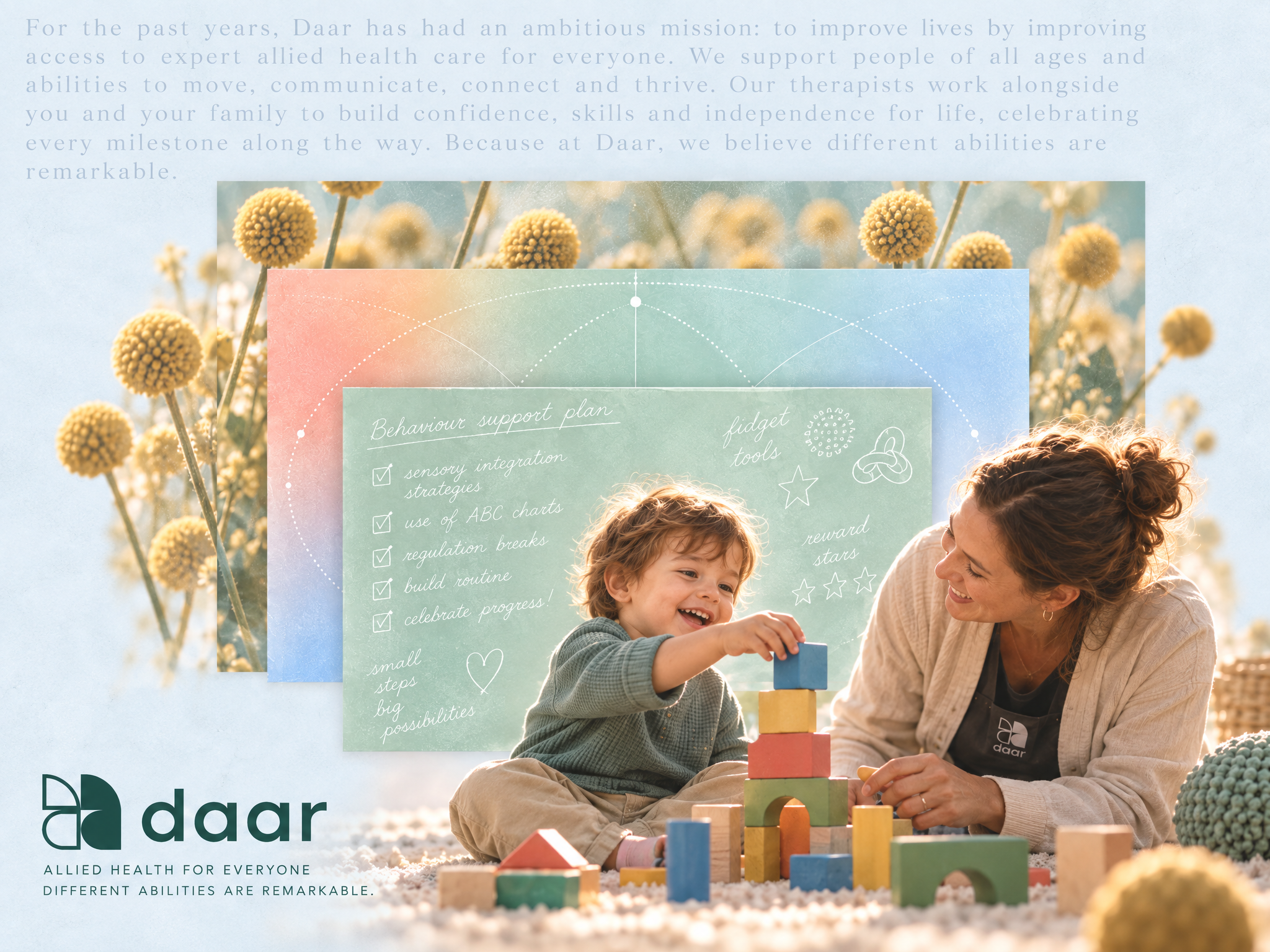
One of the most common misconceptions about behaviour therapy is that it is something that happens to the child behind a closed door. In reality, it is a partnership.
Research consistently shows that outcomes are better when parents are actively involved. You are with your child every day; the therapist is only there for an hour. By learning the techniques used in behavioural therapy, you can create a consistent environment at home.
This might mean:
- Changing how you give commands (making them clear and direct).
- Being consistent with consequences (following through every time).
- Shifting your focus from correcting the bad to celebrating the good.
Conclusion
Raising a child is the hardest job in the world, and there is no manual. When behavioural challenges arise, it is easy to feel isolated or judged. But it is important to remember that behaviour is a form of communication. Your child is trying to tell you something, and they just need help finding the right way to say it.
Behaviour therapy provides that translation. It bridges the gap between frustration and function. By investing in behavioural therapy, you are not just solving today’s tantrum; you are equipping your child with emotional intelligence and resilience that will serve them for the rest of their life.
If you are looking for support with your child’s behaviour, you don't have to do it alone. Our team specialises in compassionate, evidence-based behaviour therapy for children.
Contact us today to schedule a consultation or call daar at 02 9133 2500 and start your family’s journey toward a happier, more harmonious home.
FAQ: Common Questions About Behaviour Therapy
1. Is behaviour therapy just about discipline?
No. While it involves setting boundaries, behaviour therapy is actually rooted in positivity. It focuses much more on rewarding what the child does right than punishing what they do wrong. The goal is to build self-esteem and self-regulation, not just compliance.
2. How is this different from play therapy?
Play therapy uses play as a medium for children to express their emotions and process trauma. Behaviour therapy is more structured and directive, focusing specifically on changing actions and developing skills. However, for young children, behaviour therapists often use play as a way to teach these skills.
3. How long does it take to see results?
Behaviour change is a marathon, not a sprint. Some families see improvements in specific behaviours within a few weeks, but lasting change typically requires several months of consistent effort. It depends on the severity of the behaviour and the consistency of the intervention at home.
4. Will therapy change my child’s personality?
Absolutely not. Your child’s unique spirit, creativity, and energy will remain. Behaviour therapy for children simply gives them the "brakes" and "steering wheel" they need to navigate life safely and happily. It removes the barriers that prevent them from succeeding socially and academically.
5. Is medication a better option?
For some conditions, like severe ADHD, a combination of medication and therapy is the gold standard. However, for many behavioural issues, therapy is recommended before medication. Always consult with your pediatrician or psychiatrist to determine the best path for your specific situation.
.svg)




.svg)