
.png?width=48&height=48&name=Group%201%20(3).png)























2 February, 2026

Effective Strategies for Managing Toddler Tantrums
Introduction
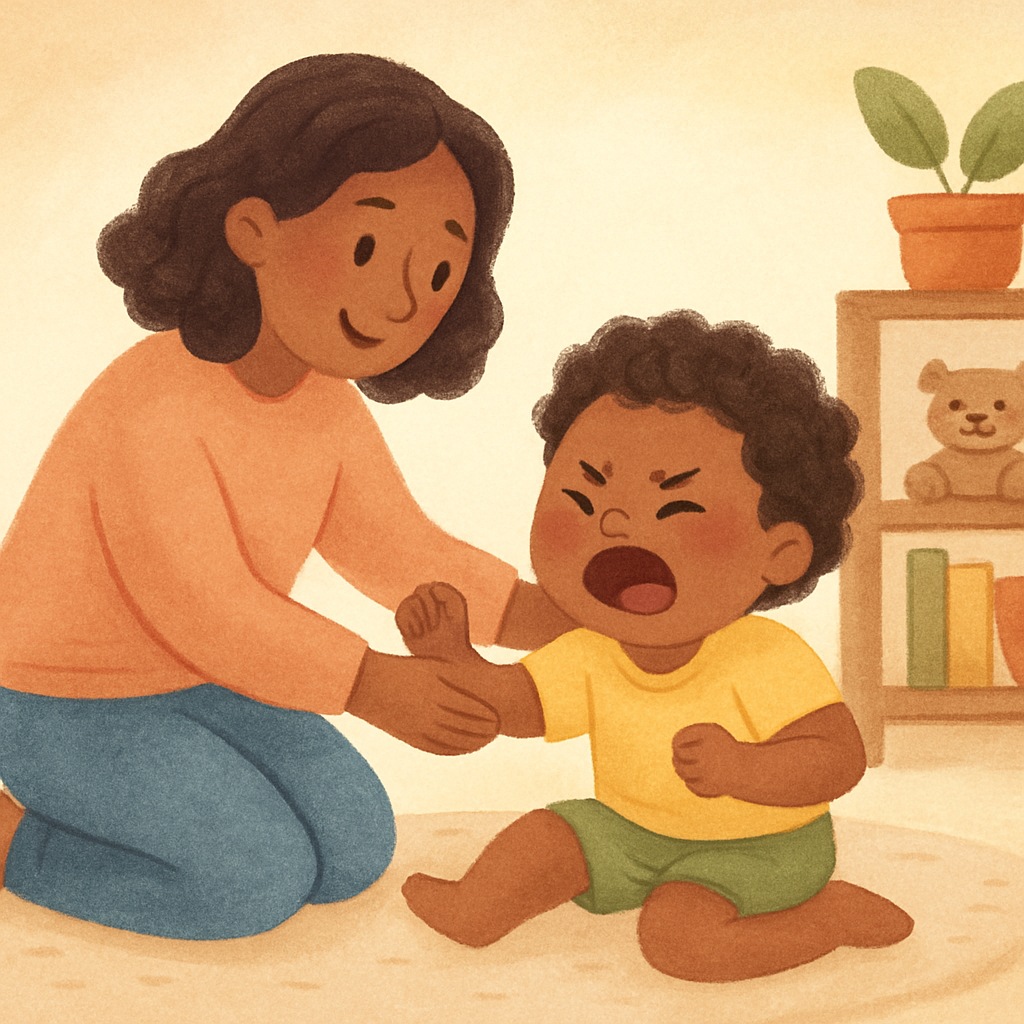
Dealing with temper tantrums can be one of the most stressful parts of parenting small children. One minute, everything is fine, and the next, your toddler is screaming on the floor. It’s exhausting and often embarrassing. But here's some good news: these outbursts are completely normal. They are not usually a sign of poor mental health but are a standard, if challenging, part of your child's journey toward independence and emotional expression. Understanding why tantrums happen is the first step toward managing them effectively.
Key Highlights
- Temper tantrums are a normal part of child development, especially for young children between one and three years old.
- Tantrums are often triggered by frustration, hunger, tiredness, or the inability to communicate needs effectively.
- Staying calm and not giving in to demands is a crucial strategy for managing these emotional outbursts.
- Identifying your toddler's triggers can help you prevent tantrums before they begin.
- While tantrums are normal, frequent or severe outbursts may indicate underlying behaviour problems.
- Praising your child for regaining control helps reinforce positive behaviour and teaches impulse control.
Emotional and Developmental Reasons Behind Tantrums
Toddler tantrums are a normal part of development and usually signal that a child is overwhelmed by emotions they can’t yet express, such as frustration or disappointment. Tantrums may also happen when toddlers seek attention or are tired, hungry, or unwell. Understanding these causes can help you respond with patience and support your child’s emotional growth. We’ll also look at how typical tantrums differ from more serious anger issues.
How Tantrums Relate to a Toddler's Emotional Development
Tantrums are a normal part of toddler development. At this age, children crave independence but often lack the skills to achieve it, leading to frustration. Limited language abilities make it hard for toddlers to express feelings like anger or disappointment, so emotions can build up and result in tantrums. Their impulse control is also weak, making it difficult to manage strong emotions calmly.
As your child’s language and self-regulation improve, tantrums usually decrease. Each outburst is a chance for them to learn about their emotions. Responding calmly helps teach your child that these feelings can be managed.
Differences Between Anger Issues and Tantrums in Toddlers
It’s important to tell the difference between normal temper tantrums and signs of more serious anger issues. Tantrums are common in toddlers and usually fade as they develop better communication and coping skills.
If tantrums become frequent, severe, or destructive as a child gets older, this could indicate underlying behavioural problems. Persistent irritability, aggressive outbursts, or self-harming behaviours go beyond typical tantrums and may signal deeper issues.
While tantrums reflect a lack of emotional control, ongoing anger can point to problems that need professional attention. If your child seems constantly angry or has extreme outbursts, consider seeking help.
Identifying Triggers and Patterns of Misbehaviour
One of the best ways to manage tantrums is to prevent them. Start by identifying what triggers your child’s outbursts—hunger, tiredness, boredom, changes in routine, or sensory overload are common causes.
Pay close attention to when and where meltdowns happen. Does your toddler lose control at the grocery store or right before naptime? Spotting these patterns lets you anticipate and avoid situations likely to trigger a tantrum. Next, let’s review common triggers and early warning signs.
Common Situations Leading to Tantrums
During the "terrible twos" and beyond, certain situations often trigger challenging behaviours. Toddlers struggle to balance their desire for independence with their abilities and your rules, leading to frustration.
Recognizing common tantrum triggers can help you prevent meltdowns and make your child feel more secure. With a little planning, you can avoid major disruptions.
Frequent tantrum triggers include:
- Frustration: Failing at a task or not getting what they want.
- Being Told "No": Disappointment from being denied something.
- Physical Needs: Tiredness, hunger, or feeling unwell increases outbursts.
- Lack of Attention: Tantrums may signal a need for your attention.
Recognising Signs of an Angry Child Before a Tantrum Starts
Before a full-blown tantrum erupts, your child will often show subtle signs of growing frustration or irritability. Learning to spot these early warnings gives you a chance to intervene and redirect their energy before they lose control. These signs can be physical, verbal, or behavioural.
Catching these cues early is a key part of teaching your child self-regulation. When you see them starting to struggle, you can name the emotion for them ("I see you're getting frustrated") and help them find a better way to handle it. While these emotional outbursts are common in toddlers, older children who still struggle with these early signs may need more targeted help.
Here are some common signs that a tantrum may be on the horizon:
|
Sign |
What It Might Mean |
|---|---|
|
Whining or Crying |
Your child is feeling overwhelmed, tired, or frustrated and is starting to lose their ability to cope. |
|
Clenched Fists |
This is a physical sign of growing tension and anger that could soon explode. |
|
Stiff Body |
Your child's body might become rigid as they fight to control, or give in to, a strong emotion. |
|
Pacing or Agitation |
Restless movement can indicate that your child is feeling anxious or upset and can't settle down. |
Strategies to Calm Your Toddler During a Tantrum
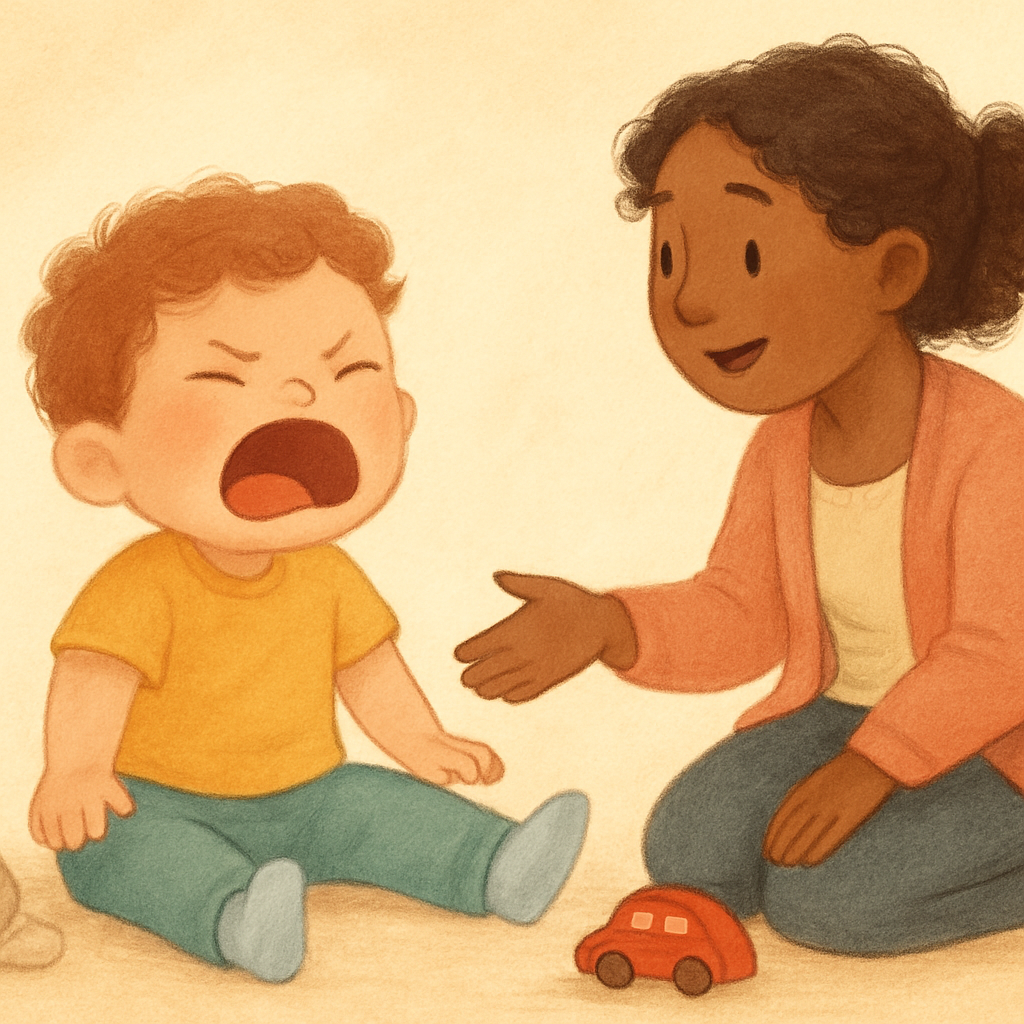
When your child has a tantrum, focus on helping them calm down. Stay calm yourself—getting angry only makes things worse. Take deep breaths and offer simple reassurance. If possible, move your child to a quiet, safe spot away from what triggered the outburst.
During a tantrum, reasoning won’t work; emotions are in control. Prioritize safety and support until it passes. Here are some effective ways parents can handle tantrums, especially when out in public.
Effective Responses for Parents and Caregivers
How you respond to a tantrum can influence whether it worsens or ends quickly. Stay calm, speak softly, and avoid giving in to demands, as this reinforces negative behaviour.
Often, ignoring the outburst is best—especially if your child wants attention. However, intervene if there’s a risk of harm. Move your child to a safe space to help them calm down.
Afterward, focus on reconnecting and encouraging positive behaviour:
- Praise them for calming down: “I like how you calmed yourself.”
- Offer reassurance and affection.
- Once they’re calm, briefly discuss what happened and their feelings.
How to Manage Tantrums in Public Places
A public tantrum can leave any parent feeling judged and overwhelmed. The key is to act quickly and focus on your child, not others’ opinions—most people have been there too.
First, remove your child from the crowded environment. Reasoning in public rarely works; instead, find a quieter spot for them to calm down.
When a meltdown happens:
- Stay calm—your child senses your stress.
- Gently move them to a private area, such as your car or a quiet corner.
- After the tantrum ends, reassure your child and continue with your day. Don’t let it disrupt everything.
Conclusion
In conclusion, managing toddler tantrums is a challenging yet rewarding journey for parents and caregivers. Understanding the emotional triggers and developmental reasons behind these outbursts equips you with the tools to respond effectively. By identifying patterns of misbehaviour and employing calming strategies, you can help your little one navigate their emotions more successfully. Remember, patience and empathy are key in these moments. The goal is not just to stop the tantrum but to teach your child how to express their feelings appropriately.
If you're looking for personalized advice tailored to your family's needs, don't hesitate to reach out for a consultation or call daar at 02 9133 2500 to explore strategies that work best for you.
Frequently Asked Questions
Are toddler tantrums a sign of behavioural issues?
Most temper tantrums are a normal part of development and not a sign of serious behaviour problems. However, according to experts like Vasco Lopes, PsyD, if tantrums are unusually frequent, severe, violent, or continue past preschool age, they could indicate an underlying issue like disruptive mood dysregulation disorder or other mental health concerns.
What can I do if my child seems constantly angry or upset?
If your child is constantly angry, it's important to manage your own anger first. Provide consistent reassurance and help them name their feelings. If the anger persists and impacts their daily life, consider seeking advice from a clinical psychologist who specializes in children's mental health to learn effective anger management strategies.
How do I know if my toddler’s tantrums need expert advice?
Talk to your GP or a psychiatrist if your child injures themselves or others during tantrums, holds their breath until they faint, or if the outbursts continue as they start school. A professional can screen for conditions like ADHD or autism and may recommend helpful strategies like parent management training.
.svg)




.svg)