
.png?width=48&height=48&name=Group%201%20(3).png)























29 January, 2026

Behavioural Therapy for Children: What Parents Should Know

Introduction
Are you wondering how to best support your child's emotional and behavioral well-being? Behavioral therapy is a form of psychotherapy designed to improve mental health by changing unhelpful behaviors. It's based on the idea that behaviors are learned and, therefore, can be unlearned or modified. This approach, which includes methods like cognitive behavioral therapy, is a powerful tool for addressing various mental health conditions and helping your child build a happier, healthier life. It provides practical strategies for both you and your child to manage challenges effectively.
Key Highlights
- Behavioral therapy is a practical approach to help your child manage challenging behaviours and improve their mental health.
- It focuses on identifying and changing unhealthy or problematic behaviors to achieve effective results.
- Cognitive behavioral therapy (CBT) is a popular type that addresses the connection between thoughts, feelings, and actions.
- This therapy can significantly enhance your child's skills, relationships, and overall quality of life.
- It is used to treat a wide range of conditions, including anxiety, ADHD, and autism spectrum disorder.
- Early intervention can prevent issues from escalating and lead to long-term positive outcomes.
Who Can Benefit from Behavioral Therapy?
Many children can find support through behavioral therapy. This mental health treatment is not just for those with a formal diagnosis of a mental illness; it can also help children struggling with specific mental health issues that affect their daily lives at home or school. The therapy works by identifying problematic behaviors and teaching new, positive ways to respond.
Different types of therapy are tailored to your child's unique needs, helping them develop better coping skills and emotional regulation. If you notice your child facing persistent challenges with their behavior, emotions, or social interactions, behavioral therapy could be a beneficial step. Some common types of behavioral therapy include Cognitive Behavioral Therapy (CBT), which helps children reframe negative thinking patterns, Dialectical Behavior Therapy (DBT), often used for emotional regulation, and Applied Behavior Analysis (ABA), which is frequently used with children who have autism spectrum disorder. Now, let’s look at some specific disorders it addresses and the signs that may indicate your child needs support.
Common Behavioral and Social Disorders Addressed
Behavioral therapy is highly effective for a wide range of social and behavioral disorders. It equips children with the tools to manage symptoms and improve their interactions with others. For chronic conditions like autism spectrum disorder, it helps in developing social skills and managing repetitive behaviors.
Therapy also provides valuable strategies for other challenging conditions. These can range from anxiety-related issues like panic disorder and obsessive-compulsive disorder to an eating disorder or impulse-control problems. Some of the most common disorders addressed include:
- Oppositional Defiant Disorder (ODD)
- Intermittent Explosive Disorder (IED)
- Conduct Disorder (CD)
- Autism Spectrum Disorder (ASD)
- Attention-Deficit/Hyperactivity Disorder (ADHD)
By targeting the specific actions and thought patterns associated with these conditions, therapists help children find more constructive ways to express themselves and navigate their world. This leads to healthier relationships and improved functioning in various settings.
Signs a Child May Need Behavioral Therapy
Recognizing when your child might need professional support is the first step toward getting them help. While all children exhibit difficult behavior from time to time, persistent and disruptive patterns could signal underlying mental health disorders. If problematic behaviors are causing significant trouble at school, at home, or with friends, it may be time to consider therapy.
These challenging behaviours often stem from negative thoughts and an inability to manage strong emotions. A therapist can help your child unpack these negative thinking patterns and develop healthier coping mechanisms. Pay attention to consistent signs that interfere with your child's happiness and development.
Some specific signs to watch for include:
- Frequent and intense temper tantrums or angry outbursts.
- Constant arguing with adults or refusal to follow rules.
- Aggressive actions toward others, such as hitting or fighting.
- Lying, stealing, or destroying property.
- Withdrawing from social activities or having trouble making friends.
What Happens During a Typical Behavioral Therapy Session?
Curious about what a behavior therapy session looks like? The process typically begins with the therapist working to understand the specific behaviors that need to be changed. Together with you and your child, they will set clear, achievable goals. The focus is on current problems and finding practical solutions.
Techniques like cognitive restructuring, where negative thoughts are challenged and reframed, may be used. For fears and anxieties, a method called exposure therapy might be introduced in a safe, controlled way. With younger children, cognitive behavioral play therapy is often used to explore feelings and behaviors through play. A session is a collaborative effort to build new skills, and the activities can vary greatly depending on your child's needs.
Techniques and Activities Therapists Use
Therapists utilize various engaging techniques and activities tailored to each child's needs. One common method is cognitive behavioral play therapy, fostering expression through play and helping to identify negative thoughts. Another approach, exposure therapy, gently introduces children to anxiety-inducing situations, promoting coping skills. Furthermore, operant conditioning techniques reinforce positive behaviors, while systematic desensitization aids in managing fears. By creating a safe environment, therapists collaborate with children and their families to implement these strategies, ensuring significant improvements in their mental health overall.
Role of Parents and Caregivers in Sessions
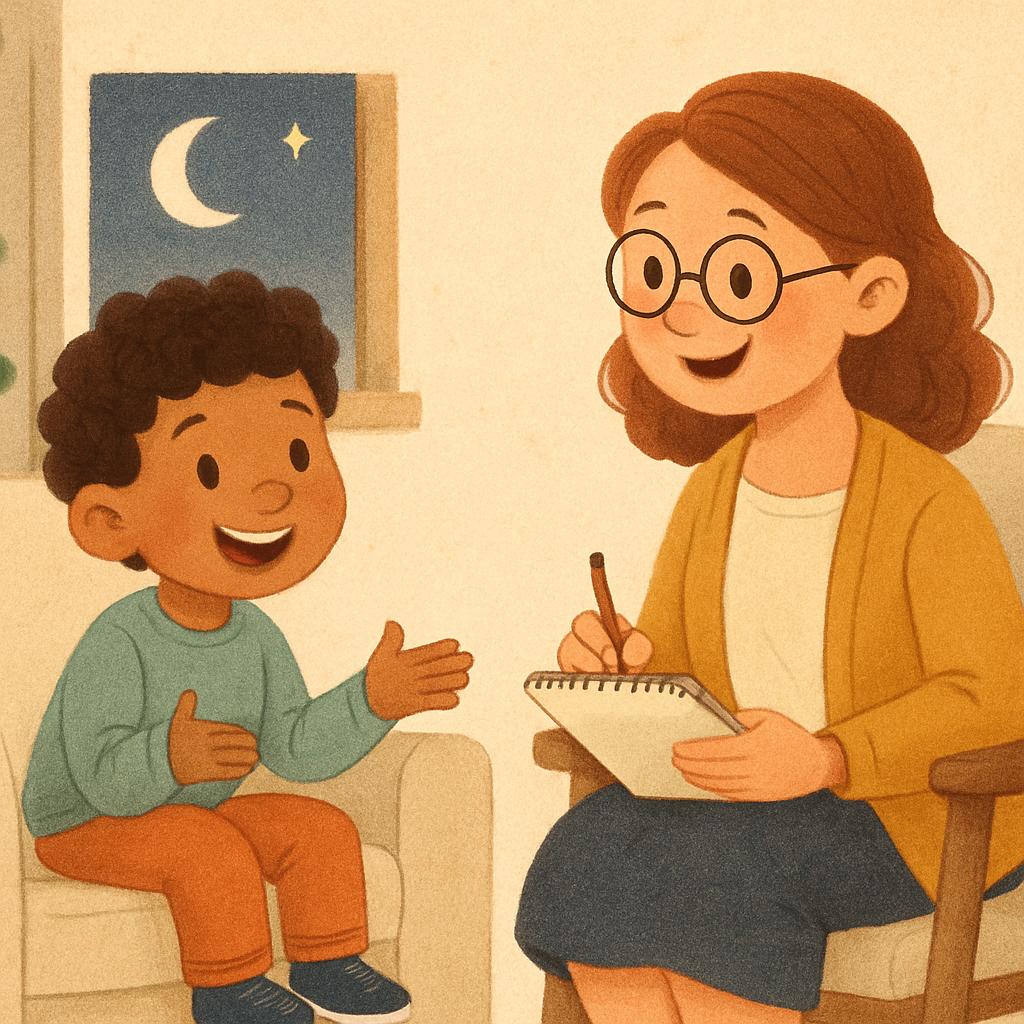
As a parent or family member, your involvement is essential to your child's success in therapy. Mental health professionals, including therapists and social workers, view you as a key partner in the treatment process. They will often teach you the same strategies used in sessions so you can provide consistent support at home.
Creating a safe environment where your child feels understood and supported is crucial. Your primary care doctor may also be involved in coordinating care. The therapist will guide you on how to implement positive behavior support, which is a proactive approach focused on rewarding good behavior rather than just punishing negative actions. This helps reinforce the new skills your child is learning.
Here’s how you can actively participate:
- Set clear and consistent rules and expectations at home.
- Use praise and rewards to encourage and motivate positive behavior.
- Practice patience and work on strengthening your relationship through quality time.
Conclusion
In conclusion, understanding behavioral therapy for children is crucial for parents who want to support their child's development and well-being. This therapeutic approach offers valuable tools to help children navigate their emotions and behaviors while fostering a positive environment for growth. By recognizing the signs that your child may benefit from therapy and being actively involved in the process, you can play a significant role in their journey toward improved mental health. If you have further questions or are seeking guidance on finding a qualified behavioral therapist, don’t hesitate to reach out for more information. Your child's mental health matters, and taking the first step is essential.
Contact us today for a consultation or call daar at 02 9133 2500 for more information.
Frequently Asked Questions
Is behavioral therapy covered by the NDIS in Australia?
Whether behavioral therapy is covered by the NDIS depends on your child’s individual plan and goals. Many types of mental health treatment can be funded if they are considered reasonable and necessary to help your child. It is best to speak directly with your NDIS planner or contact mental health professionals to discuss your specific situation.
Are there any risks or side effects of behavioral therapy for children?
Behavioral therapy is generally very safe and effective. Some children may feel uncomfortable at first when discussing their mental health issues or confronting difficult feelings. The process of changing negative thought patterns with cognitive behavioral therapy can be challenging, but a qualified therapist ensures this happens in a supportive and gentle way.
How do I find a qualified behavioral therapist in Australia?
A great first step is to talk to your primary care doctor. They can provide a referral to qualified mental health professionals, such as a psychologist or psychiatrist. You can also research providers who specialize in child behavioral therapy and ensure they have the necessary certifications and experience in clinical practice.
.svg)




.svg)