
.png?width=48&height=48&name=Group%201%20(3).png)























3 February, 2026

Addressing Behavioural Concerns of a Child: What Parents Can Do
Introduction
All children can be defiant or impulsive from time to time; it's a normal part of growing up. However, some kids display challenging behaviours that are outside the norm for their age. These behavioural problems can be confusing and stressful for caregivers. Understanding your child’s behaviour is the first step toward finding solutions that support their long-term mental health. This guide will help you understand the causes of these behaviours and what you can do to help.
Key Highlights
Here are the main points to remember when addressing your child’s behaviour:
- Understanding the root cause of misbehaviour, whether it's developmental or emotional, is the first step.
- Frequent temper tantrums can stem from frustration, anxiety, or underlying conditions like ADHD.
- Positive discipline techniques are more effective than punishment for reducing behavioural concerns.
- A child's environment and a parent's approach play a significant role in shaping their actions.
- Some behaviour disorders may require professional help for diagnosis and treatment.
- If your child’s behaviour disrupts family life or school, it’s time to seek a comprehensive evaluation.
Typical Causes of Misbehaviour and Tantrums
Misbehaviour is a form of communication. When your child acts out, they are often trying to express feelings they can't put into words. This emotional distress can lead to temper tantrums and defiance, which are signs that your child is struggling with feelings they don’t yet have the skills to manage.
These actions can result from temporary stressors or represent more enduring disorders. Knowing what’s behind the misbehaviour is key to responding effectively. The causes can range from emotional triggers to environmental influences.
Emotional Triggers and Developmental Factors
Emotional outbursts are a normal part of child development. Young children, still learning to manage strong feelings, may lash out when overwhelmed or unable to express themselves. Changes in routine can trigger tantrums because children rely on consistency for comfort.
Anxiety is another common cause. Anxious children might act out in stressful situations, such as being criticized at school, as a way to escape pressure they can't handle.
Underlying issues like ADHD also contribute. Children with ADHD are easily frustrated and may act out when faced with boring or difficult tasks. These emotional and developmental factors help explain your child's behaviour.
The Influence of Environment and Parenting Styles
A child’s home environment significantly shapes their behaviour. Stressors like family conflict, poverty, or neglect increase the risk of behavioural issues. Children exposed to domestic violence or substance abuse face even higher risks. Family members’ actions and attitudes set the example children follow.
Parenting style is also key. Experts describe four main types: authoritarian (strict, unyielding), authoritative (firm but attentive), permissive (few rules), and uninvolved (detached).
Research finds that the authoritative style—combining clear rules with support and open communication—raises the most well-adjusted, happy children. This approach helps kids feel understood and secure.
Differences Between Toddler and School-Aged Child Behaviour
What is considered normal behaviour changes as a child grows. The outbursts and defiance you see in toddlers and preschoolers are very different from the challenges you might face with older children. A tantrum from a two-year-old is often a sign of frustration, while similar behaviour in a ten-year-old could be more concerning.
If challenging behaviours continue or become more intense as a child gets older, they could be signs of behaviour disorders. Understanding these age-based differences is key to knowing when to be patient and when to seek help. The following sections will explore what to expect at each stage and how to adjust your approach.
Unique Challenges and Expectations at Different Ages
The challenges and expectations for behaviour evolve as children move through different developmental stages. For young children, especially in preschool, learning to share and take turns is a major hurdle. They are just beginning to understand social rules and may become frustrated easily.
School-aged children, on the other hand, face different pressures. They deal with homework, more complex social interactions, and greater expectations for self-control. Repeatedly acting out in school could be a sign of an undiagnosed learning disability, as the child might use disruptive behaviour to hide their academic struggles.
Here is a look at some common behavioural differences between these age groups:
|
Developmental Stage |
Typical Behavioural Challenges |
|---|---|
|
Toddlers/Preschoolers |
Hitting, biting, or kicking; frequent tantrums over sharing; difficulty following directions; screaming when frustrated. |
|
School-Aged Children |
Arguing with adults; refusing to do homework; deliberate defiance of rules; blaming others for misdeeds; difficulty with peers. |
How to Adjust Parenting Approaches by Age Group
Your parenting strategies should adapt as your child grows. For younger children, simple and immediate techniques are often most effective. Time-outs for nonviolent misbehaviour can work well for children under eight, as they provide a clear and consistent consequence. This approach should always be balanced with positive attention and praise for good behaviour.
As children get older, you will want to shift toward strategies that build their communication skills and sense of responsibility. A system of positive reinforcement, like earning points toward a reward for appropriate behaviour, can be very effective. This teaches them that good choices lead to good outcomes.
Here are some positive discipline strategies to try:
- Use time warnings before transitions (e.g., "We're leaving in 10 minutes").
- Break down tasks into simple, one-step directions.
- Practice problem-solving skills with your child when they are calm.
- Consider behaviour therapy training to learn more structured techniques.
The Role of Emotions in Childhood Behavioural Issues
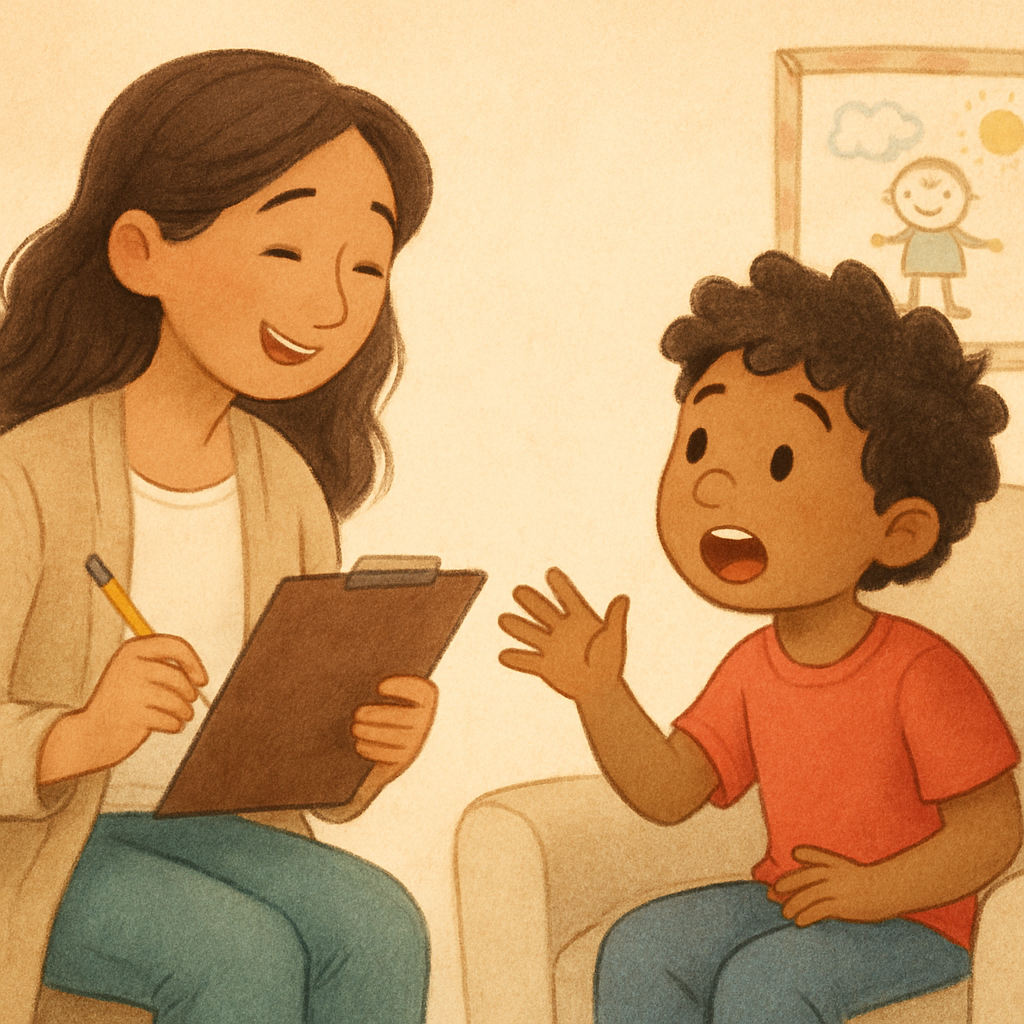
Behaviour reflects a child's emotional state. Outbursts and defiance often stem from strong emotions that the child can't manage. Emotional distress is a major cause of behavioural issues—children who lash out usually lack the skills to handle their feelings maturely.
Frequent, intense struggles may signal an underlying mental health disorder. Recognizing the link between emotions and behaviour is key to helping your child develop healthier coping skills. The next sections explain how to understand your child's anger and support them in managing big feelings.
Understanding Anger in Children
Anger in children often stems from frustration. When kids lack language or problem-solving skills, they may act out aggressively. An angry outburst usually means they’re overwhelmed and can’t cope effectively.
You can often spot anger building through clenched fists, stiff posture, or certain facial expressions. These cues signal rising frustration and a possible outburst. Noticing them early lets you intervene before things escalate.
Remember, a child who lashes out isn’t being manipulative—they simply can’t manage their anger yet. Seeing their behaviour as distress, not defiance, helps you respond with empathy and effectiveness.
Helping Your Child Manage Big Feelings
When your child is overwhelmed by strong emotions, your calm presence is your most powerful tool. If you can stay in control of your own emotions, you model self-regulation for your child and teach them to do the same. Shouting will only make them more defiant.
After they have calmed down, praise them for pulling themselves together. This reassurance shows them that they are capable of managing their emotional distress. It is also important not to give in to their demands during an outburst, as this only encourages the behaviour to continue.
When they are not upset is the best time to practice better ways to handle feelings. Here are a few calming strategies:
- Stay calm and speak in a steady voice.
- Praise them for expressing feelings verbally.
- Help them identify their emotional triggers.
- Practice problem-solving skills together.
- Avoid giving in to demands during a tantrum.
- Offer comfort and reassurance once they are calm.
Effective Strategies for Addressing an Angry Child
When faced with an angry child, having a plan is crucial. Responding consistently and calmly can make a huge difference. Effective strategies often involve a combination of positive discipline, teaching self-regulation, and providing clear consequences for aggressive actions.
The goal is to help your child learn to manage their anger before it leads to an explosive outburst. Techniques like parent-child interaction therapy or other forms of behaviour therapy training can equip you with the tools to handle these situations. The following sections offer specific strategies you can start using today.
Positive Discipline Techniques That Work
Positive discipline focuses on teaching good behaviour rather than just punishing bad behaviour. It helps you build better communication skills with your child and reduces behaviour problems over time. One key technique is to pay more attention to your child's positive actions and ignore minor misbehaviours. This reinforces the behaviour you want to see.
When consequences are needed, they should be consistent and immediate. For younger children, a time-out in a safe, uninteresting space can be effective. This removes them from a rewarding environment and gives them a chance to calm down without receiving attention for the negative behaviour.
Here are some positive discipline techniques to try:
- Praise your child specifically for good behaviour.
- Use consistent and immediate consequences for aggression.
- Ignore minor misbehaviours that are not harmful.
- Work on improving your parent-child relationship when things are calm.
Teaching Self-Regulation and Calming Skills
A key part of managing anger is teaching your child self-regulation. This means helping them learn to recognize the signs of growing frustration and use calming skills to cool down. When a child can control their thoughts and behaviours, they are less likely to have explosive outbursts. This process of learning emotional regulation takes time and practice.
You can work with your child to create a "calm-down plan." This might involve going to a quiet space, taking deep breaths, or squeezing a stress ball. The goal is to give them a set of tools they can use to defuse their anger before it takes over.
Here are some ways to teach self-regulation and calming skills:
- Help your child name their feelings (e.g., "It sounds like you're feeling frustrated").
- Teach relaxation techniques like deep breathing.
- Create a designated "calm-down corner" with soothing items.
- Encourage your child to excel in their talents to build self-esteem.
Conclusion
In conclusion, addressing a child's behaviour requires understanding the factors behind their actions. By identifying common causes, emotional triggers, and developmental stages, parents can better meet their child’s needs. Using positive discipline and teaching self-regulation can greatly improve challenging behaviours. Remember, parenting is a learning process, and open communication is essential. If you feel overwhelmed, seeking professional help is always a valuable option.
Book a consultation or call daar at 02 9133 2500 today! Your commitment to your child’s emotional well-being is commendable.
Frequently Asked Questions
When Should Parents Seek Professional Help?
You should seek professional help if your child's behaviour disrupts daily family life, causes problems at school, or becomes violent. If you notice symptoms of a disorder or feel overwhelmed, contact your pediatrician. They can rule out medical causes and refer you for a comprehensive evaluation to support your child's mental health.
What Are Warning Signs a Child’s Tantrums are Serious?
Warning signs include frequent tantrums that are unusually intense, last for a long time, or occur past the typical preschool years. If your child is self-harming, being aggressive toward others, or destroying property during outbursts, these behavioural issues may signal greater emotional distress or a potential conduct disorder.
How Can Parents Support a Child with Challenging Behaviours at Home and School?
Provide additional support by creating consistency across different settings. Work closely with teachers to use the same strategies at home and school. Focus on teaching social skills and consider behaviour therapy training for structured guidance. You can find useful resources on an official gov website or through mental health organizations.
.svg)




.svg)