
.png?width=48&height=48&name=Group%201%20(3).png)























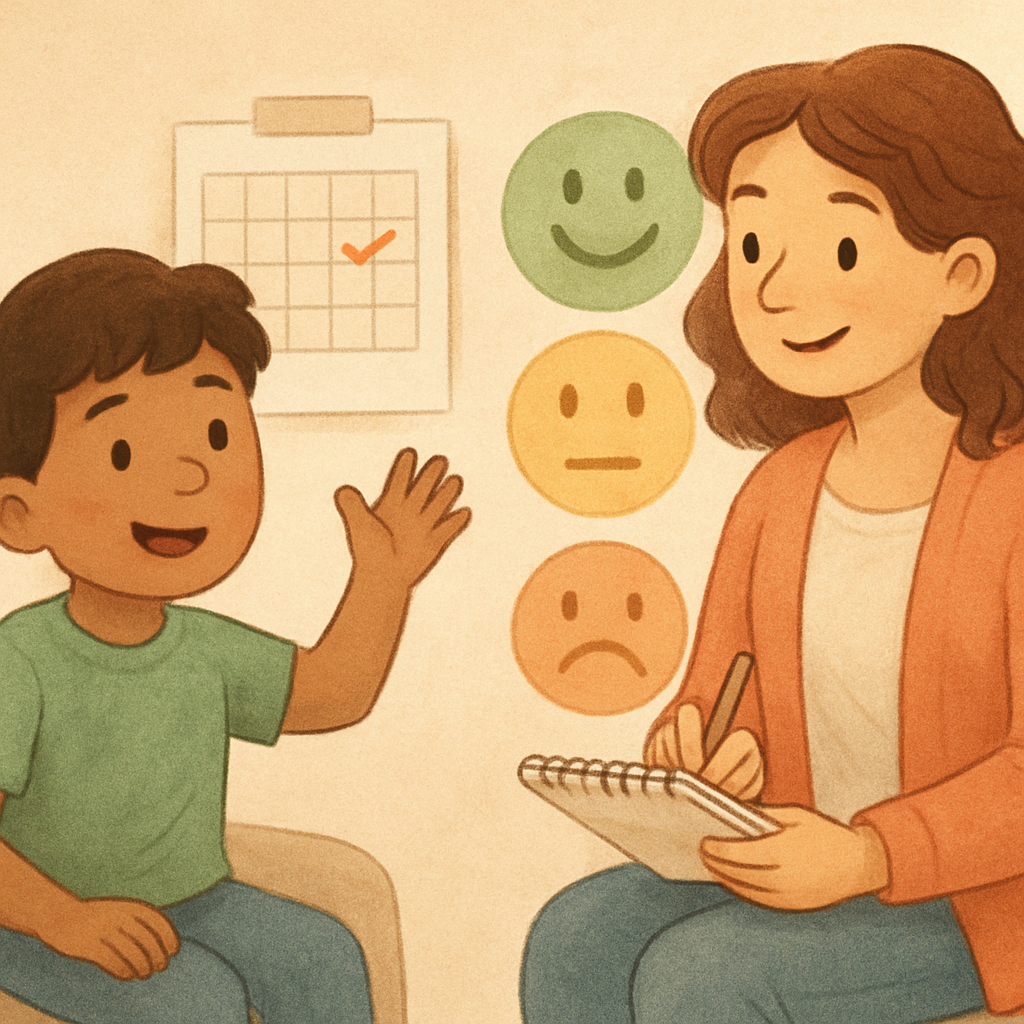
5 January, 2026

Exploring Positive Behaviour Therapy for Children
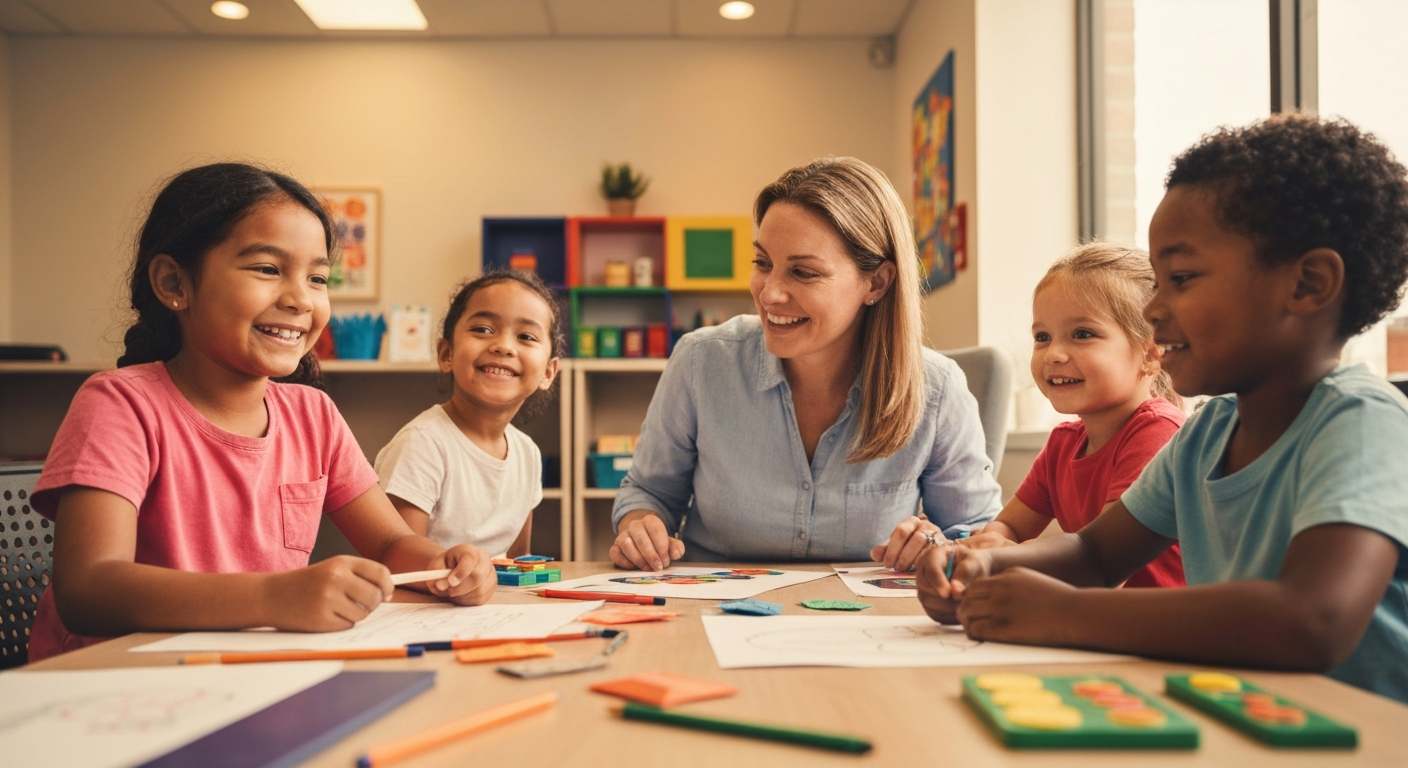
Introduction
Feeling confident and comfortable in social settings is a vital part of your child’s overall mental health. Many children find social interactions challenging, which can lead to feelings of isolation. If your child struggles with connecting with others, you are not alone. Fortunately, a focused type of behaviour therapy can help them build the skills they need to thrive. This effective mental health treatment provides practical tools and strategies to improve how they relate to others, ultimately enhancing their well-being.
Key Highlights
-
Positive behavioural therapy is a practical approach focused on improving a child's mental health and social skills.
-
It uses techniques like positive reinforcement to teach new skills and reduce challenging behaviours.
-
The therapy is highly effective for children with Autism, ADHD, and other social or emotional difficulties.
-
A key goal is to build confidence and competence in various social situations through structured practice in a therapy session.
-
Family involvement is crucial for reinforcing lessons and ensuring consistent progress at home.
-
This approach helps children develop emotional regulation and better interpersonal relationships.
What is Positive Behaviour Therapy?
So, what is positive behaviour therapy? It is a specialized and effective treatment designed to improve your child's social functioning and boost their mental health. This therapy is rooted in the principle that behaviours are learned and can therefore be changed. It offers a structured way to develop skills that may not have come naturally.
The process is collaborative and begins with a thorough behaviour analysis to identify specific challenges. Your therapist will then work with you and your child to create a personalized plan. During a therapy session, the focus is on practical, action-oriented steps to help your child learn and grow in a supportive environment, especially for various mental health conditions.
Defining Positive Behaviour Therapy for Children
Positive behaviour therapy for children teaches essential life skills and reduces difficult behaviours using praise and rewards, rather than punishment. It helps kids learn to share, take turns, understand feelings, and manage emotions in social situations.
By breaking down complex social behaviours into smaller steps, this approach makes learning easier and builds a foundation for healthy relationships and self-esteem. It empowers children, boosting confidence and mental health.
This therapy is especially helpful for children with developmental or behavioural challenges such as autism, ADHD, or emotional regulation issues. With practical tools and consistent support, positive behaviour therapy helps kids navigate life more effectively and prepares them for future success.
Key Principles and Foundations
Positive behaviour therapy is based on the idea that behaviours are learned and can be changed. It uses operant conditioning, focusing on positive reinforcement—rewarding desired actions to encourage them.
Instead of punishment, this approach builds positive associations with learning and social interaction. For example, praising a child for sharing a toy motivates them to repeat that behaviour, making learning enjoyable.
Key principles include:
-
Positive Reinforcement: Rewarding good behaviour works better than punishing bad.
-
Skill Building: Teaching new skills replaces challenging behaviours.
-
Structured Practice: Skills are developed through guided practice in a safe setting.
-
Data-Driven Decisions: Progress is monitored to refine strategies.
Evolution of Behaviour Therapy Practices
Behaviour therapy originated in the early 20th century with behaviourism, which focused on observable actions and theories like classical conditioning. This scientific approach set the stage for measurable methods in psychology.
Over time, therapists recognized the impact of thoughts and emotions on behaviour, leading to cognitive techniques like cognitive restructuring. These methods help individuals identify and change unhelpful thought patterns.
This evolution gave rise to Cognitive Behavioural Therapy (CBT), which addresses both thoughts and behaviours. CBT offers a more comprehensive approach than traditional behaviour therapy, effectively treating a wide range of psychological issues.
How Positive Behaviour Therapy Works
Positive behaviour therapy works in a structured and collaborative way. Everything starts with a comprehensive behavioural analysis to understand your child's specific challenges and the triggers behind them. This assessment helps the therapist create personalized treatment plans focused on replacing maladaptive behaviours with positive, adaptive behaviours.
During a therapy session, your child will learn and practice new skills in a safe and supportive setting. The goal is to provide practical tools they can use in their everyday life. The following sections will explore the theoretical models behind this approach, the core steps in therapy, and the vital role of observation.
Theoretical Models in Practice
Positive behaviour therapy combines several proven models for effective interventions. Social learning theory suggests children learn behaviours by observing and imitating others, such as parents or therapists—often through role-play in sessions.
Operant conditioning uses reinforcement, like therapist praise, to encourage positive behaviours. Cognitive behavioural therapy (CBT) helps children link thoughts, feelings, and actions, empowering them to challenge negative thinking that drives problem behaviours.
Comparison of approaches:
|
Therapy Approach |
Primary Focus |
Key Technique |
|---|---|---|
|
Socialized Behaviour Therapy |
Improving social behaviours and interpersonal skills |
Role-playing and modeling (social learning) |
|
Cognitive Behavioural Therapy |
Changing negative thought patterns affecting behaviour |
Cognitive restructuring and challenging beliefs |
Core Steps and Processes in Therapy Sessions

A typical positive behaviour therapy session follows a clear structure for progress. The therapist and child set achievable goals together, helping the child take ownership of their growth.
Next, the therapist introduces tailored behavioural techniques, such as role-playing social scenarios, practicing relaxation exercises, or gradual exposure to feared situations—for instance, using exposure therapy to help a child with anxiety build confidence.
Sessions usually include:
-
Assessment: Identifying behaviours and triggers.
-
Goal Setting: Defining desired changes.
-
Intervention: Teaching and practicing new skills.
-
Reinforcement: Praising and rewarding progress to motivate the child.
Role of Observation and Assessment
Before starting therapy, a thorough assessment is essential. Therapists closely observe and analyze behaviour to understand its triggers and purpose—whether it’s seeking attention, avoiding tasks, or communicating needs. This process isn’t about judgment but gathering information for effective, personalized treatment plans. By identifying why a child behaves a certain way, therapists can teach healthier ways to meet their needs, leading to lasting positive change.
Who Benefits Most from Positive Behaviour Therapy?
A wide range of children can find growth and relief through positive behaviour therapy. It is especially helpful for those dealing with mental health conditions that directly impact social functioning and daily interactions. This therapy offers practical solutions by teaching new skills and building confidence.
Whether your child is struggling to make friends, manage big emotions, or navigate school, this approach is adaptable. It provides the tools to build better social skills and navigate social landscapes more effectively. The following sections will explore how it helps children with specific challenges like autism and ADHD.
Children with Autism Spectrum Disorder (ASD)
Positive behaviour therapy offers children with autism a structured, supportive way to learn essential skills. Sessions focus on improving communication, social interactions, and daily living, tailored to each child's needs.
Therapists break down complex behaviours into manageable steps, making it easier to learn skills like eye contact, conversation, and reading non-verbal cues. Positive reinforcement builds confidence and makes learning rewarding.
By developing these key abilities, positive behaviour therapy helps children connect with others and participate in their communities, supporting long-term mental health and well-being.
Children Facing ADHD or Attention Difficulties
Children with ADHD or attention difficulties often struggle with impulsivity, organization, and focus. Positive behaviour therapy offers practical strategies to help them manage these challenges by teaching adaptive behaviours for school and home.
Cognitive behaviour therapy techniques help children recognize and control impulses, such as learning to "stop and think" before acting or using tools to stay on task. The goal is to build self-monitoring skills and encourage thoughtful responses.
Clear routines, consistent reinforcement, and targeted skill-building exercises empower children with ADHD to better control their actions, leading to improved academics, stronger friendships, and greater self-confidence.
Support for Emotional and Social Challenges
Many children face emotional and social challenges that can impact their quality of life, such as social anxiety or difficulty managing anger. Positive behaviour therapy provides essential support by teaching emotional regulation and effective coping mechanisms. It gives children a toolbox of strategies to handle big feelings in healthy ways.
Therapists create a safe space for children to explore their emotions and practice new social skills. Through role-playing and guided activities, a child can learn how to express their needs clearly, navigate disagreements, and build resilience. This targeted social skills training is a core part of the therapy.
This approach can help with a variety of challenges, including:
-
Managing feelings of anxiety or frustration
-
Building confidence in social situations
-
Developing stronger friendships and peer relationships
Social Skill Development Through Behaviour Therapy
What kind of social skills can your child expect to improve through behaviour therapy? The range is quite broad and covers nearly every aspect of social interaction. The therapy focuses on practical skill development that can be applied immediately, from learning to listen actively to expressing needs clearly. Many mental health issues are linked to difficulties in this area.
Drawing on principles from social learning theory, the therapy uses observation and practice to build skills. Techniques are often adapted to be age-appropriate and fun, sometimes using methods like play therapy to teach cooperation and improve interpersonal relationships. The following sections will detail some of the key skills your child can develop.
Building Interpersonal Communication
Effective communication is more than just talking; it involves understanding non-verbal cues, tone of voice, and the natural flow of a conversation. In behaviour therapy, social skills training helps children learn these nuances through structured practice. A key focus is on active listening—fully paying attention, reflecting on what is said, and asking thoughtful questions.
This helps children with social anxiety by shifting their focus away from their own worries and onto the other person, making conversations feel less daunting. Elements of cognitive therapy are also used to address unhelpful thoughts, like the fear of saying the wrong thing, which can hold a child back.
You will see your child learn to:
-
Ask open-ended questions to keep conversations going.
-
Show they are listening through nods and affirmations.
-
Make appropriate eye contact to show engagement.
Reducing Aggressive or Disruptive Behaviours
When children exhibit behavioural issues like aggression or disruption, it is often a sign that they lack the skills to manage their feelings or communicate their needs effectively. Positive behaviour therapy addresses this by identifying the triggers for these harmful behaviours and teaching healthier alternatives. The goal is to replace maladaptive behaviours with constructive ones.
Instead of simply trying to stop a negative action, the therapist works with the child to understand what they are trying to achieve with that behaviour. For example, if a child hits when frustrated, therapy would focus on teaching them to use their words or take a break to calm down.
This proactive approach empowers children with better ways to handle difficult situations. By learning and practicing new coping strategies in a supportive environment, they can reduce their reliance on disruptive behaviours and build more positive relationships with others.
Encouraging Cooperative Play and Peer Interaction
Play is a child's natural language, making it a powerful tool for teaching new skills. Play therapy provides a fun, low-pressure setting where children can practice cooperative play and peer interaction. Through engaging activities, they learn essential social rules like sharing, taking turns, and working as a team.
Based on the principles of social learning, therapists guide these interactions, praise cooperation, and help children resolve conflicts constructively. For example, a therapist might use a board game or a block-building activity to encourage teamwork and communication. The child learns by doing and by observing others.
These playful experiences help children build a positive foundation for social engagement. They discover that interacting with others can be enjoyable and rewarding, which boosts their confidence and motivation to seek out positive peer interaction outside of therapy.
Positive Behaviour Support (PBS) in Australia
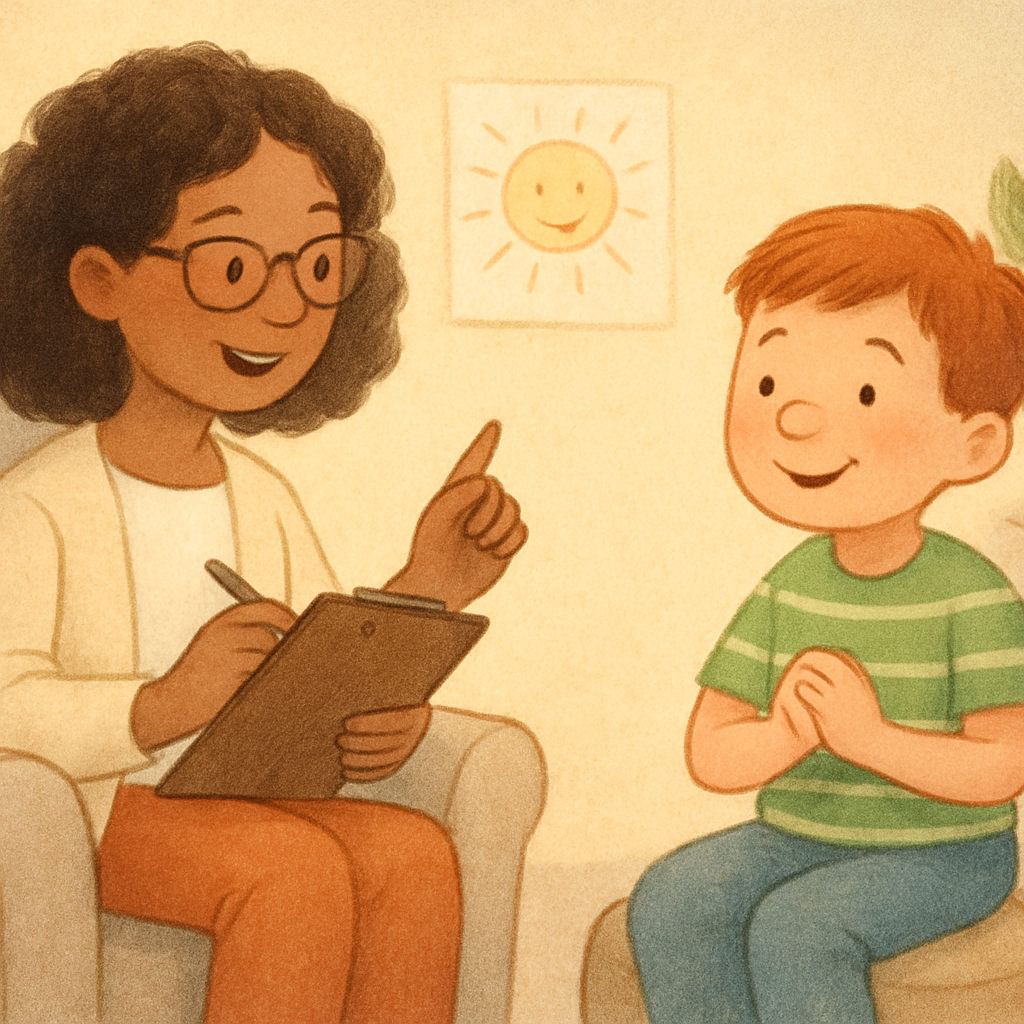
In Australia, Positive Behaviour Support (PBS) is a widely recognized framework for helping individuals with complex behavioural needs. It is a person-centered approach that focuses on understanding the reasons behind behaviours to improve a person's quality of life. Many support programs for mental health disorders use PBS principles.
This evidence-based practice is often funded through the National Disability Insurance Scheme (NDIS), making this type of behaviour therapy accessible to many families. The following sections will provide an overview of the PBS framework, explain how NDIS funding works, and describe when this approach is implemented for children.
Overview of PBS Frameworks & NDIS Funding
The Positive Behaviour Support (PBS) framework is a comprehensive, evidence-based approach designed to improve quality of life and reduce challenging behaviours. It goes beyond simply managing behaviour by seeking to understand why it occurs. Based on this understanding, PBS practitioners develop holistic support programs and treatment plans.
In Australia, PBS is a key service available under the National Disability Insurance Scheme (NDIS). If your child has an NDIS plan, you may be able to use your funding to access specialised behavioural therapy services. An NDIS plan manager can help you navigate your funding and connect with qualified providers.
The goal of PBS is to create lasting positive change by teaching new skills and making environmental adjustments that support the individual. This proactive and person-centered approach ensures that the support your child receives is tailored to their specific needs and goals.
When & Why PBS is Implemented for Children
Positive Behaviour Support is typically implemented when a child displays complex or challenging behaviours that impact their safety, development, or ability to participate in daily life. It is an effective treatment for situations where other strategies have not been successful, as it focuses on understanding the underlying function of the behaviour.
The core idea is to move away from reactive strategies and negative consequences. Instead, a thorough behavioural analysis is conducted to discover what the child is communicating through their actions. This allows caregivers and therapists to proactively teach new, more appropriate skills that serve the same purpose.
PBS is often used for children in the following situations:
-
When behaviours pose a risk of harm to the child or others.
-
To help children with developmental disabilities like autism.
-
When a child is struggling to cope in school or at home.
-
To create long-term improvements in quality of life.
Working with Families and Caregivers
The success of your child's therapy often depends on what happens outside the therapist’s office. Family involvement is key to creating a supportive environment where new skills can take root in daily life. When parents and caregivers participate, they reinforce the lessons from therapy, helping children use their skills consistently.
Therapists, and sometimes social workers, collaborate with families to create effective support programs that extend into the home. This partnership helps everyone learn strategies for emotional regulation and communication, ensuring the entire family can support the child's progress.
Involving Parents in Therapy Goals
As a parent, you are an essential partner in your child's therapy. A behavioural therapist will work closely with you to set shared goals and develop effective support programs. You will be actively involved throughout the process, ensuring that the strategies used in a therapy session are practical for your daily life.
Parent training is often a key component of the therapy. This training equips you with the same strategies the therapist uses, such as providing positive reinforcement and modeling healthy coping mechanisms. This helps you confidently manage challenges at home and support your child's progress.
During sessions, you may be invited to observe or participate in activities with your child. The therapist can then offer feedback and guidance, empowering you to become a co-therapist in your child's journey. This collaborative approach creates consistency and accelerates your child's learning.
Creating Consistent Routines at Home
Consistency is a powerful tool for helping children learn and retain new skills. Predictable and consistent routines reduce anxiety and create a stable environment where positive behaviours are encouraged. A behavioural therapy expert can help you identify challenging times of day and design routines to make them smoother.
Integrating strategies from therapy into your daily life makes new behaviours feel more natural and automatic. For example, a clear morning schedule can prevent power struggles, while a calming bedtime routine can help your child wind down. These simple structures are a key part of effective support programs.
Simple routines can have a big impact, such as:
-
A visual morning chart with tasks like brushing teeth and getting dressed.
-
A designated "calm-down corner" with comforting items for emotional moments.
-
A consistent bedtime routine to signal that it is time to relax.
Conclusion
In conclusion, Positive Behaviour Therapy offers a structured and compassionate approach to help children navigate their emotional and behavioural challenges. By focusing on the principles of positive reinforcement and consistent support, this therapy not only enhances children's social skills but also fosters a nurturing environment for growth. Families play a crucial role in this journey, and their involvement can greatly amplify the benefits of therapy.
If you're considering Positive Behaviour Therapy for your child, reach out today for a consultation or call daar at 02 9133 2500 for more information or assistance. Your child's well-being is just a conversation away!
Frequently Asked Questions
Is positive behaviour therapy effective for children and adults?
Yes, positive behaviour therapy is an effective treatment for both children and adults. While the techniques are adapted to suit different developmental stages, the core principles of teaching new skills and reinforcing positive actions apply to all ages. It is a versatile approach for various mental health conditions.
How can I find a qualified behaviour therapist through NDIS in Australia?
If you have an NDIS plan, you can find a qualified behavioural therapist by searching the NDIS Provider Finder portal. Your NDIS support coordinator or plan manager can also help you connect with registered providers who offer behaviour therapy and can develop appropriate treatment plans and support programs.
Are there any risks or side effects to positive behaviour therapy for children?
Positive behavioural therapy is generally safe, as it avoids negative consequences. However, children may sometimes experience temporary emotional distress, like frustration, as they learn new skills. A qualified therapist works to minimize discomfort and ensure the experience supports the child's mental health while addressing maladaptive behaviours constructively.
.svg)




.svg)