
.png?width=48&height=48&name=Group%201%20(3).png)























2 January, 2026

Behaviour Therapy Approaches: What You Need to Know

Introduction
Are you looking for ways to change certain behaviours that impact your well-being? Behaviour therapy is a focused and action-oriented approach to improving your mental health. Unlike some therapies that explore the past, this method concentrates on your current problems and provides practical solutions. By using various behavioural therapy techniques, you can learn to replace unhelpful habits with positive ones. This guide will explore different behaviour therapy approaches and how they can equip you with the skills for a healthier, more fulfilling life.
Key Highlights
-
Behaviour therapy is a practical approach focused on changing harmful behaviours to improve your mental health.
-
Key types include cognitive behavioural therapy (CBT), which targets negative thoughts, and exposure therapy for fears and phobias.
-
Techniques like positive reinforcement reward desirable actions to encourage positive change.
-
Therapy can help you develop new social skills to improve relationships and interactions.
-
It is effective for a wide range of conditions, including anxiety, depression, and behavioural disorders.
-
The goal is to provide you with lasting skills to manage challenges in your daily life.
Understanding Behaviour Therapy
Behaviour therapy is a practical form of psychotherapy focused on changing harmful behaviours. Based on the idea that behaviours are learned, it aims to replace unhealthy actions with positive ones. This solution-oriented approach benefits people facing issues like anxiety, phobias, and developmental disorders by providing tools to manage symptoms and improve daily life. Working with a therapist, you can develop strategies—such as those used in cognitive behavioural therapy—to meet your specific needs.
Benefits of Behaviour Therapy for Individuals
Behaviour therapy offers tangible improvements in your quality of life by targeting specific mental health issues through behaviour modification. You’ll learn lasting skills to manage emotions, boost confidence, and become more self-sufficient.
This approach helps you replace old habits with positive behaviours, equipping you to handle future challenges and achieve personal goals.
Key benefits include:
-
Better communication and social skills for stronger relationships
-
Fewer challenging behaviours for a calmer life
-
Improved academic or work performance
-
Increased independence and self-regulation
Applications of Behaviour Therapy in Various Settings
Behavioural therapy is a flexible approach used in various settings, including schools, hospitals, clinics, and homes. Its adaptability makes it suitable for individual needs, from managing behavioural challenges to treating mental health disorders.
Psychologists, counselors, and social workers use behavioural therapy to create effective treatment plans. It plays a key role in treating substance use disorders by helping people develop coping skills and prevent relapse.
Common applications include:
-
Managing anxiety and depression in mental health clinics
-
Addressing behavioural issues in schools
-
Supporting recovery in rehabilitation centers
-
Providing in-home therapy for developmental conditions
Main Types of Behaviour Therapy
Behaviour therapy isn't a single method but a collection of different types of therapy. Each type uses a unique approach to help you change your behaviour. Some well-known forms include cognitive behavioural therapy (CBT), which links thoughts to actions, and dialectical behaviour therapy (DBT), which focuses on emotional regulation.
Other approaches, such as applied behaviour analysis and systematic desensitization, use structured techniques to address specific issues like autism or phobias. Understanding these main types can help you find the right fit for your needs. We will now look at some of these therapies in more detail.
Cognitive Behavioural Therapy (CBT)
Cognitive behavioural therapy (CBT) explores how thoughts, feelings, and behaviours are connected. It helps you identify and reframe negative thinking patterns, known as cognitive restructuring. Unlike therapies focused only on actions, CBT targets underlying thought processes, making it effective for issues like depression and anxiety.
With a therapist’s guidance, you learn practical skills to break the cycle of negative thoughts and behaviours. CBT equips you to handle challenges more effectively and supports lasting mental and emotional well-being.
Dialectical Behaviour Therapy (DBT)
Dialectical behaviour therapy (DBT) is a type of CBT originally developed for borderline personality disorder but now used for many conditions. DBT blends cognitive-behavioural techniques with mindfulness, acceptance, and emotional regulation, helping you stay present and manage stress.
Unlike traditional CBT, which focuses on changing thoughts, DBT balances change with acceptance of your thoughts and feelings. It teaches skills in four areas: mindfulness, distress tolerance, emotion regulation, and interpersonal effectiveness. This combination of acceptance and change is what makes it "dialectical."
DBT helps you build a fulfilling life and is especially helpful for people who struggle with intense emotions, giving practical tools to manage feelings and improve relationships.
Applied Behaviour Analysis (ABA)
Applied Behaviour Analysis (ABA) is a therapeutic method that uses operant conditioning to create meaningful behaviour change, especially for individuals with autism and other developmental conditions. The process starts with a detailed assessment to identify strengths and challenges, followed by setting specific goals to improve communication, social skills, and daily living abilities.
ABA breaks complex skills into manageable steps and uses reinforcement to teach adaptive behaviours. Consistent data collection tracks progress and guides adjustments. The main goal is to help individuals gain independence by building positive behaviours and reducing those that hinder learning and social interaction at home, school, and in the community.
Exposure Therapy Techniques
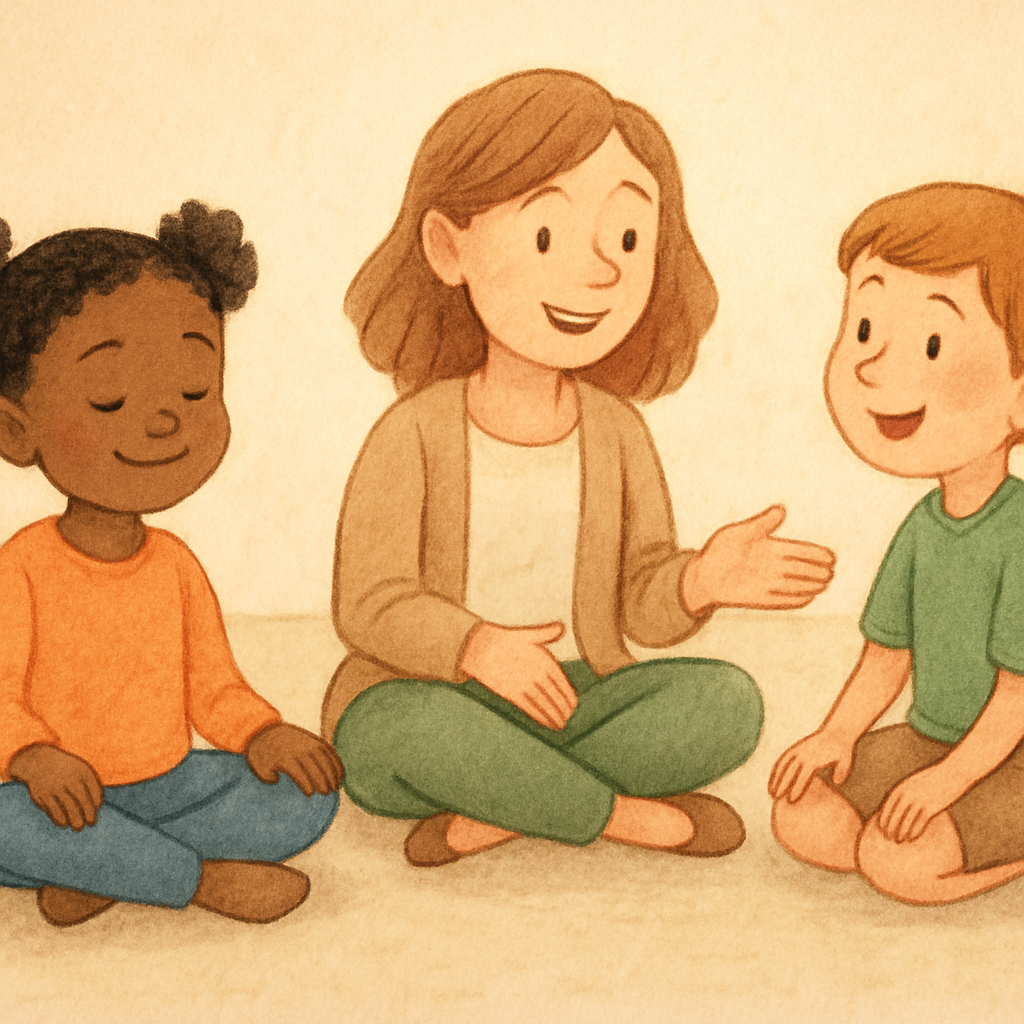
Exposure therapy is an effective technique for overcoming fears, commonly used for anxiety disorders, PTSD, and phobias. It involves facing fears in a safe, controlled environment to gradually reduce anxiety.
A key method is systematic desensitization, where you are gradually exposed to the feared object or situation, starting with what causes the least anxiety and working up a "fear ladder," while practicing relaxation techniques.
This approach teaches that feared outcomes are unlikely, reducing avoidance behaviours. For social anxiety, exposure therapy helps you practice interactions in a structured way, building confidence and easing social fears.
Essential Behaviour Therapy Techniques
Across the different types of behaviour therapy, there are several core behavioural therapy techniques that therapists use to promote behaviour modification. These methods are based on foundational principles like operant conditioning and are tailored to your unique situation. Some of the most common techniques include positive reinforcement, social skills training, and relaxation strategies.
While some techniques, like aversion therapy, aim to discourage negative behaviours, most focus on building positive ones. Understanding these essential techniques can give you a clearer picture of what to expect in therapy. Let's explore some of these effective strategies in more detail.
Positive Reinforcement Strategies
Positive reinforcement, a key principle of operant conditioning, uses rewards to encourage desired behaviours. Instead of punishing negative actions, this method focuses on reinforcing positive ones, creating a supportive environment for change.
A therapist will help you identify target behaviours and select meaningful rewards. Rewards should follow the desired behaviour immediately to strengthen the association and build lasting habits.
Examples of positive reinforcement include:
-
Praise or verbal encouragement for progress
-
Token systems that exchange earned tokens for rewards
-
Enjoying a favorite activity after completing a challenging task
Social Skills Training Approaches
Improving social skills is central to many behaviour therapy programs. Social skills training helps you communicate and interact more effectively, strengthening relationships. Based on social learning theory, it teaches new behaviours through observation and imitation.
In therapy, you might practice through role-playing, modeling, and feedback in a supportive environment. The goal is to boost confidence and provide tools for successful social interactions—especially helpful for those with social anxiety or developmental challenges.
Social skills training may include:
-
Starting and maintaining conversations
-
Understanding non-verbal cues like body language and tone
-
Practicing assertiveness and conflict resolution
Relaxation and Coping Skills
Managing stress and emotional distress is a key part of behaviour therapy. Therapists teach relaxation and coping skills to help you handle tough emotions and situations without turning to unhelpful behaviours. These techniques can be used anytime you feel overwhelmed for quick relief.
Relaxation methods calm your mind and body, easing anxiety and stress symptoms. Building a set of coping skills is important for long-term stress management, keeping you engaged in positive activities even when you're feeling low.
Common skills include:
-
Deep breathing and progressive muscle relaxation
-
Mindfulness meditation to stay present
-
Problem-solving strategies to tackle sources of stress
Behaviour Therapy for Social Behaviour Disorders
Behavioural therapy is a highly effective treatment for social behaviour disorders. These disorders involve patterns of behaviour that can harm others or break social rules. The goal of therapy is to help individuals, including children and teenagers, replace these maladaptive behaviours with more positive and socially acceptable ones.
Therapists and social workers collaborate with individuals and their families to create a structured plan. This plan focuses on teaching new skills, improving communication, and developing better ways to manage anger and frustration. Early intervention is key to preventing more serious issues later in life.
Common Social Behaviour Disorders Addressed
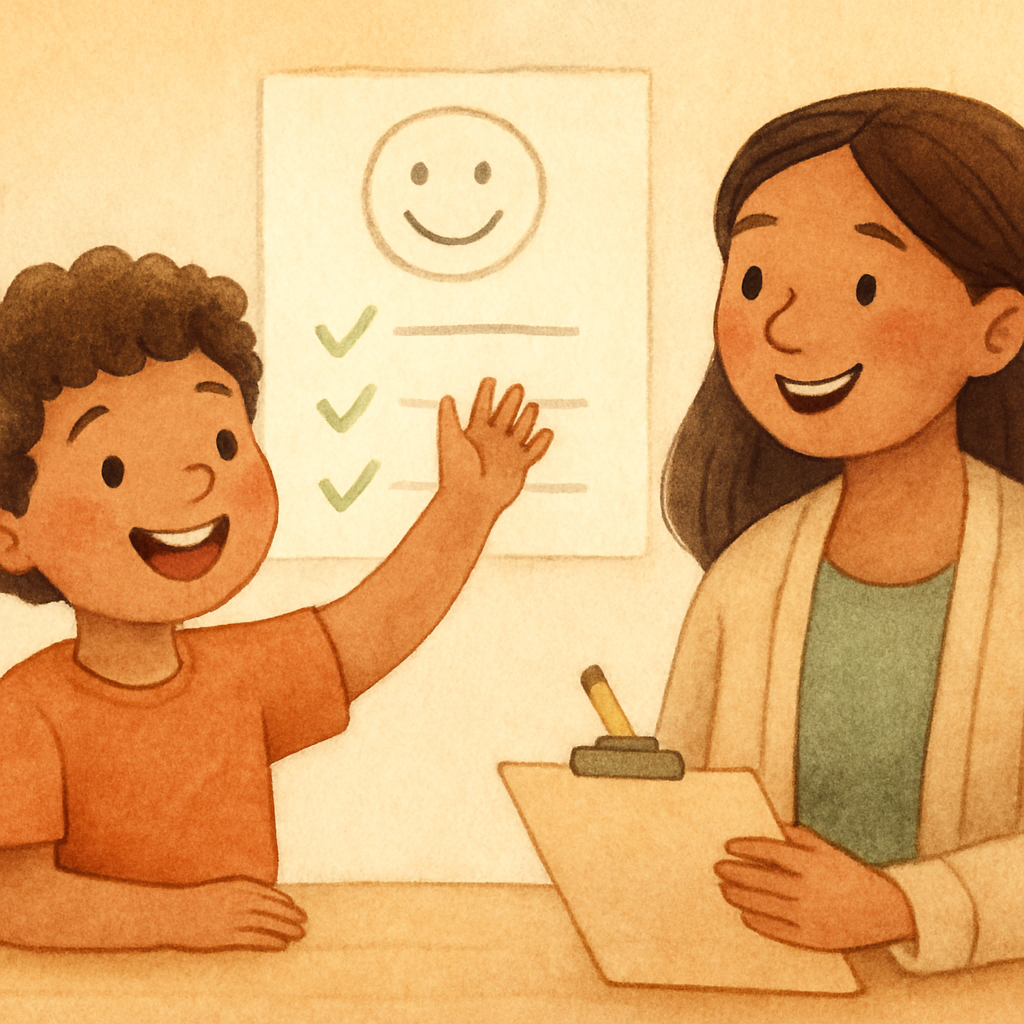
Behaviour therapy can address various social behaviour disorders that affect how people manage their actions and interactions. These disorders often start in childhood and may persist into adulthood if untreated, causing challenges at home, school, and in relationships.
Conditions like kleptomania (compulsive stealing) and pyromania (obsession with setting fires) can also be treated. Behavioural interventions help individuals identify triggers and develop strategies to manage their impulses, reducing risks such as substance abuse.
Common social behaviour disorders and their signs include:
|
Disorder |
Key Signs and Symptoms |
|---|---|
|
Oppositional Defiant Disorder (ODD) |
Frequent anger, arguing with adults, deliberately annoying others, blaming others for mistakes |
|
Intermittent Explosive Disorder (IED) |
Sudden outbursts of verbal or physical aggression disproportionate to the situation |
|
Conduct Disorder (CD) |
Aggressive behaviour, destruction of property, lying, stealing, breaking serious rules |
Success Stories from Australian Contexts
In the Australian context, behaviour therapy has transformed many lives by providing practical tools for better mental health. Through careful behaviour analysis, therapists work with individuals to identify the root causes of their challenges and develop personalized strategies. This leads to the development of positive behaviours and a significant improvement in overall well-being.
Both children and adults have benefited from these approaches. For example, a child with behavioural issues may learn to communicate their needs more effectively, leading to a more harmonious family life. An adult struggling with anxiety might learn coping skills that allow them to re-engage with their community and career.
These success stories highlight the effectiveness of focusing on desirable behaviours. Key outcomes often include:
-
Improved relationships with family, friends, and colleagues.
-
Greater independence and self-sufficiency in daily tasks.
-
A significant reduction in feelings of stress and anxiety.
Behaviour Therapy for Children vs Adults
Behaviour therapy is effective for both children and adults, but the approaches are often adapted to suit different age groups. With children, the mental health treatment is typically more interactive and may involve the whole family. Techniques like play therapy are used to help younger children express themselves and learn new skills in a natural, engaging way.
For adults, behaviour therapy is often more focused on self-reflection and cognitive strategies. The therapy sessions are a collaborative effort where you work with your therapist to set goals and develop strategies to integrate new skills into your daily life. The emphasis is on building self-awareness and taking personal responsibility for change.
Despite the differences, the core principles remain the same. Both approaches aim to:
-
Identify and change unhelpful behaviours.
-
Teach new skills for managing emotions and stress.
-
Improve overall functioning and quality of life.
Positive Behaviour Support in Practice
Positive Behaviour Support (PBS) is a person-centered approach to behaviour change. Rather than just stopping challenging behaviours, PBS aims to understand their causes and improve quality of life by teaching new, adaptive skills.
This proactive method addresses mental health and behavioural challenges by creating supportive environments that prevent problems before they arise. Here’s a closer look at what PBS involves and when it works best.
What Is Positive Behaviour Support?
Positive Behaviour Support (PBS) is a framework that combines person-centered values with behaviourist principles. More than a single therapy, PBS is a comprehensive approach to understanding and supporting individuals with challenging behaviours. Its main goal is to improve quality of life—not control behaviour.
PBS begins with a functional assessment to identify the reasons behind difficult behaviours, viewing them as forms of communication. This insight guides the development of a support plan.
Rather than punishing negative actions, PBS aims to make them irrelevant by changing environments and teaching new skills. It’s a proactive, compassionate approach to behaviour support.
When and Why, It’s Used
Positive Behaviour Support (PBS) is used when an individual's behaviour significantly hinders their learning, community participation, or safety. It is especially effective for people with developmental disabilities, autism, and severe mental health disorders. PBS focuses on long-term, positive change rather than quick fixes.
Treatment plans are highly individualized and created with input from the person and their support network, including family and caregivers. This collaboration ensures strategies are practical and consistently applied across all settings—home, school, or work.
Key reasons for using PBS include:
-
Addressing behaviours that are dangerous to the individual or others
-
Teaching essential life skills and promoting independence
-
Creating a positive environment that reduces challenging behaviours
Benefits for Individuals and Families
The benefits of Positive Behaviour Support extend to both the individual and their family, leading to a better quality of life for everyone involved. For the individual, PBS helps reduce challenging behaviours by teaching them more effective and socially appropriate ways to communicate their needs. This can open up new opportunities for learning, making friends, and participating in the community.
Families also experience significant benefits. PBS provides them with a clear, positive plan and practical strategies to support their loved one. This can reduce family stress, improve relationships, and create a more harmonious home environment. It empowers families to become active partners in the behaviour therapy process.
Overall, PBS leads to lasting positive changes by focusing on:
-
Improving mental health and emotional well-being.
-
Building adaptive behaviours and important life skills.
-
Strengthening family relationships and support systems.
Conclusion
In conclusion, behaviour therapy provides tailored approaches for individual needs, from building coping skills to addressing social behaviour disorders. Understanding these techniques helps you make informed mental health decisions. Success stories show its effectiveness for both individuals and families.
If you're considering behaviour therapy, contact daar today for a consultation or call at 02 9133 2500.
Frequently Asked Questions
Understanding behaviour therapy can raise several questions. Many individuals wonder about its effectiveness in treating mental health conditions like anxiety, depression, or obsessive-compulsive disorder. Often, people ask how different types of therapy, such as cognitive behavioural therapy or dialectical behaviour therapy, differ in approach and application. Some may also seek clarity on behaviour modification, including the principles of positive reinforcement and the role of a behavioural therapist in guiding treatment plans. Ultimately, individuals are eager to learn how these therapeutic approaches can enhance their daily life and overall quality of life.
Who benefits most from behaviour therapy?
Behaviour therapy is beneficial for individuals with a wide range of mental health conditions, including anxiety, phobias, and autism. People who are motivated to learn new skills and change their habits often see the most success. It is especially effective for those who respond well to structured approaches like positive reinforcement to build adaptive behaviours.
Are there any risks or side effects with behaviour therapy?
While behaviour therapy is generally safe, some people may experience temporary emotional distress as they confront negative thoughts and maladaptive behaviours. This is a normal part of the mental health treatment process. A qualified therapist will provide support to help you navigate these feelings and ensure the experience is productive.
How can I find a qualified behaviour therapist near me in Australia?
To find a qualified behavioural therapist in Australia, you can start by asking your GP for a referral to address your mental health issues. You can also search online directories from professional organizations. Social workers and mental health clinics can also help you find a specialist to create effective treatment plans.
.svg)




.svg)