
.png?width=48&height=48&name=Group%201%20(3).png)























13 March, 2026

Common Behavioral Concerns of a Child: Causes and Tips
Key Highlights
Here are the key takeaways from this article:
- Understanding that behavior is a form of communication is the first step to addressing behavior problems.
- Frequent tantrums and emotional outbursts can stem from frustration, anxiety, or underlying conditions like ADHD.
- Disruptive behavior may be linked to environmental triggers or more serious behavioral disorders.
- Positive discipline, staying calm, and clear communication can help manage disruptive behavior.
- Supporting a child’s mental health often involves a team effort from parents, teachers, and sometimes professionals.
- Knowing when to seek a professional assessment is crucial if behavior problems persist or escalate.
Introduction
All children can be defiant or impulsive from time to time, and that's a completely normal part of growing up. However, some kids display extremely challenging or disruptive behavior that falls outside the norm for their age. Understanding your child's behavior is crucial for their development and overall children’s mental health. This guide will help you identify common behavioral concerns, understand their root causes, and learn practical tips for managing them effectively, creating a happier home environment for everyone.
Frequent Behavioral Issues Faced by Children
When it comes to behavior problems in younger children, emotional outbursts and frequent tantrums are among the most common issues parents face. These episodes often happen when a child feels overwhelmed by big emotions they don't know how to handle. You might also notice defiance, aggression, or a refusal to follow rules.
In the context of child development, "misbehavior" is often a sign that a child is struggling. It's a form of communication. A child lashing out with disruptive behavior may lack the skills for problem-solving or impulse control. Understanding this helps you respond with support rather than just punishment.
Tantrums and Emotional Outbursts
Tantrums and emotional outbursts are often triggered by anger or frustration, especially in young children who feel denied something they want. For example, a child denied a toy may feel overwhelmed by injustice.
Though often used interchangeably, tantrums and meltdowns differ. Tantrums are usually goal-driven and may stop if ignored, showing some child control. Meltdowns involve a total loss of control and only end when the child is exhausted—both indicate struggles with emotional regulation.
Frequent tantrums are normal in toddlers but may signal deeper issues if they persist beyond preschool or are very intense. Key differences:
- Tantrums: Goal-oriented; may stop without attention.
- Meltdowns: Uncontrolled response to overwhelm.
- Serious problems: Marked by frequency, intensity, or persistence past typical age.
Angry Child Behavior and Aggression
An aggressive, angry child can be frightening for both themselves and their family. This explosive behavior usually stems from difficulty handling frustration or anger. Instead of expressing their feelings with words, they may scream, throw things, or become physical—not to manipulate, but because they lack emotional regulation skills.
Many factors can cause these outbursts. Conditions like ADHD make it hard to cope with boredom or frustration, while anxiety may lead a child to keep it together at school but lose control at home. These behaviors are often a way of showing distress when words fail.
Parents can help by staying calm and teaching coping strategies:
- Model calm behavior to demonstrate emotional regulation.
- Praise verbal expression of feelings instead of acting out.
- Practice problem-solving skills together when your child is calm.
Root Causes Behind Misbehavior and Tantrums
Understanding the root causes of misbehavior is key to finding solutions. What seems like simple defiance may reflect deeper issues. Explosive or angry behavior can result from temporary stress, mental health challenges, sudden changes in routine, family problems, or neglect.
Be concerned if your child’s behavior is extreme for their age, frequent, and disrupts family or school life. Occasional outbursts are normal, but a consistent pattern of intense anger, aggression, or defiance may signal a deeper issue that needs attention. The following sections cover specific triggers and disorders.
Emotional and Environmental Triggers
Many behavioral outbursts are direct responses to emotional or environmental triggers. Unexpected changes in routine can be especially distressing for children on the autism spectrum, leading to meltdowns. Family factors like domestic violence, poverty, or neglect also increase risk.
Sensory processing issues are another trigger. Some children cannot filter sensory input—loud noises, crowds, or uncomfortable clothing may cause anxiety and aggressive behavior. These reactions are not intentional but result from feeling overwhelmed.
Common signs of behavioral problems include:
- Overreacting to stress
- Lashing out during challenging tasks (like homework)
- Predictable meltdowns (such as at bedtime)
- Difficulty managing frustration in social settings
Possible Underlying Disorders
Frequent, intense behavioral issues may indicate underlying disorders rather than typical misbehavior. These patterns include ADHD, Oppositional Defiant Disorder (ODD), and Conduct Disorder (CD). Because symptoms often overlap, professional diagnosis is crucial.
Disorders are identified by behavior that exceeds age-appropriate norms. For example, while occasional defiance is normal in toddlers, ODD involves persistent arguing with adults, refusing rules, and provoking others. Typical misbehavior is brief; behavioral disorders cause ongoing challenges at home and school.
Other conditions like autism spectrum disorder or Disruptive Mood Dysregulation Disorder (DMDD) may also play a role. Here are key characteristics of common disorders:
|
Disorder |
Key Characteristics |
|---|---|
|
ADHD |
Inattention, impulsivity, hyperactivity |
|
ODD |
Frequent tantrums, arguing with adults, blaming others |
|
CD |
Aggression, property destruction, serious rule violations |
|
DMDD |
Severe temper outbursts, chronic irritability between episodes |
Practical Tips for Managing Behavioral Concerns When managing behavioral concerns, a multifaceted approach often works best. This can include strategies like parent management training, which equips you with skills to handle difficult situations effectively. The goal is to teach your child better ways to express their feelings and solve problems without resorting to outbursts. Using positive discipline and reinforcement can encourage good behavior.
For some children, especially those with underlying disorders like ADHD, medication management may be part of a comprehensive treatment plan. However, this is always combined with behavioral therapies that focus on improving communication skills and self-control. The following tips offer practical ways to implement these strategies at home.
Positive Discipline Strategies for an Angry Child
Helping an angry child manage emotions requires patience and consistency. Positive discipline—teaching rather than punishing—is highly effective. Stay calm during your child’s outbursts; your reaction can either escalate or defuse the situation.
Parent management training recommends praise for expressing feelings with words or calming down, motivating children to repeat good behavior. Avoid giving in to tantrums, as it reinforces aggression.
Positive discipline strategies:
- Praise good behavior: Reinforce positive actions.
- Use time-outs: Brief, consistent time-outs help younger children.
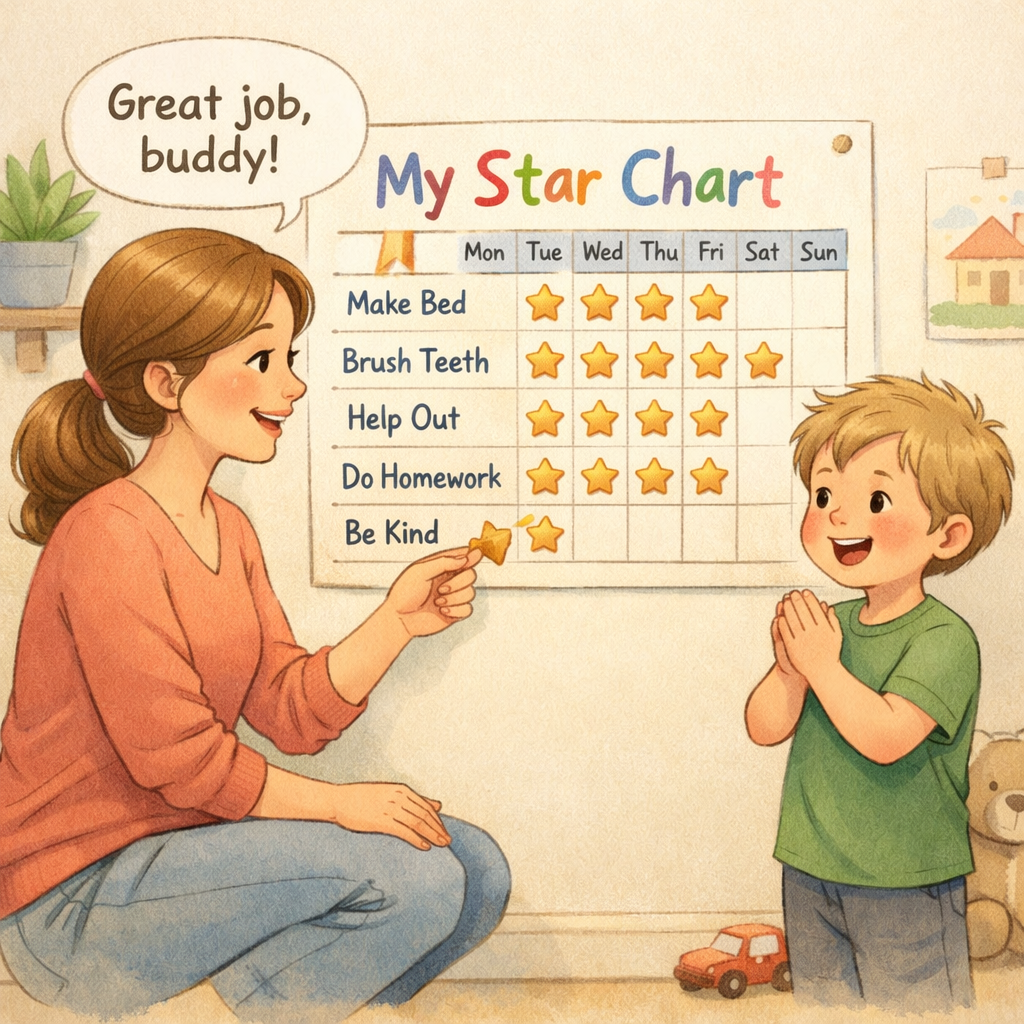
- Reward system: Older children can earn points or tokens for good behavior.
Calming Techniques for Toddler Tantrums
Toddler tantrums can be exhausting, but a plan helps manage them. For nonviolent tantrums, ignore the behavior whenever possible—even negative attention can reinforce it. With young children, your calm presence is key.
If a tantrum turns physical, prioritize safety and de-escalation. Move your child to a safe space away from you and other rewards—not as punishment, but to help them regain control. Once calm, discuss what happened.
Try these tips:
- Stay calm: Model self-control for your child.
- Avoid triggers: Give warnings before transitions to prevent meltdowns.
- Comfort afterward: Praise their recovery and offer a hug once they’re calm.
Supporting Children with Challenging Behavior
Supporting a child with challenging behavior requires teamwork among family, parents, and teachers. For older children, consistency across home and school helps them develop communication skills and manage actions. Open communication ensures everyone uses the same strategies and expectations.
When parents and teachers collaborate, they build a supportive network that reinforces positive behaviors and provides a unified response to challenges. Below, we’ll discuss how both can play a vital role in this process.
The Role of Parents in Behavior Management
As a parent, you are the main influence in your child's life. Your actions and reactions shape their behavior. Learning behavior management techniques helps you handle challenges with confidence and calm. Remember, you’re not to blame for your child’s behavior, but your response is key to helping them.
Consistency matters. When all caregivers follow the same rules and consequences, children get a clear message. Use praise for positive actions and appropriate consequences for negative ones. Be especially concerned if your child’s behavior is dangerous, hurts others, or seriously disrupts family life.
Tips for managing behavior:
- Stay calm: Your composure can prevent escalation.
- Be consistent: Apply rewards and consequences reliably.
- Work together: Coordinate with your partner and other caregivers.
How Teachers Can Help in the Classroom
Teachers play a vital role in helping students with behavior problems. Their response can make a big difference, especially when behavior signals an undiagnosed learning issue or frustration—like a child avoiding math by acting out.
Effective teachers look past the behavior to find its cause. By improving communication and creating structured classrooms, they prevent many problems. Partnering with parents ensures consistent support.
Teachers support students by:
- Communicating with parents: Regular check-ins align strategies.
- Adjusting the environment: Breaking tasks down or offering quiet spaces reduces triggers.
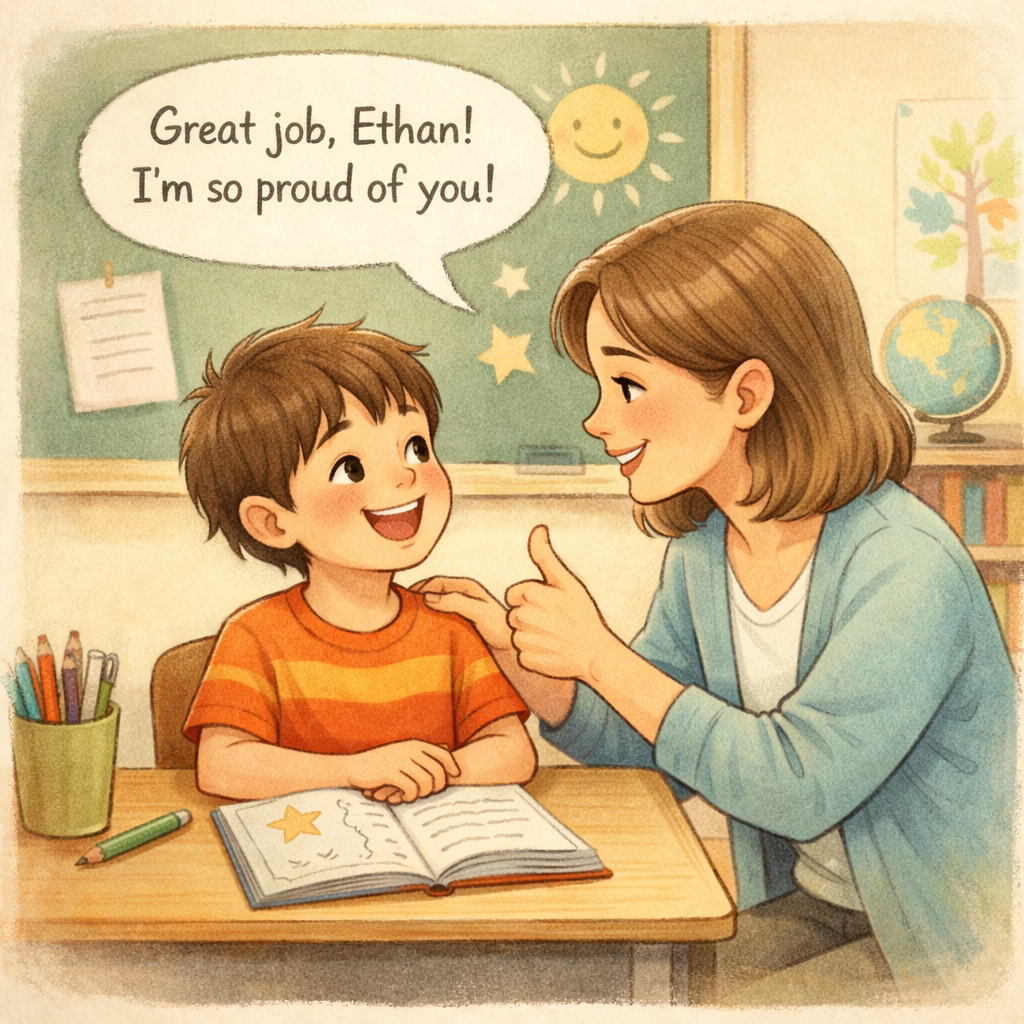
- Using positive reinforcement: Praising effort boosts self-esteem.
When to Seek Professional Support
While many behavioral issues can be managed at home, sometimes they become too big of a problem to handle alone. If your child's behavior is frequently aggressive, causes harm to themselves or others, or significantly disrupts family and school life, it may be time to seek professional support. Untreated behavioral disorders can lead to long-term difficulties for the child.
Getting an assessment from a professional, such as a pediatrician, clinical psychologist, or child psychiatrist, is the first step. An accurate diagnosis is key to understanding the underlying issues and getting the right help for your child’s mental health. The earlier you intervene, the better the outcome is likely to be.
Key Indicators Parents Should Watch For
Recognizing when a child’s behavior goes beyond typical phases can be challenging. Key signs include persistent or severe behavior issues—such as frequent, intense tantrums beyond the toddler years or ongoing defiance of authority.
Other warning signs are aggression toward people or animals, repeated lying, stealing, running away from home, and lack of empathy. If these behaviors cause ongoing trouble at school or with relationships, it may signal a more serious problem.
Watch for:
- Behavior that is extreme for their age
- Actions that endanger themselves or others
- Patterns of misbehavior harming schoolwork or social life
Getting an Assessment in Australia
If you're concerned about your child's behavior, a professional assessment is essential. In Australia, start by talking to your GP, who can rule out medical causes and refer you to specialists like pediatricians, child psychologists, or psychiatrists.
Assessments involve interviews with you, your child, and teachers, plus standardized questionnaires or checklists, ensuring an accurate diagnosis and effective treatment plan—often including therapy or medication.
To get an assessment in Australia:
- Visit your GP: Request a specialist referral.
- Contact a child psychologist directly: The Australian Psychological Society offers referrals.
- Reach out to hospital services: The Royal Children’s Hospital in Melbourne provides specialist care.
Conclusion
In summary, addressing common behavioral concerns in children is key to supporting their emotional and social development. By identifying the causes of misbehavior—such as emotional triggers or underlying disorders—parents and educators can use effective strategies to manage challenges. Positive discipline and calming techniques help create a supportive environment.
Reach out for a consultation or call daar at 02 9133 2500 to seek professional guidance; your child’s well-being comes first.
Frequently Asked Questions
How can parents tell if their child’s behavior is a concern or just a phase?
A parent can tell the difference by observing the frequency, intensity, and duration of the behavior problems. While tantrums and outbursts are a normal phase for toddlers, persistent, severe issues that impact their mental health and daily functioning may require support from a clinical psychologist.
What strategies work best to calm an angry child?
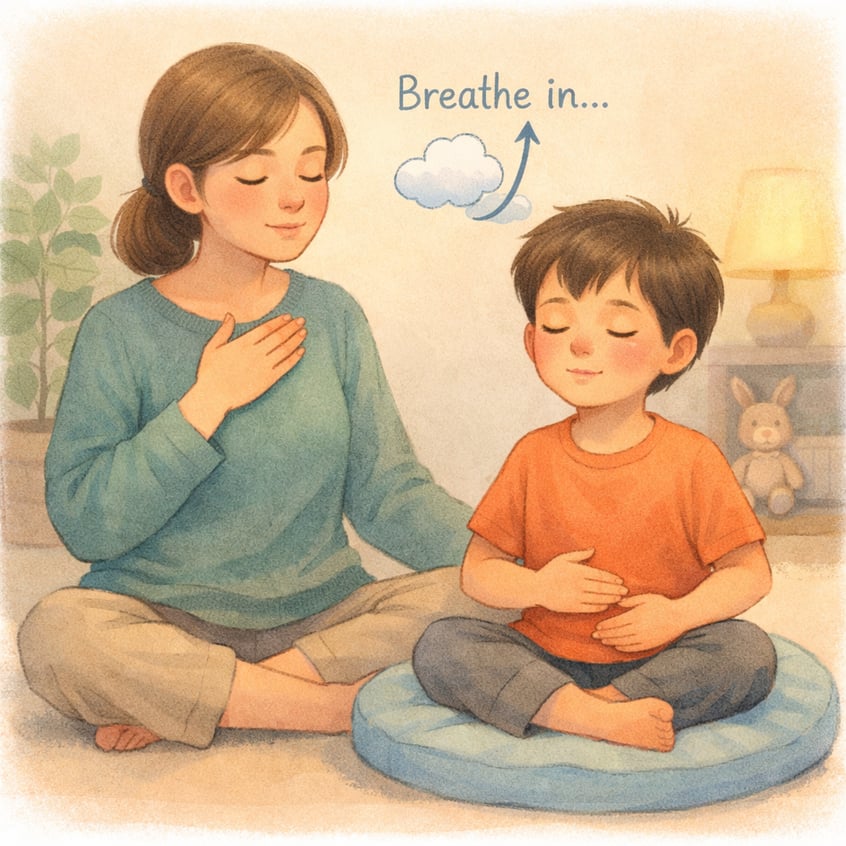
To calm an angry child, stay calm yourself to avoid escalating their impulsivity. Use calming techniques like deep breathing and provide a safe space. Parent management training teaches using positive reinforcement for good behavior. Praising them for expressing feelings calmly is an effective long-term strategy.
How do tantrums differ from more serious behavioral problems?
Tantrums are typically short-lived outbursts common in young children. More serious behavioral disorders like Conduct Disorder or Disruptive Mood Dysregulation Disorder (DMDD) involve a persistent pattern of intense, aggressive behavior that is not age-appropriate and significantly impairs a child's functioning at home and school.
.svg)




.svg)